 odyvero
A confirmed first dinner, a request understood by the kitchen, and a backup address can change how you organize a trip. Vegan, gluten-free, halal or kosher: here’s how to plan your meals, choose a home base, and book a culinary activity, with guidance for Italy, the United Kingdom, Singapore, Taiwan, and Sri Lanka.
Your needs and the evidence
When reading a menu, the word “plant-based” may reassure one traveler while leaving another with all their questions unanswered. Dietary requirements cover different needs. To choose a destination, start by writing yours down: excluded ingredients, necessary preparation conditions, expected certification, and any medical requirements. This short document will help you with accommodation, transportation, and restaurants.
A vegan diet excludes products of animal origin, including meat, fish, eggs, milk, and honey, according to The Vegan Society’s definition. A vegetarian preparation may therefore require several adjustments. For a meal, check sauces, broths, cooking fats, and garnishes as well as the main ingredient. A plate of vegetables served with fish sauce does not meet the same need as a fully vegan plate.
Celiac disease requires a gluten-free diet and attention to cross-contamination during preparation. Wheat allergy is a different request. Describe your situation using the terms recommended by your healthcare professional; staff need to understand the ingredients involved and the necessary precautions. A gluten-free label indicates a characteristic of the dish, while kitchen practices need to be checked separately.
For halal and kosher, specify the level of certification you are looking for. Meat described as halal, a certified restaurant, and a hotel offering a few adapted meals represent different scopes. Kosher certification covers ingredients and equipment, among other things, as OU Kosher explains. A vegan meal therefore does not automatically meet the requirements of kashrut. If you have combined needs, state them together: “kosher and gluten-free” calls for two checks.
Your first meal there
Your arrival meal deserves a reservation or a solution you have already identified. After a late flight, the restaurants you found may have finished service; after a long drive, your companions may be hungry before you have questioned several kitchens. Choose a place you can reach from your accommodation and confirm your needs before departure. Save the reply and proposed menu on your phone.
Then identify a second option in the same area: another restaurant, a grocery store with suitable products, or a meal prepared at your accommodation. You can change plans if your transportation is delayed. Prefer a place whose response you understand over an anonymous list of recommendations. A message detailing the ingredients and preparation gives you more to base your decision on than a simple icon in an app.
Choosing a neighborhood then becomes very practical. Pin your possible meal options on a map, then check transportation to the sights. Accommodation close to the monuments may mean crossing the city every evening for dinner. A home base near several food options makes it easier to return, manage days out with children, and improvise in the evenings. Compare the room price with the trips it will actually require.
Gluten-free in Italy and the United Kingdom
To plan a stay in Italy, the Associazione Italiana Celiachia, or AIC, provides a more useful starting point than a country’s general reputation for being welcoming. Its resources distinguish permitted, at-risk, and prohibited foods, taking manufacturing processes into account. The Alimentazione Fuori Casa program, often abbreviated as AFC, also lets you search for participating establishments. The association publishes additions to and removals from its list by region and type of venue.
In Rome or Florence, plan your day after identifying a few possible places to eat, rather than choosing a terrace at random in front of a monument. Check that the establishment is still listed in the resource you consulted, then contact it about opening hours and your situation. Keep one option in mind for lunch and another for dinner. A specialized bakery or packaged products can supplement this plan, depending on the latest available information.
In the kitchen, your questions should be about the specific dish: what water is used to cook the pasta, what utensils are used, and where is the bread prepared? For fried food, ask whether the oil is also used for breaded foods. These questions help the professional explain their methods. The presence of rice or potatoes in a recipe alone tells you nothing about the sauces, additions, or handling of the ingredients.
In the United Kingdom, Coeliac UK offers a Venue Guide and information about products. Its guide includes accredited establishments and community recommendations: check the category of the venue you are looking at. In London and elsewhere, a traveler’s recommendation can help you discover a place; accreditation and a conversation with the restaurant address different questions. Check recent information before building your whole itinerary around one venue.
For someone with celiac disease, we recommend a home base with several identified establishments and an option for a breakfast you can manage. This reduces repeated decisions without requiring you to give up sightseeing. This arrangement also works for a group: the other travelers can try local cuisine at the same venues, after checking the menu each person will be served.
Halal in Singapore and Taiwan
In Singapore, MUIS, the local Islamic authority, publishes a directory search for halal-certified establishments. Use this resource to verify an exact name and address. In a space with several vendors, check the specific stall you have chosen: certification for one business does not automatically cover its neighbours. The same care applies to different branches of a chain.
Identify meal options near your accommodation and a major outing, such as a day around Marina Bay. You can plan a walk, a visit and lunch without making several detours. Choose gardens and neighbourhoods according to your interests; the meals you have already identified provide a few fixed points in the day. Recheck the establishment’s name when ordering, especially in a shopping complex where the counters look alike.
In Taiwan, the tourism administration gathers resources for Muslim travellers, including sections on dining and accommodation. It also lists prayer rooms at several major transport hubs. This information can help you choose a base in Taipei and plan your journeys. Check the status of each service with the establishment and, depending on your requirements, its certifying body.
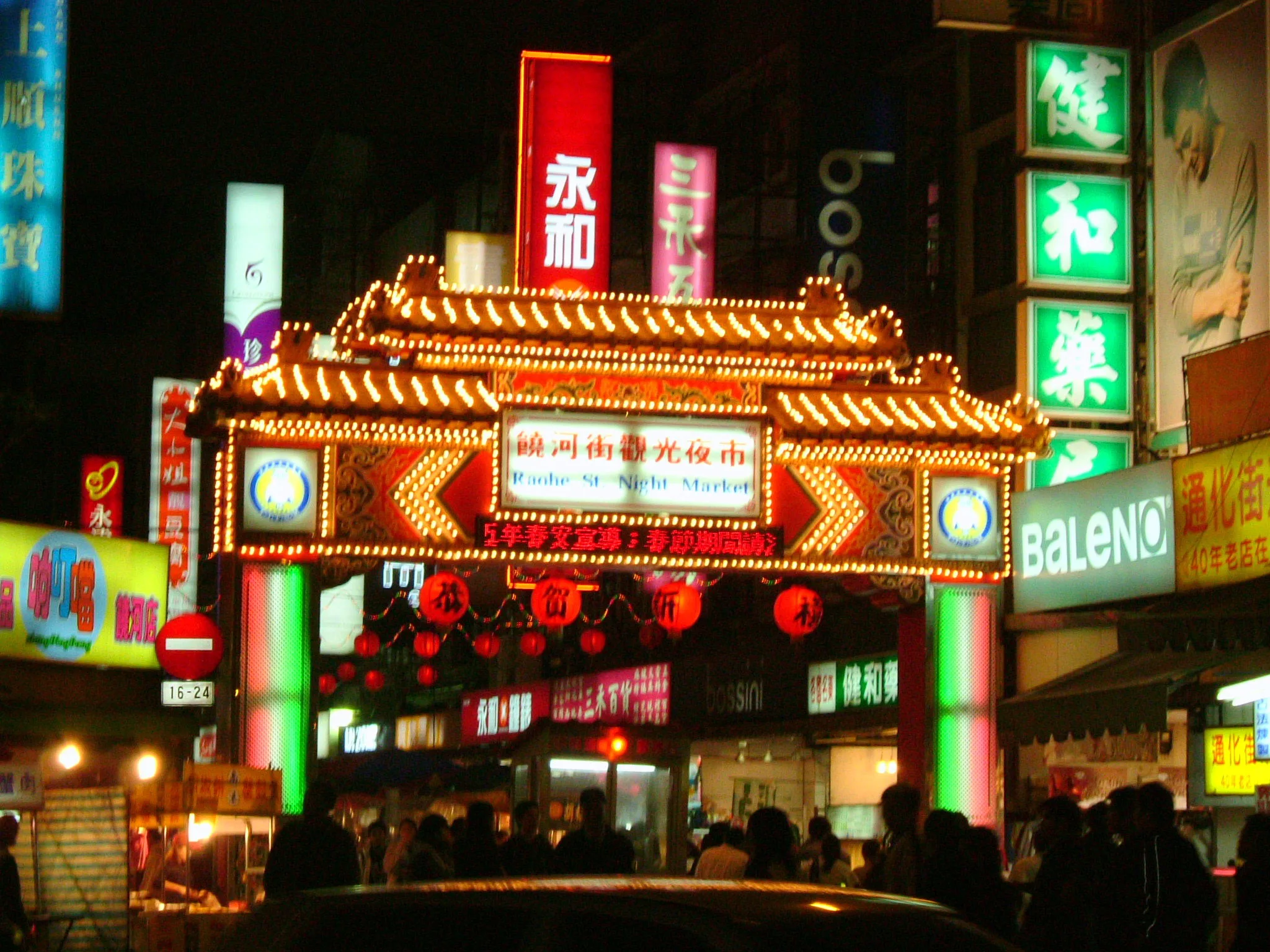
A walk through a night market can remain on the itinerary to see the stalls and explore the neighbourhood, even if you plan to have dinner elsewhere. If you want to buy food there, ask about sauces, broths, fats and preparation conditions. If the conversation does not let you verify that your criteria are met, go to the address you have prepared. You will still have explored the market and have a known meal option.



London and kosher meals
For a kosher stay in London, the KLBD directory offers precise guidance. It lists restaurants with their addresses and categories such as meat, dairy or parev. Several are located in Golders Green and Hendon in particular; other addresses are spread across the city. Start by comparing these locations with your itinerary and accommodation.
This geography may matter more when choosing accommodation than proximity to an attraction. If you plan to dine several times in the same area, consider connections to the museums and neighbourhoods you will visit during the day. For a short stay, one well-chosen base avoids having to reorganise meals every time you change hotels. Ask directly about reservations and takeaway options.
A stay that includes Shabbat requires additional planning: meals, timings, any advance orders and accommodation arrangements. Confirm what is provided, where it will be collected or served, and what facilities are available for your practice. An apartment kitchen should also be assessed in terms of its utensils and how they are used. For religious requirements, rely on your own religious authority and the relevant provider.
The same method works for group travel. A certified restaurant may make it possible to share a meal, but the selected menu must still suit everyone’s other needs, such as veganism, gluten restrictions or allergies. Send one consolidated request and ask for a proposal for each person. This avoids mistakenly treating an accommodation approved for one person as the answer for everyone.
A private workshop near Ella
A culinary activity becomes worthwhile when its format allows you to discuss the menu before booking. Near Ella, Sri Lanka, the private workshop listed here advertises customised recipes, including vegan and gluten-free options. The listing features preparations involving rice, lentils, coconut and curries. For a vegan traveller, the value lies in learning about the ingredients and techniques while preparing a menu agreed with the host.
The catalogue lists the duration as three hours, with instruction in English. Hotel pickup and drop-off are included; ask them to specify the service area and meeting point. Recipes are provided after the class. We would choose this experience for a stop already planned in Ella, allowing time to discuss the dishes you want in advance.
Share your exclusions before booking and ask which recipes will be used. The listing also describes non-vegan preparations: if you have coeliac disease or an allergy, ask the host about the surfaces, utensils and ingredients used during your session. Book when the answers meet your needs. This offer does not advertise halal or kosher certification; travellers seeking either should arrange another meal with a qualified provider.
A private session also lets you decide on the content with the other participants. A couple may want to learn a few curries they can make at home; a family may prefer a shared menu without animal products. Explain this preference to the host rather than assuming that all the dishes shown will be prepared. The card links to the exact product and displays its centralised commercial details.

Viator
Private cooking class near Ella
For a stop already planned in Ella, agree on a vegan menu to cook with an English-speaking host. Confirm the hotel transfer and, for a medical need, how the food will be prepared before booking.
- 3 hours
- 5/5 (117 reviews)
English-language workshop with a personalized menu and round-trip hotel transfer to be arranged. Recipes provided; dietary requirements to be confirmed with the host.
Cancellation policy
For a full refund, cancel at least 24 hours before the scheduled departure date.
From $40.00
View activityAccommodation and shared meals
An apartment with a kitchen can make breakfasts and meals after excursions easier. Before choosing, check what “kitchenette” means: a hob, refrigerator, the ability to reheat food and available utensils. Also check which shops are accessible. A poorly equipped kitchen, far from shops and without a way to prepare the foods you usually eat, may be less useful than a hotel near several suitable restaurants.
For a medical need, assess shared surfaces and equipment according to your usual precautions. A toaster, colander or cutting board that has already been used raises different questions from a closed refrigerator. You can bring the small items you need, if they are permitted in your luggage, or ask for dedicated equipment. For kashrut, assess separately whether the kitchen is compatible with your practice.
At a hotel, ask for an example of the breakfast actually offered during your stay. The buffet may include suitable products, with shared tongs and serving areas. Asking in advance can help you explore options such as a separately prepared plate or an identifiable packaged product. Confirm the arrangement on arrival, especially if the answer came from reception rather than the food service team.
In a group, raise everyone’s needs when choosing accommodation and excursions. If it helps, appoint one person to gather the answers, then have the relevant travellers review them. For your budget, compare the full costs: groceries, meals, additional transport and any necessary equipment. There is no universal food surcharge that can be used to price these trips; actual quotes and selected menus provide a reliable basis.
Meals during transport
For a flight, train or boat, check the options offered by the carrier actually operating your journey. Request a suitable meal through its procedure, then check that it is confirmed in your booking. A connection or change of carrier may affect the service. Also check the deadlines and terms for the option available on your flight, rather than assuming a deadline applies everywhere.
Keep a food option for the journey and your arrival, in accordance with security and destination entry rules. Restrictions may apply to liquids, animal products, plants and food that requires particular storage conditions. Your Europe distinguishes, among other things, between travel within the area covered by its rules and entry from other countries, with exceptions depending on the products. Check the exact details of your journey with the relevant customs authorities before packing.
If you are travelling with an allergy, plan the trip with your healthcare professional. FARE recommends bringing prescribed medication and an emergency plan, keeping them accessible and informing your companions. Travellers concerned should carry their epinephrine doses according to their medical plan; an airline cannot control all the food brought on board by other passengers. Report your needs when booking and remind the crew.
A day trip deserves the same attention. If lunch is included, ask who prepares it, what will be served and how your needs will be communicated. If you bring your own meal, check storage options and the rules of the venue you are visiting. Make arrangements for children and companions too: everyone should know which meal is intended for them and who has the relevant documents.
Visits and tastings
A food tour brings together several businesses, sometimes with dishes already planned. Before booking, ask which parts can accommodate a tailored offering and what you will actually eat. Replacing one bite does not tell you about the rest of the meal. If the outing is meant to serve as lunch, check that the portions on offer will meet that need too, rather than relying on an improvised adjustment at the counter.
For travelers with different needs, a cultural tour followed by a separately booked meal offers another arrangement. You explore a neighborhood together, then go to a restaurant chosen for everyone. A walk through a market, without included tastings, also lets you discover local products and customs while arranging the meal elsewhere. Compare the options based on what the group wants to learn and share.
A private workshop is better suited to someone who wants to have a say in the menu and understand how a dish is prepared. A group tour works when the planned tastings have been confirmed as suitable for you. In either case, send your request to the provider who will run the activity and keep their response. At the start of the session, introduce yourselves and remind them of the agreed menu: the guide should be able to match the booking to the people concerned.
Communicating with the kitchen
A short, precise request makes it easier to get clear answers. First explain your needs, then list the ingredients to exclude and any important conditions. For an allergy or coeliac disease, explain the need to avoid the relevant cross-contact; for a vegan request, also list eggs, milk, honey, and animal-based broths. For halal or kosher food, ask about the certification and what it covers according to your criteria.
Prepare a card in the language spoken at your destination and have the essential terms checked by someone qualified. Machine translation can help you read a menu or start a conversation. For medical information, have the meaning and the response confirmed. Show the card before ordering, then let the server speak with the kitchen. A sauce removed at the table does not necessarily address a request about the entire preparation.
Keep messages from restaurants, their exact addresses, and an offline map. Directories, apps, and maps help you find options; then go back to the certification source or the professional who will prepare the meal. Also remember to save your documents for offline access. You can consult them on a train, on arrival, or when the network is unreliable, without depending on an additional subscription.
Once you have arranged a few meals, leave some time unscheduled. You can extend a visit, stroll through a market, or change the order of your days knowing where you can eat afterward. A successful trip can combine meals planned in advance, a few grocery runs, and an activity chosen for its educational value. The right mix depends on your needs and the answers you receive locally.
FAQ
Which destination should you choose with dietary restrictions?
First choose a base where you have identified several options that meet your exact needs. Italy has AIC resources for gluten-free food, the United Kingdom has Coeliac UK, Singapore has an official MUIS search for halal establishments, and London has a KLBD directory for kosher restaurants. Then compare neighborhoods, transport, and the kinds of visits you want to make. These resources help with planning without certifying every meal in a destination.
Is a vegan restaurant suitable for people with allergies?
The term vegan refers to ingredients of animal origin. On its own, it does not tell you which allergens are present or whether there is cross-contact in the kitchen. A vegan dish may contain wheat, soy, sesame, or tree nuts. State your allergy separately and ask for information about the dish and its preparation, in line with your medical plan.
How can you check that a meal is gluten-free abroad?
Use the resources of the country's coeliac association where available, then ask the establishment about its menu and food preparation. Check sauces, processed products, cooking water, and any relevant shared equipment. Keep a translated card explaining your needs. An ingredient list and a description of the preparation methods give you information to make a decision; if the response is inadequate, use your backup option.
Is a dish without pork necessarily halal?
The absence of pork is not enough to establish that a meal meets the criteria you follow. Ingredients, the origin of the meat, alcohol, and preparation conditions may all need to be checked. Ask about the required certification and which establishment it covers. In Singapore, the official MUIS search is a starting point for checking a specific address.
Can you eat kosher food at a vegetarian restaurant?
Being vegetarian does not constitute kosher certification. OU Kosher notes that ingredients, their derivatives, equipment, and production all factor into the designation. Consult a recognized resource and the authority you rely on, according to your practice. For a trip to London, the KLBD directory identifies supervised establishments and their categories; then confirm the meals and hours directly.
Should you book accommodation with a kitchen?
A kitchen is useful if it genuinely lets you prepare a few suitable meals and grocery shopping is accessible. Check the equipment, utensils, and conditions of use. A hotel close to several verified options may be a better fit for a short stay. If you have a medical or religious requirement concerning the equipment, check this before booking rather than relying on the mere presence of a kitchenette.
How do you book a suitable cooking class?
Choose a listing that describes the adaptations on offer, then get confirmation about your menu and any important conditions before booking. The private workshop near Ella featured in this guide offers a customizable menu and English-language instruction. For coeliac disease or an allergy, also ask how ingredients and equipment will be handled. A vegan option is not a medical guarantee.
What food and documents should you bring when traveling?
Plan an identifiable food option for the journey and your arrival, after checking baggage and customs rules. Save your translated dietary card, providers' responses, and useful contact details for offline access. If your health requires it, keep prescribed medication and your emergency plan accessible, along with any documents required for carrying them. Make sure the relevant travel companions know about these arrangements.
Sources and checks
Plan your visits and check current conditions.
- Definition of veganism
The Vegan Society · Accessed November 2, 2026
What this source supports
Animal products excluded, including eggs, milk, and honey; distinction from allergies and gluten-free requirements.
- Traveling as a vegan
The Vegan Society · Accessed November 2, 2026
What this source supports
Requests to carriers, meal planning, and finding places to eat. The Vegan Passport app is unavailable, so it is not recommended.
- Gluten-free food basics
Associazione Italiana Celiachia · Accessed November 2, 2026
What this source supports
Ingredients, processes, and contamination risk; processed products to check.
- Updates to the Alimentazione Fuori Casa guide
Associazione Italiana Celiachia · Accessed November 2, 2026
What this source supports
Search for new venues and removals from the AFC program by region and type.
- Food and drink information
Coeliac UK · Accessed November 2, 2026
What this source supports
Product resources and Venue Guide; accredited venues and community recommendations are distinguished.
- Halal certification in Singapore
Majlis Ugama Islam Singapura · Accessed November 2, 2026
What this source supports
Certification authority and link to the official search for halal establishments. No individual stall is identified as qualified in this article.
- Muslim-friendly Environment
Taiwan Tourism Administration · Accessed November 2, 2026
What this source supports
Restaurant/accommodation resources and prayer rooms at several major transport hubs. No 2026 ranking is claimed.
- Kosher certification principles
OU Kosher · Accessed November 2, 2026
What this source supports
Certification of ingredients, derivatives, equipment, and production; meat/dairy requirements.
- Restaurant directory
KLBD · Accessed November 2, 2026
What this source supports
Addresses in London, including Golders Green and Hendon; meat, dairy, and parev categories. Confirm reservations and Shabbat arrangements with the provider.
- Traveling with food allergies
Food Allergy Research & Education · Accessed November 2, 2026
What this source supports
Preparation, communication, prescribed medication and an accessible emergency plan, epinephrine according to the medical plan, companions, and carriers.
- Transporting food in luggage
European Union — Your Europe · Accessed November 2, 2026
What this source supports
Rules vary depending on origin, products, and exceptions; check the exact route with customs.
- Private workshop near Ella — product 114166P2
Viator / operator · Accessed November 2, 2026
What this source supports
ACTIVE Partner API listing rechecked: customized vegan/gluten-free menu, English, catalog duration 180 min, hotel transfer, and recipes; non-vegan preparations are also described, and no medical guarantee or halal/kosher certification is advertised.
Viator — activity pages
Information about the offers featured in this article.Affiliate links: Odyvero may earn a commission when you book through this article’s buttons.
- Viator : Private cooking class near Ella
Accessed November 2, 2026


