 odyvero

In Budapest, you enter a fully equipped bathing establishment; in Saturnia, you head to free-access waterfalls. Beppu combines steaming springs to admire with Japanese baths, while Pamukkale brings together protected travertines and ancient ruins. Here’s how to choose your thermal stop based on bathing, comfort and the time you have available.
Four hot-water experiences
A photograph of a turquoise pool often leaves out the decisive information: can you get into the water? At Umi Jigoku in Beppu, it reaches 98 °C. At Széchenyi in Budapest, the outdoor thermal pool is listed at 36 to 38 °C. Both places bear witness to underground activity, but they call for different kinds of preparation. This distinction should guide your choice before the color of the water or the site’s reputation.
For a first bathing experience with changing rooms, storage for your belongings and several pools, we would choose Budapest. If you want to sit in open-air pools surrounded by countryside, Saturnia is a better fit. Beppu appeals to travelers who want to discover Japanese bathing customs during a trip to Kyūshū. Pamukkale is particularly suited to those who want to combine a mineral landscape with an archaeological visit.
These four destinations are options for different kinds of trips. You can set aside time for the baths during a city stay, spend a night near a rural site or make a longer stop in an onsen town. The cost of getting there and the place this visit occupies in your itinerary matter more than comparing ticket prices in isolation.
Budapest and the Széchenyi Baths
Széchenyi is easy to navigate: indoor pools, a courtyard with several pools and services all in one establishment. The temperatures listed by the operator distinguish the outdoor thermal pool, at 36 to 38 °C, from the leisure pool, at 32 to 34 °C. The swimming pool serves another purpose. You can choose an area to suit your preferences, then take a break out of the water.
Access by M1 metro, at the Széchenyi fürdő stop, makes it easy to fit this outing into a trip without a car. We would set aside half a day for the baths, allowing time for the changing rooms and an unhurried return, rather than squeezing it in between timed visits. The time you actually spend at the establishment depends on your ticket and the opening hours; it does not mean staying immersed in a hot pool the whole time.
The choice between a locker and a cabin mainly affects how you change and store your belongings. A locker works for a small bag. A cabin is an enclosed space that you keep for the duration of your visit; it can be useful if you have larger bags. The operator says that several travelers can arrange their belongings around a single cabin, with the other tickets using the locker option. Each person must have their own admission ticket.
The selected booking offers admission with a locker or cabin, depending on the option. Meals, transfers, a swimsuit and a towel are separate; massage is not included. Download the QR code before you arrive and follow the check-in process provided to receive your wristband. A standard online booking does not guarantee immediate access at any time when the baths are full.
The age requirement significantly affects planning for a family trip: standard tourist admission is for people aged fourteen and over. The official site states that this restriction applies throughout the establishment, including the outdoor pools. If you’re traveling with young children, choose another bath whose facilities and admission policy are genuinely suitable for their age.

Viator
Széchenyi: entry with locker or cabin
Choose a locker for a small bag or a cabin if you want to change in an enclosed space. This ticket is suitable for a half-day in Budapest, for visitors aged fourteen and over; bring your own towel.
- 240 min
- 3.8/5 (2,388 reviews)
Bath entry with a locker or cabin, depending on the option. Meals, towel, swimsuit, and transfer are separate; massage is not included. Tourist access from age fourteen.
Cancellation policy
For a full refund, cancel at least 24 hours before the scheduled departure date.
From €55.00
Buy a ticketSaturnia and its free-access waterfalls
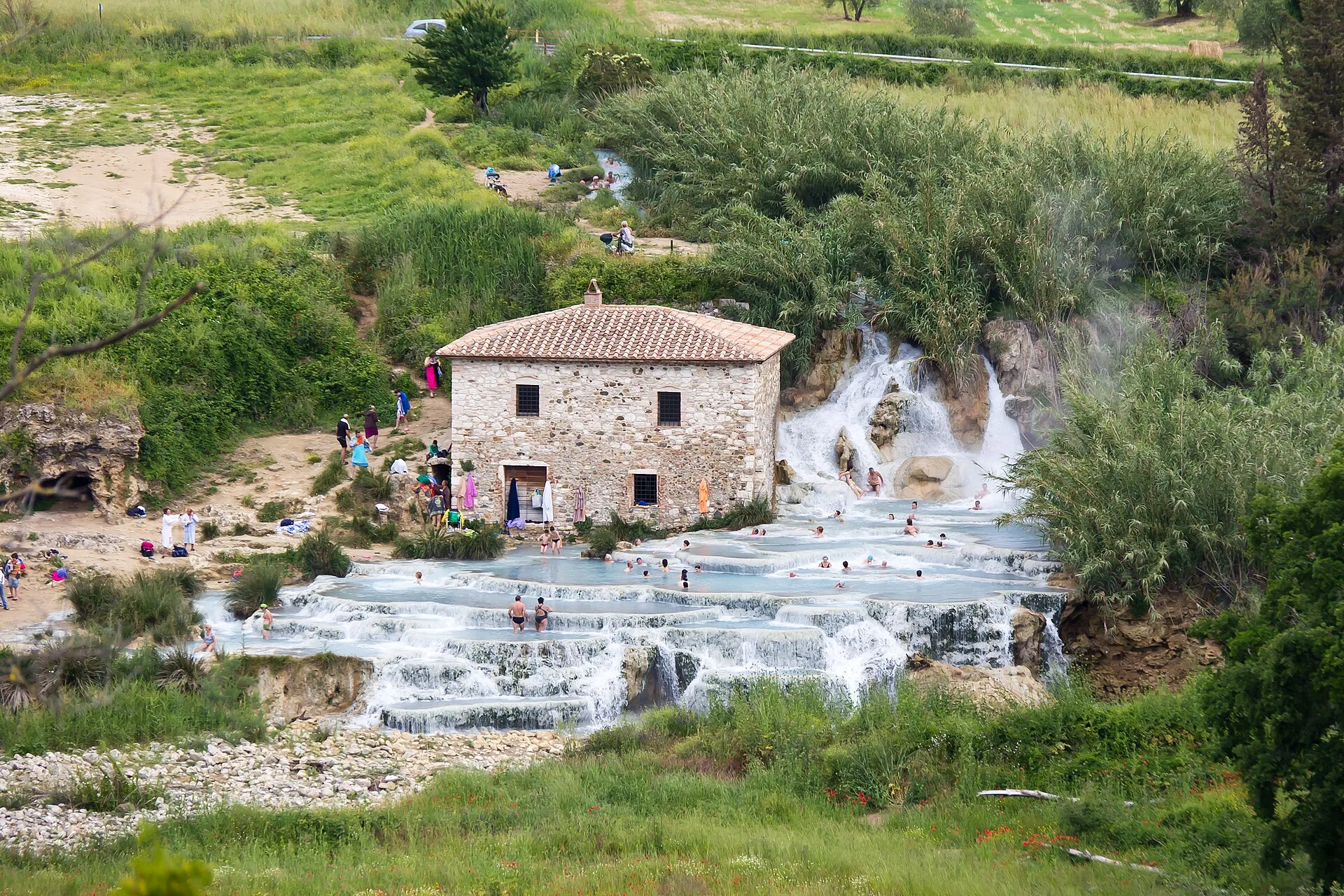
At Cascate del Mulino, the water flows down a series of tiers in front of an old stone mill. The irregular pools, small cascades and vegetated banks make this a very different bathing spot from an urban swimming pool. The Terme di Saturnia website describes these waterfalls as free to access and free of charge. That applies to access to the waterfalls; transport, parking and any services you use must be planned and paid for separately.
It’s important to distinguish this place from the paid facilities at Terme di Saturnia. The same thermal water system runs through the area, but a Day SPA ticket gives you access to the establishment’s own facilities and services. You can book a day package without staying at the hotel. The choice therefore depends on the level of comfort you’re looking for: bathing outdoors in a natural setting or spending a day organized around pools, services and, depending on the package, treatments.
For the waterfalls, pack a simple bag: swimsuit within easy reach, towel, drinking water and dry clothes. A waterproof pouch protects anything you need to keep close at hand. Any footwear you use on the banks should be appropriate for the terrain and local guidance; take care where you place your feet in the pools. Check that there’s a practical way in and out before settling down, especially if you’re with someone who has difficulty keeping their balance.
We would include Saturnia in a stay in the Maremma or southern Tuscany, with accommodation close enough to keep your plans flexible. Arriving in daylight helps you get your bearings and assess the terrain. A short swim followed by a return to your accommodation may be more enjoyable than a long day whose entire itinerary depends on finding space by the pools. Following this advice does not require any additional affiliate offer.
Beppu, from the Hells to the onsen
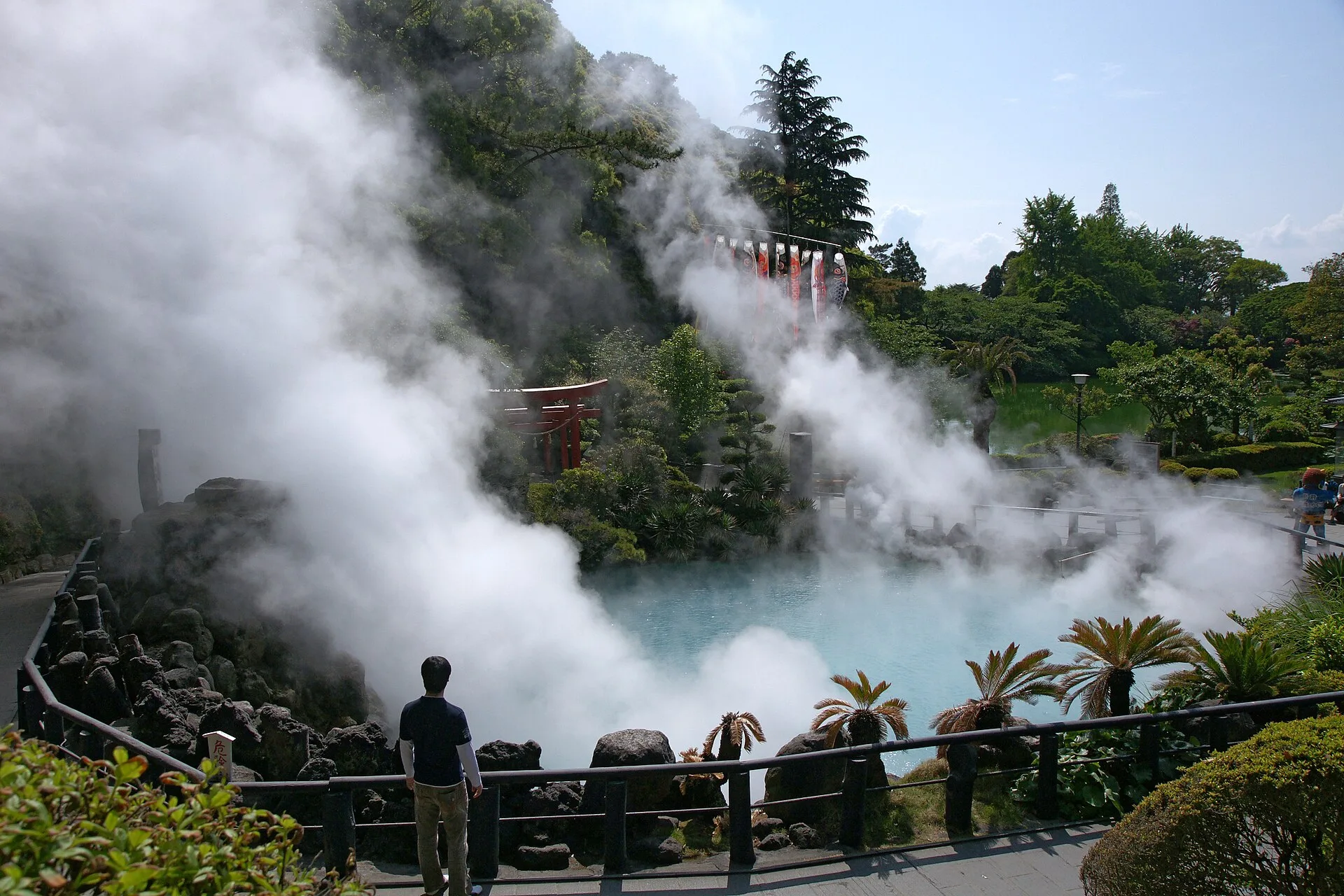
In Beppu, the first choice is to separate geothermal sightseeing from bathing. The seven “hells,” or jigoku, are visitor attractions: the blue waters of Umi Jigoku, the boiling mud of Oniishi Bozu, the red pool of Chinoike, and the geyser at Tatsumaki showcase several visible manifestations of underground heat. You can observe them from the designated areas. Their temperatures mean you must stay on the authorized paths.
The Ōita tourism office groups five of these sites in the Kannawa area; Chinoike and Tatsumaki are in another cluster, about three kilometers away. It estimates three hours to visit all seven and recommends setting aside a day if you also want to stroll through the neighborhood and have a meal. To plan your stop, allow time to travel between the two groups, then set aside a separate slot for a proper onsen.
You can also choose a few of the hells and spend more time exploring Kannawa. There, steam is used for jigoku-mushi cooking: food is placed in baskets and cooked using geothermal heat. This everyday use adds depth to the visit after you have seen the pools. Foot baths are available at several sites; bring a small towel if you want to enjoy this break.
For a full immersion, choose a bathing facility afterward. The Ōita office specifically mentions Onishi-no-Yu, next to the Oniishi Bozu area, which has baths separate from the attractions you can view. Traditional public baths are generally used naked: wash beforehand at the designated stations, tie up your hair, and keep your towel out of the water. Photography is prohibited in places where visitors undress, including changing rooms.
A private bath may suit a couple, a family, or travelers who prefer to share the experience without using a communal bathing area. Some establishments also offer spaces where swimwear is required. Check this and the rules concerning tattoos with your chosen bath. Practices vary from place to place; permission at one establishment does not describe all the onsen in Beppu.
For a stop in Beppu as part of a trip to Japan, mobile data can make it easier to check bus connections and bathing instructions. The selected Airalo plan offers 10 GB for fifteen days in Japan. It requires an unlocked phone that supports eSIM. Also download important information for offline use: keep your phone put away while bathing.

Airalo
Japan: 10 GB eSIM for fifteen days
To check buses and bathing instructions during a stop in Beppu on a trip to Japan: 10 GB for fifteen days, with an unlocked phone that supports eSIM.
Pamukkale and the ancient city
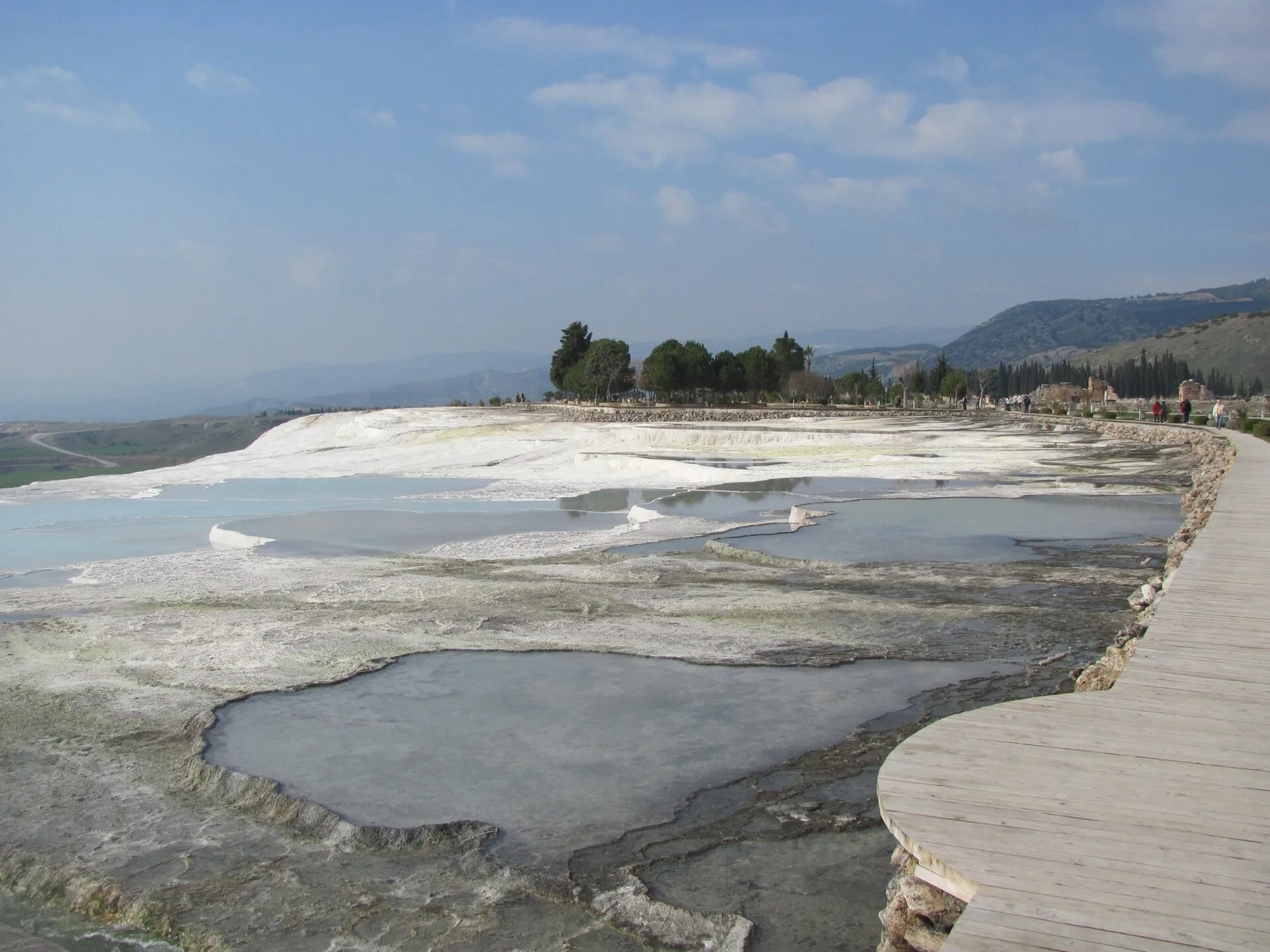
At Pamukkale, the white travertine terraces signal a landscape-focused visit. Thermal water has formed limestone deposits in terraces; GoTürkiye notes that these formations are protected. Follow the route according to which areas are open and the instructions on site. Do not plan your stay around the assumption that you can freely bathe in every pool visible in a photograph.
The visit also includes Hierapolis, in the same complex. The Turkish Ministry of Culture describes its theater, gates, streets, and necropolises, among other features. We would set aside several hours to visit both areas, with good shoes for the archaeological sites and sun protection. This is a planning suggestion: the time needed depends on which areas you want to explore and how comfortable you are walking.
The ancient pool, often called Cleopatra’s Pool, is a separate admission to look into. When we checked, the ministry’s listing said it was open to visitors. Before choosing a ticket or excursion, check the opening status for your dates, the bathing conditions, and exactly what is included. A program mentioning this pool is not enough to establish whether you are allowed to swim in it.
An overnight stay near Pamukkale or Denizli gives you more flexibility in planning your visit than a distant excursion where travel takes up a large part of the day. If you are setting out from a coastal resort, compare the total travel time with the time actually allocated to the site, as well as any additional stops on the itinerary. For a trip focused mainly on bathing, also look into nearby thermal facilities rather than expecting a full spa experience on the travertine terraces.

The season and pace
Hot water makes it possible to visit thermal facilities at different times of year, but the weather affects how you approach the bath, leave it, and walk around the area. For a winter stay in Budapest, the main consideration is moving between indoor and outdoor spaces. At Saturnia, rain and the condition of the banks matter more for a wild swim. In both cases, keep dry clothes somewhere easy to reach.
In Beppu, schedule the hells and the bath at different times: you can adjust the outdoor itinerary depending on the weather, then head to your chosen establishment. At Pamukkale, consider how long you will be walking in the open and how much daylight you will have for Hierapolis. Spring and fall are good options for combining these visits with other activities, but they are no guarantee of good weather or fewer crowds.
How many baths to take is also a matter of pace. A short first session lets you see how you respond to the heat. Take breaks and drink water, and get out if you feel unwell. If you are pregnant, have an illness, or take medication that could make the heat a problem, seek appropriate medical advice and check the facility’s admission rules. A thermal stay is not a substitute for prescribed medical care.
Budget and what to pack
Compare the cost of the whole day: round-trip transport, site admission, a separate bath if applicable, storage for your belongings, towels, and meals. In Budapest, a private cabin can be useful, but you do not need to get one per person. In Beppu, admission to the hells and entry to the onsen are separate visits. At Pamukkale, check whether the ancient pool is listed among the inclusions. The prices of the selected offers appear on the cards, in their actual currencies.
What you pack depends on the bath. For Széchenyi, bring a swimsuit, towel, and clean sandals; a swim cap is required in the swimming pool, but not in every pool. For a traditional Japanese onsen, check whether towels are provided and keep the small towel out of the water. For wild waterfalls, bring something to protect and carry your wet belongings. A small bag makes changing easier and keeps the area around the bath from turning into a storage space.
FAQ
Which thermal springs are free?
Terme di Saturnia describes the Cascate del Mulino as free to visit. Access to these waterfalls is separate from the establishment’s paid pools and Day SPA packages. Still, plan for transport and any services you use on site. The hells in Beppu and Széchenyi each have their own admission tickets.
Can you bathe in the Beppu hells?
The pools at the hells are for viewing. Umi Jigoku, for example, reaches 98 °C. Some sites have designated foot baths, and you can choose a separate onsen for immersion. Distinguish between these three activities before booking: geothermal sightseeing, a foot bath, and a bathing facility.
Does Széchenyi Baths admit children?
Ordinary visitor admission is limited to people aged fourteen and over, including for the outdoor pools. The official FAQ mentions a special medical procedure for some younger children; this is not a family leisure option. If you are traveling with young children, look for a facility explicitly suited to their age group.
Do you need a swimsuit in Japanese onsen?
Nudity is customary in traditional baths, after washing. Private baths and some spaces where swimwear is required offer alternatives. Choose a facility whose rules match your preference; also check its conditions regarding tattoos. The small towel must not be dipped into the bath water.
Can you swim freely at Pamukkale?
The travertine terraces are protected, and access depends on the authorized routes. The ancient pool has its own admission and bathing conditions. The ministry’s listing showed it as open when we checked; verify its status and the required ticket before traveling. Also set aside time for Hierapolis, which is a major part of the visit.
Which destination should you choose if you don’t have a car?
Budapest is the easiest choice for including a bath in a city stay, with the M1 metro to Széchenyi fürdő. In Beppu, buses make it possible to visit the hells; allow time for connections between their two areas. For Saturnia and Pamukkale, first check transport options from your accommodation before choosing a time for the bath or site.
How much time should you allow on site?
We would set aside half a day for Széchenyi, including changing and breaks. In Beppu, the Ōita tourism office recommends about three hours for the seven hells, more if you include the neighborhood and a separate bath. At Pamukkale, allow several hours for the scenery and Hierapolis. At Saturnia, staying nearby makes it easier to adjust your bathing time.
Sources and checks
Plan your visits and check current conditions.
- The Széchenyi pools
Budapest Spas · Accessed November 2, 2026
What this source supports
Different pool temperatures and purposes; access by public transport.
- Official Széchenyi FAQ
Budapest Spas · Accessed November 2, 2026
What this source supports
Minimum age for tourists, locker and cabin, QR code, equipment and ticket conditions.
- The Saturnia waterfalls
Terme di Saturnia · Accessed November 2, 2026
What this source supports
Cascate del Mulino are free to access and free of charge, distinct from the thermal establishment.
- Hot Spring Pools
Terme di Saturnia · Accessed November 2, 2026
What this source supports
Pools, services and Day SPA access without an overnight stay.
- Beppu Jigoku Tour
Ōita Prefecture Tourism Information · Accessed November 2, 2026
What this source supports
Seven Hells; Umi Jigoku at 98 °C, areas about three kilometers apart, full visit around three hours; baths are separate.
- Japanese Onsen: A Traveler’s Guide
Ōita Prefecture Tourism Information · Accessed November 2, 2026
What this source supports
Washing, customary nudity, small towel kept out of the water, photos prohibited in baths and changing rooms, private alternatives and swimsuits.
- Hierapolis Pamukkale Travertine Archeological Site
Ministry of Culture and Tourism of Türkiye · Accessed November 2, 2026
What this source supports
Archaeological complex; the ancient pool was listed as open to visitors at the time of consultation, with no guarantee for a future visit.
- Touch Pamukkale
GoTürkiye · Accessed November 2, 2026
What this source supports
Protection of the travertine formations.
- Japan eSIM
Airalo · Accessed November 2, 2026
What this source supports
10 GB/15-day data plan for Japan; central price from the catalog in USD, not converted from the localized page.
- Széchenyi ticket on Viator
Viator — Partner API Basic · Accessed November 2, 2026
What this source supports
Product 5808SZECHENYI ACTIVE; admission with a cabin or locker depending on the option, excludes towel, meals and transfers, massage not included; prioritize official information in case of discrepancies.
Booking partners
Information about the offers featured in this article.Affiliate links: Odyvero may earn a commission when you book through this article’s buttons.
- Airalo : Japan: 10 GB eSIM for fifteen days
Accessed November 1, 2026
- Viator : Széchenyi: entry with locker or cabin
Accessed November 2, 2026


