 odyvero
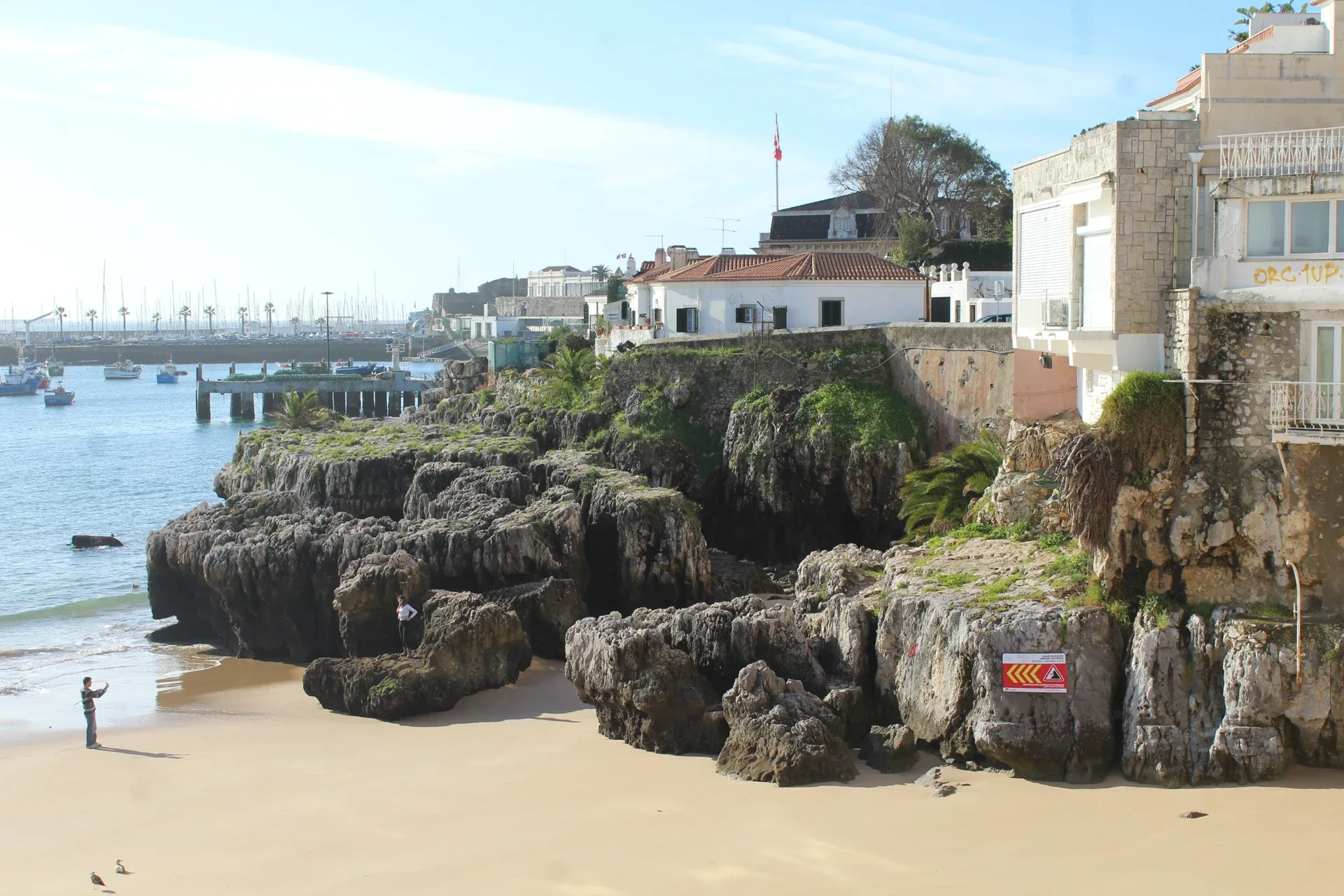
A lunch chosen without compromise, an hour in front of paintings, a walk cut short because you like a place: traveling alone gives your preferences room again. “Solo dating” means giving these moments the attention of a date. Here’s how to shape a getaway around what you want, using Cascais as a test case, without filling every day or expecting the trip to transform you personally.
What solo dating means
In this guide, solo dating means arranging a moment for yourself: you choose an activity, set aside time for it, and decide to enjoy it alone. When traveling, this approach gives small desires—often pushed aside in favor of group visits—a place of their own. You can spend an afternoon in a museum without negotiating when to leave, have an early lunch, or return to the same place twice.
The word “dating” may suggest a romantic encounter. Here, no app, partner, or relationship status is needed. Someone in a relationship may enjoy a few days alone; someone who is single may prefer a shared activity during their stay. The question is about the freedom to choose your company and your pace.
The expression does not describe a standard travel program. Instead, ask yourself what you would want to do if no one else had to approve your day. The answer may be quite ordinary: read by the water, look at drawings, have a proper breakfast. Those preferences are enough to give your stay a guiding thread.
Your preferences before the destination
On a sheet of paper, write down three things you would like to do, using concrete verbs: walk, draw, listen, taste, observe. “Find myself” is a general intention; “spend an hour drawing a landscape” helps you choose a place, materials, and a time slot. Then pick two ideas that suit your current energy, leaving the others for a future trip.
Also consider how much effort each one takes. A class involves a set time and sometimes a foreign language. A walk calls for suitable weather and terrain. A museum offers an indoor setting, with its own closing days. You can enjoy an activity while still preferring a simpler version of it on this getaway.
Cascais is a useful example: its tourism office brings together beaches, museums, and gardens, with a rail connection from Lisbon. This range of options close together makes it possible to change your plans without changing destinations. Apply the same reasoning close to home: an accessible town and one specific thing you want to do may be enough, even without a long journey.
A meal for one
A meal chosen for yourself starts before you walk through the restaurant door. Look for a menu that appeals to you, its price range, and its service hours. That reduces the decisions you need to make once you’re seated. If your first solo dinner feels daunting, lunch can be an easier introduction to the experience, with more daylight for the journey back.
Ask for a table that suits you: by a window, on the terrace if the weather allows, or in an area where you feel comfortable. You can simply say that you’re dining alone. For a specific restaurant or a particular service, making a reservation means you won’t have to search for several places when you get hungry.
During the meal, choose what you genuinely feel like trying and notice your own pace. A book or notebook can keep you company while you wait; you can also watch the room. Your phone is there if you want it, but you don’t have to fill every pause. If you have an allergy, tell the staff directly before ordering. The peace of the moment also depends on these practical details.
An artwork viewed at your own pace
In Cascais, the Casa das Histórias Paula Rego offers a starting point for a cultural date. Designed by Eduardo Souto de Moura, the building is recognizable by its two red towers. Its program brings together the work of Paula Rego, that of Victor Willing, and temporary exhibitions. What’s on in the galleries therefore depends on the date you choose.
For a visit of your own, you can select a few works and spend time with them rather than trying to comment on everything. First look at what draws your attention, then read the wall label. A color, a character, or a compositional detail might become the subject of a note. You don’t need specialist knowledge to notice what interests you.
The managing foundation lists its usual opening days as Tuesday to Sunday, with occasional closures. Check its information for your chosen day, especially around a public holiday. Then plan a break: continuing to reflect over a coffee lets the images sink in without immediately adding a second museum. This way, the visit remains a complete experience, with an entrance and an exit of your choosing.
An observational walk
A solo walk can have a very simple subject: façades, changes in the light, boats, or the sounds of the shore. Having a subject helps you look around without turning the outing into a performance challenge. Choose an area and a way back before setting out; then you can stop without constantly watching a distance target.
In Cascais, the areas around the bay and Santa Marta offer distinct visual landmarks. The blue-and-white lighthouse, with its red lantern, for example, makes a good subject for a sketch or photograph. One worthwhile stop is enough for this walk. Rainha Beach, shown at the beginning, offers another perspective on the relationship between sand, rocks, and houses.
Boca do Inferno is an option for observing a more exposed landscape. The local tourism office describes a rock formation open to the ocean and a coastal path from the center. Stay on authorized routes and adapt your outing to the conditions. If there are strong winds or closure notices, an indoor visit is an easy alternative to this walk. The seafront calls for care even on a short outing.



Time without obligations
A free time slot is easier to make use of when it has a few boundaries. You might decide to spend the late afternoon near your accommodation, with a book and the option to head back. You then know where you are, how to return, and what remains available, without having to schedule every quarter of an hour.
Distinguish this time from your travel buffer: an hour set aside to get to the station helps you leave without rushing; an hour you actually have free can be used for a break. When planning, reserve a full block after your main activity instead of scattering a few minutes between several appointments. You will have a better sense of what you feel like doing when there is no next ticket or booking pressing you for time.
You can also choose to disconnect partially. Download your map and confirmations, agree on a time to check in, then turn off notifications that interrupt your attention. Keep the means to contact someone close to you or find your way back. European roaming may already meet your needs in Portugal, depending on your plan and its fair-use rules; check them before buying an additional connection.
Availability for others
Before you leave, tell your loved ones what this time away will look like. You can say when you will check in and explain that you will check group conversations less often. This helps avoid discovering different expectations once you are there: some people may imagine a call every evening, while others expect only a message when you arrive. A simple agreement reduces interruptions and worries.
If you are travelling during time off, also prepare for your work absence before you leave: set an automatic reply, arrange cover for emergencies, and turn off notifications where possible. Personal time can easily lose its place when every break is spent catching up on messages. If you are self-employed or on call, a clearly defined work period may sometimes be more realistic than being available all the time.
While you are there, keep your transport and return plans independent of any meet-ups. You can enjoy a conversation without agreeing to extend the evening, and suggest another time if you would rather rest. The same principle applies to digital requests: replying later can be part of your plan. Being mindful of the commitments you have made leaves more room for the people you genuinely want to see or call, at a time that suits you.
A shared outing at sea
Spending time on your own can also make you want to listen to a guide and share an observation. For this stay in Cascais, a group outing at sea offers a time-limited activity, with departure and return at the same place. You can then go back to your independent days without having to join a multi-day tour.
The selected dolphin-watching activity departs from Cascais Marina. The listing specifies a two-hour trip and a shared group of up to twelve travellers; one person can book. The advertised languages are Portuguese, English, and Spanish. Safety equipment and a windbreaker are listed among the inclusions. Confirm the exact meeting point on your booking.
Choose this outing if you are genuinely interested in wildlife watching and enjoy being on a boat. An encounter with dolphins is not guaranteed, and departure depends on conditions. Keep another activity as an option for that day, especially on a short trip. The card shows the price, currency, and reviews collected for the offer; select your date to see the options available at booking.

Viator
Dolphins departing from Cascais
A two-hour group outing to watch wildlife from Cascais, before returning to your own plans; commentary in Portuguese, English, or Spanish.
- 2 h
- 5/5 (37 reviews)
Two-hour group outing departing from the marina, with up to twelve participants; English, Portuguese, or Spanish. Safety equipment and a windbreaker included; sightings are not guaranteed.
Cancellation policy
For a full refund, cancel at least 24 hours before the scheduled departure date.
From €65.00
View activityTwo days in Cascais
To try this pace, plan two full days there, with the necessary nights and travel time around them. This is a suggested way to organise your time. It leaves room for several different experiences without spending most of the getaway arriving and departing. If the journey from home is long, a closer destination will preserve more free time.
On the first day, you could combine a leisurely breakfast, a walk around the bay, and a lunch spot chosen in advance. In the afternoon, fit in Casa das Histórias if it is open and you feel like visiting. Leave the evening free: you can return to a place you enjoyed or have dinner near your accommodation, depending on how tired you are.
The second day could include the boat trip, if you decide to book it, followed by a break before a walk around Santa Marta. Without a boat trip, spend the morning on your own project: photography, reading, drawing, or simply returning to the shore. This gives you two credible versions of the day, without needing to book an activity for every free period.
From Lisbon, look up the Cascais Line departing from Cais do Sodré and check that day's timetable. Once there, staying near the places you have chosen will reduce travel. When choosing accommodation, also check reviews for noise and arrival arrangements: sleep matters especially when you want to slow down.
The budget for the moments you choose
Divide your spending into two groups: the costs required for the stay and the moments you want to spend money on. Transport, nights, and usual meals belong in the first. A boat trip, a visit, or a special meal belong in the second. This will show you whether your budget is serving what you want or mostly paying for changes of location.
Set a maximum amount for each paid outing before booking. An enjoyable moment can also be free: a walk, reading a book you already brought, or a drawing session does not require a daily purchase. More convenient accommodation may be more valuable for your stay than a second excursion.
For the group activity, check the total price for one traveller. For the room, compare the amount for the entire booking, including taxes and conditions. You can pay to keep your privacy without choosing a private service for every outing. A few decisions made before you leave are enough to avoid repeating the same calculations at the restaurant or for every activity suggestion.
Rain, tiredness, and boredom
A stay centred on your preferences should be able to change when those preferences change. If you no longer feel like going for a walk, move your plans closer to your accommodation. If you feel like talking, choose a lively place or contact someone. You can reconsider a booking under its stated terms, or move a flexible activity, without having to justify your decision to a travel companion.
Prepare two specific alternatives: an indoor visit whose opening hours you have checked, and a place where you can take a break. In Cascais, the cultural programme is one option for rainy days. In winter, build your day around the available daylight and coastal conditions, without making swimming a compulsory part of the plan. A sunny photograph does not describe the weather during your stay.
A spell of boredom may simply mean you feel like doing something else. You do not have to fill it immediately or prolong a period of solitude that is becoming difficult. If distress persists, lean on people close to you and, depending on the situation, a healthcare professional. A leisure trip is not a substitute for support you need.
Preferences to take home
When you return, write down two or three concrete observations. When did you feel you had time to yourself? Did you prefer eating alone, visiting a cultural site, or going on a shared outing? What detail made a day easier? A specific answer will be useful for your next trip as well as for a Sunday at home.
You can keep one of these appointments in your usual routine: a lunch, an hour at a museum, or a walk in a neighbourhood you do not know well. The trip gave you a chance to try it in a different setting. You will also have a better sense of how much company you want, without having to choose once and for all between a solo holiday and a holiday with others.
FAQ
What does solo dating while travelling mean?
Here, it means planning moments for yourself with particular care: choosing an activity you want, setting aside time for it, and experiencing it alone. This could be a meal, a cultural visit, or a walk. The phrase does not refer to a standard tourist service; check the exact details of each booking rather than relying on a package that carries only this label.
Do you have to be single to travel this way?
No. Your relationship status does not determine the value of spending time alone by choice. You can take a short getaway while in a relationship, or set aside half a day for yourself during a shared holiday. Agree on the time you will spend together and when you will check in, so everyone knows the plan.
How can you eat alone without spending the whole meal on your phone?
Choose an address whose location appeals to you and a time you feel comfortable with. Lunch can be a simpler way to start. Keep a book or notebook with you if it helps while you wait, then give your attention to the meal. You can check your phone when it’s useful to you; no rule requires you to disconnect completely.
How many days should you set aside for this getaway?
Two full days are one possible trial, with the necessary travel and overnight stays added. Even a single day close to home lets you try a meal and a solo activity. For a long-distance trip, spend more time at your destination or choose somewhere closer, so the journey isn’t dominated by transfers.
Is a wellness retreat necessary?
You can put these moments together with ordinary accommodation and activities booked separately. A retreat is a good fit if you’re specifically looking for its program, guidance, and services. If so, compare the actual schedule, meals, classes, and free time. Solo dating is mainly about making room for what you want; it doesn’t require a spa or a residential stay.
Can you take part in a group activity?
Yes. A shared outing can provide structure and opportunities to talk for a set amount of time. The one featured in Cascais accepts bookings for individual travelers, with commentary in Portuguese, English, or Spanish. Choose it because you’re interested in the sea and wildlife. The rest of your stay can remain entirely independent.
Is Cascais suitable outside the summer?
Cultural visits and walks suited to the conditions make it possible to consider a getaway there outside the beach season. Check the museum’s opening hours, the weather, coastal guidance, and boat departures. In rainy or windy weather, make more room for indoor activities and breaks. The suggested itinerary doesn’t assume you’ll go swimming.
What should you do if being alone becomes difficult?
Adjust your day: a phone call, a meal somewhere lively, or a shared activity may suit you better. You can also head home early. If your distress persists or worsens, seek support from someone close to you and a professional suited to your situation. You don’t have to prove anything about yourself by the end of this trip.
Sources and checks
Plan your visits and check current conditions.
- Visit Cascais: overview
Visit Cascais · Accessed November 2, 2026
What this source supports
Beaches, museums, parks, and gardens in Cascais.
- Living Cascais: access and heritage
Visit Cascais · Accessed November 2, 2026
What this source supports
CP train connection from Cais do Sodré; museums are available.
- Casa das Histórias Paula Rego
Visit Cascais · Accessed November 2, 2026
What this source supports
Architecture by Eduardo Souto de Moura, red towers, Paula Rego and Victor Willing, temporary exhibitions.
- Casa das Histórias: practical information
Fundação D. Luís I · Accessed November 2, 2026
What this source supports
Usually open Tuesday to Sunday; occasional closures; programming varies.
- Boca do Inferno: coastal scenery
Visit Cascais · Accessed November 2, 2026
What this source supports
Rock formation, viewpoints, and coastal route from the center.
- Roaming: using a mobile phone in the EU
European Union — Your Europe · Accessed November 2, 2026
What this source supports
Roaming at domestic rates subject to conditions and fair-use policy.
- Cascais: dolphin watching, product 429725P1
Viator — API Partner Basic · Accessed November 2, 2026
What this source supports
ACTIVE product listing rechecked via API: 120 minutes, booking available for one person, shared group of up to twelve, Portuguese/English/Spanish, safety equipment and windbreaker, sightings not guaranteed.
Viator — activity pages
Information about the offers featured in this article.Affiliate links: Odyvero may earn a commission when you book through this article’s buttons.
- Viator : Dolphins departing from Cascais
Accessed November 2, 2026


