 odyvero
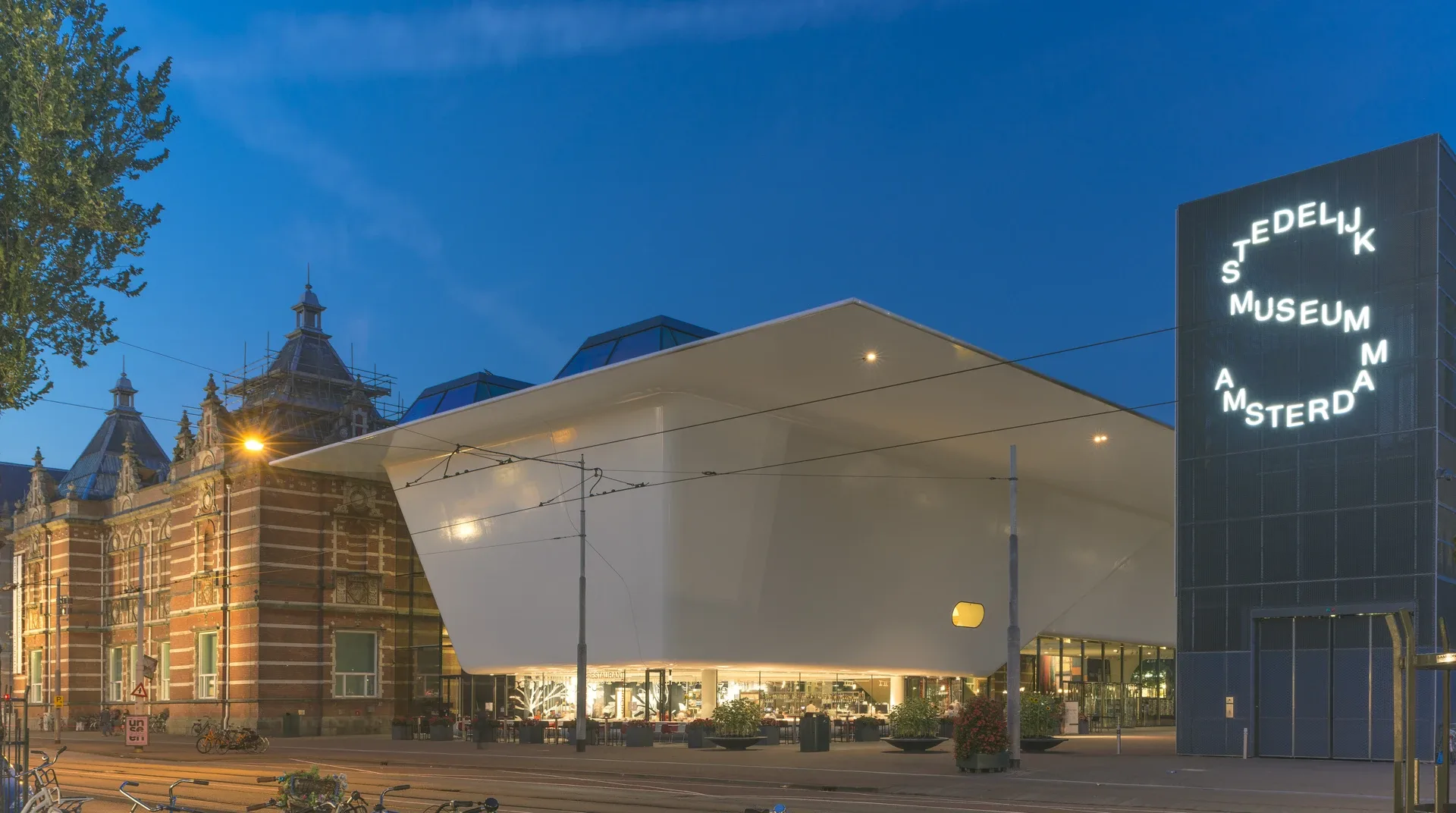
The Yayoi Kusama retrospective at Amsterdam’s Stedelijk runs from September 12, 2026, to January 17, 2027. For a short autumn or winter stay, it provides an anchor around Museumplein, with the Rijksmuseum as a complement. In Venice, the Marina Abramović exhibition closed on October 18: here’s how to choose your art trip based on the actual schedules.
Kusama’s dates
Amsterdam hosts the final stop of a European retrospective that traveled through the Fondation Beyeler near Basel, then the Museum Ludwig in Cologne. The latter, a co-organizer of the exhibition, confirms the Stedelijk dates: September 12, 2026, to January 17, 2027. The run therefore covers autumn, the year-end holidays, and the first weeks of January. A trip in 2027 is still possible, provided you aim for the first half of the month.
The schedule helps compare destinations without relying on an outdated announcement. The Cologne stop ended on August 2, 2026. The Fondation Beyeler stop had ended on January 25. For this touring retrospective, Amsterdam is now the destination to consider. An old ticketing page or a photograph taken in Germany is not enough to establish what you will be able to see in the Netherlands.
We recommend two nights in Amsterdam so you can set aside a proper half-day for the Stedelijk, plan a second museum, and still have time outdoors. With just one night, focus your stay on Kusama and a walk. These durations are planning suggestions: above all, they help you avoid making the exhibition dependent on arriving by train or plane that same morning.
The exhibition’s closing date does not indicate the museum’s daily opening hours. For Christmas, New Year’s, or the final weekend, check the booking calendar for your chosen day. If Kusama is the reason for the entire trip, confirm your admission before booking non-refundable transport or accommodation. Also leave time to get to the museum, check your coat, and start your visit without rushing.
The work behind the dots
The dots, pumpkins, and mirror rooms make Yayoi Kusama’s world instantly recognizable. A retrospective offers a chance to understand how these forms fit into a much broader body of work. The Museum Ludwig’s official presentation describes a practice spanning drawing, painting, sculpture, installation, fashion, performance, and literature. This variety provides a useful framework for looking before your trip.
Repetition is a particularly accessible thread to follow. In front of a painted surface or a group of objects, notice what repeats, the scale of the motif, and the space left for the viewer’s gaze. A small unit can fill an entire field of vision; a familiar object can become difficult to recognize when covered. You can follow these transformations without already knowing the names of art movements. The dates and materials of the works then provide reference points for looking more closely.
The artist’s life also spans several cultural contexts. The Museum Ludwig recalls her departure from Japan for New York in the late 1950s, her actions amid the protests of the era, and her return to Japan in 1973. These moves shed light on the diversity of her work. They make it possible to connect images widely circulated today with a history of creation, activism, and writing that spans several decades.
To prepare for your visit, choose two or three questions rather than a list of photographs to recreate: How does repetition change a surface? What role does the viewer’s body play? What happens to the same motif when it moves from painting into space? You will then have points of comparison between the galleries. Photographs can preserve the memory of a detail without deciding for you what deserves your attention.
The retrospective’s stops
A touring exhibition retains a shared concept while changing buildings and displays. The David Zwirner gallery documents the collaboration between the Fondation Beyeler, Museum Ludwig, and Stedelijk. Each stop nevertheless has its own context. Available space, loans, and installations may differ; the shared poster does not make the three visits interchangeable.
The Museum Ludwig notes, for example, that several large installations shown in Cologne were not part of the Basel stop. This is a reason to check the source of images carefully. A view of the Cologne terrace or a gallery in Switzerland documents that specific stop. It does not establish that the same work will be in Amsterdam. If you are choosing an exhibition because of a particular installation, look for confirmation that it is included in the Stedelijk program.
The same reasoning applies to numbers. The number of works announced for one city does not automatically carry over to the next. The appeal of this trip lies in the confirmed retrospective and the opportunity to discover Kusama’s work over time. Before traveling to see a particular mirror room, check its name, availability, and any access arrangements specific to that installation.
This preparation is useful even if you are new to the artist. It lets you look at the works actually on view with curiosity, rather than judging the entire visit against an image you saw on social media. Set aside enough time for paintings and documents as well as immersive spaces. A less-photographed gallery may provide the context that makes the next one much more interesting.
The Stedelijk ticket
The selected Viator ticket provides access to the Stedelijk, its permanent collection and temporary exhibitions, subject to the inclusions listed on its page. It is for a self-guided visit, without an accompanying guide. Entry is advertised as flexible during opening hours on the date you select. When choosing your date, check the conditions shown for Kusama and any access arrangements for her installations.
Pay close attention to the language options. The listing advertises an English and Dutch audio guide for all covered areas, while French is listed for the permanent collection. Keep this distinction in mind when planning your Kusama visit. If French commentary for the exhibition is essential to you, confirm that service before purchasing; the general “French” option in a language selector may refer to the collection.
The provider gives an indicative duration of one to one and a half hours. If you are travelling specifically for the retrospective, we would allow half a day for the museum and its surroundings. That gives you time to look, take a break and account for any queues inside. This is a suggested pace, not an indication that a specific time slot is imposed for any installation.
The card below lets you check the price of the main offer and its booking conditions. Compare the total for your group, the date and the inclusions with the museum’s official ticket office. General admission, a guided option and access subject to a time slot involve different arrangements. The right choice is the one that lets you see the exhibition you want under the conditions that matter to you.

Viator
Stedelijk Amsterdam: admission to the museum and temporary exhibitions
A self-guided ticket to centre your stay on the Stedelijk and its exhibitions. Check the Kusama arrangements for your date; French is listed for the permanent collection.
- 60 to 90 minutes, indicative duration
- 3.7/5 (271 reviews)
Self-guided visit to the Stedelijk, with the permanent collection and temporary exhibitions as specified in the ticket inclusions. French audio for the permanent collection; English and Dutch for the other sections listed. Check the arrangements for Kusama on your chosen date.
Cancellation policy
For a full refund, cancel at least 24 hours before the scheduled departure date.
From €22.50
Buy a ticketTwo days around Museumplein
For a two-night stay, make Kusama the focus of your first full day. Starting your stay at the Stedelijk leaves you the option to continue a discussion, revisit your impressions or choose a second museum with a clearer idea of what you want. Plan lunch after your visit rather than squeezing in another reservation. The time is for looking as well as taking in what you have just seen.
Museumplein brings several institutions close together. This makes getting around easier, but each museum calls for a different kind of attention. After a dense retrospective, a walk around the neighbourhood may be enough. Depending on your energy and the weather, you can take in the façades, cross the square and make your way to the canals. In autumn and winter, save some daylight hours for exploring outside.
On the second day, choose between the Rijksmuseum and a more relaxed morning. If you are leaving in the afternoon, first check where you can leave your luggage and when you need to head to your transport. A booked visit should fit the time you actually have, including the return journey. We would avoid adding a third major museum to this two-night itinerary: each additional admission cuts into your time to look at the others.
With three nights, spread out the pace even more. One day can focus on Kusama, another can combine old-master painting with a walk, and the last can be spent freely in a neighbourhood of your choice. This flexibility also helps when one person in your group enjoys immersive installations while another prefers paintings. Everyone gets a moment suited to their interests, without having to fit two intensive visits into one day.
The Rijksmuseum as a complement
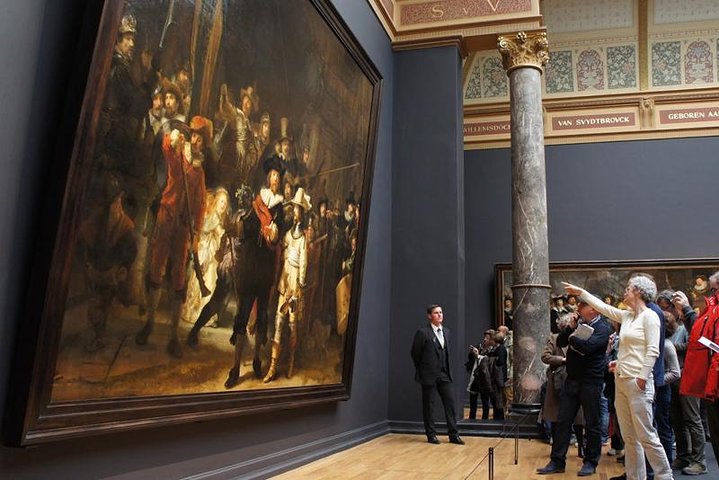
The Rijksmuseum offers a different relationship to images, material and storytelling. Its official website features works by Rembrandt, Vermeer and Frans Hals, among others, in a collection devoted to the art and history of the Netherlands. After Kusama, a visit lets you compare how different artists construct a surface, direct the viewer’s gaze and give presence to a body or an object.
This pairing works especially well for a first cultural trip to Amsterdam. You can devote one visit to an artist’s work and the other to a selection spanning several centuries. Avoid looking for an equivalent to every work: the techniques, uses and contexts differ. A few shared questions about light, space or scale are enough to spark conversation between the two days.
The Rijksmuseum guided option featured here includes admission and a tour advertised as lasting two hours. A private option in French is available; select that option explicitly if you want this accompaniment. The product also includes an English-language variant with other participants. Group composition and language are therefore part of the choice, just as much as the price shown at the outset.
This option suits you if you want someone to structure the visit and put the paintings in context. For a self-guided visit, the Rijksmuseum also offers a free app with audio stories. The museum requires you to book a start time and states that it is open daily from 9 a.m. to 5 p.m., including public holidays. Arrange this admission separately from your Stedelijk ticket; neither ticket covers the other museum.
Viator
Rijksmuseum: private guide, with French available
To put Rembrandt and Vermeer in context after Kusama, explicitly choose the private French-language option. Admission and guided tour included; make your own way to the meeting point.
- 120 min
- 4.9/5 (541 reviews)
Two hours, with admission included. Choose the private option and French-language service for an exclusive tour.
Cancellation policy
For a full refund, cancel at least 24 hours before the scheduled departure date.
From €99.00
View activityAccommodation and getting around
For this itinerary, start by looking at accommodation that makes it easy to get to Museumplein. Staying in the museum district makes it straightforward to reach the planned visits, while a more central location may suit you better if evenings by the canals are a priority. Compare the exact address with your arrival route. Two places both described as being “in Amsterdam” can make for very different days.
You do not need to stay near the museum if the connection works for you. Still, check the transfers, the final walking distance and whether you can get back after dinner. If you have luggage or someone in your group needs help walking, a direct route may be worth more than a small saving on the room. Ask about the accommodation’s access arrangements if stairs or a lift affect your comfort.
A car offers no advantage for a stay built around museums and city walks. If you arrive in your own vehicle, factor parking into your accommodation comparison before choosing. For getting around, favour walking and public transport, depending on where you are starting from. Check the actual route rather than assuming it will be easy based on straight-line distance.
In winter, bring rain-appropriate clothing and a layer you can take off indoors. You will alternate between time outside and slower-paced galleries. Plan a chance to sit between visits too, if standing tires some members of your group. If you have a specific accessibility need, ask the museum about the exhibition areas concerned and plan your visit with your companion.
Visiting with children
Repeating forms offer an easy way to start looking at Kusama as a family. Ask a child to spot a motif, then find how it changes in another work. You can compare what changes when the colour, material or size varies. This way of visiting starts with the objects in the galleries; it does not require a prepared school-style tour or prior knowledge of the artist.
A family visit works best when it is short and flexible. Pick a few works to look at together, then decide on the spot whether you want to continue. Adults can also take turns if a child needs a break. Sort out food and anything else you need before going in, keeping the museum’s rules on bags and permitted areas in mind. An audio guide in a language the child does not understand is no substitute for an accessible conversation in front of the work.
If a visitor is sensitive to light or enclosed spaces, ask about the installations actually on display and their access conditions. The term “mirror room” alone does not describe all the effects used in a work. Explain your needs clearly to the museum before you go. That will help you choose the parts of the exhibition suited to your group and keep the rest of the outing flexible. A walk around Museumplein is easier to adjust than a second timed admission.
The cost of the trip
Start with the expenses that shape the trip: round-trip transport, two nights, admission to the Stedelijk, then optionally the Rijksmuseum, with or without a guide. Add local transport, meals, and luggage storage if needed. This breakdown highlights the choices that really change the total, rather than building a budget around the advertised starting price of a single activity.
Prices and reviews for the selected services appear on the cards, based on the main offers. Check the total for your date and party before paying. At the Rijksmuseum, a self-guided ticket and a guided tour pay for different services. A child who gets free museum admission may still count toward the price of a guide; read the conditions of the product you choose.
The move into 2027 also calls for a price check. The Rijksmuseum announces a change to the adult ticket price on its website starting that year. A price noted for November should therefore not be used automatically to calculate the cost of a January stay. Kusama’s exhibition spans both years; compare prices for your actual dates, using the same group size.
To keep costs under control, we would prioritize one well-planned main visit, followed by a leisurely walk, rather than a succession of tickets. A private guide at the Rijksmuseum is a comfort and learning option, with the cost shared across your group. You can keep the self-guided admission if it better suits your budget or preferred way of visiting. Compare accommodation and transport before adding more activities.
Venice after Marina Abramović
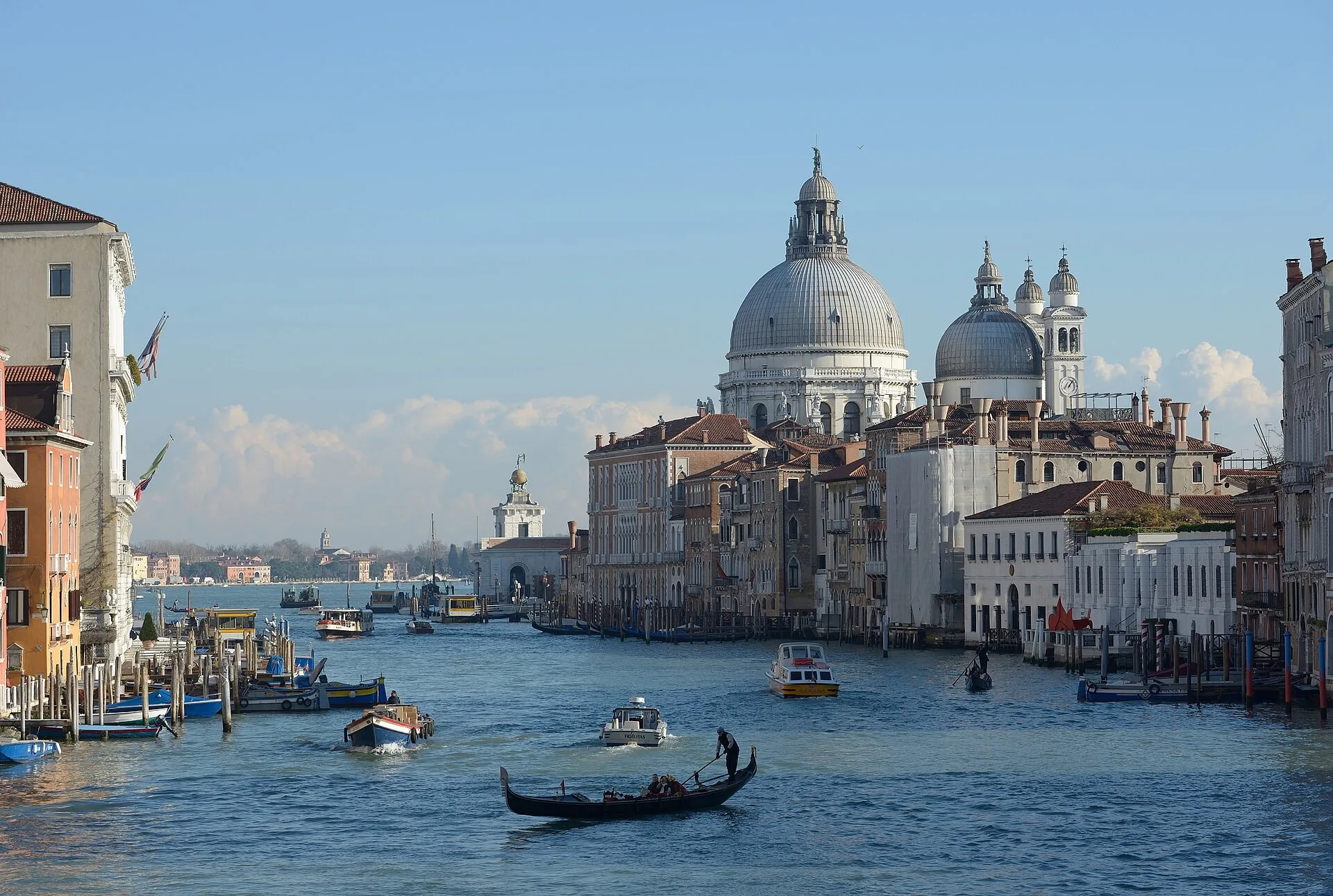
In Venice, Transforming Energy ran at the Gallerie dell’Accademia from May 6 to October 18, 2026. The museum confirms that it has closed. A trip booked for November or December can therefore no longer include this exhibition. Its calendar overlapped with that of the Biennale, which may have led the two to be grouped in travel announcements, but the events had their own dates and venues.
The exhibition, conceived by Shai Baitel with the artist, placed her works in relation to the museum’s collection. The Gallerie describe, among other things, the dialogue between Pietà with Ulay, from 1983, and Titian’s Pietà. This encounter explains what made the exhibition compelling: performance and contemporary imagery took their place in an environment shaped by Venetian painting. It remains a point of reference for understanding the artistic year 2026, but it is not an available booking.
The Biennale Arte, titled In Minor Keys and conceived by Koyo Kouoh, continues until November 22, 2026. It suits a different kind of visit: exploring several venues and discovering a wide range of contemporary practices. Our guide to the Biennale covers planning a trip to the Giardini and the Arsenale. Its ticket should not be presented as a ticket to the Abramović exhibition.
To choose what to do now, start with your reason for going. Amsterdam suits a trip focused on exploring Kusama in depth during the fall and through mid-January. Venice remains an option for the Biennale before it closes in November, with a much more spread-out itinerary. If you were specifically interested in Transforming Energy, wait for a new presentation to be officially announced rather than booking based on the completed program.


FAQ
What are the dates for Kusama in Amsterdam?
The retrospective at the Stedelijk is scheduled for September 12, 2026, to January 17, 2027. These dates are confirmed by Museum Ludwig, a co-organizer of the exhibition tour. For a trip around the holidays, also check opening days and booking requirements for your visit.
Can you still see Abramović in Venice in late 2026?
Transforming Energy at the Gallerie dell’Accademia ended on October 18, 2026. It is therefore closed for a trip in November or December. The Biennale Arte continues until November 22, but it is a separate event, with its own ticketing and itinerary.
Does the Stedelijk ticket include temporary exhibitions?
The selected Viator offer lists the permanent collection and all temporary exhibitions among its inclusions. Check the conditions displayed for Kusama on your chosen date, including arrangements for any installation with controlled access. This product is for a self-guided visit; it does not include a guide accompanying you through the galleries.
Is a French-language audio guide available for Kusama?
The ticket listing specifies French for the permanent collection, and English and Dutch for all other included sections. It does not guarantee French commentary for Kusama. If French is essential for your exhibition visit, request specific confirmation before booking.
How much time should you allow for the Stedelijk?
The product gives an indicative duration of 60 to 90 minutes. If you are making the trip for an in-depth visit, we recommend setting aside half a day, with a break and some extra time in case of queues. How long you spend looking will depend on the works, how busy it is, and whether you also want to explore the permanent collection.
Can you visit the Stedelijk and the Rijksmuseum on the same day?
Their proximity around Museumplein makes this combination possible, but it makes for a demanding day in terms of attention and time on your feet. For a two-night stay, we prefer one institution per day. If you visit both, allow for the Rijksmuseum’s announced 5 p.m. closing time and your entry slot.
Is the Rijksmuseum guided tour available in French?
The selected product offers a private French-language option, which you must explicitly select when booking. It also has a shared English-language option. Admission and the guided tour are included in the selected offer; transport from your accommodation must be arranged separately.
How many nights should you plan for a trip focused on Kusama?
Two nights may be enough for the proposed itinerary: Kusama, a second visit of your choice, and walks around the city. With one night, stick to one main exhibition; with three, you can space out the museums and spend more time exploring the city. These are trip-planning suggestions, not an indication of ticket availability.
Sources and checks
Plan your visits and check current conditions.
- Yayoi Kusama — Retrospective schedule
Museum Ludwig · Accessed November 2, 2026
What this source supports
Amsterdam dates: September 12, 2026–January 17, 2027. Stops in Basel and Cologne; diverse media and installations specific to Cologne.
- Yayoi Kusama Traveling Retrospective in Europe
David Zwirner · Accessed November 2, 2026
What this source supports
Collaboration between the Fondation Beyeler, Museum Ludwig, and Stedelijk; the retrospective’s European itinerary.
- Transforming Energy — Marina Abramović
Gallerie dell’Accademia di Venezia · Accessed November 2, 2026
What this source supports
Exhibition from May 6 to October 18, 2026, now closed; curator Shai Baitel; Pietà dialogue with Ulay and Titian’s Pietà.
- Biennale Arte 2026 — In Minor Keys
La Biennale di Venezia · Accessed November 2, 2026
What this source supports
May 9 to November 22, 2026; Koyo Kouoh’s project; Giardini and Arsenale.
- Visit the Rijksmuseum
Rijksmuseum · Accessed November 2, 2026
What this source supports
Collections, timed-entry booking, open daily 9 a.m.–5 p.m., free app; adult ticket price change announced for 2027.
- Stedelijk ticket — 19068P1
Viator Partner API · Accessed November 2, 2026
What this source supports
Active product 19068P1; self-guided entry, temporary exhibitions; French audio for the permanent collection, English/Dutch for the sections specified. The listing retains an outdated program announcement: the Kusama program is not inferred from it.
- Rijksmuseum — 8681P9
Viator Partner API · Accessed November 2, 2026
What this source supports
Active product 8681P9; admission and guide, 120-minute duration, private French TG7 option; separate shared option in English.
Viator — activity pages
Information about the offers featured in this article.Affiliate links: Odyvero may earn a commission when you book through this article’s buttons.
- Viator : Stedelijk Amsterdam: admission to the museum and temporary exhibitions
Accessed November 2, 2026
- Viator : Rijksmuseum: private guide, with French available
Accessed November 2, 2026


