 odyvero
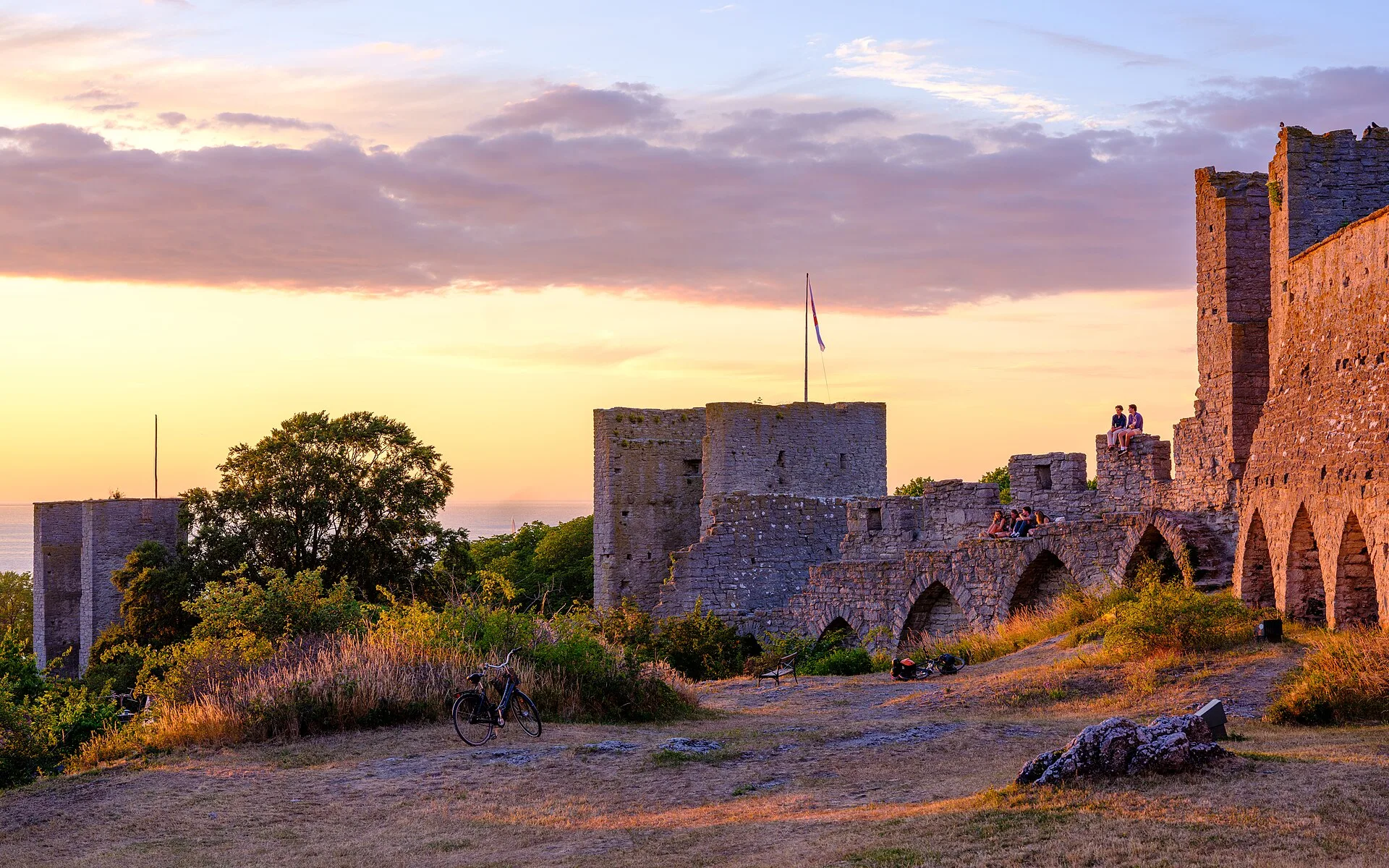

In Gotland, summer days are divided between medieval alleyways, Baltic beaches and walks at the foot of the cliffs. For a first visit, five days are enough to discover Visby and then explore two or three areas of the island without spending your vacation on the road. Here’s how to choose your travel dates, base and transportation, with special attention to Fårö and its limestone pillars.
Season and pace
Visit Sweden describes a summer when temperatures hover around 20 °C: a useful reference for anyone who struggles with intense heat. This remains general guidance from the tourism board, not a forecast for your week. A windbreaker belongs in your luggage, even with a swimsuit. Beach days can alternate with a museum visit or a walk around town, depending on the weather and sea conditions.
June, July and August are the months to prioritize for a first trip focused on summer activities. Seasonal businesses, rentals and excursions offer more options then. July is the height of the tourist season. Gotland is a well-known holiday destination for Swedes: book your accommodation and crossing rather than counting on a deserted island in peak season.
Early September suits a quieter stay, especially if you enjoy walking and having lunch in Visby. For small rural businesses, excursion boats and rentals, opening days become more important to check when planning. Spring brings different scenery and blossoms; for a first visit with the possibility of swimming and a choice of activities, summer remains the easiest compromise.
Getting to Visby
Destination Gotland ferries connect Visby with Nynäshamn, south of Stockholm, and Oskarshamn, on the coast of Småland. The national tourism board gives the crossing time from these ports as about three hours. For a trip from Stockholm, add the journey to Nynäshamn, boarding time and the final journey to your accommodation. Time spent on land matters just as much as the crossing when planning your day.
Arriving without a car lets you spend the first few days in Visby and rent a vehicle only for more distant excursions. If you bring your own car, compare the total cost of the ferry and parking with renting on the island. Schedules, ticket categories and prices depend on the departure you choose; promotions shown on a homepage are not a budget for another season.
Visby Airport, about four kilometers from the center, offers another way onto the island. Routes to the mainland operate year-round, with more options in summer. For an international trip, check which connections are actually available on your dates. Plan a low-key first evening: getting to your accommodation, picking up a few groceries and taking a walk near the city walls are enough after traveling.
Where to stay and how to get around
Visby is the most convenient base for a short first trip: you can explore the center on foot, reach restaurants in the evening and group several visits together without changing accommodation. Staying in the old town prioritizes atmosphere and proximity to the heritage sites. For accommodation outside the walls, compare the actual distance you’ll need to travel with your luggage and the parking options if you rent a car.
For five days, we recommend staying in the same base and setting aside the days you’ll need a vehicle for Fårö or a more distant stretch of coast. For a week with a strong focus on beaches, splitting your stay between Visby and Fårö or the east coast can reduce backtracking. Your choice depends more on how you plan to get around than on a ranking of the prettiest villages.
The generally gentle terrain makes cycling a good option. Rental shops can be found near Visby’s ferry terminal. A local outing lets you explore the coast without taking a vehicle for every walk. Wind, road surface and round-trip distance still matter: an island that is easy in terms of elevation can require real effort on an exposed day.
The Gotlands Kollektivtrafik bus network serves Visby and part of the island. Check the full route, return journey and connections for the day you want before settling on an excursion. To visit several sites scattered across Fårö in one day, a car offers more flexibility; cycling is better suited to an overnight stop and distances that work for everyone in your party.
Visby’s alleyways and city walls
Visby’s historic center, inscribed on the World Heritage List since 1995, tells the story of the importance of Hanseatic trade in the Baltic. Merchants’ houses, warehouses and church ruins provide enough to fill an entire day. A first walking route might take in the area around Almedalen, the streets of the center, Stora torget square and St. Mary’s Cathedral, before heading to the botanical garden.
Around the old town, the city walls stretch for more than three kilometers. Viewing them from outside helps you understand the fortifications and their towers; the alleyways then show how the city is laid out within them. Alternate between the two rather than trying to follow the entire wall without a break. The cobblestones and changes in elevation call for good shoes, especially if you’re traveling with a stroller or tire easily when walking.
On Stora torget, the arches of S:t Karin recall the presence of a large medieval church. S:t Nicolai is another landmark of religious heritage, now also associated with concerts and events. Access inside the ruins depends on opening hours and how the site is being used. The cathedral remains a place of worship: plan your visit around services and follow posted instructions.
The botanical garden offers a free break between the old streets and the seafront. To learn more about the island’s history, Gotlands Museum features, among other things, Viking Age finds and silver treasures. Set aside a separate time slot for the museum: viewing the collections properly is more rewarding than rushing through to tick off a list of monuments.
The audio tour in French
To explore at your own pace, Tourific’s “Merchants and Mercenaries” tour offers audio guidance on your phone. The listing we consulted includes French among the available languages and gives an estimated duration of two to four hours. Download the content in the app before setting out; you can then use it offline. Bring your phone and headphones. The service includes the audio and a written guide, with no on-site guide.
This option works particularly well for your first full day in Visby: it provides context while leaving you free to stop for coffee or resume the route later. Any museum admission tickets need to be arranged separately. Install the app and activate the access provided after booking before you set out on foot.

Viator
Visby: self-guided audio tour in French
For your first day in Visby, this audio tour, available in French, provides context without requiring you to follow a group schedule. Download it before your walk and bring your headphones; museum visits need to be booked separately.
- 2 to 4 h
- 4/5 (8 reviews)
A Tourific audio and written tour for exploring Visby on foot, in French, on your phone. Download it in advance; you will need your own phone and headphones. No human guide or museum ticket included.
Cancellation policy
For a full refund, cancel at least 24 hours before the scheduled departure date.
From $9.99
View activityThe sea stacks and beaches of Fårö
Northeast of Gotland, Fårö is worth a full day, or even a few nights if you want to combine cycling and beach time. The free ferry connects Fårösund to Broa in about six minutes and carries cars and bicycles. The short crossing is only one part of the outing: allow for the journey from your base, possible waiting time and travel between Fårö’s sites.
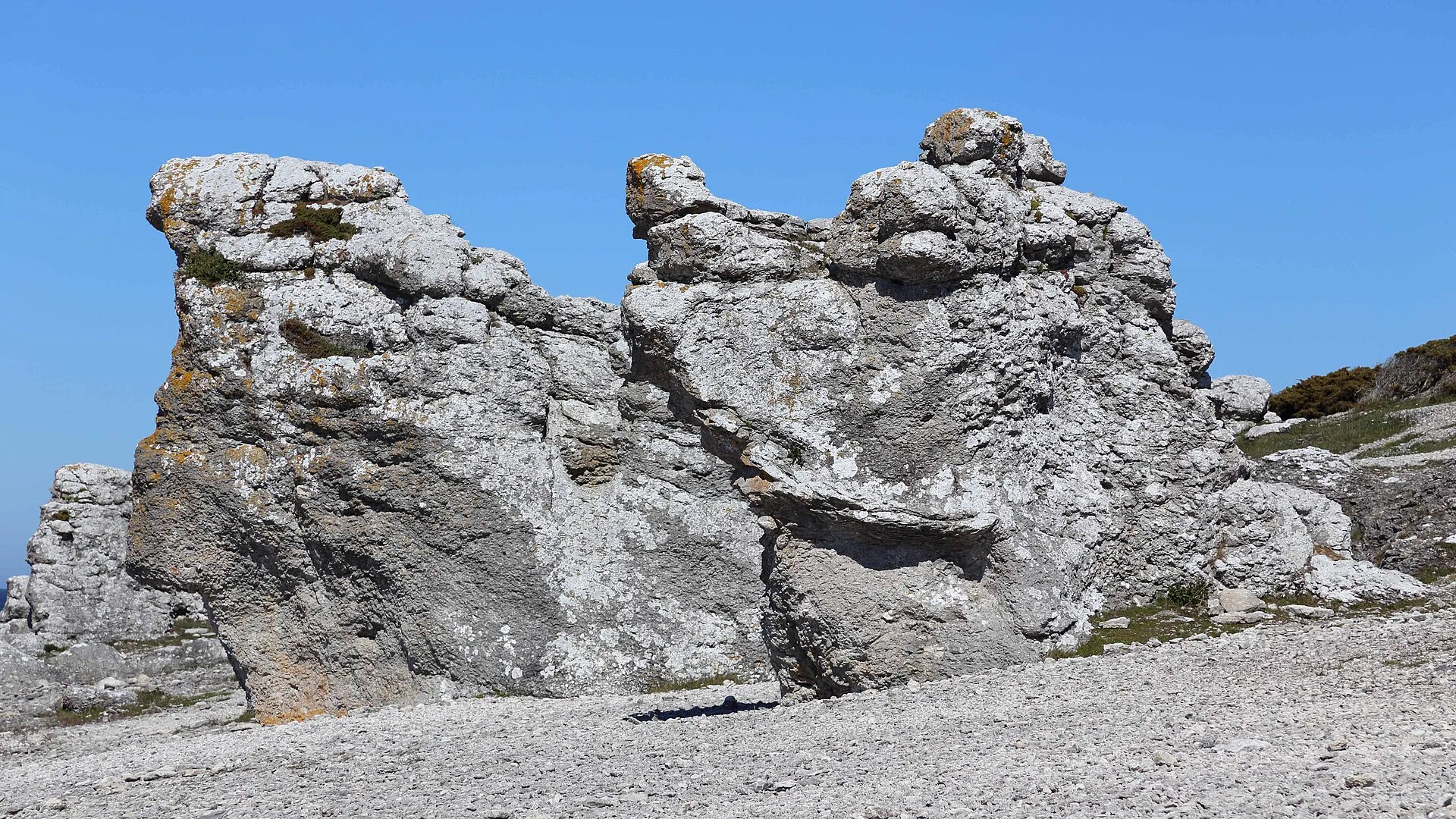
Langhammars is a good place to see raukar, the limestone pillars that rise along the shore. The rocky ground calls for sturdy shoes and time to view the formations from different angles. Digerhuvud offers a more extensive landscape, with hundreds of formations on land and in the sea along a coastal road. For a first day, either of these two areas is enough to make the visit feel expansive.
Gamle Hamn offers a third natural-reserve landscape, famous for a formation nicknamed Kaffepannan. Part of the pleasure of the outing lies in the changing scale, from a lone pillar to a field of stones and the sea on the horizon. With children, spending time observing one site and then heading to a beach is often more enjoyable than making three consecutive geological stops.
Sudersand is a good choice if you’re looking for sand: Visit Sweden highlights its fine sand and shallow waters, which are suitable for families. Check the sea conditions and water temperature on the day. A picnic keeps your plans flexible; outside peak season, check café opening hours before relying on one as your lunch stop.

Cinema and landscapes
Fårö also played a part in the life and work of Ingmar Bergman, who lived there for several decades. The Bergman Center explores his connection with the island through exhibitions and activities, which you should check for your travel dates. If cinema is one of the reasons for your trip, give it a proper place in your day rather than squeezing in a visit after a long tour of the coast.
Two itineraries work well for a first visit: sea stacks and Sudersand for a day focused mainly on the outdoors; or the Bergman Center and one coastal site for a cultural itinerary. A longer stay lets you enjoy both at a more relaxed pace. As elsewhere, respect inhabited places and private property; there is no need to seek access to a filming location’s private home to enjoy the landscape.
Walks around Visby
The coast near Visby lets you enjoy Gotland even without a car. To the south, the Södra Hällarna nature reserve combines cliffs, woodland and rocky shores. Choose a route suited to your fitness level and the access conditions on the day. The museum and walks in town can fill the hours when the weather is poor; a break in the clouds is all you need to head back to the sea.
Högklint, farther south, is known for its views over the coast and the Baltic Sea. A visit can be part of a driving day spent in this area. If you’re planning a long walk from Visby, check the route and plan your return: the distances given for reaching a viewpoint do not necessarily describe the loop you intend to take. Stay on authorized paths and keep away from the edge of the cliffs.
To the north, Lummelunda offers a guided tour of a limestone cave. It’s a different kind of outing from a coastal walk, and an interesting option if you’re interested in geology or traveling with family. Check the tour, available time slots and access conditions before you go. If you’re cycling there, check the distance from your accommodation and allow time for the visit, breaks and the return journey.
Excursions to the smaller islands
Stora Karlsö is ideal for travelers interested in birds, flora and limestone landscapes. Boats depart from Klintehamn, and the operator gives the journey time as about half an hour. Plan your day around the departures actually scheduled and the visitor arrangements. Accommodation on the island also makes an overnight stay possible; arrange this directly with the operator.
On a first five-day trip, Stora Karlsö can take the place of a day cycling along the coast. This swap keeps the pace reasonable and leaves room to adapt to the weather. Timing matters for birdwatching: check the operator’s nature information rather than expecting the colonies to be equally active throughout the summer.
Gotska Sandön, farther away to the north of Fårö, requires separate planning: seasonal transport, accommodation, supplies and national park rules. Its beaches and pine forests may warrant a dedicated extension to your trip. For a five-day stay centered on Visby and Fårö, we recommend saving it for another trip, or extending your stay after checking the arrangements in full.
The flavors of Gotland
Saffranspannkaka is an easy-to-recognize local specialty: a rice and saffron pudding traditionally served with whipped cream and blue honeysuckle berry jam, known as salmbär. It’s a good choice for fika, the Swedish break for a drink and something sweet. It also gives you an easy way to explore Visby’s cafés without turning every stop into a restaurant booking.
Lamb, fish and local produce offer other points of reference on menus. What’s available changes with the seasons: asparagus is associated particularly with spring, and truffles with autumn. For a summer stay, check the menus actually on offer rather than going out of your way to find a product that’s out of season.
In Visby, set aside one dinner for a restaurant serving local cuisine and let the other meals fit around your excursions. Accommodation with a kitchen can be useful for breakfasts and picnics. In the countryside and on Fårö, small restaurants’ opening hours make it worth checking ahead, especially at the beginning or end of the season.
A five-day itinerary
Use the first day to reach Visby and get your bearings. Depending on your arrival time, a short walk toward Almedalen or the city walls lets you get to know the town without booking a timed ticket. On the second day, combine the audio tour, the old streets and the botanical garden; add the museum only if you want to give it enough time for a proper visit.
Spend the third day on Fårö, visiting one sea-stack area and Sudersand, or the Bergman Center and a coastal walk. Keep the fourth day near Visby: go for a bike ride, visit Södra Hällarna or tour Lummelunda, depending on your interests and the weather. If you choose an excursion to Stora Karlsö instead, plan this day as soon as the relevant departures are confirmed.
On the fifth day, visit the museum if it’s still on your list, do a little shopping and make your return journey. This is a suggested pace, not a fixed schedule. For a seven-day stay, add two nights on Fårö or take more time to explore another part of Gotland rather than extending each day with more driving.
Budget and bookings
The main trade-offs concern transport to the island, accommodation, and getting around once there. Compare the same number of nights and the same change conditions; a ferry ticket with a vehicle cannot be directly compared with a foot passenger ticket. For a car, add fuel and parking, and check the pickup arrangements against your arrival times.
Walks around Visby, the botanical garden, and trips along the coast can make up a large part of your stay. Your sightseeing budget will then depend on which museum, cave, audio tour, and excursion boats you choose. Prices and reviews for the bookable recommendation are centralized in its card, so there is just one place to check for commercial information.
Before your trip, download your transport documents, a useful map, and the audio tour. If you have a French mobile plan, check the data allowance available in Sweden: EU roaming rules generally allow use at domestic rates, subject to fair use conditions. Decide whether you need an additional eSIM based on your plan and actual needs, not simply because you are traveling to an island.
FAQ
How many days do you need to visit Gotland?
Five days make a good first trip, with Visby, a day on Fårö, and one additional excursion. Allow more time if you want several nights at the beach, long bike rides, or an extension to another island. Make sure your arrival and departure days work with the transport you actually book.
Can you visit Gotland without a car?
Yes, by focusing on Visby, nearby areas you can reach by bike, and buses whose schedules you have checked. Visiting several far-flung sites in one day takes more planning. For Fårö, a short-term rental or a few nights there can make logistics easier, depending on how you plan to get around by bike.
How do you get to Gotland from Stockholm?
The sea route goes through Nynäshamn, followed by the ferry to Visby. In addition to the crossing, which takes around three hours, allow time to get to the port and board. Flying to Visby is another option; compare it based on the routes available and the total cost for your dates.
When should you go to enjoy the beaches?
Summer offers the widest choice of activities and seasonal services. July and August suit an itinerary that includes time at the beach, with swimming conditions to assess day by day. The sea, wind, and your sensitivity to cold matter as much as the air temperature.
Is the Fårö ferry free?
The Fårösund–Broa service is free for passengers, bicycles, and cars, according to Visit Sweden. The crossing takes about six minutes. Check the schedules relevant to your trip and leave enough time to reach the boat and continue on to the island’s sights.
Is there a tour of Visby in French?
The Tourific audio tour featured in this guide advertises a French version. It is used on your phone after installation and download, and takes an indicative two to four hours. It accompanies a self-guided walk; bring your phone and headphones. Museum admission is separate.
Where can you go with children in Gotland?
Sudersand combines a sandy beach with shallow water. In Visby, the museum and botanical garden complement walks, with breaks that are easy to plan. On Fårö, avoid stringing together too many distant sites: one area of rauks and a beach already make for a full day.
Does Gotland guarantee a cool vacation?
No destination can guarantee the temperature during your stay. The Swedish tourism office describes summers as generally mild, around 20 °C, but conditions vary. Check the forecast before you leave and bring sun protection and windproof clothing, while also planning some indoor activities.
Sources and checks
Plan your visits and check current conditions.
- Gotland: nature, seasons and access
Visit Sweden · Accessed November 2, 2026
What this source supports
Generally temperate summers around 20 °C according to the tourism board; cycling, food, coasts, access and excursions. General guidance, not a weather forecast.
- Visby: heritage and planning your stay
Visit Sweden · Accessed November 2, 2026
What this source supports
Inscribed on the World Heritage List in 1995, Hanseatic heritage, ruins, museum, free botanical garden, Södra Hällarna, Högklint and Lummelunda.
- Fårö: ferry, rauks and beaches
Visit Sweden · Accessed November 2, 2026
What this source supports
Free Fårösund–Broa ferry for passengers, cars and bicycles, about six minutes; Langhammars, Digerhuvud, Gamle Hamn, Sudersand and Bergman Center.
- Ferries to Gotland
Destination Gotland · Accessed November 2, 2026
What this source supports
Nynäshamn/Oskarshamn–Visby routes and departure lookup. No promotional prices or schedules extrapolated to a future season.
- Visit Stora Karlsö
Stora Karlsö · Accessed November 2, 2026
What this source supports
Departure from Klintehamn, about a half-hour crossing, birds, flora and accommodation available; check the season’s schedule for your travel dates.
- Roaming at domestic rates in the European Union
European Union — Your Europe · Accessed November 2, 2026
What this source supports
EU roaming and fair-use policy. Check your data allowance with your operator.
- Visby: Merchants and Mercenaries audio tour
Viator / Tourific · Accessed November 2, 2026
What this source supports
Exact product 472599P158 ACTIVE verified through the Partner API. French is among the AUDIO languages; 120–240-minute duration, offline download, personal phone and headphones, no human guide. Price and reviews on the main listing; actual amount and currency from the calendar retained without conversion.
Viator — activity pages
Information about the offers featured in this article.Affiliate links: Odyvero may earn a commission when you book through this article’s buttons.
- Viator : Visby: self-guided audio tour in French
Accessed November 2, 2026


