 odyvero
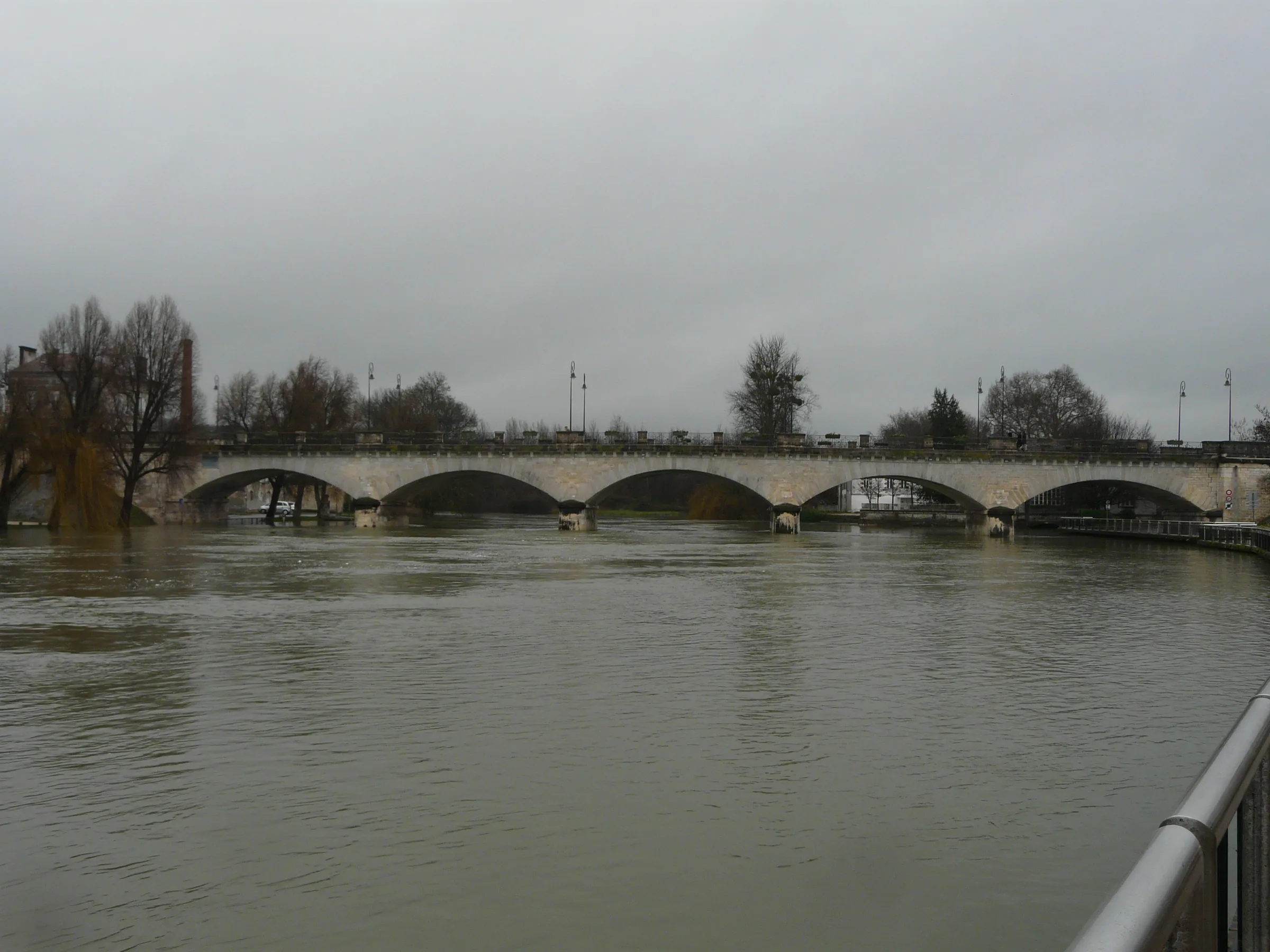
In Cognac, Bas-Armagnac or the Pays d’Auge, a visit begins with the landscape and continues in the aging cellars. Here’s how to choose your region, pair the right producers and plan two days of discovery, with your return arranged before the tastings.
Three regions, three getaways
A copper still helps explain a transformation; an aging cellar shows how much time it takes. In between, a visit to a spirits producer tells the story of an agricultural region, the craft of production and choices about aging. For a first getaway, the most rewarding approach is to pair two complementary establishments, then leave time for the towns, villages and landscapes around them.
Cognac is especially well suited to travelers who want to compare a major house, a family business and a wine estate. Cognac, Jarnac and Segonzac offer several ways into the same production area. Depending on your mobility and available time slots, you can focus on a town visit or plan a day in the Grande Champagne vineyards.
Bas-Armagnac is a better fit for travelers who want to build their stay around rural estates, collections of stills and vintages. Between the Gers and the Landes, appointments shape the day. In Normandy, the Pays d’Auge offers another perspective on production: orchard, press and cider come before distillation. An estate visit and a staged visitor experience make a good combination.
These three regions each merit a separate getaway. For a weekend, we recommend choosing one base and no more than two visits, spread over two days. Combining them calls for a longer trip, with travel days and suitable transportation arrangements. The spirits theme can then run through the holiday without requiring a tasting every day.
From fruit to aging cellar
Cognac and armagnac are made from wine. In Cognac, Charentais double distillation is one of the keys to understanding a visit: ask how the distillations follow one another and which fractions are kept. The shape of the equipment, its connections and the distiller’s role are easier to understand when the guide explains how the liquid and vapors move through the process.
Most armagnac is made using an Armagnac continuous still. The wine and vapors flow in opposite directions; continuous feeding distinguishes this apparatus from a process that uses successive batches. Some producers also use double distillation. This variety is a good reason to ask which equipment is used at the estate you’re visiting rather than assuming that every producer fits the same general distinction.
Calvados first leads you to the fruit and cider fermentation. At an estate such as Dupont, the tour links orchards, the press, cidery, distillery and aging cellars. Following the whole chain helps visitors place the still within the wider production process. The trees and storage areas are just as interesting as the copper equipment.
In all three regions, the aging cellar deserves a substantial part of your visit. Notice how the casks are arranged and ask how the wood, humidity and transfers between containers affect aging. A guided tasting then becomes more meaningful: you’ll have reference points for discussing the differences between the expressions on offer, without needing to know specialist terminology.
Cognac and the town-based houses
For a first stay, Cognac offers several ways to explore one producer. Rémy Martin distinguishes between its historic house in town, its Merpins estate and its distillery in Juillac-le-Coq. The tour you choose therefore determines where you’ll go and what you’ll see. Even when a booking is under the brand name, check the precise meeting address.
The historic house suits visitors interested in the company’s history and heritage. Its advertised anniversary tour lasts about two hours. At Merpins, visitors tour the production site aboard an electric train, and the visit lasts about 1 hour 30 minutes. If your group is undecided, the useful question is what interests you most: the house’s history or the workings of a large complex of aging cellars.
Accessibility also depends on the tour. The historic house carries a Tourisme et Handicap label, and the operator describes its facilities. The Merpins tour includes steps. This information can help you choose an itinerary that meets your needs; share your specific requirements with the booking team before committing to the rest of your trip.
Leave time around your first visit to explore Cognac and the banks of the Charente. A walk gives the day a change of pace and places the houses in their urban setting. It also offers an activity for anyone who doesn’t want to taste. The itinerary can still be worthwhile with just one paid visit as its centerpiece.
Braastad in Jarnac
In Jarnac, the Braastad discovery tour takes place at the Tiffon premises, on the banks of the Charente. The tour covers production, the distillery, the cellars and blending, before a cabinet of curiosities and a tasting. Its stated duration of one hour and thirty minutes leaves time to explain several stages without taking up an entire half-day.
We recommend it as a first introduction to a family-run house, especially if you want to connect the facilities with the cognac categories presented at the end of the tour. The visit to the cellars provides concrete context for this comparison. Those new to eaux-de-vie can ask questions about casks and blending as they see the effects for themselves.
The listing offers departures in French, English and Norwegian: select the right option when booking. It asks visitors to arrive fifteen minutes before the start. The tasting is for adults only. The meeting point is at the venue; arrange your travel from your accommodation and your return after the visit separately.

Viator
Braastad Discovery Visit in Jarnac
A first introduction to production in Jarnac: one hour and thirty minutes covering the distillery, cellars and blending. Select the French-language departure, arrive fifteen minutes early and arrange your return after the tasting separately.
- 1 hr 30 min
- 5/5 (66 reviews)
Distillery, cellars, and an introduction to blending at a family-run house on the banks of the Charente. Choose a French-language departure; meet on site fifteen minutes before the visit.
Cancellation policy
For a full refund, cancel at least 24 hours before the scheduled departure date.
From €17.00
View activitySegonzac and Grande Champagne
Segonzac is a good base for focusing a second day on the vineyards. The name Grande Champagne refers here to a cru within the Cognac appellation. It identifies a terroir and helps explain how houses present the origins of their eaux-de-vie. A visit in this area is a good complement to exploring cellars in town or in Jarnac.
At Frapin, the Discovery tour lasts about one hour. It combines the history of the house and vineyards, a museum, explanations of distillation, and the ageing and blending cellars. The listed private option can be booked for a small group; the listing allows a maximum of five travellers per booking. Tours are offered in French and English, and requests are confirmed manually.
This visit suits those looking for a short format with time for their group’s questions. The meeting point given in the offer is at the Château de Fontpinot estate. Check the instructions you receive rather than heading only to the centre of Segonzac. The tour ends with a tasting; confirm the exact selections served with the house.
Painturaud Frères is another option in Segonzac, offering a chance to discover a distillery, a century-old cellar and the bottling process. The house also explains how Pineau des Charentes is made. The usual visit lasts between one hour and one hour and thirty minutes, by appointment. The option that includes a tasting among the vines is seasonal: choose it only from the calendar that is actually open, and plan an indoor alternative in case the weather requires it.

Viator
Private Frapin Visit in Segonzac
For a small group looking for a one-hour private discovery tour at Frapin, including the museum and Grande Champagne cellars. French and English are offered; wait for manual confirmation and follow the meeting instructions for the Château de Fontpinot estate.
- 1 hr
- 5/5 (2 reviews)
Museum, explanations of distillation, and aging cellars in Grande Champagne. Small private group, in French or English; meet at the Château de Fontpinot estate. Manual confirmation required.
Cancellation policy
For a full refund, cancel at least 24 hours before the scheduled departure date.
From €15.00
View activityBas-Armagnac and its estates
For Armagnac, choose your accommodation after identifying the estates you want to visit. A stay in the Gers area and one near Labastide-d’Armagnac will not produce exactly the same itinerary. Two appointments far apart can take up a significant part of the day; one estate, a lunch and a walk already make a satisfying outing.
In Sorbets, in the Gers, Château de Laubade offers an introduction to a Bas-Armagnac estate where distillation and ageing play a central role. The estate presents several experiences: an introductory visit featuring three selections, and a more extensive tour of the estate and vineyards, with sculptures and a tasting of five Armagnacs. Choose according to how long you want to spend on site and how much detail you are looking for.
The Armagnac ecomuseum at Château Garreau offers a broader introduction to the tools and rural environment. Between the Landes and Gers, it brings together a winegrower’s museum, a collection of more than ten stills, and nature and botanical trails. This variety is appealing when the group does not share the same enthusiasm for tastings. The escape game offered on site requires a separate reservation.
A cellar visit is also an opportunity to clarify vintages. For Armagnac, the vintage corresponds to the harvest year. The time spent ageing in cask and the bottling date are other details worth asking about. Once in the glass, Armagnac no longer continues ageing in the cellar: this distinction helps you understand what a label tells you and choose a souvenir without relying solely on the year printed on it.


The Pays d’Auge and its orchards
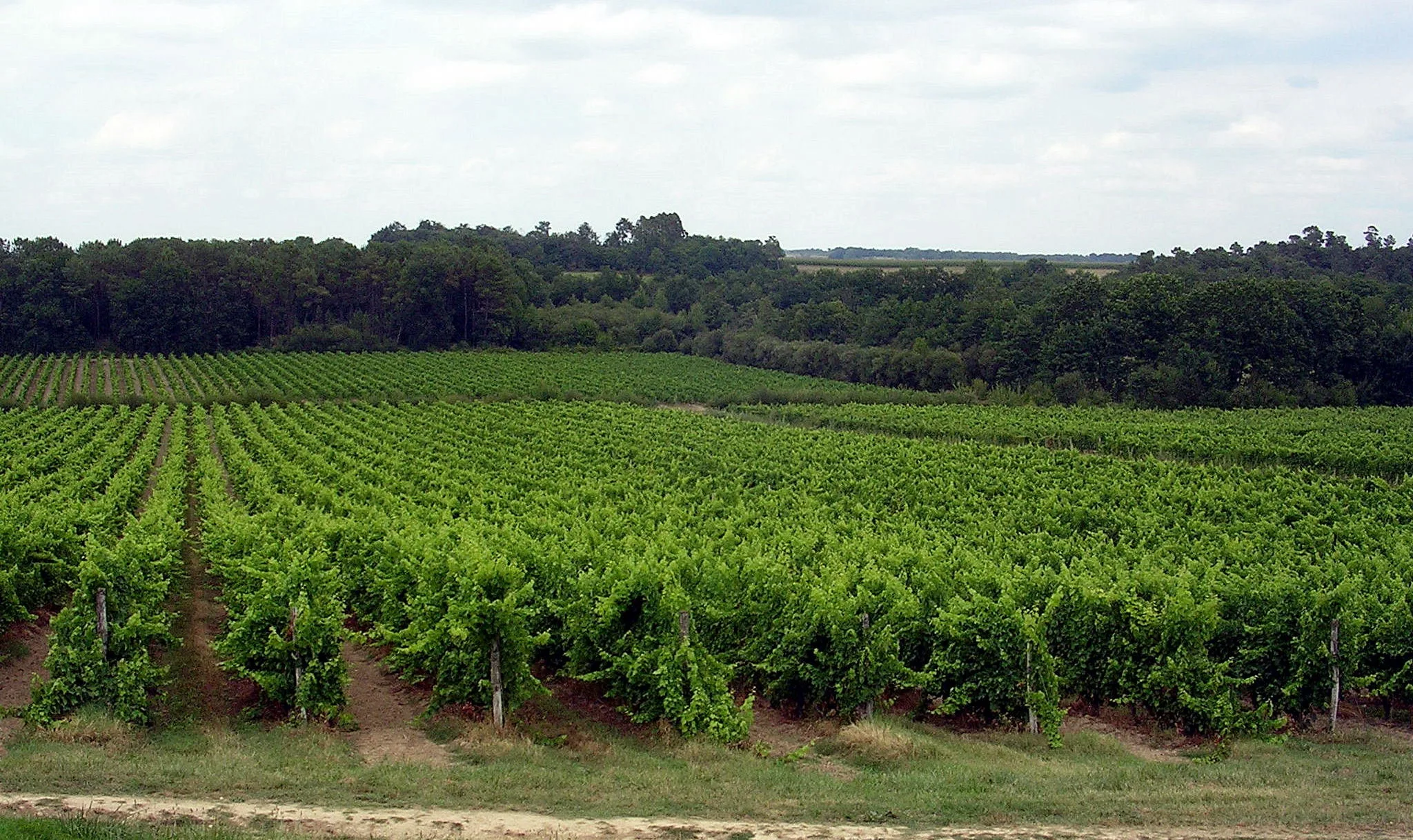
In Normandy, we recommend combining an agricultural estate with a place dedicated to interpreting calvados. This way, you see the production areas first, then an exhibit designed to explain the history and sensory experience. The two approaches meet different expectations and may appeal to the same group.
The Dupont estate is in Victot-en-Auge, on the Cider Route between Beuvron-en-Auge and Cambremer. Its tour includes the orchards, the press, fermentation areas, the distillery and the cellars. It is especially well suited to those who want to understand how an operation works with apples before discovering its eaux-de-vie. Tours are offered in French and English, depending on the option selected.
It is worth checking the calendar directly in this case: the visits homepage still lists several activities from a previous year. Book based on current availability and have the off-season tour confirmed. Do not infer from the previous year’s programme that autumn appointments dedicated to apples or distillation will be available.
In Pont-l’Évêque, Distillerie Père Magloire offers an immersive tour on the history of Normandy and calvados. The interactive section is advertised as lasting forty minutes, followed by a tasting, for an estimated total duration of one hour and fifteen minutes. This is a good choice for a first visit focused on staging and sensory explanations.
The site is on the ground floor, with seating and adapted toilets listed by the operator. The tour includes light, sound and smoke effects; bear this in mind if travelling with young children or people who are sensitive to these effects. To see production in progress, choose an appointment explicitly dedicated to this activity at an estate and confirm that the production team will be there.
Distillation seasons
Spring and summer make walks and visits that include vineyards or orchards easier. They work well for a stay where agricultural heritage shares the day with villages and outdoor activities. Booking is still useful: a shop may be open for purchases even when guided tours run only at certain times.
Autumn and winter are particularly appealing to travellers who want to see a still in operation. The Armagnac industry association places distillation in winter; actual dates, however, depend on the estates and the production season. In Segonzac, Painturaud indicates a distillation period from December to March. Use these as a guide when planning, then let a confirmed appointment determine the programme.
To plan a distillation day, ask three specific questions: will the still be operating during the visit, which areas will be accessible, and how long will the explanations take? Wear clothing suited to moving between buildings and through cellars. A year-round visitor calendar is not, on its own, proof that production will be active that day.
Three two-day itineraries
For Cognac, spend the first day at a house in town or at Braastad in Jarnac, then enjoy a walk and a meal nearby. The second day can focus on Segonzac, with Frapin or Painturaud. Choosing a single estate leaves more time for questions and avoids accumulating tastings that can start to feel alike.
For Bas-Armagnac, build the first day around Laubade if you are staying in the Gers area. Set aside the second day for another aspect of the region, or for the ecomuseum if it fits your route. If you would rather stay near Labastide-d’Armagnac, make Château Garreau your main visit and choose other stops nearby. These are suggested travel plans, not transport-inclusive tours for sale.
For the Pays d’Auge, schedule Dupont on a day exploring the orchards and villages around Cambremer. Keep Pont-l’Évêque and the Père Magloire tour for the second day. Booking times will determine the final order. Leaving room for lunch and travel is more useful than booking a third visit too close to the previous one.
Getting around after a tasting
Plan your return before booking. If you want to taste, choose a designated driver who won’t drink, a pre-booked transfer, or accommodation you can reach without driving after the visit. In rural areas, confirm a taxi for both the outward and return journeys: finding a vehicle when you leave an estate should not be your only option.
Also ask whether the option you choose includes transport. The two recommended Charente visits here have an on-site meeting point. A chauffeur-led excursion is a different product and should specify its departure point, the houses visited, and the services included. Renting a car does not solve the problem of arranging a tasting for every adult in the group.
Participants who do not drink can still enjoy the explanations, buildings, and scenery. Let the venue know they will be coming so you can ask about alternative drinks and pricing. Having a meal, drinking water, or waiting for a while does not guarantee that you are fit to drive. Alcohol abuse is dangerous to your health; tastings are optional and reserved for people of legal drinking age.
Budget and bookings
The cost of your stay includes visits, accommodation, meals, and, above all, the transport you choose. To compare two options, consider the duration, whether the visit is private or shared, the language, the areas visited, and transport. A museum tour, a cellar visit, and a guided day trip meet different needs; their admission prices alone are not enough to compare them.
Offer cards display prices, currency, and ratings when that information is available in the catalog. Check your group size and the total when booking. For a direct visit, also check the cancellation policy and distinguish between payment for a booking and any bottles you may buy in the shop.
Two well-chosen visits are already enough to gain an in-depth understanding of a region. For a first experience, we recommend a guided production tour and a second perspective that is genuinely different: private and shorter, museum-focused, centered on the orchard, or devoted to historic equipment. That way, your budget supports a comparison you can understand in person.
FAQ
Which region should you choose for your first distillery visit?
Cognac and its surroundings offer a wide choice of houses, with visits in town, cellars in Jarnac, and estates in Segonzac. The Pays d’Auge is especially suited to those also interested in orchards and cider. For a rural discovery focused on stills and vintages, choose Bas-Armagnac and arrange your appointments before booking accommodation.
What is the difference between cognac, armagnac, and calvados?
Cognac and armagnac are made from wine; calvados is associated with Normandy’s orchard fruit and its fermentation. Cognac uses Charentais double distillation. Armagnac is mostly made using a continuous still, although some houses also use double distillation. Visits then explain the aging and blending choices specific to each producer.
How many visits should you plan for a weekend?
Two visits over two days make a good starting pace. This leaves time for travel, meals, and walks. Choose different formats—for example, a town house and a winegrowing estate, or a calvados estate and an immersive tour. You can then adjust your itinerary based on the exact duration of each booking.
Can you see a still in operation all year round?
The equipment may be visible during a visit without being in operation. To see distillation, contact the house and ask for a time slot explicitly confirmed during its distillation season. Winter is a good time to look for cognac and armagnac distillation, but each estate organizes its own production and public access.
Can you take this trip without a car?
A stay centered on visits accessible from your accommodation is possible if you arrange the final legs of each journey. For rural estates, book transfers or a driver and confirm the return trip. Arriving in the region by train needs to be complemented by local transport arrangements. Visits with an appointment at the estate do not automatically include transport.
Can children accompany adults?
Several establishments welcome families. Frapin offers a tour suitable for children; Rémy Martin also says children are welcome on its visits. Alcoholic tastings are for adults only. Check the conditions for the specific tour, any stairs, and sensory effects, particularly on the Père Magloire immersive tour.
Is a visit worthwhile without a tasting?
Yes, if you are interested in agricultural heritage, distillation equipment, or cellars. The Armagnac Ecomuseum adds collections and outdoor trails; Dupont lets you follow the work involved in processing apples. Contact the house to ask about adaptations and drinks on offer. The price may cover a set visit package, even if you do not consume alcohol.
Should you book estates in advance?
Booking is required for visits by appointment and recommended if you want to choose the language and the right option. Painturaud’s standard visit must be booked; Frapin’s private option requires manual confirmation. In Normandy, check current time slots rather than relying on activities listed for a previous year. Keep the address and instructions provided with your booking.
Sources and checks
Plan your visits and check current conditions.
- Discover cognac
National Interprofessional Bureau of Cognac · Accessed November 1, 2026
What this source supports
Charentais double distillation, six crus, crafts and production region.
- Rémy Martin visits
Rémy Martin · Accessed November 1, 2026
What this source supports
Three distinct sites: historic house, Merpins, Juillac-le-Coq. The historic house visit takes about 2 hours; Merpins takes 1 hour 30 minutes. Accessibility information is provided for each site.
- Visits in Segonzac
Painturaud Frères · Accessed November 1, 2026
What this source supports
Distillery, century-old aging cellar, bottling, pineau. Visits last 1 to 1 hour 30 minutes by appointment; a vineyard tour is available seasonally; the estate’s FAQ says distillation runs from December to March.
- Discovery Tour
Cognac Frapin · Accessed November 1, 2026
What this source supports
One hour: museum, distillation, aging cellars and blending. Located in Segonzac, with a tasting. A children’s option is listed.
- Distillation and aging
National Interprofessional Bureau of Armagnac · Accessed November 1, 2026
What this source supports
Mostly continuous-still distillation, with double distillation also used; winter distillation, with dates that may shift from year to year. A vintage is tied to the harvest; aging stops when the spirit is bottled in glass.
- The estate and its tours
Château de Laubade · Accessed November 1, 2026
What this source supports
Sorbets, in the Gers, in Bas-Armagnac. Continuous still; a tasting tour featuring three expressions; an estate, vineyard and sculptures tour featuring five expressions.
- Armagnac Ecomuseum
Armagnac Ecomuseum / Château Garreau · Accessed November 1, 2026
What this source supports
Between the Landes and Gers, a winemaker’s museum, more than ten stills, nature and botanical trails, and an escape game by reservation.
- Domaine Dupont tours
Domaine Dupont · Accessed November 1, 2026
What this source supports
Located on the Cider Route between Beuvron-en-Auge and Cambremer, with a production chain linking orchard, press, cidery, distillery and aging cellars; tours in French and English. The page mixes dates from 2025 with a 2026 heading, so events and public-holiday schedules are excluded from this guide.
- The Père Magloire tour
Père Magloire Distillery · Accessed November 1, 2026
What this source supports
Current operator’s website, following the redirection from calvados-experience.com: a 40-minute interactive tour followed by a tasting, with an estimated total duration of 1 hour 15 minutes; ground-floor access, seating, accessible restrooms and sensory effects.
- Calvados appellations
Interprofessional Association of Cider Appellations · Accessed November 1, 2026
What this source supports
An eau-de-vie made from Normandy orchard fruit; discover the distilleries and the region.
- Braastad visit — product 402544P1
Viator / Braastad Cognac · Accessed November 1, 2026
What this source supports
Active product verified through the Partner API: Jarnac, 90 minutes, distillery/aging cellars/curio cabinet, tasting for adults, French/English/Norwegian, arrive 15 minutes early. The affiliate link from our account is retained in the main offer.
- Private Frapin visit — product 309117P3
Viator / Cognac Frapin · Accessed November 1, 2026
What this source supports
Active product verified through the Partner API: 60 minutes, French/English, private, maximum five travelers, manual confirmation, meeting point at the Château de Fontpinot estate. The number of cognacs differs between the summary and itinerary, so it is not specified in the text.
Viator — activity pages
Information about the offers featured in this article.Affiliate links: Odyvero may earn a commission when you book through this article’s buttons.
- Viator : Braastad Discovery Visit in Jarnac
Accessed November 1, 2026
- Viator : Private Frapin Visit in Segonzac
Accessed November 1, 2026


