 odyvero
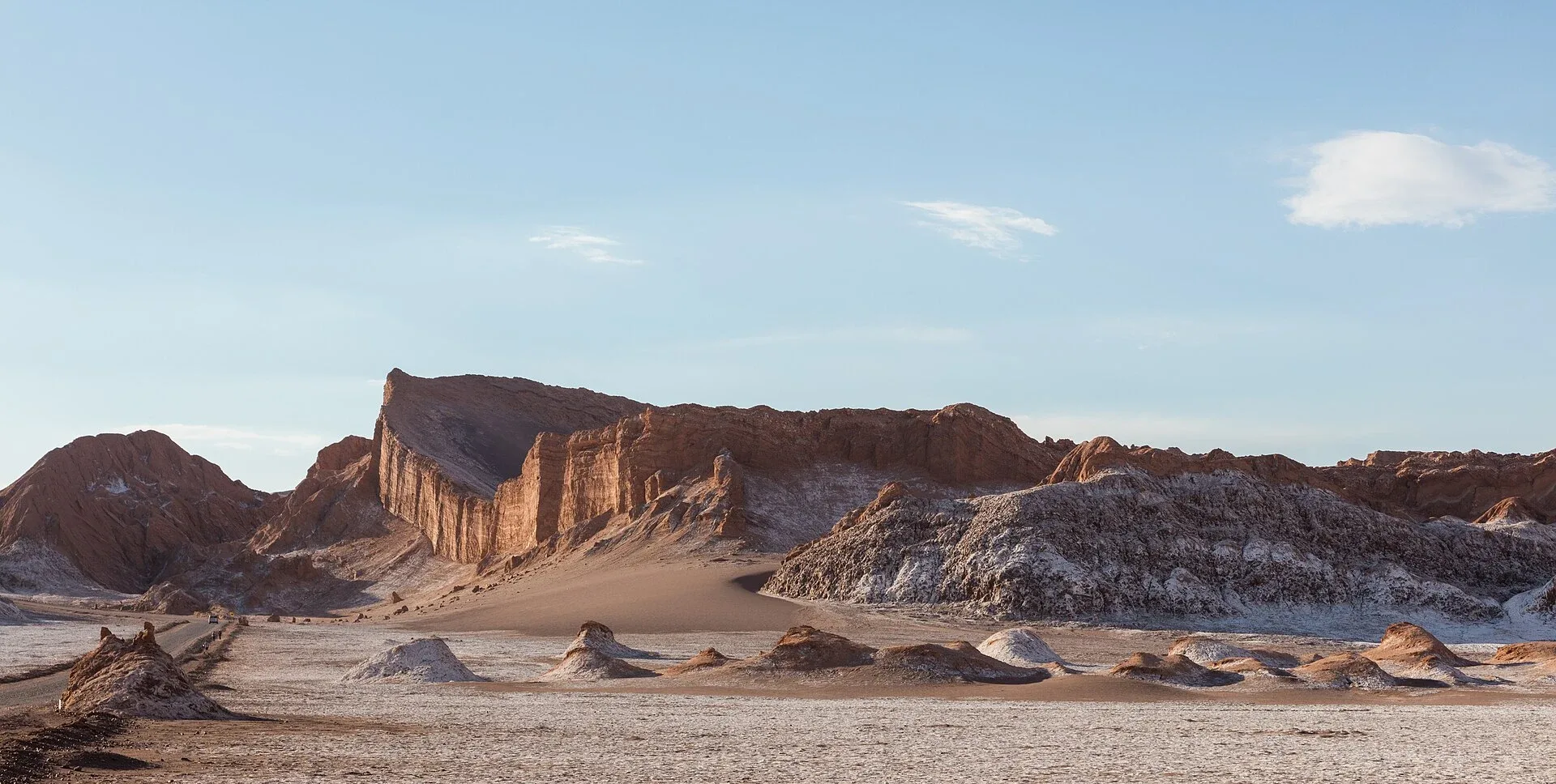
Choosing a dark sky also means consulting a road map, a lunar calendar and the time the children go to bed. La Palma for a first stargazing experience in French, Mont-Mégantic for a trip to Québec, Atacama and Tekapo for the southern sky: here are six destinations to compare based on your trip, with guided evenings and opportunities for independent stargazing.
A sky to suit your trip
At Joshua Tree, the National Park Service recommends giving your eyes twenty to thirty minutes to adjust to the dark. That time already changes the evening: you put your phone away, faint stars gradually appear, and familiar landmarks become easier to recognize. So even before looking for a telescope, you need a place where you can stay comfortably, workable weather and enough time ahead of you.
For a first trip from France, La Palma is a fitting choice if you want to combine volcanic landscapes with a guided introduction, particularly in French. In Québec, Mont-Mégantic lets you pair a protected area with French-language astronomy outreach. San Pedro de Atacama and the Mackenzie Basin in New Zealand are especially appealing to those who want to discover the southern sky during a longer trip. Joshua Tree fits into a California itinerary; Maunakea requires specific preparation for the altitude and access rules.
These destinations offer very different kinds of access. A developed viewpoint may work for independent stargazing, while an observatory requires an appointment and transportation. To choose, start with your main constraint: the language of the explanations, whether you have young children with you, driving at night or your desire to use real instruments. You can then look for a suitable night in your trip calendar.
The Moon, seasons and designations
Moonlight reduces the contrast of faint objects. To admire a clearly defined Milky Way, look for a period when the Moon is absent during your stargazing window. The new Moon is a convenient marker, but another phase may work if the Moon sets before your outing or rises after you return. Moonrise and moonset times therefore matter as much as the symbol shown on a calendar.
The plan also depends on your objective. Lunar features make an excellent telescope target, and some planetary observations remain interesting under a Moonlit sky. If your trip falls during a bright period, ask what program is planned. A guide can put together an informative evening around suitable objects rather than always searching for the faintest galaxies.
Seasons should be considered locally. New Zealand’s winter roughly corresponds to June, July and August; nights are longer, but warm clothing becomes essential. At Joshua Tree, the NPS presents summer as a good time to see the brightest part of the Milky Way, while winter offers Orion, among other sights. A beautiful winter night and a summer photograph of the galactic center are therefore two different projects.
Finally, the words “reserve,” “park” and “Starlight” refer to distinct initiatives. The NPS describes Joshua Tree as an International Dark Sky Park. Aoraki Mackenzie and Mont-Mégantic are international dark-sky reserves. La Palma highlights its Starlight certifications and sky protection law. These initiatives tell you about nighttime preservation; clouds, wind and the horizon at your chosen spot still determine what the evening will be like.
La Palma and its viewpoints
La Palma offers several ways to explore the sky without making every evening depend on a climb to the island’s summit. The tourism office lists a network of stargazing sites, including Llanos del Jable, San Bartolo, San Antonio and Roque de los Muchachos. The practical advantage of this network is that you can look for a site that fits your base and itinerary, then plan your outing around local conditions.
For a beginner, having a French-speaking guide may weigh more heavily in the decision than the reputation of a telescope. Learning how to recognize a constellation, tell a star from a planet and find an object in the eyepiece makes the rest of the trip more rewarding. Choose French from the departures actually offered: a translated listing alone does not establish the language of the session.
The guided activity selected here takes place at a meeting point listed on the LP-301, at kilometre 6, at an altitude of around 1,300 metres. The listing offers French, among other languages, a telescope and binoculars, with a shared group of up to ten participants. It gives a duration of two hours in the duration field and a range of two to three hours in the description: leave enough room in your evening and confirm the end time before arranging a tight return journey.
This option is especially suitable for those who want an accessible explanation in their own language, without basing their first experience on access to Roque. You will need to make your own way to the meeting point. Ask for the exact location, road conditions and when the weather will be confirmed; a hotel address on the coast does not tell you what the nighttime drive to the stargazing site will be like.
For your stay, we recommend spending several nights at the same base rather than changing accommodation after every outing. This gives you room to reschedule if the sky is cloudy and leaves the days free for trails or volcanic landscapes. Independent stargazing from an accessible viewpoint can complement the guided session: you will then recognize the reference points you learned the night before. Warm clothing and closed-toe shoes are still useful at altitude, even if you spent the day by the sea.

Viator
La Palma: stargazing with an astronomer
For a French-language introduction in a small group: select the French-speaking departure and confirm the meeting point on the LP-301 as well as the length of the evening.
Session with a telescope and binoculars; French is among the languages offered. Meeting point at LP-301 km 6, at around 1,300 m; advertised duration is two hours, with a two-to-three-hour range to be confirmed.
Cancellation policy
For a full refund, cancel at least 24 hours before the scheduled departure date.
From €50.00
View activityMount Mégantic in French
In southern Quebec, the Mont-Mégantic reserve brings astronomy into a lived-in region. Established in 2007, it is described by its managing organization as the first certified International Dark Sky Reserve. The initiative concerns municipal lighting and the protection of the nocturnal environment, giving a stay there an interest beyond simply observing through an instrument.
The key point when planning your visit is to distinguish between the facilities. The ASTROLab is at the foot of the mountain and hosts educational activities, exhibitions and observing sessions. The Observatoire populaire is intended for visitors at the summit. The Observatoire du Mont-Mégantic, dedicated to research, hosts some daytime visits organized by the park; at night, it is reserved for researchers. So be sure to book the activity that matches what you actually want to do.
For a French-speaking family already travelling in Quebec, this setup is particularly appealing. An indoor activity introduces the basics, then an evening observing session lets you revisit them outdoors when conditions allow. You can plan your stay around this combination, making room for astronomy programming during a broader trip to the Eastern Townships.
Check the park’s dates and arrangements for your specific travel period. The existence of an observatory that opens for certain activities does not mean a public session is held every night of the year. We are not carrying over any festival dates here: your booking should be for a programme actually announced for your stay.
Choosing accommodation deserves as much attention as choosing the session. After a long night of observing, a short drive back to bed is welcome, especially with children. If you also want to stargaze from your accommodation, ask whether there is an outdoor space accessible at night and away from direct lighting. The region’s protected sky is easier to enjoy when a patio light or brightly lit parking lot is not in your field of view.
Atacama from San Pedro
San Pedro de Atacama is a base for combining land-based exploration with stargazing in the southern sky. An evening programme can begin with a tour of the sky with the naked eye, continue with telescopes and leave time for photography. For a first trip, a guide’s value lies in connecting these different scales: identifying a direction, understanding the object being observed, then finding your place in the sky again.
Local provider SPACE says it runs its outings on clear nights and may pause observations for a short period around the full moon. This highlights the importance of the lunar calendar in the region. SPACE and the operator of the affiliated experience described below are separate businesses; the arrangements of one do not automatically apply to the other.
Our recommendation features the Bajo la Noche de Atacama experience, a two-and-a-half-hour session offered in English or Spanish, with a shared group of up to sixteen people. The listing describes naked-eye observing, telescopes, a photography session and snacks. It includes pickup within the urban area of San Pedro; arrangements for accommodation outside that area must be made with the operator.
This option is a good fit if you want an equipped evening with an organized return from town. Give the operator your exact address before relying on pickup. The schedule depends on sunset: book it for an evening when you have no other plans and check the provider’s messages on the day. Explanations are in English or Spanish, so choose a language you can follow to get the most out of the astronomy session.
A nighttime activity works better after a manageable day than after a string of early-morning departures. During a stay in San Pedro, we recommend scheduling it after a low-exertion activity and keeping the following morning free. Our guide to excursions from San Pedro can help you arrange outings according to their altitude and pace. These are planning suggestions; the astronomy session remains subject to that evening’s conditions.
Chile is also home to renowned research facilities, including Paranal. This observatory is at a different site from San Pedro. An astronomy outing from your hotel is a specific service with its own equipment: its description should identify the location and the instruments used. The mention of a major observatory in an article about Chile does not mean you will have access to its telescopes.

Viator
An astronomical evening Bajo la Noche de Atacama
For an evening from San Pedro combining a tour of the sky, telescopes and photography. Choose English or Spanish and confirm pickup from your accommodation.
- 4.9/5 (335 reviews)
An introduction to the night sky in a shared group of up to sixteen: two and a half hours, English or Spanish, photography and snacks. City pickup; special arrangements apply outside the city center.
Cancellation policy
For a full refund, cancel at least 24 hours before the scheduled departure date.
From $61.00
View activityTekapo and Mount John
At Tekapo, also called Takapō, the sky is part of the Mackenzie Basin landscape. The Aoraki Mackenzie International Dark Sky Reserve includes the basin and Aoraki/Mount Cook National Park. Dark Sky Project dates its founding to 2012. For travelers, the appeal is being able to pair a lakeside base with structured astronomy experiences while discovering the landmarks of the Southern Hemisphere.
Two options here suit different interests. Dark Sky Project’s Summit Experience takes visitors to Mount John, in the setting of the University of Canterbury’s observatory. The tour departs from the operator’s base in Tekapo and includes round-trip transportation. The advertised duration is one hour and forty-five minutes, including travel, and suitable cold-weather jackets are provided. The operator presents Western and Māori astronomical knowledge together.
This option is suited to those who want to spend the evening on a guided observation in a recognized astronomical setting. The operator’s direct page states a minimum age of ten, a walk of about one hundred meters up a gravel slope, and a few steps in the dark. It notes that the tour is not wheelchair accessible. These details are useful when deciding before purchase, especially when traveling with family or someone with reduced mobility.
The other option selected is Chameleon Stargazing, a shared ninety-minute session, offered in English or Mandarin depending on the departure, with up to fourteen participants. It includes a telescope, explanations, hot chocolate, marshmallows, and photographs. The stated meeting point is 70 Andrew Don Drive. Transportation from your accommodation is not included; any shuttle must be arranged and paid for separately.
Chameleon is worth considering if you prefer a field session without a climb up Mount John and a shorter outing. The listing states that accommodation can be made for people with reduced mobility; ask for details about the actual route, access to the eyepiece, and transportation suited to your needs. For a comfortable evening, these three points deserve separate answers.
Your travel schedule also needs to account for the hemisphere. During the Southern Hemisphere winter, long nights make it easier to choose an observation time that is not too late; cold conditions require appropriate clothing. In summer, nightfall comes later, which may affect your choice of departure when traveling with children. Check the date carefully when a time slot starts after midnight: a 12:30 a.m. session falls on the new calendar day.
Finally, plan for what happens if the sky is overcast. Dark Sky Project describes an indoor replacement experience, as well as options to reschedule or receive a refund. When booking, check the terms that apply to your purchase channel. If your main reason for going is to look through outdoor instruments, spending several nights in Tekapo gives you more flexibility to reschedule than making it a single stop between two long drives.

Viator
Tekapo: Summit Experience on Mount John
For observing at Mount John with transportation from the Tekapo base. Suitable for ages ten and up, with a short gravel slope and a few steps; select the language for your departure.
- 4.3/5 (197 reviews)
Guided stargazing with a shuttle from Tekapo village and a jacket provided. Minimum age ten according to the operator; gravel slope and steps. Select the language according to the departure.
Cancellation policy
For a full refund, cancel at least 24 hours before the scheduled departure date.
From NZ$245.13
View activity
Viator
Tekapo: Chameleon Stargazing
For a field session in Tekapo without climbing Mount John, with a telescope and hot drinks. Go to the stated meeting point or arrange the paid shuttle separately.
- 5/5 (214 reviews)
Shared 90-minute session with a telescope, hot chocolate and advertised photos. English or Mandarin depending on departure; meeting point at 70 Andrew Don Drive, accommodation transfer not included.
Cancellation policy
For a full refund, cancel at least 24 hours before the scheduled departure date.
From NZ$120.00
View activityJoshua Tree on a road trip
Joshua Tree works for both an independent evening and a guided introduction. The NPS identifies four viewing areas corresponding to the parking lots at Quail Springs, Hidden Valley, Cap Rock, and Ryan Mountain. It asks visitors to remain awake near their vehicle, within a radius of about six meters. This provides a simple framework for enjoying the sky without setting off on an improvised nighttime walk in the desert.
Conditions vary across the park. The NPS says the areas around Cottonwood and some parts of Pinto Basin have particularly dark skies. When choosing your spot, however, consider the return trip to your accommodation and how tired you are after the day’s activities. For a first family stargazing outing, a somewhat closer location, reached before dark and with a clear horizon, may be preferable.
Follow the nighttime rules on site: designated Day Use areas close from dusk to dawn, and an observing parking area is not permission to camp or sleep in a parking lot. Campsites have their own conditions. Bring water, as it is not available everywhere, and check for cacti and uneven ground before settling in.
For an equipped session, the selected Professional Stargazing activity lasts two hours and is conducted in English. Telescopes, astronomical binoculars, blankets, and hot drinks are advertised. The operator shares the remote location after booking; transportation is your responsibility, and no toilets or mobile coverage are advertised at the site. Download the directions before setting out and plan to use the restroom beforehand.
This experience suits travelers who want to use the equipment and follow a narrated program without bringing their own gear. Its meeting point is part of the provider’s arrangements; we do not treat it as one of the park’s four parking lots. Compare the actual drive from your hotel with the route for an independent outing before choosing. Ranger programs and astronomy activities advertised by the NPS are also options to check for your travel dates.
Winter makes it possible to observe earlier in the evening, with Orion prominent in the sky. In summer, the program may focus on the bright region of the Milky Way, depending on the time and the Moon. Book according to what you want to discover and how much room you have in your road trip schedule, then let the guide adapt the objects observed to actual conditions.

Viator
Professional stargazing tour in Joshua Tree
For using telescopes with an English-speaking astronomer during your road trip. Download the directions before setting out: you’ll need your own transportation, and the remote site has no toilets or advertised mobile coverage.
- 120 min
- 4.9/5 (187 reviews)
Two hours of astronomy with telescopes, an English-speaking astronomer, blankets and hot drinks. A remote site is provided after booking; transportation is not included.
Cancellation policy
For a full refund, cancel at least 24 hours before the scheduled departure date.
From $200.00
View activity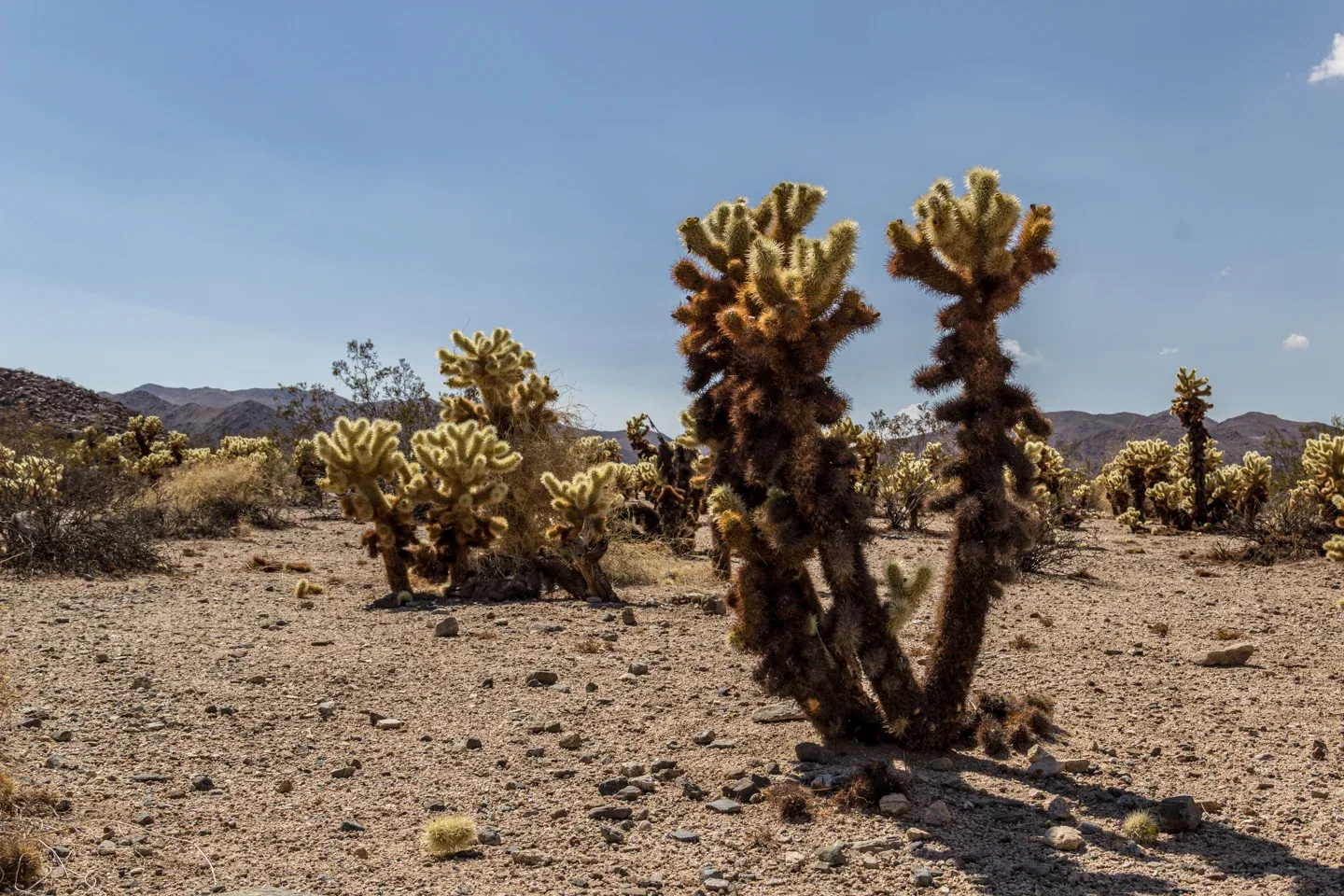


Maunakea and altitude
In Hawaiʻi, it is important to distinguish between driving to the summit, watching the sunset, and observing at night. The University of Hawaiʻi states that the summit area closes to visitors thirty minutes after sunset and remains closed until thirty minutes before sunrise. To observe afterward, visitors must descend to Park 2. So any plan to spend the entire night near the major observatories should be ruled out during the planning stage.
The Visitor Information Station is at approximately 2,804 meters. The university requires at least thirty minutes of acclimatization at the station before continuing higher. It advises against going above the station for children under thirteen, pregnant people, anyone who has scuba-dived within the previous twenty-four hours, and people with certain heart or respiratory conditions or high blood pressure. If you have a personal medical concern, seek medical advice before your trip.
The summit road has its own requirements: two-wheel-drive vehicles are not allowed beyond the station; current guidance requires a 4WD or AWD vehicle in good condition. Check road conditions and ranger advisories, as well as your rental vehicle agreement. Wind, cold, and weather can affect access regardless of your plans.
This destination is therefore suited to travelers already on the Island of Hawaiʻi who are prepared to make room for proper planning. Observing at a lower altitude may be an option when the ascent is unsuitable. The site has cultural and scientific significance: stay on designated routes, follow instructions, and do not enter observatory buildings unless access has been explicitly arranged.
We do not associate any affiliate offers with this section. Decisions about altitude, access, and transportation need to be settled before looking for an activity. Doing so helps you plan an outing that works for your group and complies with the site’s rules.
The budget for an astronomy trip
The useful cost to compare includes the session, transport, any access fees, and the accommodation needed around it. An experience departing from a town center with a shuttle can make the evening simpler. A meeting point in a remote area requires a suitable vehicle, fuel, and a driver who is still rested for the return journey. These costs sometimes weigh more heavily in the decision than the difference between two activity listings.
Experience prices and ratings are grouped in the central offers presented with this guide. Check the currency and terms for your date and group. To compare, verify what the listed amount is based on, the number of participants, and which services are included. We do not repeat prices in the paragraphs so as not to multiply figures that may change.
It is also worth asking how much time is actually spent observing. A two-hour session may include a welcome, travel, explanations, and refreshments. Another may devote most of the allotted time to the instruments. Ask how the evening is structured if your main goal is to look through the telescope, or if a child needs to be in bed at a specific time. The number of participants can also affect how long each person spends at an eyepiece.
For the trip itself, our planning recommendation is to book astronomy early in a stay of several nights. That way, you still have the option to reschedule. Check separately the weather policy, cancellation at your initiative, and refunds for expenses outside the activity: a canceled session does not automatically refund the hotel, vehicle, or flights.
What to look for when booking
A useful listing should help you understand what your role will be during the session. Does the group gather around a single instrument, or are several stations set up? Is naked-eye sky viewing part of the telescope sessions? These questions help distinguish a general introduction from an evening focused on telescopic observation. They are especially relevant if you have already attended an introductory session and want to explore a specific topic in more depth.
For a multilingual group, also look at how the commentary is delivered. Starting in a language everyone understands makes it easier to follow the conversation and instructions in the dark. If your booking includes several options, explicitly select the language and review the confirmation: the French text on the sales website and the languages offered by the guide are two different things. In Tekapo as in San Pedro, understanding the explanations well enough matters for following the session.
Before paying, ask specific questions about accessibility. A nearby parking space does not tell you whether the ground is sloped; a level path does not tell you how high the eyepiece is. Explain your needs to the provider and ask about transfers, getting around, and using the instruments. For children, also ask about viewing height, possible breaks, and the minimum age for the option you have chosen.
Finally, keep the confirmation with the address, local times, language, and weather instructions. Close to departure, check which communication channel the operator has specified: email, phone, or messaging. This preparation is especially useful when the site has poor network coverage or the time depends on the season. Once these details are settled, you can focus on observing rather than finding the group.
The horizon and observing location
A dark sky can still be impractical if the chosen location has a blocked horizon in the direction that matters. Conversely, a wide-open view from a parking lot does not make up for lighting aimed at your eyes. For an independent outing, consider how open the landscape is, nearby lights, and whether you can legally set up there. La Palma’s viewpoints and Joshua Tree’s designated areas are starting points to consider based on your itinerary.
Scouting the location before nightfall helps you identify the access route, steps, edges, and a place to set down your belongings. Above all, check that the location remains accessible at the planned time. A road open during the day may serve an area that closes in the evening; the restrictions at the summit of Maunakea and in Joshua Tree’s Day Use areas illustrate two cases where opening hours are part of choosing a site. Local instructions take precedence over a photograph found online.
For a guided experience, follow the specific meeting instructions rather than looking for another nearby location yourself. The operator may have chosen a permitted site suited to its equipment. At Joshua Tree, for example, the affiliated session and the park’s parking areas have separate arrangements. On La Palma, the meeting point for the French-language offer is on the LP-301; it should not be confused with a drive up to Roque de los Muchachos. This detail avoids a late detour and helps you calculate the return journey correctly.
A well-organized evening
Planning starts before you leave your accommodation. Confirm the address, time zone, date, and return arrangements; download directions when the area has poor network coverage. Eat before a long session if the listing includes only refreshments. The hot drinks offered by some operators make the experience more comfortable, but they do not replace clothing suitable for sitting still.
Once there, give your eyes time to adjust to the dark. The NPS recommendation of twenty to thirty minutes is a good guideline. A dim red light helps you get around; a bright screen or flash can disturb the whole group. Turn off the flash before you begin and ask the guide when photography is allowed.
Settle in without trampling vegetation and keep your belongings together. Closed-toe shoes, several layers of clothing, and an approved seat make observing more comfortable. The cold feels more intense when you remain still for a long time; clothing that feels comfortable during a daytime walk may not be enough at the telescope. Also bring water and any personal medication you need as part of your usual evening routine.
At the end, take time to get ready to leave without shining lights at the other observers. A familiar, short return route is particularly welcome after a late outing. Keeping the following morning flexible lets you enjoy the night without turning the trip into a succession of difficult wake-ups.
Equipment and night-sky photography
For a first guided session, the operator’s instruments are generally enough to discover the objects on the program. You can focus on the explanations rather than setting up your own equipment. For independent observing, easy-to-hold binoculars and an app prepared in advance can help you find the constellations; use the app with its display as dim as possible.
Photography requires a different approach from visual observing. A camera secured on a tripod allows long exposures; it gradually records light and reveals colors that the eye has more difficulty distinguishing in the dark. Photos of nebulae or the Milky Way published on activity pages should therefore be understood as photographic images, with their processing and shooting conditions.
To get started, use a simple composition, check the focus, and try several exposure times. The NPS recommends a tripod and manual settings for the night sky. The right values depend on the camera, lens, and result you want; check an image before starting a long series. Keep your screen turned away from the group.
If the listing promises portraits under the stars, ask how the files will be delivered and what the service actually includes. This option can save you from spending the session behind your camera. For an outing intended for personal astrophotography, instead check the amount of free time, the space available, and whether you are allowed to set up a tripod without disturbing the other participants.
FAQ
Where should I go for a first stargazing experience in French?
La Palma and Mont-Mégantic are the two most straightforward options in this guide. On La Palma, the selected experience offers French as one of its languages; choose the corresponding departure. At Mont-Mégantic, educational activities are part of a stay in Quebec and should be booked according to the actual schedule. La Palma suits a trip centered on an island; Mont-Mégantic fits into a Quebec trip you already have planned.
Do I absolutely need to book around the new moon?
A new moon makes it easier to observe faint objects, but the times when the Moon is in the sky are still decisive. A crescent that sets before your outing can leave you with a dark viewing window. For the Moon itself or certain planets, another phase may work perfectly well. Tell the guide what you want to observe and check moonrise and moonset for the exact location and date.
Which destination should I choose with children?
Mount Mégantic deserves consideration for its educational approach and the way it combines indoor activities with observing. At Tekapo, the operator’s Summit Experience welcomes children aged ten and older; other sessions have their own conditions. At Maunakea, children under thirteen must not go above the visitor information station. Also compare the end time, time spent outdoors, restroom facilities and return journey.
Can you stargaze without a paid excursion?
Yes, when access to the site permits it. Joshua Tree has designated stargazing areas, subject to the park’s parking rules and access fees. La Palma lists astronomical viewpoints. However, an independent outing requires planning your route, checking the weather and managing lighting. The price of a guided session pays for services such as instruction, equipment and the specific inclusions, which you can choose according to your needs.
What happens if the sky is cloudy?
How this is handled depends on the experience and booking conditions. Some operators offer rescheduling; Dark Sky Project also describes an indoor alternative. Check with the seller whether you can decline this alternative and what procedure applies. Booking early during a stay of several nights gives you practical flexibility to move the session, subject to availability. Any accommodation costs are subject to their own cancellation terms.
Should I buy a telescope before the trip?
For a guided introduction, start by using the equipment included in the experience. You’ll discover which objects interest you and what observing is like without having to transport bulky equipment. A personal telescope makes sense for a planned independent project, with the associated transport, power and setup requirements. For a first trip, binoculars and some unhurried observing time can already be rewarding.
Do the photos show what you’ll see with the naked eye?
A long-exposure photograph gathers light and can reveal details or colors that are less perceptible to the naked eye. Through an eyepiece, many faint objects appear in subtle shades; identifying them and discovering their structure is still worthwhile. Ask the guide to describe the target before you look. The objects available to observe vary with the date, time, equipment and atmospheric conditions.
How many nights should I plan to stay?
When astronomy is a key reason for the trip, we recommend spending several nights in the same base and scheduling the first session early enough to allow for rescheduling. This is a planning suggestion, not a guarantee of clear skies. A single evening may work as part of an itinerary you already have planned if you accept the weather risk. Avoid making a long journey depend entirely on one time slot without a backup plan.
Sources and checks
Plan your visits and check current conditions.
- Stargazing in Joshua Tree ↗
National Park Service · Accessed November 1, 2026
What this source supports
International Dark Sky Park; 20–30 minutes for visual adaptation; Moon; four designated areas; stargazing within 6 m of your vehicle; Day Use and camping rules; seasons; photography.
- Where to Stargaze ↗
National Park Service · Accessed November 1, 2026
What this source supports
Independent stargazing, public programs, the Moon and red lighting.
- Star gazing in La Palma ↗
Turismo de La Palma · Accessed November 1, 2026
What this source supports
Sky protection law, Starlight certifications and a network of astronomical viewpoints.
- The Mont-Mégantic Reserve ↗
RICEMM · Accessed November 1, 2026
What this source supports
First international dark-sky reserve certified in 2007.
- Visit the reserve ↗
RICEMM · Accessed November 1, 2026
What this source supports
ASTROLab at the foot of the mountain, with a public observatory for visitors; the scientific observatory is reserved for research at night, with daytime visits offered according to the program.
- San Pedro de Atacama Celestial Explorations ↗
SPACE · Accessed November 1, 2026
What this source supports
Tours take place on clear nights and may be suspended around the full Moon; this company is separate from Bajo la Noche de Atacama.
- Aoraki Mackenzie International Dark Sky Reserve ↗
Dark Sky Project · Accessed November 1, 2026
What this source supports
The area covers the Mackenzie Basin and Aoraki/Mount Cook, established in 2012, with southern hemisphere seasons.
- The Summit Experience ↗
Dark Sky Project · Accessed November 1, 2026
What this source supports
105 minutes, transport from the base, jackets; minimum age 10; a 100 m gravel slope and steps; not wheelchair accessible; weather alternatives; Māori and Western knowledge.
- Visiting Maunakea Safely and Responsibly ↗
University of Hawaiʻi · Accessed November 1, 2026
What this source supports
VIS at 2804 m, 30-minute acclimatization, restrictions on ascending (age, pregnancy, diving, health); 4WD/AWD vehicle; summit closes after sunset, with stargazing at Park 2; respect for the site.
- Aerial sunset over Paranal ↗
ESO · Accessed November 1, 2026
What this source supports
Site identification, VLT, aerial photography; full credit G.Hüdepohl (atacamaphoto.com)/ESO; CC BY 4.0 terms reviewed.
- La Palma stargazing tour with an expert astronomer ↗
Viator — supplier listing · Accessed November 1, 2026
What this source supports
Exact ACTIVE product reviewed via our API: language, duration, inclusions, meeting point and weather policy. Odyvero affiliate booking link; applicable terms and prices are those shown at booking.
- Tekapo: Guided stargazing experience at Mount John Observatory ↗
Viator — supplier listing · Accessed November 1, 2026
What this source supports
Exact ACTIVE product reviewed via our API: language, duration, inclusions, meeting point and weather policy. Odyvero affiliate booking link; applicable terms and prices are those shown at booking.
- Shared Chameleon stargazing tour ↗
Viator — supplier listing · Accessed November 1, 2026
What this source supports
Exact ACTIVE product reviewed via our API: language, duration, inclusions, meeting point and weather policy. Odyvero affiliate booking link; applicable terms and prices are those shown at booking.
- “Under the Atacama Night” astronomy tour ↗
Viator — supplier listing · Accessed November 1, 2026
What this source supports
Exact ACTIVE product reviewed via our API: language, duration, inclusions, meeting point and weather policy. Odyvero affiliate booking link; applicable terms and prices are those shown at booking.
- Professional stargazing tour in Joshua Tree ↗
Viator — supplier listing · Accessed November 1, 2026
What this source supports
Exact ACTIVE product reviewed via our API: language, duration, inclusions, meeting point and weather policy. Odyvero affiliate booking link; applicable terms and prices are those shown at booking.
- Moon Valley Amphitheater ↗
Diego Delso / Wikimedia Commons · Accessed November 1, 2026
What this source supports
Photo of Moon Valley in golden light. CC BY-SA 4.0 verified on the file page; original decoded at 8688 × 4379. Registry media at 1920 × 968, reduced without upscaling.
- Joshua Tree National Park — 2012 — 5669 ↗
Dietmar Rabich / Wikimedia Commons · Accessed November 1, 2026
What this source supports
Daytime photo of chollas. CC BY-SA 4.0 verified file by file; original decoded at 5184 × 3456; media saved at 1440 × 960. Not represented as the exact location of the tour.
Viator — activity pages
Source for the activity information below.Affiliate links: Odyvero may earn a commission when you book through this article’s buttons.
- Tekapo: Chameleon Stargazing ↗
Accessed November 1, 2026
- La Palma: stargazing with an astronomer ↗
Accessed November 1, 2026
- Tekapo: Summit Experience on Mount John ↗
Accessed November 1, 2026
- An astronomical evening Bajo la Noche de Atacama ↗
Accessed November 1, 2026
- Professional stargazing tour in Joshua Tree ↗
Accessed November 1, 2026


