 odyvero
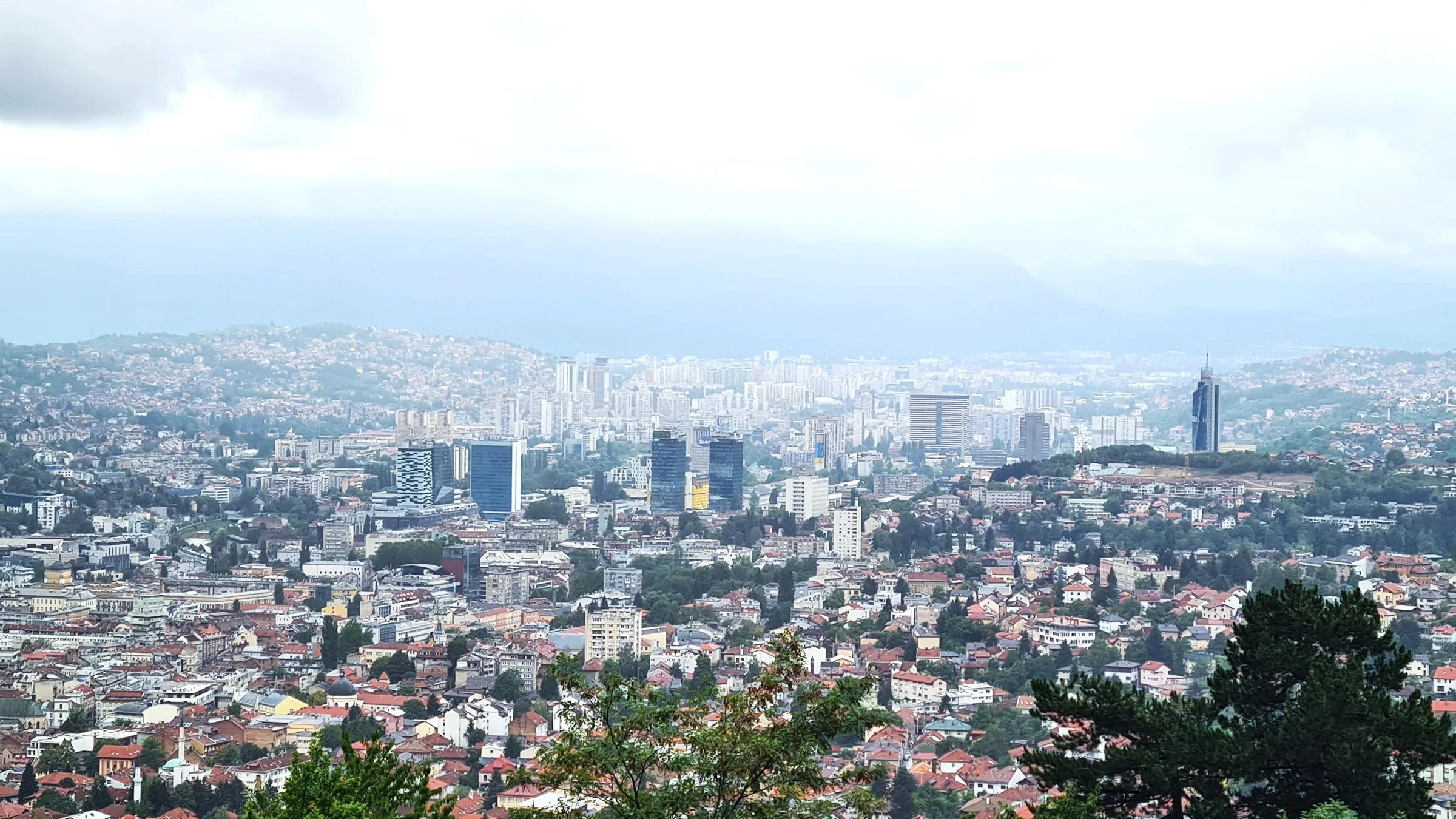
Three full days are enough to explore Sarajevo on foot, visit a site of remembrance, and head up to Trebević without renting a car. Since Transavia launched its Paris-Orly connection in April 2026, Bosnia’s capital has become a good choice for a trip planned around its neighborhoods, with flight times checked for your dates and a day that can be adapted to the weather.
Three days in Bosnia’s capital
The terrain provides the first rule for planning: Sarajevo stretches along a valley, while homes and viewpoints quickly climb the slopes. Staying near the Old Town makes evening walks easier; an address that looks close on the map may involve a steep climb. For a first visit, we recommend a central base and grouping trips by area.
The suggested itinerary divides three full days between the historic center, memories of the war, and the mountain. You can change the order: save Trebević for the clearest weather and schedule museums for a rainy day. Suggested visit durations are planning guidelines; adjust them to your walking pace and that day’s opening hours.
With only two nights, focus on the Old Town and one other theme. With four nights, it is easier to have three genuinely usable days between flights. That’s when Mostar merits a separate decision: an excursion takes a full day and replaces part of your time in Sarajevo. We recommend saving that trip for a longer stay if you also want to enjoy the cafés, museums, and hills without rushing every stop.
Flights and arrival
The Transavia connection between Paris-Orly and Sarajevo launched on April 17, 2026. The canton tourist board’s announcement at the time stated that there would be two flights a week, on Monday and Friday. That frequency describes the launch of the route: if you’re traveling in late autumn, winter, or the following year, check the dates actually offered before booking your hotel. An introductory fare does not establish the cost of a trip several months later.
Compare the total cost of transportation, including the baggage you need and getting to Orly. Also check arrival and return times. An evening arrival followed by an early departure leaves far less time than the same number of nights between two midday flights. In Sarajevo, the tourist board warns that fog in the colder months can disrupt flights, especially in the morning: avoid scheduling an important booking immediately after landing.
The airport is about twelve kilometers from the center. A shuttle connects it to the city; check its current schedule, stop, and payment options for your arrival. If you take a taxi or pre-book a transfer, keep the exact address of your accommodation handy and confirm the price or how the meter works before setting off. Also ask where the vehicle can drop you off if your lodging is on a pedestrian street.
A rental car adds little to this itinerary: you can explore the center on foot, Trebević has a cable car, and a guided vehicle tour can include the tunnel. Trams, trolleybuses, and buses cover longer journeys. The tourist board reminds visitors to validate their ticket on board; check the rules for the ticket you buy and any network changes.
Where to stay
For a first visit, look around Baščaršija, Ferhadija, or the nearby streets along the Miljacka. This area makes it easy to walk to landmarks, restaurants, and tour meeting points. However, account for the terrain when judging distance from the center: check the access street, stairs, and recent reviews mentioning arrival with luggage.
A room above a lively street may suit you if you like going out late; for quieter nights, ask for a courtyard-facing room and check what businesses are nearby. If traveling in the cold season, check the heating, as well as reception hours in case you arrive late. These details have more impact on a three-day stay than a long list of amenities you may barely use.
Travelers who prefer a more contemporary neighborhood can look toward Marijin Dvor, west of the old core, and plan for public transportation. For this short itinerary, we would first choose a place that makes it easy to return and rest between outings. A hillside accommodation with a beautiful view is best if everyone is comfortable with the daily climb and the access arrangements are clear.
Baščaršija and the banks of the Miljacka
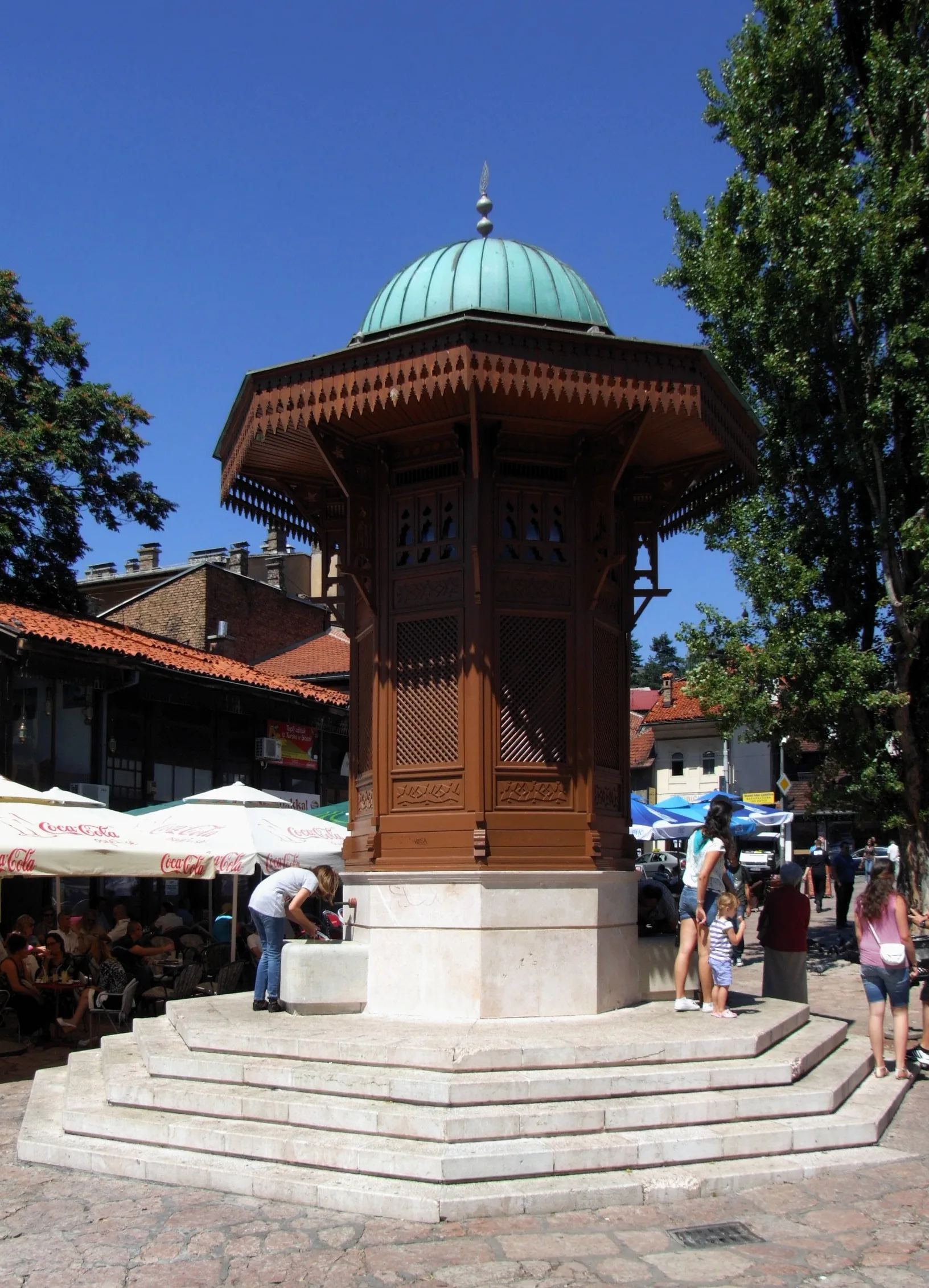
The first day can be spent entirely in the centre. Baščaršija retains the layout of an Ottoman merchant district: small streets, workshops, courtyards and places of worship shape the walk. The Sebilj fountain is an easy-to-recognise meeting point. Around it, make time for the side streets rather than crossing the district by following restaurant signs alone.
Kazandžiluk is a good place to see copperwork and copper objects, including small coffee pots and coffee sets. If you are considering a purchase, ask the seller about how the item was made and how it is used; a decorative object and a utensil intended for heating coffee serve different needs. Ask permission before photographing an artisan at work or the inside of a workshop.
The walk can then continue towards the Miljacka and Vijećnica, the city hall completed in 1896. Its Neo-Moorish-inspired façade is worth stopping to see from the riverbanks. The building, which was set on fire during the war while it housed the library, was restored and reopened in 2014. If you would like to go inside, check which areas are open and the current visiting arrangements, then allow time for a proper break rather than squeezing the interior between two appointments.
The Latin Bridge and the nearby museum offer another historical landmark: the assassination of Franz Ferdinand and Sophie in June 1914 took place nearby. Walking back up towards Ferhadija, you will find façades from another era and several places of worship close to one another. The appeal of this walk lies in the short distances between sites: you can take in each one in its own neighbourhood, without a succession of motorised journeys.


A guided tour of the centre
To connect these different periods, we recommend the Sarajevo & beyond walking tour offered on Viator. It lasts two hours, with an English-speaking guide, starting in front of Vijećnica and ending at At Mejdan Park, near the Latin Bridge. Groups are limited to fifteen travellers. The route includes Baščaršija, places of worship, Ferhadija and the area around the bridge.
This option is useful at the start of your stay if you want to explore the neighbourhoods on your own afterwards. The stops at the monuments provide useful context; plan separately for any interiors and museums you would like to explore in greater depth. Coffee and tea are not included in the tour we checked. Keep your ticket accessible so you can find the exact meeting point and recognise the guide.
If you prefer to explore independently, the same area is easy to visit without a reservation. Simply plan your visits around your interests: architecture and riverbanks, crafts, or religious history. At places of worship, opening hours and site etiquette take priority; appropriate clothing and discreet photography allow you to visit without disturbing those present.

Viator
Sarajevo’s city centre with a guide
To get your bearings on the first day: a two-hour walk with an English-speaking guide, departing from Vijećnica.
- 2 h
- 5/5 (33 reviews)
A walking tour in English starting at Vijećnica, to get your bearings in the neighbourhoods and learn about their landmarks; café and museum admission costs are separate.
Cancellation policy
For a full refund, cancel at least 24 hours before the scheduled departure date.
From €18.00
View activitySarajevo’s memories
The second day can focus on the war through a museum or a guided visit. The War Childhood Museum, at 32 Logavina, brings together objects and testimonies related to childhood during wartime. This approach, through individual experiences, gives everyday lives a place in the story. It can complement the history of the buildings and streets you encountered the day before.
Allow time for an attentive visit, followed by some time to talk about it or go for a walk. The museum lists French-language mobile guides that can be used on a phone. Bring a charged device; the visitor information will help you plan access and languages without relying on a French-speaking guided tour. At the time of our check, the museum listed its opening hours as 11 a.m. to 7 p.m., with last entry at 6:30 p.m. and closures on certain public holidays.
The museum offers resources for families, including routes for children aged four and eight and older. Let each child’s age, sensitivity and questions guide the length of the visit. There are also places to take a break. If you have limited mobility, contact the museum before your visit: at the time of our check, one notice said its accessibility lift was temporarily out of service.
The city’s memorial markers and cemeteries call for the same consideration. The “Sarajevo roses”, red-filled marks left by shell impacts, commemorate civilian victims. Let residents use their streets and places of remembrance; photography should not turn them into a staged scene. Over the course of a day, one in-depth museum visit is often more effective for understanding than several memorial visits in succession.
The tunnel and the guided tour
The tunnel built beneath the airport runway in 1993 linked Dobrinja and Butmir, allowing people and goods to pass during the siege. Its outlying location requires a separate plan from the walk through the centre. The museum site presents this history; the current visit covers areas open to the public, not a full crossing of the historic tunnel.
If you do not want to rent a car, the Adventure in Bosnia tour selected here includes an air-conditioned vehicle, an English-speaking guide and several stops focused on the siege. It is listed as lasting three to four hours, with a maximum of eight participants. It is especially suitable if you want to relate explanations about the city to its geography, from the urban routes to the hills and the tunnel.
Admission to the tunnel is not included in the offer we checked, nor is lunch: include these costs in your comparison and check their current prices. Pick-up depends on where you are staying and the arrangements agreed with the operator. Confirm the meeting point in your booking, especially if you are staying outside the old town. The exact itinerary and departure arrangements should be your reference for the listed stops.
Choose either this half-day trip or the War Childhood Museum as the main focus of your second day, and add the other only if you want to explore further. After a visit focused on the siege, a walk along the riverbanks and a relaxed meal offer a welcome transition. You can always return to a place the next day rather than filling the entire afternoon with a second tour.

Viator
The Siege of Sarajevo and the tunnel
To reach the tunnel and understand the geography of the siege without renting a car. English-speaking guide; tunnel admission paid separately.
- 3 to 4 h
- 5/5 (72 reviews)
A half-day vehicle tour with an English-speaking guide, for up to eight travellers; tunnel admission and lunch are not included. Confirm the meeting point with the operator.
Cancellation policy
For a full refund, cancel at least 24 hours before the scheduled departure date.
From €39.00
View activityTrebević and the heights
The third day leaves room for the landscape. The cable car runs to Trebević from the Hrvatin station; the ride offers a view of the relationship between the dense centre, the inhabited slopes and the mountains. Plan it for the best weather window of your stay, even if that falls on the first day. Good visibility is more valuable than sticking rigidly to the planned order.
Check the operating hours and the last return trip before setting off. In the colder season, daylight fades early, and conditions at higher elevations may differ from those in the centre. Bring a warm layer and shoes suitable for the paths; choose your walk based on the ground conditions and the time available. The cable car can be part of a short outing without requiring a long hike.
If you would like to explore more of the mountain and the area around the former Olympic facilities, plan a clearly defined route and stick to well-used paths. France Diplomatie advises staying on regularly used roads and paths because mines remain in some parts of the country. Ruins and shortcuts off the trail are not part of this itinerary. For a hike you do not know, a local guide is preferable.
If it rains or visibility is poor, postpone the ascent and keep the day in the city: visit a museum, explore the accessible interior of Vijećnica, take a short walk and stop for coffee. For another viewpoint near the old town, the Yellow Fortress can make for a walk when the weather and your ability allow. The return involves a descent; plan to have daylight and secure footing rather than improvising a late arrival.
Meals and Bosnian coffee
Meals can fit around your visits without turning into rigid appointments. In Baščaršija, ćevapi and pitas make for a fairly simple lunch; Bosnian restaurants also serve dishes such as bosanski lonac, a stew; klepe, meat dumplings; or japrak, stuffed vine leaves. Check the menu and ingredients rather than inferring what a dish contains from its name.
Bosnian coffee is worth a sit-down break, especially at one of the small cafés in the old town. It fits nicely after a walk or before heading to a museum. For something sweet, you may come across baklava and tufahija, a stuffed apple. The selection depends on the day’s menu; none of the places in this guide are presented as personally tested.
For vegetarian needs or allergies, ask for details about fillings, broths, fats, and garnishes. If necessary, prepare a written explanation of your dietary requirements. A pastry made with dough or a vegetable dish may contain other ingredients. The establishment’s staff are the right people to confirm whether a preparation is suitable.
Currency and budget
The local currency is the convertible mark, abbreviated KM and identified by the code BAM. The Central Bank states a fixed exchange rate of 1 euro to 1.955830 KM. Use this reference to read menus and check receipts, keeping your bank’s fees and payment method in mind. Carry small bills for expenses paid in cash.
To plan your budget, separate out the full cost of flights, accommodation, airport transfers, meals, and admission fees. Then add the guided tour you choose. The city walk and the half-day siege tour include different services; the tunnel also requires an admission ticket in the option selected. Prices and available reviews are shown in the central cards to avoid repeating details in the text that may change.
The main way to organize your trip is to book the services that add value for you: an introductory guided walk or transport to a site outside the city centre. The rest of your time can remain free. Check flights first, then choose accommodation with a cancellation policy that suits you and schedule visits on the days you actually have available. That way, you can rearrange your plans without undoing all your bookings.
Pre-departure formalities
For French nationals, France Diplomatie states that no visa is required for stays of up to ninety days. Your passport must remain valid for three months after your planned return date. A national identity card that is actually still valid may also allow entry; older cards whose validity was extended only under French rules are not accepted by the local authorities.
Stays of more than three days must be registered within forty-eight hours of arrival. Official hotels and hostels normally complete this formality for their guests. If you are staying in private accommodation, confirm with your host who is responsible for registration and keep any relevant supporting documents. Check the official travel advice before departure, as well as your insurance coverage and the terms of your mobile plan for Bosnia and Herzegovina.
In the city centre, the usual precautions mainly concern personal belongings in crowds and on public transport. For trips to the hills, choosing a familiar route and checking the weather become essential. This distinction is enough to plan an independent trip: simple travel around the city, with more careful preparation as soon as you leave the built-up areas.
FAQ
How many days do you need to visit Sarajevo?
Three full days make a good first trip: the old town, a place of remembrance, and an outing to Trebević. Two days are enough to explore the city, while choosing just one major addition. Count travel days separately: four nights do not guarantee three full days if your flights arrive late and leave early.
Is there a direct flight between Paris and Sarajevo?
Transavia launched the Paris-Orly–Sarajevo route on 17 April 2026. Two flights a week were announced at launch. Check the dates actually on sale for your trip: this announcement alone does not confirm winter frequencies or whether the service will continue the following year.
Can you visit Sarajevo without a car?
Yes, for the trip described here. You can explore the centre on foot, use public transport for other journeys, and take the cable car to Trebević. For the tunnel, joining a tour with a vehicle or arranging transport separately makes planning easier. Choose accommodation with walking access that suits your abilities.
Can you visit the museums in French?
The War Childhood Museum advertises a mobile guide in French that you can access on your smartphone. The two excursions selected in this guide are conducted with an English-speaking guide. If you want a French-speaking guide, explicitly look for that language among the available options before booking.
Is the tunnel admission ticket included in the excursion?
Admission to the tunnel is not included in the Adventure in Bosnia tour presented here. The vehicle and guide are part of the service consulted; lunch must also be arranged separately. Check the details of the option you choose and the meeting point confirmed by the operator to work out the full cost of the half-day tour.
Which season should you choose for this itinerary?
Spring and early autumn suit a trip focused on walks and a climb into the mountains. In summer, adjust your pace to the heat; in the colder season, bring warm clothing, expect shorter days, and allow more flexibility for fog or conditions on Trebević. Decide whether to take the cable car based on whether it is operating and on the day’s weather.
Can you add Mostar to these three days?
Yes, by dedicating a full day to it instead of one of your days in Sarajevo. For a first visit to the capital, we recommend keeping the local itinerary and adding Mostar with an extra night or day. If you are travelling by public transport, check the outbound and return schedules before choosing what to see there.
What documents do you need to travel from France?
French travellers can enter with a passport that meets the official validity requirements or a national identity card that is genuinely valid. Older identity cards extended beyond the printed expiry date are not recognized locally. For minors, also check their individual documents and whether an authorization to leave the country is required for your family’s situation.
Sources and checks
Plan your visits and check current conditions.
- Launch of the Orly–Sarajevo connection ↗
Sarajevo Canton Tourist Board · Accessed November 1, 2026
What this source supports
Launched on April 17, 2026; initial frequency was Monday and Friday, not extrapolated to subsequent seasons.
- Sarajevo flight schedule ↗
Sarajevo International Airport · Accessed November 1, 2026
What this source supports
Current timetable consulted; does not confirm future Orly–Sarajevo availability.
- Heritage and main sights ↗
Visit Sarajevo · Accessed November 1, 2026
What this source supports
Baščaršija, Sebilj, Vijećnica, completed in 1896 and restored in 2014, Latin Bridge, and nearby places of worship. The tunnel’s erroneous listing is excluded.
- Arriving in Sarajevo ↗
Visit Sarajevo · Accessed November 1, 2026
What this source supports
Airport about 12 km from the center, shuttle service, and possible fog-related disruption in the cold season; old fares not included.
- Getting around the city ↗
Visit Sarajevo · Accessed November 1, 2026
What this source supports
Tram, trolleybus, bus, and minibus network; ticket validation. No old fares included.
- How the cable car works ↗
Sarajevo Cable Car · Accessed November 1, 2026
What this source supports
Hrvatin station and cable car hours; check that it is operating and confirm the last return for your outing.
- Visiting the War Childhood Museum ↗
War Childhood Museum · Accessed November 1, 2026
What this source supports
Logavina 32; mobile guides including French, opening hours, family resources, and a notice that the accessibility lift is temporarily out of service.
- The siege and the tunnel ↗
Visit Sarajevo · Accessed November 1, 2026
What this source supports
The 1993 tunnel beneath the runway linking Dobrinja and Butmir; remembrance of civilians. Inconsistent siege death tolls and durations on this page are excluded.
- Food, coffee, and crafts ↗
Visit Sarajevo · Accessed November 1, 2026
What this source supports
Individual facts about Kazandžiluk, Bosnian coffee, ćevapi, pitas, bosanski lonac, klepe, japrak, baklava, and tufahija; the source itinerary is not included.
- Entry and stay ↗
France Diplomatie · Accessed November 1, 2026
What this source supports
French citizens are visa-exempt for up to 90 days; document validity, extended national ID cards not recognized, and registration of stay.
- Travel safety ↗
France Diplomatie · Accessed November 1, 2026
What this source supports
Precautions against theft and the presence of landmines; do not leave regularly used roads and paths.
- Currency and convertible mark exchange rate ↗
Central Bank of Bosnia and Herzegovina · Accessed November 1, 2026
What this source supports
Currency KM, code BAM; official rate 1 EUR = 1.955830 KM.
- Discover the city center on foot — 5652176P1 ↗
Viator / Sarajevo & beyond · Accessed November 1, 2026
What this source supports
Active product rechecked via Partner API: 120 min, English, up to 15 travelers, departure from Vijećnica and end at At Mejdan; coffee and tea not included.
- Siege history and tunnel — 167019P1 ↗
Viator / Adventure in Bosnia · Accessed November 1, 2026
What this source supports
Active product rechecked via Partner API: 180–240 min, English, vehicle, up to eight travelers; tunnel admission and lunch not included; meeting point to be confirmed.
- Panorama of Sarajevo, 2022 ↗
Wikimedia Commons · Accessed November 1, 2026
What this source supports
User:Felky; CC BY 4.0. Original 4032 × 2268; image reduced to 2400 × 1350, without upscaling.
- Sebilj Fountain, August 2012 ↗
Wikimedia Commons · Accessed November 1, 2026
What this source supports
Pudelek (Marcin Szala); CC BY-SA 3.0. Actual dimensions 1632 × 2262; subject inspected.
Viator — activity pages
Source for the activity information below.Affiliate links: Odyvero may earn a commission when you book through this article’s buttons.
- Sarajevo’s city centre with a guide ↗
Accessed November 1, 2026
- The Siege of Sarajevo and the tunnel ↗
Accessed November 1, 2026


