 odyvero
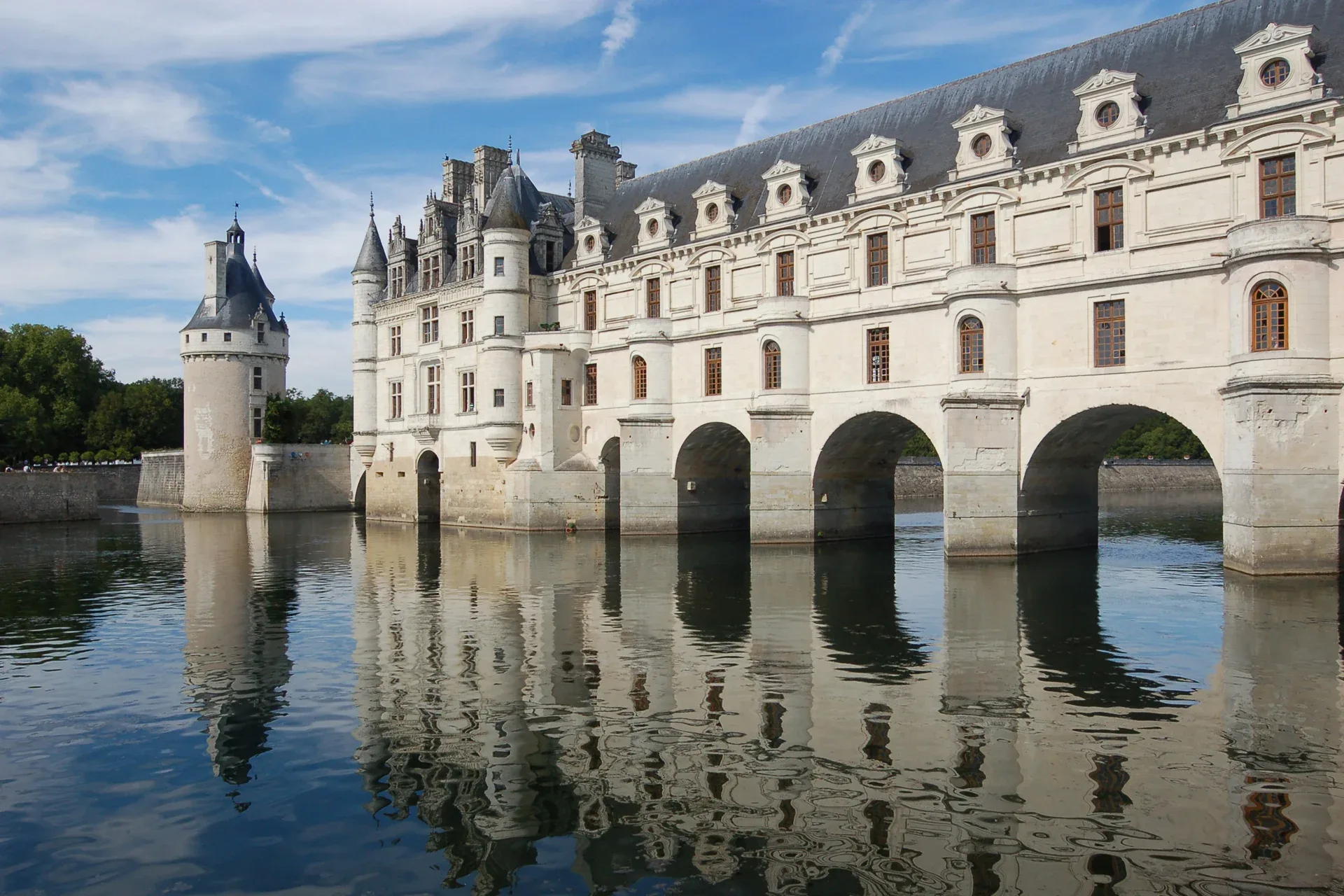

A walk with breaks in villages, a day cycling between the fields of Waterland, a few paddle strokes on the Hâvre: active holidays can take very different forms. To choose after 60, compare your current habits, the movements involved and whether you can shorten the outing. Here’s how to plan a trip that leaves room for scenery, visits and recovery.
Choosing an activity
The best starting point is your most recent outing. How long did you walk and enjoy it? Were you still comfortable on the way back? How long has it been since you last rode a bicycle? Have you ever spent an hour sitting in a kayak? These answers describe your next trip far better than the words “senior” or “gentle adventure” in a brochure. A regular cyclist may prefer a day in the saddle to a rocky walk; an experienced hiker may feel unsure among the bicycles in a city.
Hiking is particularly suited to people who enjoy observing, stopping and setting their own pace. Still, it’s important to consider the terrain, descents and distance between places where you can leave the route. Cycling expands the area you can cover in a day and lets you connect villages, gardens and riverbanks. It brings added questions of balance, traffic and equipment. Kayaking brings you close to riverside scenery and calls for different movements: getting down low, paddling, twisting your torso, then standing up again when you arrive.
For a first experience, choose one main activity. The others can remain short, optional tasters. A trip where you walk every morning, cycle in the afternoon and paddle the next day works your whole body without giving you time to understand what suits you. A single guided outing during a cultural trip is already a meaningful trial, without booking an entire week around an unfamiliar activity.
If you’re traveling as a couple or with friends, discuss differences in pace before booking. One person may enjoy continuous movement, while another wants to photograph every village. A shared base with occasional separate activities often works better than a permanent compromise. Choose the moments you’ll share: lunch, a visit, the return to your accommodation. No one should have to speed up all day for the holiday to remain enjoyable.
The real effort involved in hiking
Distance gives you an initial indication, but it does a poor job of explaining how difficult a walk will be. FFRandonnée distinguishes three criteria: effort, technicality and risk. This helps explain why two routes of the same length can make for very different days. A smooth trail lets you walk without constantly watching your footing; roots, steps or loose stones require continuous attention. An exposed section adds another challenge, even if it’s short.
If you’re getting back into hiking, look for a description that covers the terrain and the return as well as the views. Stairs, the steepness of descents, shade and distance from the road all matter. If you’re mostly used to walking in town, an easy-to-shorten forest loop is a clearer transition than a long-distance crossing. Ask the tourist office for a route suited to your current footing, and check its recent condition and any closures.
The descent deserves a question of its own. Reaching the viewpoint doesn’t end the outing; you still have to come back down, sometimes over wet ground and when you’re more tired. Hiking poles can help people who know how to use them, but you should learn how to adjust and handle them before the trip. Try your shoes on several walks near home. New shoes and an unfamiliar trail mean adjusting to two things at once.
For a guided tour, ask how the guide handles differences in pace. The itinerary may promise breaks without offering a real option to return early. Ask whether a vehicle follows the group, whether there are pickup points, and who accompanies someone who needs to stop. These answers describe the service you’re buying. They’re especially useful if you’re signing up alone or your companions have different abilities.
Cycling and electric assistance
Cycling works well for a trip where discoveries are spread across several villages. You can spend the morning traveling, take a long break and return without changing hotels. La Loire à Vélo brings together rental services, luggage-transfer providers and e-bike rental options. This makes a trip easier to organize, provided you choose a stretch and package that suit your habits.
Electric assistance makes pedaling easier, particularly on hills or into a headwind. The bicycle’s weight is still there when you’re stopped, maneuvering or having to push it. Before setting off, try starting, braking, making tight turns and getting off the bicycle. Check that you can put a foot down easily and operate the controls without taking your eyes off the road for long. A trial in a quiet area tells you things the motor’s power rating cannot.
An easy-to-mount frame, a well-adjusted saddle and comfortable grips can matter more to your enjoyment than a long technical specification sheet. Ask the rental shop which model will actually be available and whether they’ll adjust it before handing it over. For a guided day trip, ask about the surface, traffic and sections where the group rides alongside other road users. Even flat scenery can call for good bicycle-handling skills.
For a multi-day trip, carry your belongings in suitable panniers or use a luggage-transfer service booked in advance. Keep water, a protective layer and everything you need for the day with you. The battery and its charger also need planning: check the stated range for your intended use and whether you can recharge at each stop. A manufacturer’s range claim is no guarantee of what you’ll get on your route, with your assistance level and luggage.
Kayaking and getting in and out of the boat
Before comparing distances on the water, consider how you will get into the boat. Launching from a low bank, a beach, a high dock, or steps involves different movements. The landing point may also differ from the departure point. Ask whether someone will help stabilize the kayak and how getting out of the water works. If your knees or hips make certain movements difficult, describe those movements precisely to the provider.
Your seated position matters as much as the paddle. Can you sit comfortably with your legs in the intended position? Is the backrest adjustable? Is there a break where you can get out? An open canoe, a tandem kayak, and a solo kayak offer different setups. The choice depends on the exact equipment and your experience. If you are paddling as a pair, also check that you are comfortable coordinating your strokes without having to constantly push harder on one side.
The environment fundamentally changes the outing. A sheltered river, a large river, a lake exposed to the wind, and a maritime coast call for different skills. The current, water temperature, boat traffic, and distance from the banks should be assessed with the local professional. For a first outing, choose a short route with a straightforward departure and return. Ask about swimming requirements, the life jacket provided, and the briefing arrangements before booking.
With a rental, you are responsible for navigating after the departure instructions. A guided outing includes support during the activity. Check which one is listed on your ticket. The word “discovery” can refer to either. Someone who has never paddled and wants to learn the strokes along the way will often benefit from actual supervision. Safety instructions and the decision to proceed with the outing remain dependent on the conditions that day.
The Loire on a Flexible Trip
The Loire Valley makes it possible to combine activity and heritage without planning every day around a performance goal. The Loire à Vélo network, accommodation, and specialist services offer several ways to arrange a trip: a fixed base with day outings, a short touring route, or an option where luggage is transferred separately between accommodations. For a first attempt, a fixed base reduces the logistics of arrival and lets you choose activities according to the weather.
Then choose an area. A stop in Touraine can focus on villages, gardens, and châteaux; the area around Oudon offers a different landscape, between the Loire and the Hâvre. These places are in different parts of the valley. It is better to stay in the area that interests you than to try to combine Chenonceau and a short water activity in Oudon on the same day. The time saved on the road can become a visit or a proper break.
For a first touring trip in general, La Loire à Vélo suggests a benchmark of forty to fifty kilometers per day. This figure is intended for a broad audience and is not a starting distance for every person over 60. To find out how comfortable you are on a bike, a much shorter loop, tried without luggage, will be more informative. Keep the option of stopping in a village instead of having to reach a room already booked far ahead.
In Oudon, L.A. Kayak describes a round trip on the Hâvre, with departure and arrival at the same welcome point. The rental company describes this waterway as having no current and offers, among other options, a one-hour rental. This setup makes a short introduction possible, subject to water conditions and opening hours. It is not a substitute for assessing your own ability or a guarantee of identical conditions every day. The professional should confirm the boat, briefing, and participation requirements.
The same provider offers a package combining cycling and a water activity, which must be booked. You can also do the two activities on different days. The rental company's page lists opening periods from April to September, with days varying by month. For a late-autumn date or the following season, ask for confirmation before planning your trip around canoeing. A walk or a heritage visit offers an alternative when the outing is not available.
Waterland from Amsterdam
From a base in Amsterdam, an excursion in Waterland offers a way to try guided cycling without changing hotels. The city's canals and the rural landscape provide two distinct travel experiences. Set aside one day for the urban neighborhoods and a separate half-day to go cycling. This separation avoids arriving at the activity after already spending a long morning walking through museums and streets.
The Mike’s Bike Tours excursion offered on Viator departs from Oosterdoksstraat 106, near Central Station. The listing asks participants to arrive fifteen minutes early and states that the guide speaks English. The bike and helmet are included; water, lunch, and hotel pickup must be arranged separately. The listed overall duration is four hours. Booking options should be reviewed individually because they affect the equipment and itinerary.
The long option advertises thirty-seven kilometers on an electric bike, with a stop related to cheese and clogs. The short option uses a classic Dutch bike and does not include these two visits. So first choose between a longer assisted ride and a shorter ride without a motor, then check the itinerary for your departure. The two options do not meet the same discovery needs or offer the same cycling comfort.
We recommend this excursion for someone who already rides confidently and wants a guide on an outing outside the city. The provider requires average physical fitness and confident cycling; the e-bike requires a minimum height of 155 centimeters. You should be able to understand the instructions in English while riding. If you are trying to regain your balance after several years without cycling, an individual trial near home is preferable before booking a group outing.

Viator
Cycling in Waterland from Amsterdam
For travelers who already feel comfortable cycling and want a guided outing outside Amsterdam. Explicitly choose the long e-bike option or the short classic-bike option; English-speaking guide.
- 240 min
- 4.8/5 (1,719 reviews)
Guided excursion in English. Choose the longer e-bike option with a cheese farm and clogs, or the shorter classic-bike option without these visits; select your option when booking.
Cancellation policy
For a full refund, cancel at least 24 hours before the scheduled departure date.
From €39.50
View activity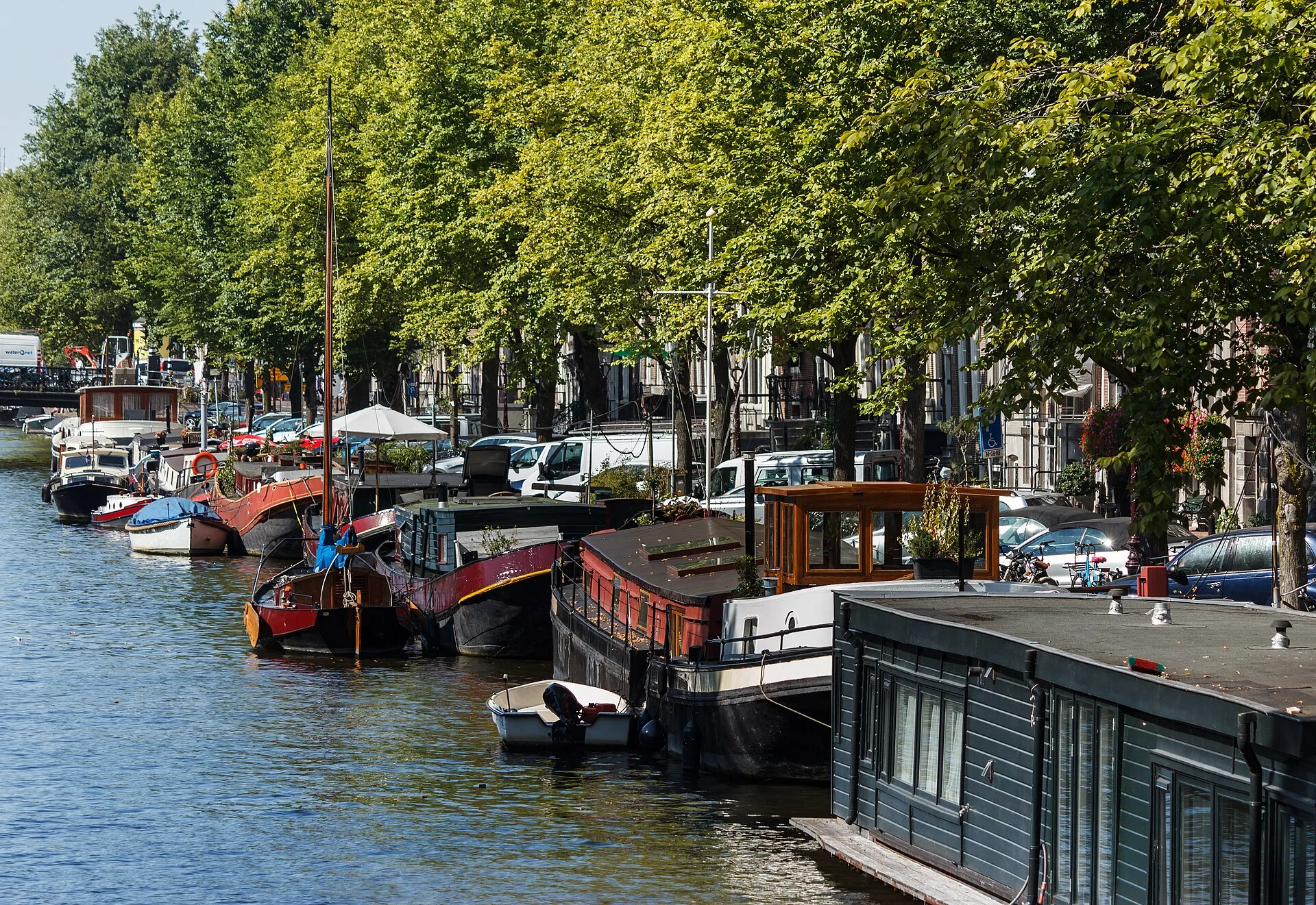

The French Riviera for Experienced Cyclists
Nice makes it possible to include an active outing in an urban stay without planning a full tour. The Mobilboard scenic route connects the Promenade des Anglais, Villefranche-sur-Mer, and the heights of Mont Boron, with a section passing by Fort Mont Alban. The itinerary combines coastal views, the city, and higher-elevation sections. Its appeal lies in this variety of scenery on an outing departing from Nice.
The Viator listing for the route states that the scenic program lasts three hours. A separate option with a swimming break is listed as four hours: check which one you are buying. The meeting point is the Mobilboard agency at 2 rue Halévy, fifteen minutes before departure. French and English are among the available languages; select one for your chosen time slot. The bike and helmet are included; food and drinks must be provided separately.
This recommendation is for cyclists who are already comfortable riding. The provider’s participation information states that a high level of physical fitness is required and specifies that the route alternates between cycle paths, road traffic, and pedestrian areas. Assistance does not eliminate maneuvering or the need to control the bike. A helmet is mandatory. If you have a health condition, check whether it is compatible with the operator's requirements and seek medical advice appropriate to your situation.
The French Riviera is therefore suited to travelers looking for a more demanding guided excursion, with the option of returning to a sightseeing itinerary afterward. For a very gradual return to cycling, choose a rental on a short route after checking the surface and traffic, or take a walk. Schedule some quiet time after the outing and check the weather conditions for that day. Being by the sea does not tell you how hot or windy it will be during your time slot.

Viator
Nice and Villefranche by electric bike
For experienced cyclists who want to connect Nice, Villefranche, and the heights of Mont Alban with a guide. The route includes traffic and requires a high level of physical fitness; select a French-speaking departure if needed.
- 4.8/5 (216 reviews)
Guided scenic tour to Villefranche and Mont Alban, for experienced cyclists. French or English depending on departure; helmet included, meals and drinks not included.
Cancellation policy
For a full refund, cancel at least 24 hours before the scheduled departure date.
From €55.00
View activityChoosing the Right Level of Guidance
A group excursion works well when the advertised pace already matches your experience. The guide organizes the travel and stops, but must also take the other participants into account. Before booking, ask about the group size, the actual time spent moving, and whether stops can be made. A three-hour activity may include several explanations and breaks; it may also leave little time off the bike. This distinction deserves a clear answer when you are getting back into cycling.
A private service can make it easier to discuss your preferences: more time in a village, a shorter distance, or a suitable departure time. These arrangements must be agreed before purchase. A private booking does not guarantee that the provider can change a route subject to navigation rules, a closure, or a return-time requirement. Ask for confirmation of the agreed itinerary and the conditions under which it may change. This will help you determine whether you are buying a genuine adaptation or simply a departure reserved for your group.
For several self-guided days, check the quality of the information pack provided. It should help you find the start point, stage-change locations, and assistance contact details. Also check the route directions and return arrangements. A downloaded route does not always reflect a recent diversion; the provider or local authority should be able to direct you to up-to-date information. If you regularly want to ask questions about technique or navigation, on-the-ground guidance meets that need better than a route file alone.
Finally, compare the language used for the service throughout the day. An exchange in French when booking does not mean the on-site guide will speak it. For an international group, make sure you can follow instructions while moving and report a problem without waiting for the next break. This ease of communication directly contributes to a comfortable trip.
Season and conditions
The timing of your trip depends as much on the activity as on the destination. For cycling in the Loire Valley, spring and early autumn can be an alternative to the summer heat; actual weather, open services, and diversions still need to be checked. In April or September, do not assume every watersports rental shop is open every day. A base open on weekends may operate by reservation only during the week.
In the Netherlands, pay particular attention to wind and rain forecasts. A route without major hills can become tiring when the group rides into a headwind for a long time. The Waterland excursion runs rain or shine: dress accordingly and read the cancellation terms. A rain jacket does not guarantee that you will feel comfortable on a wet road; consider this before setting out.
In Nice, mild-season weather does not rule out a very hot day or unfavorable conditions by the sea. For walking or cycling, choose your schedule with the operator and plan to bring enough water. On the water, the outdoor temperature alone is never enough: ask what equipment is provided and what conditions would lead to a postponement. An active trip is more flexible when two days’ activities can be swapped without moving all your accommodation.
At the end of October, planning for the following spring makes sense for a trip combining cycling and canoeing around Oudon. Published schedules help you understand the rental provider’s usual operations; they do not confirm future opening dates. If you want to go earlier, choose an activity whose departure has actually been confirmed. Keep walking tours and cultural discoveries as part of the trip without relying on an assumed watersports schedule.
The pace of a short trip
For a first trip, four days based in one place may be enough to try an activity and understand how you recover. Here is a sample itinerary to adjust to your transport arrangements and experience level. Keep the first day light: settle in, take a short walk, and find the activity’s starting point. If you are renting a bike, use this time to adjust the equipment and try it out, without turning your journey to the destination into your first challenge.
Plan the main activity for the second day, while you still have room to reschedule it. In Amsterdam, this could be the Waterland excursion; in the Loire Valley, a loop chosen with the rental provider. Afterward, leave time for a meal and an unplanned evening. Booking a timed visit immediately after returning leaves you less flexibility if you are delayed or tired. Unscheduled time is part of a comfortable itinerary.
Decide what to do on the third day based on how you feel. A heritage visit and a walk may be enough after a day in the saddle. If you are staying near Oudon and conditions have been confirmed, a short visit to Le Hâvre could fit in. You do not need to book this second activity far in advance if doing so would mean ignoring your need to recover; instead, ask the provider what booking options are realistically available.
You can spend the fourth day exploring the area before heading home. If you plan to move on to a multi-day trip, use this first stay as a benchmark: saddle comfort, luggage weight, getting on and off a boat, or how you handle descents. You will then be able to choose a longer trip based on concrete personal experience. Progress can also mean keeping the same format while allowing more time in villages and reducing travel between bases.
Equipment and preparation
Prepare your gear based on the activities you will actually do. For walking, bring well-worn shoes, protection from rain and sun, and a bag you can carry comfortably for an extended period. For cycling, choose clothing that will not catch in the drivetrain, and carry your belongings securely. Check that the provided helmet fits properly. For time on the water, ask for a list suited to the rental provider’s equipment: footwear, a dry change of clothes, and protection for personal items can all affect your comfort on the way back.
A charged phone can help you find a meeting point or report a delay, but network coverage should not determine whether a route is safe. Keep essential directions offline and save the guide’s contact details. Before a self-guided hike, share your itinerary with someone you trust. For a guided activity, mention your needs before setting off, giving specific details: difficulty walking down steps, limited shoulder movement, hearing, or understanding instructions.
If you are returning to an activity after a long break, try it gradually close to home. Regular walks, a test ride, and a supervised introductory session can give you an idea of what feels comfortable. The WHO notes that any amount of physical activity counts and that muscle-strengthening activity is beneficial. These general recommendations are not a fitness certificate for an excursion. A chronic illness, new pain, or a recent change in treatment warrants a conversation with your healthcare professional.
Also ask how routine incidents are handled: a flat tire, stopping early, a delay, or a change in the weather. An organized trip may include phone assistance without an immediately available vehicle. For a self-guided trip, keep enough money for a suitable return journey and check local options before setting out. Anyone who wants regular assistance would be better off paying for clearly described support than relying on the rental provider’s informal availability.
Budget and booking
Compare budgets on the same basis: transport to reach the destination, accommodation, meals, equipment, guiding, and any return journeys. An excursion lasting a few hours may seem more expensive than a day rental while including a guide. Conversely, a rental lets you choose your stops and route when you already have the necessary skills. The price alone says little about which option will actually suit you.
Activity cards bring together prices, durations, and reviews from the main offers. Above all, check what is included in the selected option before paying. In Waterland, the longer assisted option and the shorter classic option do not offer the same itinerary. In Nice, the swimming break is part of a separate option. Also budget for water, a meal, or transport to the starting point when these are not included.
For trips lasting several days, check the luggage-transfer conditions: which accommodations are covered, accepted weight, drop-off and arrival times, and arrangements if a stage is changed. If you are traveling with your bike by train, check the carrier’s rules for the exact journey and the equipment concerned. Carrying a heavy bike through a station or lifting it into a storage space can add a difficulty that is not part of the cycling route.
Finally, read your insurance policy with the specific activity in mind. Hiking, cycle touring, and kayaking may be subject to different conditions depending on the location, whether the activity is guided, and the policy. Check assistance, rescue, repatriation, exclusions, and any age-related conditions. Keep booking confirmations accessible during your trip. A written inquiry to the insurer or provider can clear up any ambiguity before departure, especially if you need an accommodation or a specific service.
FAQ
Can you start an active vacation after 60 or 70?
Yes. Choose based on your current activity level and health. Start with a short activity you can try near home, then choose a trip with breaks and the option to shorten the route. Age alone does not describe your balance, endurance, or ability to get into a boat. If you are resuming activity after an illness, pain, or a long break, seek individualized medical advice before booking a demanding activity.
Which activity should you choose for a first experience?
Walking on even terrain makes it easy to set your own pace if the route offers straightforward return options. Cycling suits those who already ride confidently; kayaking requires being comfortable in the water, sitting for extended periods, and getting into the boat. Start with the activity whose movements feel familiar. A guided introduction is useful if you want to learn a new activity during your vacation.
Is an electric bike suitable for beginners?
It can make pedaling easier, but you still need to know how to start, brake, turn, and manage the bike’s weight when stationary. Try the model before joining a group excursion. Check the frame height, saddle adjustment, and any height requirements set by the operator. If you have not cycled for a long time, start again in a quiet area before booking a road ride or group outing.
Can you kayak if you cannot swim?
Check the participation requirements with the specific provider; several activities require participants to know how to swim. A life jacket and being near the shore are not enough to determine on your own whether an outing is suitable for you. Clearly state that you cannot swim and ask for an answer before booking. Choose another activity if this requirement is not met or if you remain uncomfortable with the risk of capsizing.
Where can you try canoeing near the Loire?
Le Hâvre in Oudon is one option for a short round-trip rental: L.A. Kayak lists a departure and return at the same reception point, as well as a one-hour rate. The rental provider describes the waterway as having no current. Ask them to confirm that they are open, the water conditions, the type of boat, and the participation requirements. This option is on the Hâvre; a descent on the Loire takes place in a different setting and requires a separate qualification.
Are the recommended tours available in French?
The Mike’s Bike Tours outing in Waterland is in English. The Mobilboard tour starting in Nice offers French and English, depending on the departure you book. Select your language when purchasing and check your confirmation. When you are on the move, it is important to understand instructions quickly; a French translation of a booking page does not change the language spoken by the guide.
Should you book a trip specifically for seniors?
A specialized option may be worthwhile if its pace, guidance, and assistance meet your needs. Check these details in the itinerary rather than relying on the label. The activities in this guide are general offers, each with its own requirements. If you want a group of people in a similar age range, help getting into a boat, or arranged early returns, ask the organizer to confirm these services explicitly.
What budget should you plan for an active trip?
The total depends on transport, duration, accommodation, and the level of guidance. Add activity costs to your trip expenses, then include items not covered: water, meals, transfers, luggage, or specific equipment rentals. Excursion prices are shown on their cards, based on the available data and the selected option. Compare services of the same kind rather than a self-guided rental price with that of a complete guided outing.
Can you sign up alone?
A group excursion can let you join other participants without having to organize a group of friends. Check whether the departure is confirmed and what the conditions are for individuals. For a multi-day trip, also check accommodation, meals, and assistance between stages. If you want a double kayak, ask how your partner will be assigned. A group departure does not automatically mean that someone else will share your pace or boat.
Sources and checks
Plan your visits and check current conditions.
- Physical activity
WHO · Accessed November 2, 2026
What this source supports
Any amount of physical activity counts; these are general recommendations, not an assessment of an individual’s fitness for an excursion.
- Hiking trail ratings
FFRandonnée · Accessed November 2, 2026
What this source supports
Difficulty assessed by effort, technicality and risk; no route or score has been invented.
- First multi-day cycling trip
La Loire à Vélo · Accessed November 2, 2026
What this source supports
Rental services, e-bikes and luggage transport; the general guideline of 40–50 km/day is not specific to seniors.
- Practical questions
La Loire à Vélo · Accessed November 2, 2026
What this source supports
Bicycle transport depends on the operator and charging options; arrangements must be confirmed for the chosen trip.
- Luggage, bicycle and passenger transfers
La Loire à Vélo · Accessed November 2, 2026
What this source supports
Specialist services are listed; conditions and the accommodation served should be checked.
- Canoe-kayak outings
Ôsez Mauges · Accessed November 2, 2026
What this source supports
Water-based discovery trips on the Èvre and Loire; listed providers.
- Loop on the Hâvre at Oudon
L.A. Kayak · Accessed November 2, 2026
What this source supports
Round-trip rental from the same welcome desk, a waterway described as having no current, one-hour package, and a bike/canoe option by reservation. The page lists April–September, with no guarantee that this will apply in a future season.
- Countryside Bike Tour from Amsterdam: Cheese, Clogs and Windmills
Viator / Mike’s Bike Tours · Accessed November 2, 2026
What this source supports
ACTIVE product rechecked via Basic API: English-speaking guide, general duration 240 min, long TG4 option is 37 km on an e-bike with a farm visit, short TG6 option is a standard bicycle without a farm visit; equipment and helmet included; water, meals and hotel transfer excluded. Comfortable cycling ability and average fitness required.
- Scenic E-Bike Tour: Nice - Villefranche-Sur-Mer - Fort Mont Alban
Viator / Mobilboard · Accessed November 2, 2026
What this source supports
ACTIVE product rechecked via Basic API: scenic tour 180 min, swimming option 240 min; French/English; road, cycle path and pedestrian area; helmet and bicycle included; high physical fitness required.
- Photograph — Wladyslaw / Wikimedia Commons
Wikimedia Commons · Accessed November 2, 2026
What this source supports
CC BY-SA 3.0 confirmed by the raw file page/API; actual dimensions of the local source-file bytes checked with Pillow, image inspected.
- Photograph — Slaunger / Wikimedia Commons; reduced without upscaling and converted to WebP.
Wikimedia Commons · Accessed November 2, 2026
What this source supports
CC BY-SA 4.0 confirmed by the raw file page/API; actual dimensions of the local source-file bytes checked with Pillow, image inspected.
Viator — activity pages
Information about the offers featured in this article.Affiliate links: Odyvero may earn a commission when you book through this article’s buttons.
- Viator : Nice and Villefranche by electric bike
Accessed November 2, 2026
- Viator : Cycling in Waterland from Amsterdam
Accessed November 2, 2026


