 odyvero
A trail restored in the Faroe Islands, a meadow maintained in Finland, a permit that funds community projects in Rwanda: travel contributions take very different forms. Here are five options to help you choose where to go, understand what your money or time supports, and plan a trip without mistaking an environmental promise for an established result.
Evidence of a contribution
Regenerative tourism aims to improve the environments and communities that welcome travelers. When planning a vacation, this ambition becomes useful when it is accompanied by precise information: a place, a responsible party, an action, and a way to track its effects. A business that restores a meadow can explain the work carried out, the species it benefits, and how visitors take part. The adjective “regenerative” alone on a brochure tells you much less.
Before booking, it is worth distinguishing three mechanisms. Direct participation involves you in a supervised work project. Earmarked funding supports an action through an identified permit, contribution, or donation. Local purchases pay guides, accommodation providers, and local artisans. All can have a place in a trip; each calls for different evidence. Strong economic benefits alone do not show that an ecosystem is recovering.
The journey to your destination also remains part of the picture. Useful work at the destination does not erase the emissions from getting there. If you are leaving from France, first compare overland options, then consider how much time you will actually spend in the region. When traveling far, staying around a few bases helps avoid multiplying journeys. The following destinations mainly help you understand the choices available to you.
Finland: meadows and peatlands
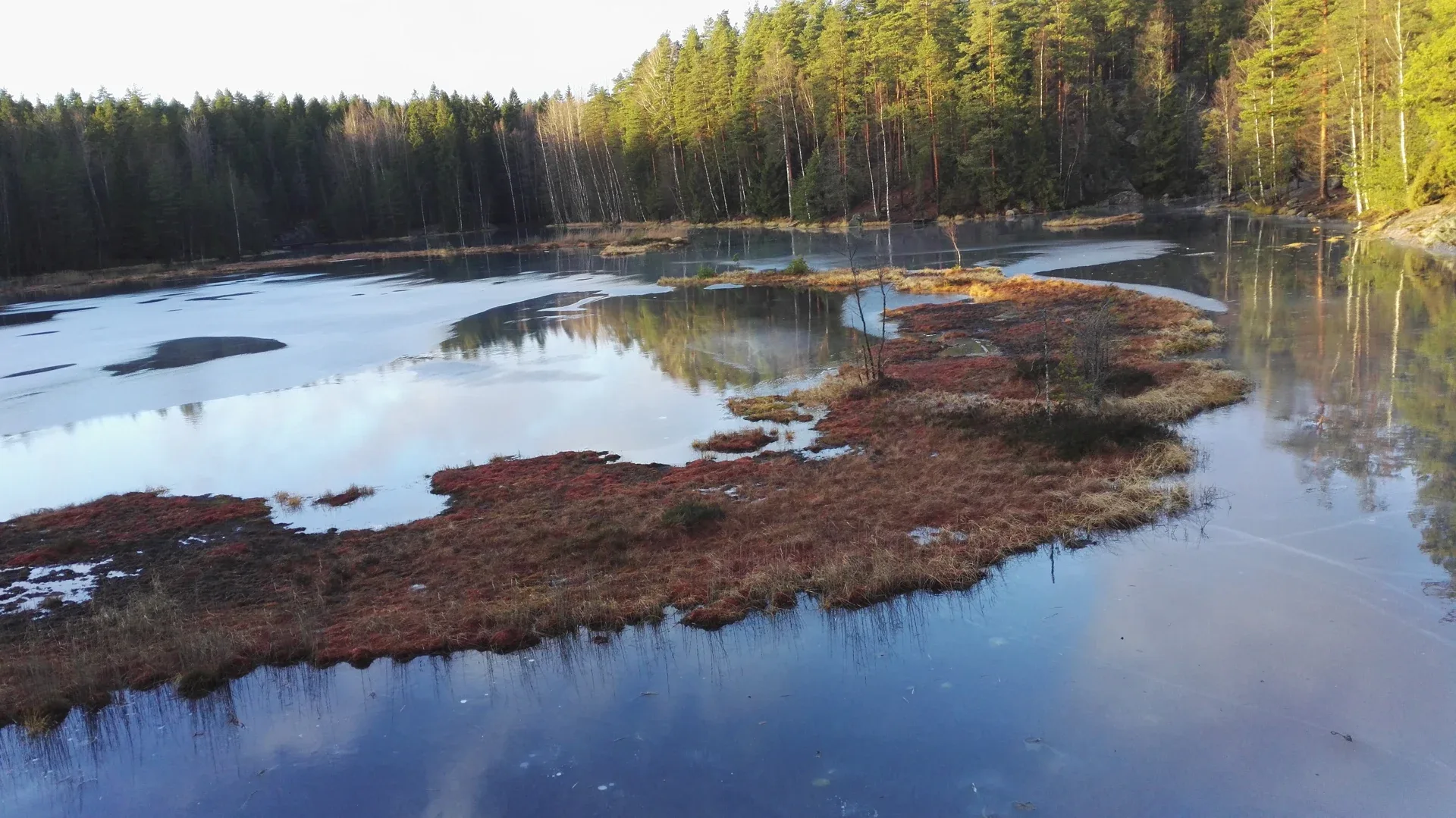
Near Nuuksio National Park, meadow maintenance illustrates modest but concrete work. Visit Finland describes the activities offered by Haltia Lake Lodge: cutting the grass and then removing it with traditional tools helps maintain an open, nutrient-poor habitat that benefits certain threatened plants. The ecological value comes from work suited to this habitat, with the necessary supervision to determine where and how to intervene.
In the same area, Hawkhill is running an initiative to control invasive lupins, involving residents, associations, businesses, and travelers. The national tourism board also describes guided walks around the Haukansuo peatland, which is being restored. When planning your stay, ask the organizers directly whether any work or guided visit is available during your dates. Work follows the needs of the environment and the teams’ schedules; a mention on a website does not mean you can sign up.
This approach suits travelers willing to spend part of their day learning about a habitat or carrying out a specific task. Choose your accommodation based on where the activity takes place: Nuuksio, the Helsinki region, and Lapland are distinct areas. A program observed in one does not apply to every Finnish excursion.
From Helsinki, a guided trip to Sipoonkorpi offers another way to explore the forest. The selected experience includes about six kilometers of walking, lunch, and a smoke sauna, with transport from the meeting point in front of the Kiasma Museum. The guide speaks English; the route includes hills and steep steps. Bring a water bottle and a swimsuit. This booking is for a guided day in nature: no restoration work is included in the service.

Viator
Forest and smoke sauna from Helsinki
Explore the forest from Helsinki with an English-speaking guide, then enjoy the sauna. Allow a full 6 hour 30 minute day and six kilometers of walking; this option does not include restoration work.
- 6 h 30 min
- 5/5 (246 reviews)
A guided day trip in English in Sipoonkorpi: approximately six kilometres of walking, lunch, and a smoke sauna, with transport from Kiasma. Bring a water bottle and swimsuit; no ecological work is included.
Cancellation policy
For a full refund, cancel at least 24 hours before the scheduled departure date.
From €165.00
View activityFaroe Islands: trail maintenance
Through Closed for Maintenance, the Faroe Islands invite participants to take part in work projects selected by municipalities and local tourism boards. The activities described include improving trails, installing signs, and building viewpoints. These projects serve sites used by residents as well as visitors and address locally identified needs.
The program selects participants, who are divided into teams with coordinators and Faroese volunteers. The organizer provides accommodation and meals during the three nights of the maintenance period. Before applying, consider what you are agreeing to in terms of outdoor work, assignment, and communal living. Your role depends on the project you are assigned to, rather than a tourist itinerary you design entirely yourself.
The official page lets you sign up to be notified when the next applications open. Wait for selection and the details of the relevant edition before buying non-refundable transport. No future dates are assumed here. If your trip does not coincide with the program, you can visit the islands while respecting permitted access and supporting local providers, without presenting your hike as participation in the work.
Rwanda: permits and community projects
At Volcanoes National Park, gorilla encounters are organized through a system of permits and guided visits. Visit Rwanda states that 10% of permit revenue is allocated to local communities, including for schools, health centers, and roads. This mechanism gives travelers identifiable information about how part of the revenue is allocated. It connects conservation with benefits for the people who live around the park.
The visit is strictly organized: a maximum of eight participants per gorilla group, no more than one hour with the animals, and a minimum age of fifteen. Hikers are grouped according to their fitness during the briefing. The approach can take widely varying amounts of time, depending on where the gorilla families are located; it can exceed four hours. Choose this trip for a guided wildlife observation experience and prepare your hiking gear, including clothing suitable for rain.
In your budget, list the permit, transfers, accommodation, and tour operator services separately. The official channel or an authorized operator can help you prepare your booking; the announced community share applies to permit revenue, not to every expense of the trip. Locally, a paid guide, driver, or porter is another form of local benefit. These jobs and the community contribution describe concrete mechanisms, without quantifying the ecological benefit of your individual visit.
Bhutan: the contribution of your stay
In Bhutan, the Sustainable Development Fee, or SDF, is built into the cost of travel. The Department of Tourism explains that it is collected by the national treasury and funds a range of areas: health, education, training, infrastructure, environmental and heritage preservation, and support for local businesses. It is broad-based public funding whose scope extends beyond the sites visitors see.
To compare two quotes, ask for a breakdown of the SDF, accommodation, guide, transport, and entrance fees. Check the rules and exceptions for your nationality and travel dates. Approved accommodation and certified guides are among the details to verify; the official FAQ specifies the requirements for guided visits beyond the border towns. A very basic all-inclusive price makes it difficult to compare what is actually provided.
Choosing a more focused itinerary can then leave you more time to experience the places themselves: guided walks, learning about local crafts, and buying directly from artisans. Your guide can explain local customs to observe and which activities residents actually offer. The SDF does not grant access to a specific ecological restoration project; taking part in one would require separate arrangements. Above all, consider Bhutan if its heritage, landscapes, and guided encounters already fit the kind of trip you want.
Slovenia: labels and local stays
Slovenia offers a practical starting point for examining a destination’s commitments. The national Slovenia Green programme brings together efforts to assess and improve sustainable tourism, with distinctions for destinations and service providers. It gives you a tool to consult when choosing a base and accommodation.
Check exactly who holds the label and which category it covers: recognition of a region does not automatically certify every business operating there. Then look for details that will shape your stay: available public transport, routes accessible from your base, local providers, and guidance on the rules for natural areas. These criteria help you compare two accommodations beyond their photographs or a general statement about the environment.
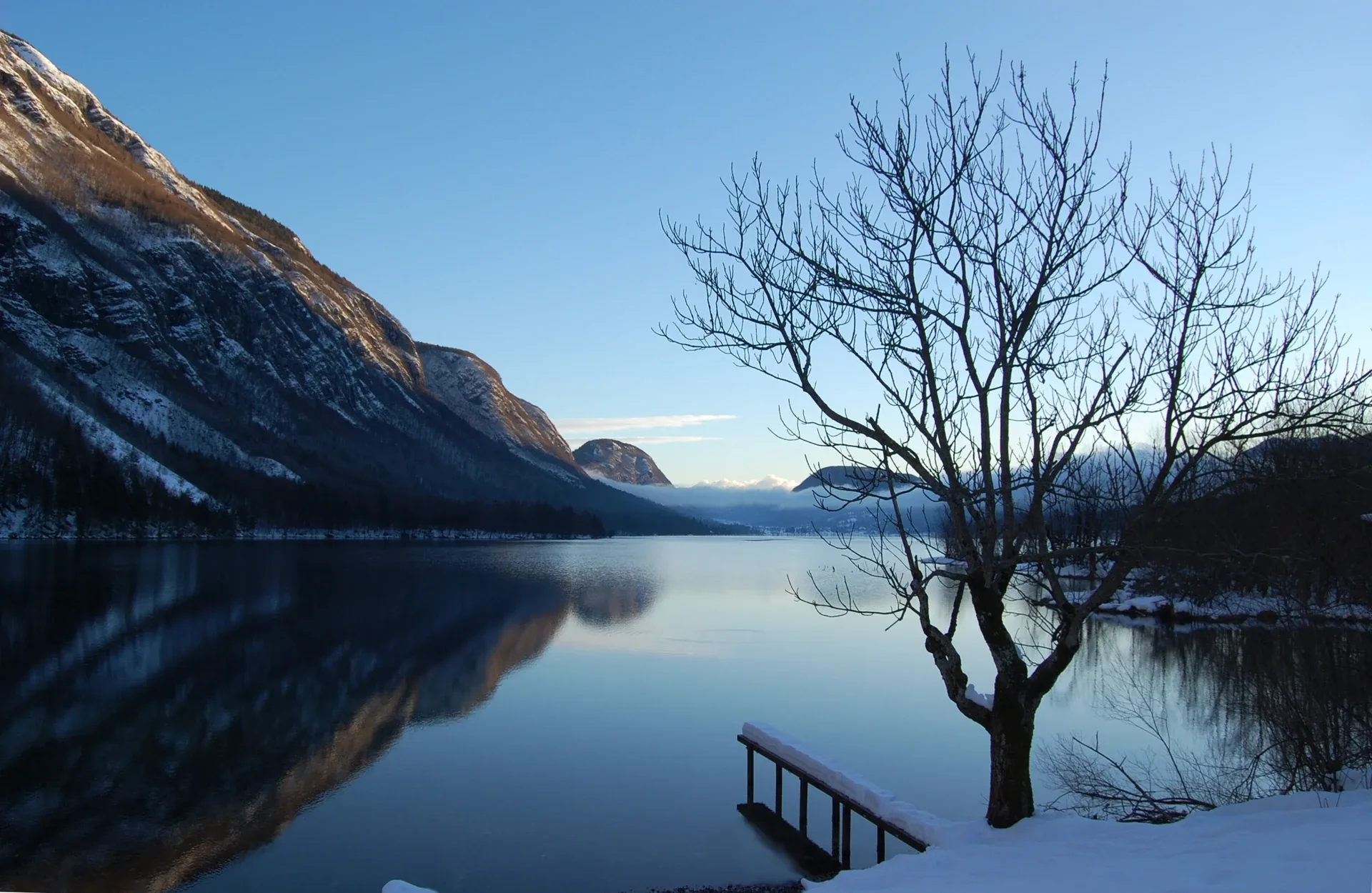
Around a lake or valley, spending several nights in the same area makes it easier to shop and visit nearby places. In Bohinj, for example, plan your transport according to the season rather than stringing together far-flung stops. The snow visible in winter changes walking conditions and the activities available. If you want to take part in work in a natural area, look for a named programme, its organiser, and a confirmed participation date. Slovenia Green is a sustainability reference point; restoration work must be documented separately.


Budget and itinerary
Start by deciding what kind of contribution you want to include. A work project requires time and physical availability. A tax or permit requires a clearly itemised budget line. A stay with local providers calls for checking who delivers the services, where the activity takes place, and what is included. This distinction helps you choose an option that suits your holiday, rather than buying several commitments that are hard to understand.
Also leave room in your plans for transport and weather. In the Faroe Islands, the volunteer programme shapes your arrangements. In Rwanda, the permit and hike structure the day. In Finland or Slovenia, choosing a base close to the places you plan to visit can reduce daily travel. There is no single season that works for all these places: the activity’s availability, altitude, snow, and local conditions matter more than a general “green” tourism calendar.
Before paying for a service presented as regenerative, ask four questions: who decides on the work, what your payment is allocated to, who supervises participation, and what follow-up is planned? A useful answer names the people or organisations involved, the site, and the task. For a restoration programme, a dated report and monitoring of the site tell you more than a tree count given without a location or details about maintenance.
FAQ
How can you identify a regenerative tourism activity?
Look for identifiable work or funding, decided on with those responsible for the area. The provider should be able to name the location, beneficiary, and objective, then explain visitors’ role. For example, restoring a meadow should come with work instructions and follow-up monitoring. If a stay is simply located in nature, more evidence is needed before it can be described as regenerative.
Can you contribute without volunteering?
Yes. A permit that directs part of its revenue to community projects, a contribution to a named organisation, or purchases from local professionals can support the area. Still, be specific about what your payment funds. Paying an artisan and restoring a wetland are different kinds of contribution, and both can be part of the same trip.
Does a Finland excursion include forest restoration?
That depends on the specific service. The Sipoonkorpi day trip described here includes a hike, lunch, and sauna, with an English-speaking guide; it does not include ecological work. To join a project involving a meadow or invasive species near Nuuksio, contact the organiser of the relevant programme and get confirmation of your participation before booking your stay around it.
How do you join Closed for Maintenance in the Faroe Islands?
Sign up for the official organiser’s alert to find out when applications open. Participation involves a selection process, followed by assignment to a supervised project. The announced accommodation and meals cover the programme’s three nights. Arrange your transport once your place and the edition’s conditions are confirmed; an independent tourist trip does not automatically grant access to the teams.
Do labels prove a positive effect on biodiversity?
A label tells you about the criteria and procedures it covers. Sustainable Travel Finland and Slovenia Green help identify sustainability initiatives; assess them at the level of the specific holder. To establish that a habitat has improved, also ask what work was carried out and how its effects are monitored. The evidence must cover the same scope as the claim.
Can a long-distance trip be beneficial despite flying?
It can support jobs, a community programme, or local conservation while still generating significant transport emissions. Consider these effects together without claiming they cancel each other out. Compare travel options, group your visits, and choose a documented contribution. None of the mechanisms presented here lets you claim that your stay automatically offsets its climate footprint.
Sources and checks
Plan your visits and check current conditions.
- Finnish initiatives for nature ↗
Visit Finland · Accessed October 31, 2026
What this source supports
Meadow maintenance at Haltia Lake Lodge, lupin control at Hawkhill, and a visit to Haukansuo; confirm availability with the organizers.
- Travel responsibly in Finland ↗
Visit Finland · Accessed October 31, 2026
What this source supports
STF label and third-party certification, transport, and local purchases. Sustainability does not automatically demonstrate ecological restoration.
- Economic benefits of parks ↗
Metsähallitus · Accessed October 31, 2026
What this source supports
Public funding for infrastructure, private providers, and local jobs; do not equate economic estimates with biodiversity impacts.
- Closed for Maintenance: program ↗
Visit Faroe Islands · Accessed October 31, 2026
What this source supports
Municipal work projects, participant selection, supervised teams, accommodation, and meals for three nights; no future dates are listed.
- Gorilla trekking in Rwanda ↗
Visit Rwanda / Rwanda Development Board · Accessed October 31, 2026
What this source supports
10% of permit revenue allocated to communities; eight people per group, maximum one hour, minimum age fifteen, variable trekking duration.
- Practical questions and SDF ↗
Department of Tourism Bhutan · Accessed October 31, 2026
What this source supports
SDF collected by the Treasury and used for a range of public purposes; authorized guides and accommodation. No changing rate is listed.
- Green Scheme of Slovenian Tourism ↗
Slovenian Tourist Board · Accessed October 31, 2026
What this source supports
National Slovenia Green program for destinations and providers; distinguish the scope of the label from restoration work.
- Hike in Sipoonkorpi and sauna ↗
Viator / operator · Accessed October 31, 2026
What this source supports
ACTIVE product 178122P24 checked via Partner API Basic: 390 minutes, English, 6 km, lunch, transport, and sauna. No work project included. Affiliate booking link; Odyvero may earn a commission. Availability on a specific date has not been verified.
Viator — activity pages
Source for the activity information below.Affiliate links: Odyvero may earn a commission when you book through this article’s buttons.
- Forest and smoke sauna from Helsinki ↗
Accessed November 1, 2026


