 odyvero
Traveling alone mainly means making decisions you would usually share: where to stay, how to get back in the evening, where to eat, and what pace to keep. For a first trip, spending a few days in a single city lets you discover that freedom without juggling multiple connections. Here’s how to choose a base, plan your expenses and prepare for practical situations during your stay, using Lisbon as an example and a group tour to help you get your bearings.
The format of your first trip
Three to five days in a single base make a good starting point if you’re still unsure about travelling alone. This is a planning recommendation: it gives you several days to find your own rhythm while keeping your return relatively close. A getaway in your own region works too. You can get a change of scene from the itinerary and the independence, without crossing a border.
Your first choice is about what you want to experience. Museums, city walks and cafés call for a different kind of planning than a hiking trip. For your first experience, choose one main interest and one backup activity you can do in bad weather. That gives you a guiding thread when you book, without turning every hour into an appointment.
Staying at one address makes the trip much easier: you learn the way back, get to know the nearby shops, and don’t have to repack. The days you save can be spent exploring rather than changing accommodation. If you have more time off, you can extend your first stay before adding another stop; having more time available doesn’t mean you have to travel through several countries.
Also plan how you’ll get home. Being able to bring your return forward can be reassuring, as long as you know the cost and arrangements. A reasonable goal for a first trip is to discover how you like travelling alone. You don’t have to eat out every evening, meet people every day or stick to the itinerary you planned before leaving.
Choosing a destination
The destination that suits you best combines a genuine interest with logistics you understand. Start with the journey from home: how many changes, arrival times, transfer to your accommodation and return options. A cheap ticket that gets you in very late may require more money and attention than a direct daytime journey. Compare the entire trip before choosing the city.
Next, consider the language, distances and terrain. You’ll feel more comfortable in a city where you can make sense of signs, order a meal and ask for help. Look at the public transport map and the neighbourhood where you might stay. Hills, stairs and long walks matter just as much as the distance, especially if you’re carrying luggage or have limited mobility.
The time of year should suit your activities. For a city break, check the opening hours of your priority attractions and the usual weather conditions, then check the forecast before you leave. An attractive accommodation price doesn’t necessarily make up for closed attractions or days that are too short for the walks you want to take. A local festival can also affect transport and room availability.
Finally, consult the destination’s official travel advice, including regional information. An international ranking offers little detail about your everyday route. Official guidance and local instructions can help you understand the relevant risks: theft, weather, transport or activities. Choose based on these specific conditions, your experience and your needs, rather than on promises of absolute safety.
Lisbon or Dublin as a base
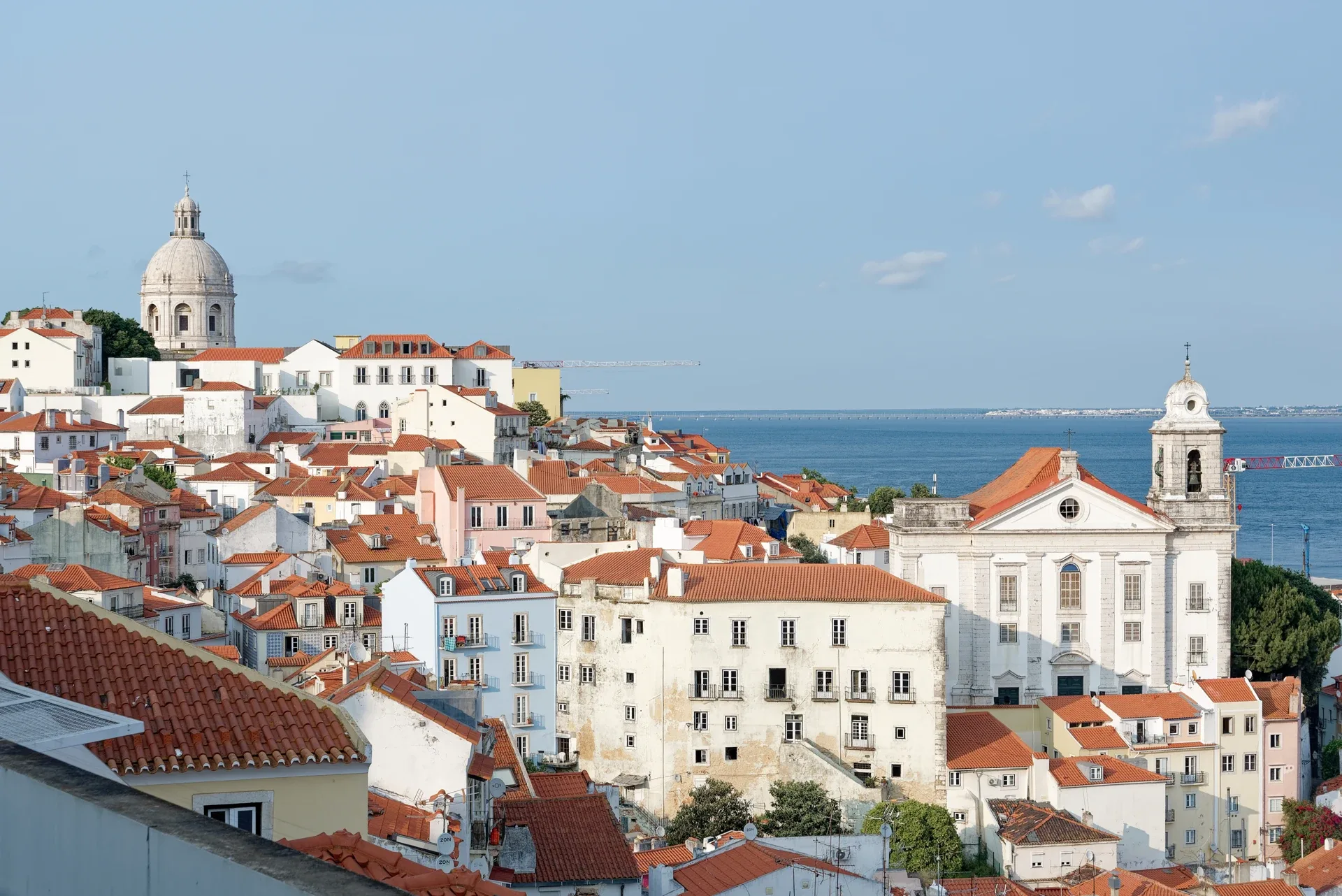
Lisbon may suit you if you’d like to alternate between walks, viewpoints and breaks in a single city. Alfama is a useful example for planning your pace: the tourism office describes cobbled lanes and steep hills. The view over the rooftops and the Tagus from Santa Luzia gives you a destination for a walk, but the climb and return need to fit into your schedule. Shoes you’ve already broken in and a planned break make the day easier.
When choosing accommodation, first check the route between the address and the transport you’ll use. The official metro map also includes an accessibility map; check it based on your needs, along with service information for your travel date. A room on a hillside may require more effort than the distance on the map suggests. Ask your accommodation about the final stretch on foot.
Dublin is another example if you’re comfortable in English and would like to practise the language during visits and meals. To plan your arrival, the airport website lists buses and departure zones for both terminals. Identify your operator and exact stop, then work out the route to your accommodation. Having several services to choose from doesn’t remove the need to pick the right connection.
These two cities are examples of a way to choose. Your ideal city may be in France or closer to home. Compare your options using the same questions: do I want to spend several days there, can I reach my accommodation easily, and can I afford the trip without relying on a travel companion?



The full cost of your trip
A solo travel budget should be planned for one person at every stage. A room may cost the same for one or two guests; a private transfer may be priced per vehicle. By contrast, public transport and many tours are booked individually. Always check the pricing unit and the final amount after selecting one traveler.
First, gather the known expenses: round-trip travel from home, any necessary baggage, accommodation, stated taxes, arrival and departure transfers, then booked visits. Add meals and daily transport based on the places and tickets you are actually considering. To compare two cities, keep the same comfort level and number of nights; budgets calculated using different services are hard to interpret.
Set aside a separate amount for a backup option: a taxi, an extra night or a changed journey. The amount depends on the destination and your financial leeway. Keep it available, even if you find an appealing activity once you arrive. Also check how you could access the money if your phone or main card becomes unusable.
Once there, a brief expense note is enough to keep track of your budget without counting every coffee. On the first evening, you may spend more on a transfer and a quick meal; the following days will not necessarily follow the same pattern. If your budget gets tight, adjust the upcoming plans first. A walk and a simple meal can make for an enjoyable day without committing to another booking.
The room and its neighborhood
Your accommodation becomes an important point of reference when you travel alone. Look at its location first at the neighborhood level, then at the street level: access from the stop, nearby shops and the route back after dinner. The label “central” can describe very different situations. For your first trip, an address that is easy to find may be worth more than a larger room away from the places you plan to visit.
A private room offers peace and privacy. A hostel with a dormitory and common room can make it easier to meet people, if you sleep well in shared accommodation. There are also private rooms in places with shared spaces. Choose based on your sleep, need for privacy and interest in meeting people, without treating a dormitory as a rite of passage for solo travel.
Read recent reviews for the things that matter to you: noise, cleanliness, how reception works and actual access. Photos reveal little about a lock, stairs or self check-in. If something matters particularly, ask for written confirmation before paying: an elevator, secure storage, reception open when you arrive or the option to leave your luggage.
Keep the entry instructions available offline. For a late arrival, check how to contact someone if the code does not work or your transport is delayed. A confirmed booking and clear access instructions save you from looking for another place to stay after a day of travel. For a short first trip, keeping the same room until you return also makes the days in between simpler.
Bookings to make before departure
The right level of preparation secures the essentials while leaving room to breathe. Book your main transport, accommodation and any visits whose time slot genuinely determines the trip. Prepare for your arrival transfer, whether or not it requires an advance purchase. A very popular museum may warrant a timed ticket; a walk through a neighborhood mainly requires having time available.
Before each payment, check the date, quantity and meeting place. For an excursion, check the minimum number of participants per booking and what happens if departure depends on the group. An activity sold as a private tour may show a total price that is not well suited to one person. The confirmation should make it clear exactly what you have bought.
Read the change and cancellation terms as carefully as the itinerary. Note the applicable deadline and the time zone stated. If you are combining several activities, leave a realistic buffer between them. For the day after you arrive, a booking in the middle of the day will often be more comfortable than a very early appointment on the other side of the city.
You can leave one day almost entirely free, with two ideas in mind but not booked. That lets you spend longer in a neighborhood you like, rest or adapt your visits to the weather. Planned flexibility relies on a few concrete options: knowing a walking route, an indoor place and somewhere to eat means you will not spend your time in the destination searching on your phone.
Documents and health
Entry rules depend on your nationality, destination and sometimes transit country. French nationals can enter Portugal with a valid passport or national identity card. Choose a document whose stated expiry date is still in the future. A driving licence is not a substitute for a travel document. If you have another nationality, check the requirements that apply to you before buying non-changeable transport.
In the European Union and other covered destinations, the European Health Insurance Card facilitates access to medically necessary care under the local system. Assurance Maladie recommends applying at least fifteen days before departure; a provisional certificate may be issued if your departure is sooner. The card is individual. It does not mean that all care will be free or that you will not have to pay upfront.
Check your assistance services and insurance coverage separately: medical expenses, repatriation, activities you plan to do, exclusions and how to call for help. Credit card coverage may depend on the terms of the agreement and whether you paid for the trip with the card. Save the relevant phone number and your membership reference. If you take medication, ask a healthcare professional for advice and check the country’s rules for carrying medicines.
Keep a secure copy of important documents separate from the originals. For travel abroad, Fil d’Ariane allows eligible travelers to receive security alerts; the service is free for tourist or business trips of less than six months. It does not track your location and is not a substitute for insurance. Across the European Union, 112 connects you to emergency services free of charge.
Arrival and the first evening
Plan your arrival as a complete sequence: leaving the station or airport, getting a transit ticket, finding the stop, making the final leg of the journey and entering your accommodation. Save the exact address and an offline map. If you plan to buy your ticket on arrival, know where to get it and which payment method to use. The first journey takes more attention when everything is new.
Arriving during the day generally makes it easier to get your bearings. Still, check the actual hours for reception and public transport, as well as your journey from home. If you arrive at night, arrange your transfer in advance and identify an alternative. Let your accommodation know if you are significantly delayed rather than assuming someone will wait for you without hearing from you.
The first evening can be very simple: put your things down, check that everything in the room works, eat nearby and find your way back. You will have time to explore further the next day. Find a shop for water or breakfast, a transit stop and somewhere to ask for help. These landmarks will help you feel more confident the following day.
Agree with someone close to you on a first message after you have settled in. Also decide what to do if you are delayed in checking in: wait a little, call you, then contact your accommodation if the situation warrants it. A clear agreement avoids causing alarm every time your battery is low. You can share your general itinerary without publicly sharing your address or real-time location.
A group tour in Lisbon
A shared visit at the start of your stay gives you a set time to meet and a chance to ask practical questions. In Lisbon, the selected guided walk covers several neighborhoods, including Rossio, Chiado, Baixa, and Alfama. It can give you an initial sense of the city before your independent days: you’ll get to know the squares and the differences in elevation, then choose the places you’d like to revisit at greater length.
The current listing gives a duration of three to four hours, with an English-speaking guide and a maximum of fourteen participants. You can book for one person. Choose this walk if you understand enough English to follow the explanations and are comfortable walking for that long. Make your own way to the meeting point at Praça Dom Pedro IV in Lisbon; follow the exact instructions on your booking voucher.
The guide, tastings, and a pastel de nata are listed as inclusions. Hotel transfers, monument admission, and meals beyond the tastings are not included. If you have an allergy or specific dietary needs, confirm what can be accommodated before booking. Plan a meal that fits your schedule rather than assuming the tastings will count as a full lunch.
For your first solo trip, we recommend taking this walk the day after you arrive and leaving the rest of the day free. It gives you a group setting without taking up your whole stay. Conversation naturally depends on the other participants; you can enjoy the route even if you don’t make lasting connections. The price and reviews appear on the offer card so they remain tied to the exact product.

Viator
Guided walk through Lisbon’s neighborhoods
To get your bearings with a group the day after you arrive: choose this walk if you can follow the commentary in English, and set aside half a day without scheduling anything else too tightly.
- 4.9/5 (5,638 reviews)
Three to four hours, English-speaking guide and a maximum of fourteen participants. Rossio, Chiado, Baixa and Alfama; tastings listed, transfers and meals not included.
Cancellation policy
For a full refund, cancel at least 24 hours before the scheduled departure date.
From €19.00
View activityThe pace of independent days
A well-paced day can revolve around one main visit, a meal, and a walk in the same area. Leave the rest open for getting around, taking breaks, and exploring. When you’re on your own, you make every small decision; limiting backtracking and last-minute choices saves energy for what you’re actually interested in.
Before leaving your accommodation, check the weather, opening hours, and your return journey. Pack what you need to manage on your own: water, depending on the day; weather-appropriate protection; a charged phone; and an accessible payment method. A power bank can be useful if your tickets and maps are on your phone. Test it before you leave.
For meals, start with an option that suits you: have lunch early, eat at the counter if there is one, or choose a table somewhere you feel comfortable. You can read, look around, or simply eat. Booking a table for one is a normal request; just check any special arrangements for a set menu or an experience sold for multiple guests.
Feeling tired or bored can also be a sign that it’s time to change your plans. Going back to rest, revisiting a neighborhood you already enjoyed, or calling someone close to you are all compatible with travel. Keep one activity you’re looking forward to for the next day, without trying to fill every spare moment. Over time, you’ll learn how many visits and how much time alone suit you.
Meeting people during your stay
Activities where everyone shares a task often make it easier to start a conversation: a guided tour, a workshop, a group museum visit, or a class. You have an immediate topic and a set amount of time together. Choose something you enjoy for its own sake; you’ll get something out of it even if the group doesn’t talk much or everyone goes their separate ways afterward.
A shared space at your accommodation can offer another setting, at your own pace. You can ask for an idea for a walk, talk about the day’s plans, or suggest meeting for coffee in a public place. You don’t have to share personal details, your room number, or the exact rest of your itinerary. Take time to get to know people before sharing more.
For a first meeting with someone you’ve met in person or online, choose a busy place and keep control of how you’ll get back. Keep your accommodation and payment methods independent. If your plans change, let the person you agreed to check in with know what they need to know. You can leave whenever you want without having to explain your decision at length.
Some days will feel lonelier than others. Plan activities that work well on your own, too: an exhibition, photography, reading in a café, or a walk with a guidebook. That way, meeting people is one enjoyable possibility among several ways to spend your stay. You can seek company for an activity and keep your evenings quiet.
Everyday safety
Useful precautions start with specific situations. In Portugal, France Diplomatie warns in particular about pickpocketing in tourist areas and on public transport, with special care advised on Lisbon’s trams 25 and 28. Keep your bag closed and close to your body. If you need to check directions, stop somewhere suitable rather than leaving your belongings open in the middle of a busy walkway.
Keep your main card, backup payment method, and documents separate where possible. Take what you need for an outing, and use secure storage at your accommodation when appropriate. Keep an eye on your bag in restaurants and on public transport. A phone left on a table or charging unattended may hold your tickets, contacts, and payment methods all at once.
In the evening, check how you’ll get back before going out and have an identifiable transport option in mind. Keep track of your drinks, don’t leave them unattended, and ask staff for help if a situation becomes uncomfortable. You can refuse an offer or leave as soon as you no longer feel at ease. Your plans and any money already spent don’t obligate you to stay.
Your level of preparation should also match the activity. A city walk and a remote hike call for different precautions. For your first independent outing, choose activities that suit your experience and follow local guidance. A guided excursion can provide the structure you need for a new activity. Check the required skills, equipment, and weather conditions; booking alone doesn’t make every situation suitable.
Individual needs
Traveling alone can make you pay closer attention to your evening journey, whether there’s someone at reception, and the surroundings of your accommodation. Recent reviews from women travelers can shed light on practical details, but they can’t guarantee safety. Plan your return journeys and check-ins according to your comfort level. You can choose a private room or a women-only dormitory if that suits you.
For an LGBTQ+ traveler, the country’s laws and customs may affect your trip and the level of discretion you want. Check official information specific to your destination before booking. A capital’s general reputation doesn’t describe every situation across the country. The same checks may be relevant for certain medical treatments, identity documents, or personal equipment.
If you have a disability, chronic illness, or significant fatigue, spell out your needs at every stage: transport, the final approach, room, bathroom, and activities. A general accessibility label won’t answer all your questions. Ask about dimensions, steps, available assistance, or any support arrangements relevant to you. Keep the confirmations and plan an alternative activity that suits your energy level.
Your phone and unexpected situations
Before leaving, check your subscription and the data available abroad. In the European Union, roaming at domestic rates applies according to your contract and fair-use rules; your data allowance may differ from your usual allowance. Outside this area, check which countries are included and what the rates are. Download maps, confirmations and useful information before your trip.
Also keep a few details accessible without your phone: your accommodation address, the accommodation’s contact details, the assistance number and a way to reach someone close to you. A paper note kept separately may be enough. If you use two-factor authentication for your accounts, check how to regain access if you lose your device. Avoid relying on a single device for your phone, bank, messaging and tickets.
If your card is lost or stolen, follow your bank’s procedure to block it, then use your backup payment method. If a travel document is missing, contact the local authorities and the consulate to find out what steps to take, then contact your carrier. A photograph of the document may help with some formalities; it does not guarantee that you will be allowed to board. Keep any documents that may be useful for assistance and insurance.
If you feel unwell, stop sightseeing and seek appropriate help. For an emergency in the European Union, call 112. For a situation covered by your assistance policy, use the number listed in your contract and follow the stated procedure. Accommodation staff can help you find a local contact. You can also shorten your stay if your condition or comfort requires it.
Reviewing your first trip
When you return, note what made things easier for you: the neighborhood, room type, length of stay, group activity, or time between visits. Also identify one or two things to change, such as your arrival time or the number of bookings. These personal observations will be more useful for your next trip than a universal list of ideal destinations.
You may have enjoyed spending the mornings alone and preferred company in the evenings, or discovered that a short stay is enough to get started. Your next trip could use the same format in another city, add a night, or include a new activity. Change one thing at a time if that helps you plan the next trip with confidence.
FAQ
How many days should you plan for a first solo trip?
Three to five days in one base is a practical format to start with: several full days at your destination, stable accommodation and a nearby return journey. A weekend in your region also works if your main concern is sleeping and eating alone. Take the journey into account: two days largely taken up by travel leave little time to discover what pace suits you. The suggested length is an organizational tip, not a rule.
Which destination should you choose if you don’t speak English well?
A French-speaking destination or a trip within France lets you get started while reducing the language barrier. You can also choose a foreign city whose transport and attractions seem easy to navigate, with a few phrases saved and an offline translation app. For a guided activity, check the language of the experience, which may differ from the booking website’s language. The Lisbon walking tour featured in this guide is conducted in English.
What budget do you need to travel alone?
The amount depends on your route, dates and room type. Calculate your round trip, nights, taxes, transfers, meals and activities for one person, then keep some money aside for unexpected expenses. Compare the final booking totals: a price per vehicle or per room is not necessarily split when you travel alone. For a first experience, a short trip nearby can reduce costs while giving you a chance to try traveling independently.
Do you have to stay in a hostel to meet people?
You can meet other travelers during a shared activity or workshop, or in a common area, even if you sleep in a private room. A hostel can make it easier to meet people, but sleep and privacy matter when choosing where to stay. A private room in a property with a shared lounge is another option. Above all, choose accommodation that is easy to get back to and where you’ll want to return after sightseeing.
How should a woman prepare for her first solo trip?
Pay particular attention to your arrival, access to your accommodation and getting back in the evening. Check official information about the country and recent accommodation reviews, then choose an option that suits your comfort level. Arrange regular check-ins with someone close to you and keep your return transport independent of people you meet. A staffed reception or a women-only dorm may be part of your criteria, but neither guarantees safety.
Does the EHIC replace travel insurance?
The EHIC helps you claim your entitlements for medically necessary care in covered destinations, under local rules. It does not cover every possible cost and does not replace assistance or repatriation coverage. Check which policies you already have, their exclusions and how to contact the provider. Assurance Maladie recommends applying for the card at least fifteen days before departure; a provisional certificate may be suitable when you are leaving sooner.
Can you book an excursion for just one person?
Many shared activities accept individual bookings; check the minimum number of people per booking, the final price and departure conditions. The Lisbon walking tour featured here accepts one person and has a maximum group size of fourteen travelers. A private experience may be priced per group or vehicle. Also check the language, meeting point and inclusions to choose an activity that fits your day.
What should you do if you feel too lonely while you’re there?
Start by adjusting your day: a meal somewhere lively, a group activity you’re interested in or a call to someone close to you can change the pace. Going back to your accommodation to rest is also a valid option. For the rest of your trip, plan a specific activity instead of leaving the whole schedule open if that feels more reassuring. You can change your plans or shorten your stay; a first trip is also a chance to discover what kind of solitude you enjoy.
Sources and checks
Plan your visits and check current conditions.
- European Union, documents for EU citizens ↗
European Union · Accessed October 31, 2026
What this source supports
Valid documents for EU citizens, Ireland-specific requirements; a driving licence is not sufficient as a travel document.
- Assurance Maladie, healthcare on holiday ↗
Assurance Maladie · Accessed October 31, 2026
What this source supports
Individual EHIC; apply at least fifteen days in advance; provisional certificate; check assistance and repatriation cover separately.
- European Union, 112 ↗
European Union · Accessed October 31, 2026
What this source supports
112 is free for emergencies throughout the European Union.
- European Union, roaming ↗
European Union · Accessed October 31, 2026
What this source supports
Roaming at domestic rates in the EU, subject to your contract and fair-use policy; check your data allowance.
- France Diplomatie, safety in Portugal ↗
France Diplomatie · Accessed October 31, 2026
What this source supports
Pickpocketing on public transport and in tourist areas, especially on trams 25 and 28; precautions and activity-related risks.
- France Diplomatie, entry into Portugal ↗
France Diplomatie · Accessed October 31, 2026
What this source supports
Entry documents for French citizens travelling to Portugal; keep a separate copy and prefer a document with a valid expiry date printed on its face.
- Fil d’Ariane ↗
Fil d’Ariane · Accessed October 31, 2026
What this source supports
Fil d’Ariane: free alerts for trips of less than six months; no geolocation or insurance.
- Turismo de Lisboa, Alfama ↗
Turismo de Lisboa · Accessed October 31, 2026
What this source supports
Alfama: cobbled lanes and steep hills; Santa Luzia and views over the Tagus.
- Lisbon Metro, maps ↗
Lisbon Metro · Accessed October 31, 2026
What this source supports
Network maps and an accessibility map provided by Lisbon Metro.
- Dublin Airport, buses ↗
Dublin Airport · Accessed October 31, 2026
What this source supports
Bus services and maps of departure zones at both Dublin Airport terminals.
- Viator, product 5383LISBONTOUR ↗
Viator · Accessed October 31, 2026
What this source supports
Product 5383LISBONTOUR ACTIVE, English-language shared tour, 180–240 minutes, maximum 14 people, individual booking, departure from Praça Dom Pedro IV; inclusions and exclusions reviewed via Partner API.
- Photograph: Alfama rooftops and the Tagus from the Santa Luzia viewpoint in Lisbon. ↗
Wikimedia Commons · Accessed October 31, 2026
What this source supports
Jakub Hałun / Wikimedia Commons — resized and converted to WebP — CC BY 4.0. File page reviewed; actual dimensions of the served derivative checked; documentary illustration inspected.
- Photograph: The courtyard of Dublin Castle and its façades. ↗
Wikimedia Commons · Accessed October 31, 2026
What this source supports
Wknight94 — CC BY-SA 3.0. File page reviewed; actual dimensions of the served derivative checked; documentary illustration inspected.
Viator — activity pages
Source for the activity information below.Affiliate links: Odyvero may earn a commission when you book through this article’s buttons.
- Guided walk through Lisbon’s neighborhoods ↗
Accessed November 1, 2026


