 odyvero
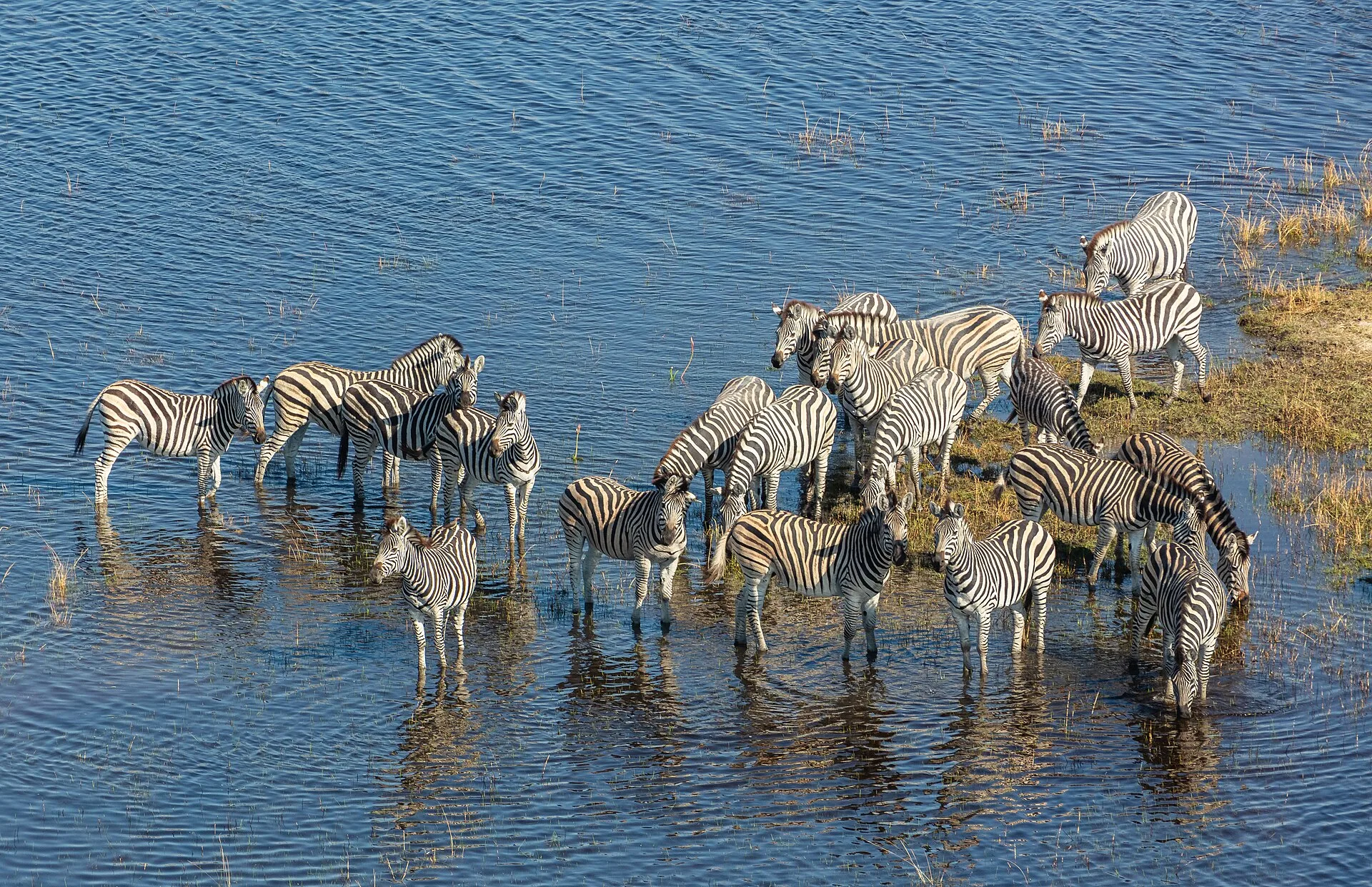
Choose the Pantanal to search for jaguars from the rivers, the Okavango to combine channels and large mammals, or Kenya’s lakes to include birds in a shorter itinerary: these trips are best chosen by their terrain. Here’s how to compare seasons, ways to explore, and the days actually devoted to wildlife before you book.
Wildlife and terrain
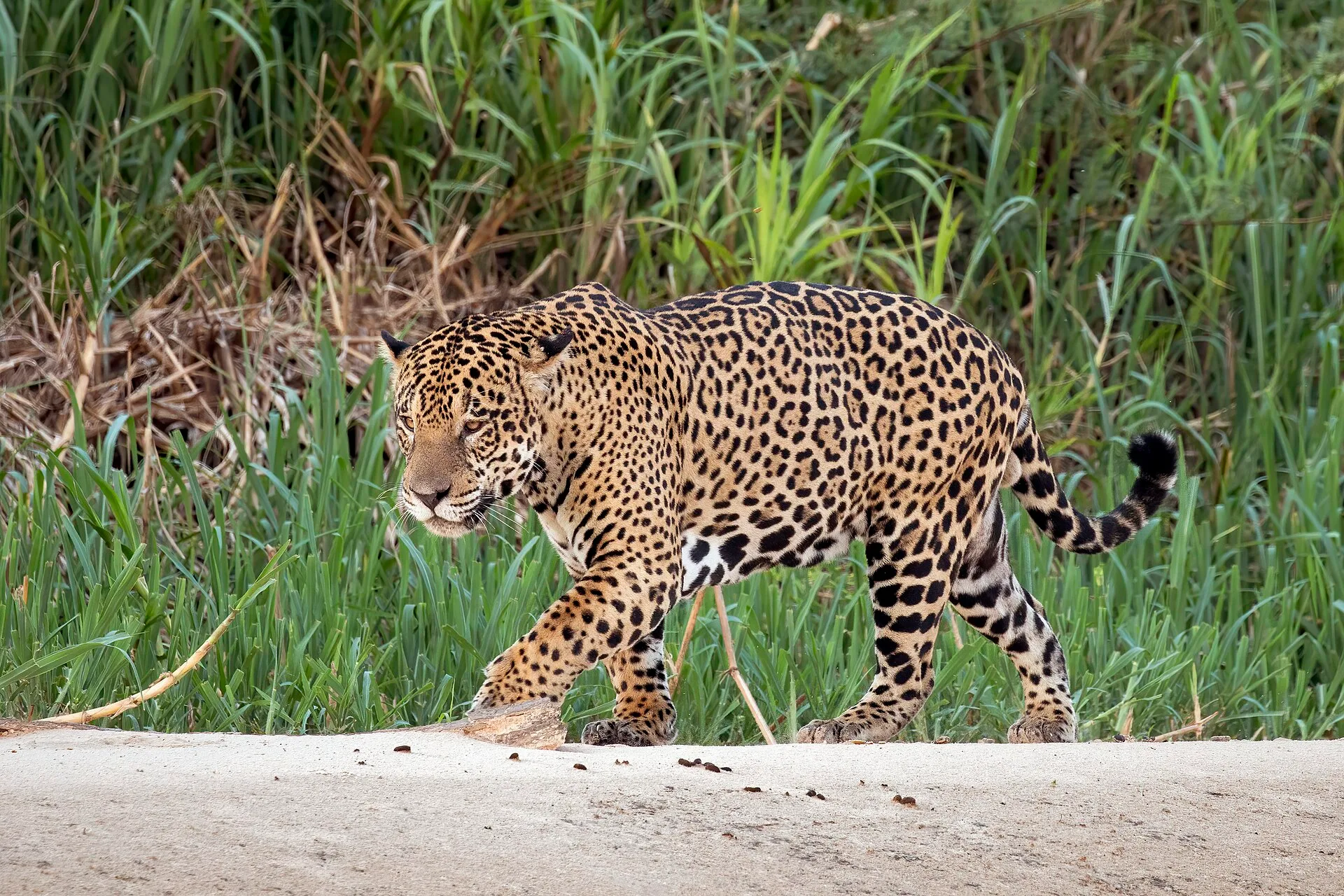
A jaguar moving along a riverbank, zebras in a flooded grassland, birds spread between a lake and the trees: wetlands offer several kinds of wildlife viewing, with very different ways of getting around. You might spend a full day in a motorboat, glide through the reeds in a mokoro, or travel along a reserve’s tracks in a 4x4. The vehicle determines how far you travel, your viewing position, comfort, and where you can stop.
For an initial shortlist, name your priority. Jaguars point to Brazil’s Pantanal and, for the river trips featured here, to Porto Jofre, reached from Cuiabá. Elephants and a diversity of large mammals point instead to the Okavango and Moremi in Botswana. An interest in birds and rhinos, combined with a road trip through Kenya, makes Nakuru a natural fit. Travelers planning a trip around the shoebill can look at Bangweulu in Zambia, with a specialist operator.
These destinations call for separate trips. The Pantanal is part of a visit to Brazil; Maun is a gateway to the Okavango; the Rift Valley lakes can be combined in a Kenyan itinerary. Comparing their experiences can help you choose your next departure, without trying to fit them into one trip. With limited vacation time, exploring one region well leaves more time for wildlife viewing than taking several flights between distant landscapes.
We focus on three criteria: the environment actually visited, the time available for wildlife, and the quality of the guiding. A prestigious name on an itinerary tells you little about the day itself. Ask where you board, where you’ll stay overnight, and which activities are planned. Two stays advertised in the same delta can offer very different experiences, from a trip on the water to several days on the tracks.
Water, rainfall, and seasons
Wetlands make sense when viewed at the scale of their watershed. In the Okavango, water comes from the Angolan highlands and then flows into Botswana. Botswana Tourism Organisation describes rivers filling with floodwaters during the dry months, while pools fed by local rainfall shrink. So distinguish the weather at your camp from the water available in the channels. Clear skies don’t tell you how deep a mokoro passage will be.
In Botswana, the tourism organization places summer from November to March and the dry winter from May to August. April and September-October are transitional periods. For mammal viewing, it highlights the dry months from May to October, when animals gather near water and the vegetation makes them easier to spot. Winter also brings cold nights and early-morning departures. A suitcase packed only with lightweight tropical clothing won’t suit these outings.
Botswana’s green season is of particular interest to travelers who enjoy birds and lush landscapes. Migrants and breeding activity add to the sightings, depending on the species and area. Rainfall is irregular and sometimes highly localized. Plan an itinerary that can adapt to conditions, and ask your accommodation which water-based or land-based activities it can actually offer during your stay.
For the northern Pantanal, operator Lorenzo Expeditions generally recommends June to October for jaguar searches. Treat this window as a planning guide, and check it against that year’s conditions and the exact area. It tells you neither the likelihood of an encounter nor the expected water level. As your departure approaches, ask the local team about access, heat, and any possible changes to the program. The periods in this guide are seasonal trends, not a schedule of guaranteed sightings.
Porto Jofre and jaguars
For a trip centered on jaguars, the northern Pantanal offers a clear itinerary: arrive in Cuiabá, drive to Poconé and the Transpantaneira, then stay in the Porto Jofre area. River-based programs explore the waterways and their banks. The guide and boat pilot look for wildlife from the boat, taking the animals’ behavior and current conditions into account. Time on the water is therefore at the heart of the stay.
The landscape is worth taking in between searches for big cats. Riverbanks, channels, and vegetation are home to a variety of wildlife; local operators mention capybaras, caimans, giant otters, and birds in particular. Jaguars and giant otters are also among the protected species listed by ICMBio for Pantanal Matogrossense National Park. Every sighting depends on the area and the day; a species list helps you understand the environment, not predict what you’ll see.
The name “Pantanal” covers a vast region. A pousada focused on nature walks, a stop at a rural property, and a stay dedicated to the rivers around Porto Jofre may all use the name. If jaguars are the main reason for your trip, look for dedicated river-search days in the itinerary. An activity mentioned just once among many others gives wildlife viewing a different role in the trip.
Administrative geography also deserves attention. Pantanal Matogrossense National Park and Encontro das Águas State Park are separate areas. Programs around Porto Jofre may mention the latter. When comparing quotes, track the names of the rivers, accommodation, and sites actually visited; don’t assume that a trip in the Pantanal necessarily goes through the national park.
Six days in the Pantanal
The six-day circuit from Cuiabá selected for our list reserves four days of its itinerary for boat-based wildlife searches around Porto Jofre. This split works well for a photography trip: transfers take up the beginning and end of the program, while the middle days are devoted to the rivers. Several outings offer the chance to explore the area in different light and conditions, without having to leave after a single attempt.
The listing includes accommodation, meals, a local guide, and transfers to or from Cuiabá. The available languages are English and Portuguese. Flights, insurance, and some drinks are excluded. Ask for the distribution of overnight stays, room categories, and pickup arrangements to be specified in your confirmation. These details make it possible to compare the full cost with that of an option where some of the arrangements must be booked separately.
Some of the days described involve ten to twelve hours on the river. That means a great deal of time sitting, prolonged exposure to the sun, and movement from navigating the water. Sun protection, a hat that stays in place, and an accessible supply of water matter as much as your photography equipment. If you have back pain, are pregnant, or have a specific medical condition, discuss this pace with the provider and your healthcare professional before choosing it.
Photographers should ask how many people share the boat, how the seats are arranged, and whether rain protection is available. The space needed to handle a telephoto lens differs from what is needed for a simple scenic excursion. A companion who takes few photographs should also be able to enjoy the scenery and other species. The right program suits the pace of the whole group, especially during long waits.

Viator
Six days of river safari in the Pantanal
For four days of river-based wildlife searches from Porto Jofre, with overnight stays and meals included in an organized circuit from Cuiabá. Choose it if your group enjoys long days on a boat.
- 4.9/5 (16 reviews)
Four days of searching by boat around Porto Jofre on a six-day tour from Cuiabá. English- or Portuguese-speaking guide, overnight stays, and meals are listed as included; flights and insurance are separate.
Cancellation policy
All sales are final. Cancellations will not be refunded.
From R$22,990.00
View activityThe Okavango channels
In the Okavango, islands, lagoons, grasslands, and woodlands form a mosaic. The Botswana Tourism Organisation distinguishes the delta areas from the drier lands, while noting that activities vary from camp to camp. When choosing accommodation, consider its location and outings before the room decor. A property focused on water-based activities offers a different way to experience the landscape from a camp whose safaris take place mainly in vehicles.
The mokoro, a pole-propelled canoe, offers close-to-the-water observation. Its slow pace leaves room to notice plants, birds, and details of the channels. Contemporary boats may be made of fiberglass, as is the case with the selected product. An outing sometimes combines boating with a walk on an island, with the guide pointing out the environment and the animals encountered.
The mokoro day trip offered from Maun lasts about eight hours in total. It includes transfers, an English-speaking guide, and meals according to the listing consulted. Departure is from a launch station, so the total duration includes travel from Maun and the various stages of the activity. Ask for the confirmed pickup time: several details in the supplier listing do not align exactly on this point.
This option suits a stay where you want to explore the channels while keeping Maun as your base. Ask the operator about life jackets, boarding, walking time, and arrangements for children or people who are less comfortable in a small boat. Travel near hippos and crocodiles is managed by professionals. The guide chooses the routes and distances; travelers remain seated and follow their instructions.

Viator
A day in a mokoro from Maun
A first introduction to the channels from Maun, with a slow boat ride and a walk on an island. Pair it with a land-based day to experience a wider range of habitats.
- 5/5 (7 reviews)
Explore the channels with an English-speaking guide and take a walk on an island; transfers and meals are listed as included. Confirm the meeting point and boarding arrangements.
Cancellation policy
For a full refund, cancel at least 24 hours before the scheduled departure date.
From $190.00
View activityMoremi by safari vehicle
Moremi covers central and eastern areas of the Okavango. The reserve brings together floodplains, areas of water, grasslands, and forests. This diversity makes land-based routes worthwhile: the guide can explore several habitats and adjust the search based on what is spotted. For travelers mainly hoping to see large mammals, a day in a vehicle is a useful complement to the slow exploration of the channels.
The selected outing from Maun is listed as twelve hours in total, in an open safari 4x4 with an English-speaking guide. The listing includes transfers, park fees, lunch, and drinks; insurance is your responsibility. The day starts early and ends in the evening. Driving time is part of the excursion, so when booking, distinguish the total duration from the time spent in the reserve.
The itinerary specifies entry through South Gate and a route adjusted according to sightings. This flexibility is consistent with a safari. An animal track, an impassable route, or the presence of a herd may change the progress of the drive. Passenger comfort also depends on space in the vehicle, shade, and bumps along the way. The listing advises against the activity for travelers with back problems; explain your needs before paying.
If you have several nights available, you could choose accommodation closer to the wildlife-viewing areas. This changes the budget and logistics, but reduces some round trips from Maun. For an organized first look, the guided day trip is easy to fit in. For a stay focused mainly on wildlife, also compare programs lasting several nights, looking at the included activities and transfers. An extra night is most useful if it adds time in the field.

Viator
Moremi by 4x4 from Maun
The land-based complement to a mokoro trip, exploring Moremi’s habitats without arranging your own vehicle, park entry, or transfers. Set aside a full day from Maun.
- 5/5 (12 reviews)
Twelve-hour day trip with travel from Maun, an English-speaking guide, lunch, and reserve fees listed as included. Open vehicle; insurance is separate.
Cancellation policy
All sales are final. Cancellations will not be refunded.
From $320.00
View activityKenya’s Rift Valley lakes
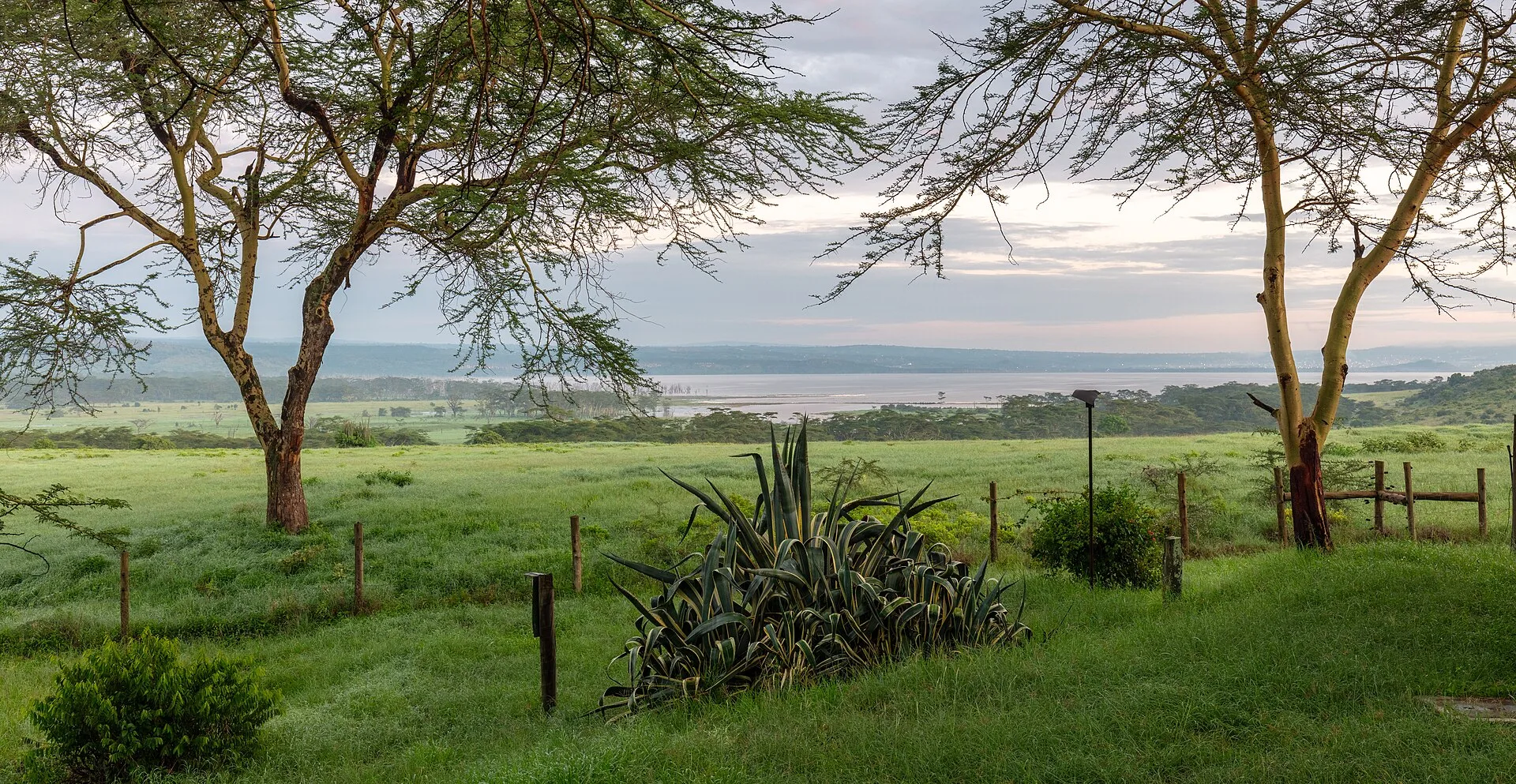
Kenya’s lakes can satisfy an interest in birds and waterscapes without requiring a stay devoted exclusively to river travel. Nakuru is particularly well suited to combining birdwatching with a vehicle safari. The Kenya Wildlife Service describes a semi-alkaline lake surrounded by varied habitats and a sanctuary for black and white rhinos. This combination makes it possible to plan a stop focused on both the shoreline and the grasslands and woodlands.
Plan a route that does not stop at a single viewpoint over the lake. The park’s different areas offer opportunities to observe behavior, silhouettes, and changes in vegetation. If you ask when booking, the guide can spend time on birds. For a family or group with mixed interests, this variety makes the day more engaging than searching for just one species.
Flamingos are part of the Rift’s popular image, but their distribution changes with lake conditions. Choose Nakuru for its overall environment and the opportunities described by the park authority, without expecting a uniformly pink shoreline. A photograph taken in another year shows the state of the landscape at that particular moment. Ask your guide about recent sightings and make time for the other birds in the area.
In the Naivasha area, Hell’s Gate adds another dimension to a stay: geological landscapes, walking, and cycling on permitted routes. The land-based park visit and a lake outing are separate activities. Check exactly what your program includes, particularly entry fees, equipment, and a guide. For a boat ride on a lake, also confirm onboard safety and navigation conditions with your chosen provider.
Nakuru is reached by road from Nairobi; KWS places the park about 156 kilometers northwest of the capital. This geographic reference is not a journey time. To avoid a stop dominated by travel, we recommend an overnight stay in the area when your schedule allows. One day around Naivasha and another at Nakuru make for a more relaxed pace than trying to pack in multiple visits on a rushed round trip.


Bangweulu and the shoebill
Bangweulu, in Zambia, deserves a place in the comparison for travelers whose primary goal is birdwatching. The wetlands are home to the shoebill, sought after for its silhouette and massive bill. Robin Pope Safaris offers a stop there as part of a specialized itinerary, with a guide and accommodation. The operator also mentions black lechwe, associated with the wet plains, and a great diversity of birds.
A trip like this should be planned around the terrain and local guiding. Tell the operator which species is motivating your trip, how far you can walk, and how much time you are willing to spend searching. Access conditions and modes of transport depend on the area and water levels. Get a precise description of transfers and accommodation before combining this stop with other regions of Zambia.
For photographers, searching for a bird in a wetland also means respecting its space. The length of an observation and the group’s position are decided with the guide. An encounter at a distance lets you watch the animal without trying to provoke it into taking flight or moving. The guide must be able to abandon an approach when the situation calls for it.
The itinerary page consulted lists a departure day without an explicit year. We do not present it as a confirmed date for an upcoming season. This option helps identify a specialized operator and the regions it serves. Before booking, request a written schedule, the minimum number of participants required, and the services actually available on your dates. No specific departure is presented here as confirmed.
Number of nights
For a trip focused on jaguars, we recommend planning in terms of days on the boat. The six-day itinerary presented above includes four in its core program. Add your flights and, depending on the schedule, an overnight transit stay in Cuiabá. Arriving the day before the overland departure leaves a buffer for flight delays and avoids starting the trip with a very tight connection.
In Maun, three nights can provide a base for two different day trips: one by mokoro and another in Moremi. This is a suggested pace, to be adjusted to your arrival times and the availability of outings. Avoid scheduling a twelve-hour day immediately before a departure that requires a substantial buffer. If your trip continues into the delta, check the connections and baggage rules for your chosen transfers.
In Kenya, an overnight stop in the Rift Valley lets you break up the drive and wildlife viewing. The time freed up can be used to revisit a habitat at a different time of day or extend a birdwatching outing. If you are traveling with young children, plan for breaks and a time seated that suits their pace. Distances, fatigue, and heat matter more than the number of park names on the itinerary.
A wildlife trip also benefits from keeping half a day free before an important connection, when your schedule allows. This buffer absorbs a schedule change or a postponed activity. It can also offer a simple walk, time to rest, or an opportunity to sort through your photos. First build a program that is realistic in your main region, then add extensions that remain compatible with the transport options.
Budget and inclusions
The right total includes accommodation, meals, guiding, local transport, entrance fees, and activities. Add flights, overnight transit stays, insurance, and personal expenses, depending on what is excluded. A multi-day package with accommodation and a day trip are different purchases. Comparing only their starting prices does not tell you the cost of the whole trip.
Request a quote for your group and dates. A single room, private boat, guide in a particular language, or special transfer may change the offer. For photography, specify the equipment you will bring and the space you need. For a family, share the children’s ages before choosing an activity: boarding and supervision requirements vary by provider.
Available prices and ratings appear in the offer cards, in their original currency. They come from the central data and may change. The final amount depends on the date, package, and travelers selected. An active listing helps identify an experience; your place on a specific departure is confirmed during booking. Keep the description, meeting details, and cancellation terms that apply to your purchase.
Finally, check who is responsible if field conditions change. An aquatic outing may be adapted to local conditions; a road itinerary may also need to change. Ask how the provider will contact you and what alternative they plan to offer. Choose insurance that covers the activities and remoteness involved. Botswana Tourism Organisation recommends medical coverage that includes evacuation for trips to remote regions.
Equipment and safety
Binoculars are a useful investment even if you bring a camera. They let you follow a bird or watch a mammal from a distance without immediately trying to frame a shot. Choose a model you can hold for a long time and protect it from splashes. An accessible case or dry bag also helps you quickly protect your phone, documents, and batteries on an outing on the water.
Pack breathable, covering clothes, a hat, sun protection, and a suitable insect repellent. For Botswana in winter, add a warm layer for early-morning departures in an open vehicle. Choose footwear based on the walks actually planned, not just the word “safari.” Before packing, ask how long the walks are, what the ground is like, and whether there are any wet sections.
Discuss health needs with a travel medicine professional based on the countries and stops on your itinerary and your personal circumstances. Arrange this consultation in advance to get advice on prevention, vaccinations, and any necessary medication. Tell the trip staff about needs that could affect the activity, including a food allergy or mobility difficulty. Also check access to medical care and the camp’s communication arrangements.
In the field, distance and quiet are essential. Botswana Tourism Organisation’s guidance includes never blocking an animal’s escape route. Stay on authorized routes, let the driver choose the vehicle’s position, and do not try to make an animal move for a photograph. In a boat, keep your belongings stowed and follow instructions for seating and boarding. Wildlife viewing takes place in an environment shared with wild animals.
Connectivity during your stay
In Maun, a mobile connection can be useful for finding a pickup point, notifying your accommodation of a delay, or checking travel documents. The Airalo Botswana plan reviewed offers mobile data for seven days for an unlocked, eSIM-compatible phone. First check your usual plan and your device’s specifications. Set it up while you have a stable connection, before you need the service.
Coverage depends on the network and location. Keep contact details, tickets, and meeting information available offline, along with a copy of your itinerary. An eSIM does not provide a backup connection in channels or remote areas. For those parts of the trip, ask the operator how the team communicates and arranges assistance. This is a question about the trip’s support arrangements, separate from your phone plan.
Airalo
3 GB Botswana travel eSIM valid for 7 days
A data plan for finding meeting points and contacting accommodation in Maun for a week. Check your phone and keep documents available offline before heading into remote areas.
- 7 days
3 GB of mobile data in Botswana for 7 days for meetings and transfers in Maun. An eSIM-compatible, unlocked phone is required; coverage in the channels and emergency service are not guaranteed.
From $23.00
View activityFAQ
Which safari should I choose to see jaguars?
The Brazilian Pantanal suits this goal. For the river-based searches presented in this guide, Porto Jofre is a base for exploring the rivers with a guide and boat driver. Focus your comparison on the number of included boat days and where you will stay overnight. A multi-day itinerary gives you more time to explore the riverbanks; no duration guarantees an encounter with a wild jaguar.
What is the difference between the dry season and the flood in the Okavango?
The dry season refers to local rainfall, while the flood depends on water arriving from the Okavango Basin, particularly from Angola. Botswana Tourism Organisation describes rivers fed by this flood during the dry months. If you are planning a mokoro activity, confirm conditions at the launch area for your dates. A national climate pattern is not enough to determine the state of a specific channel.
Can you see elephants from a mokoro?
Elephants live in the Okavango region, but a mokoro outing first follows an aquatic route suited to the group’s safety and the conditions. It offers a chance to discover the channels, plants, and birds. To focus more on searching for large mammals, pair it with guided vehicle safaris in areas such as Moremi, according to your itinerary.
How many days should you plan for from Maun?
Three nights are a practical option for fitting in a day of mokoro and a day in Moremi between your arrival and departure. Check that your transport schedules really leave both days free. For a longer exploration of the delta, a stay of several nights near the activities may be preferable. The camp’s location and transfers then determine how much time is available for wildlife viewing.
Is Nakuru suitable for a birdwatching trip?
Yes, KWS describes Nakuru as a park with great bird diversity, featuring a lake and several terrestrial habitats. Ask for a guide willing to spend time on birds, and bring binoculars. Rhinos add another reason to visit. The presence and distribution of flamingos vary; plan a stay focused on wildlife as a whole rather than on an expected photograph.
What budget items should you compare before booking?
Compare the full cost for your dates: activities, accommodation, meals, entrance fees, transfers, flights, and insurance. The cards show the central pricing information available for the selected products, in the currency provided. Then check the package and group composition on the booking page. An eight-hour excursion from Maun and a six-day tour with overnight stays in the Pantanal cover different expenses.
Are these outings suitable for children and people with reduced mobility?
The answer depends on the activity and the operator. Ask about the minimum age, boarding options, available life jackets, walking duration, and seating arrangements. Long days on a boat or on rough tracks can be tiring. Describe the traveler’s specific needs before paying, then obtain confirmation that applies to the chosen product; a general easy-difficulty label says little about a particular transfer.
Can you book a French-speaking guide?
The three Viator offers reviewed provide English; the Pantanal tour also offers Portuguese. For a French-speaking guide, ask for a service that is explicitly confirmed, its availability, and any additional cost. You can also prepare a vocabulary list of species and organizational questions before departure if you are comfortable with an outing in English. The language of the booking page is not necessarily the language spoken by the guide.
Do you need to rent a 4x4 to explore Moremi?
The guided day trip presented includes the vehicle and transfers from Maun, avoiding the need to organize everything independently. For a self-drive trip, BTO highlights the demands of remote regions: 4x4 vehicles, tracks, sand, and supplies that may not be available. This option requires specific preparation, reservations, and suitable experience. A standard rental intended for main roads is not enough to organize the entire stay.
Will an eSIM work in the heart of the delta?
Service depends on local network coverage. A Botswana plan may make it easier to stay in touch in Maun and along some routes, without guaranteeing reception in remote areas. Download important information before setting out. For emergencies and itinerary changes far from towns, the operator’s communication arrangements are what you should check.
Sources and checks
Plan your visits and check current conditions.
- The Okavango Delta
Botswana Tourism Organisation · Accessed November 1, 2026
What this source supports
Water source, habitats, and activities offered by different camps.
- Moremi Game Reserve
Botswana Tourism Organisation · Accessed November 1, 2026
What this source supports
Central and eastern location, with a range of terrestrial and wetland habitats.
- Botswana’s climate
Botswana Tourism Organisation · Accessed November 1, 2026
What this source supports
Summer from November to March, dry winter from May to August, transitional periods, and cold nights.
- Visiting seasons
Botswana Tourism Organisation · Accessed November 1, 2026
What this source supports
Floodwaters during the dry months and the birdwatching appeal of the green season.
- Wildlife viewing
Botswana Tourism Organisation · Accessed November 1, 2026
What this source supports
Dry season is favorable; keep quiet and respect animals’ escape routes.
- Travel information
Botswana Tourism Organisation · Accessed November 1, 2026
What this source supports
Self-driving in remote areas, supplies, and evacuation insurance.
- Pantanal Matogrossense National Park
ICMBio · Accessed November 1, 2026
What this source supports
A conservation area in the Pantanal, with jaguars and giant otters among its protected species.
- Planning a jaguar safari
Lorenzo Expeditions · Accessed November 1, 2026
What this source supports
This operator recommends June to October for Porto Jofre; sightings are not guaranteed.
- Lake Nakuru National Park
Kenya Wildlife Service · Accessed November 1, 2026
What this source supports
A semi-alkaline lake, birds, and a black and white rhino sanctuary; about 156 km from Nairobi.
- Hell’s Gate National Park
Kenya Wildlife Service · Accessed November 1, 2026
What this source supports
A land-based park near Naivasha, known for its geological landscapes, hiking, and cycling.
- Shoebill Safari
Robin Pope Safaris · Accessed November 1, 2026
What this source supports
A specialist program in Bangweulu focused on shoebills and black lechwe. The departure day is not treated as a confirmed date because no year is given.
- Botswana 3 GB / 7-day plan
Airalo · Accessed November 1, 2026
What this source supports
Data plan, MASCOM network, and eSIM compatibility; USD price from the partner catalog.
- Activity listing 105783P1
Viator / operator · Accessed November 1, 2026
What this source supports
Active product checked through the Partner API Basic: itinerary, duration, languages, inclusions, and exclusions. Check availability for a specific departure when booking.
- Activity listing 104558P9
Viator / operator · Accessed November 1, 2026
What this source supports
Active product checked through the Partner API Basic: itinerary, duration, languages, inclusions, and exclusions. Check availability for a specific departure when booking.
- Activity listing 5494594P1
Viator / operator · Accessed November 1, 2026
What this source supports
Active product checked through the Partner API Basic: itinerary, duration, languages, inclusions, and exclusions. Check availability for a specific departure when booking.
Booking partners
Information about the offers featured in this article.Affiliate links: Odyvero may earn a commission when you book through this article’s buttons.
- Airalo : 3 GB Botswana travel eSIM valid for 7 days
Accessed November 1, 2026
- Viator : Moremi by 4x4 from Maun
Accessed November 2, 2026
- Viator : Six days of river safari in the Pantanal
Accessed November 2, 2026
- Viator : A day in a mokoro from Maun
Accessed November 2, 2026


