 odyvero

In Bailén, a tasting can bring Picual and Arbequina closer together; in Trevi, a visit links the olive groves to the mill; in the Alpilles, several oils can be discovered at the foot of Les Baux. To plan an olive-tourism trip, here are three regions to explore separately, an alternative in Nyons, and the pointers you need to choose your visit, season and bottles.
Three regions, three stays
An olive oil route takes shape around a few key places: a producer who welcomes visitors, a mill whose facilities can be toured, a village for lunch, then a landscape to explore. The best starting point is the visit you want to take. Seeing an extraction line, learning to taste and discovering old presses all require different appointments. This distinction helps you avoid booking a simple tasting when you are expecting a demonstration of how oil is made.
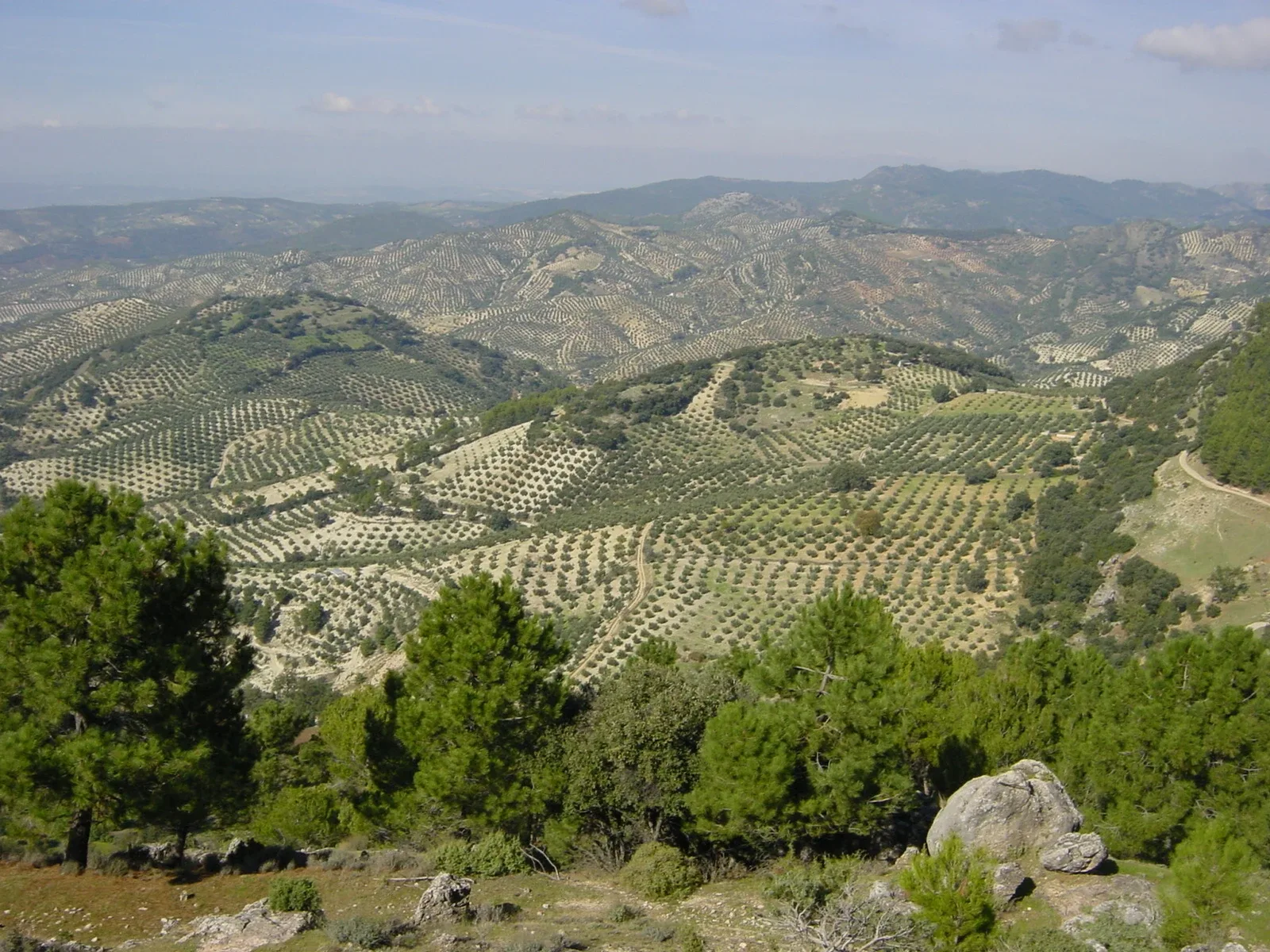
The province of Jaén is especially well suited to a first trip focused on olive-growing culture. The official OleotourJaén portal brings together mills, museums, experiences, viewpoints and scenic routes. You can structure your stay around Bailén for a production tour, then the Baeza area for the history of olive-oil techniques. The towns and olive groves offer two complementary ways to experience the region, without requiring multiple changes of accommodation.
In Umbria, Trevi and Assisi offer two distinct approaches. Near Trevi, the selected experience follows the path from olive grove to mill to tasting. In Assisi, the Tili estate combines an introduction to its oils with organic wines and food products. Choose Trevi to focus your visit on olive oil, and Assisi for a broader food-and-drink experience, especially if you are looking for a session in French.
In the Alpilles, a stay around Saint-Rémy, Les Baux or Mouriès makes it possible to combine heritage and producers. Castelas Mill also welcomes visitors outside the harvest period. From Avignon, a guided excursion with transport adds a tasting to several Provençal stops. Nyons is another option in France: its Tanche olives, table olives and Vignolis cooperative make it a destination in its own right. For three or four days, choose one of these regions. The stays suggested here are organizational choices that you can adjust to your pace.
Olive-related visits
A production mill shows how fruit becomes oil. Modern facilities include steps such as cleaning, crushing and separation. At Castelas, the presentation explains how leaves are removed and the olives washed before crushing; the estate also emphasizes the importance of quickly transporting olives from the groves. During a visit, these details give you specific questions to ask: where did the batch come from, when was it harvested and how is it stored?
The machinery can be presented year-round, while its operation depends on the harvest season. If you want to see olives arrive and follow a batch as it is being processed, ask the mill for a suitable time slot. A visit booked for a fixed date in mid-autumn does not guarantee that the production line will be running: weather, fruit ripeness and the farm’s schedule all affect the program.
A museum answers other questions. At Hacienda La Laguna, near Baeza, the historic equipment, varieties garden and former oil store help explain how the work was done in the past. You can spend more time looking at the tools, pressing systems and storage methods. This visit pairs well with a tour of a modern mill, since the two places make the evolution of the processes visible.
An estate tasting focuses more on the oils and how to use them. It may include a walk among the trees, explanations of farming practices or food pairings. The Tili experience in Assisi also includes several wines; the one in Trevi explicitly combines a mill and an olive grove. Finally, an excursion with a driver meets the need for transport. In the Alpilles, the tasting is only one part of a six-hour itinerary, so your choice should be based on the whole day.
Jaén: mills and heritage
For a short stay, two bases are enough: Bailén and the Baeza area. First book the visit that interests you most, then arrange urban walks and scenery around it. The OleotourJaén directory helps you identify experiences and access details; choosing a few stops will leave you more time to understand the producers’ work than a schedule packed with consecutive tastings.
In Bailén, the selected visit lasts an hour and a half. It introduces the stages of production and ends with a comparison of two early-harvest oils, one made from Picual and the other from Arbequina. This comparison gives beginners a practical starting point: smell two glasses, notice the differences on the palate, and ask how the oils work with the same foods. The profiles described by the operator provide a guide for the session; the exact sensations depend on the oils being tasted that day.
The meeting point is at the mill in Bailén, and the product does not include a transfer from your accommodation. Sessions are offered in English or Spanish, depending on the time slot you choose. The booking language therefore deserves as much attention as the time. For a family or group of friends, a single guided visit of this kind can be the main appointment of the day, followed by lunch and a walk.

Viator
Picual–Arbequina mill tour and tasting in Bailén
Choose this mill in Bailén to learn about the stages of production and compare Picual and Arbequina in the same session.
- 90 min
- 5/5 (5 reviews)
Production tour and comparison of two early-harvest oils. English or Spanish depending on the session; meet at the mill.
Cancellation policy
For a full refund, cancel at least 24 hours before the scheduled departure date.
From €24.00
View activityNear Baeza, in Puente del Obispo, the Museo de la Cultura del Olivo is located at Hacienda La Laguna. Its garden brings together more than thirty varieties of olive trees, and its collections include original 19th-century pieces. The reserve known as the Catedral del Aceite, protected as a site of cultural interest since 1992, also gives an idea of the role storage plays in the olive oil economy. Take in the facilities as a whole: the mill, containers, and storage areas all belong to the same production system.
The selected offer combines a visit with an introductory tasting workshop over two hours. The guide speaks Spanish; a French audio guide is advertised. These are two different forms of guidance, so choose according to your comfort level and whether you want to interact. The museum also offers self-guided options on its own website. Check the exact service when booking, especially if the workshop is your priority.

Viator
Hacienda La Laguna: Olive Museum and Workshop
Pair this museum with a visit to a working mill to compare old and modern techniques; French is available via an audio guide.
- 120 min
- 4.9/5 (23 reviews)
Historic equipment, a varietal garden, and an introduction to tasting. Spanish-speaking guide; French audio guide advertised. Arrive at the museum.
Cancellation policy
For a full refund, cancel at least 24 hours before the scheduled departure date.
From €14.90
View activityTo spread your plans over three days, you could spend the first day settling in and exploring Baeza, the second at Hacienda La Laguna and its surroundings, and the third in Bailén, depending on your onward journey. Reverse the order if your mill appointment makes that more practical. The 90-minute and two-hour visits leave time for meals and travel; they are no reason to cross the entire province in one day. Take in views of the olive groves from places open to the public, respecting private plots.

Umbria, from Trevi to Assisi
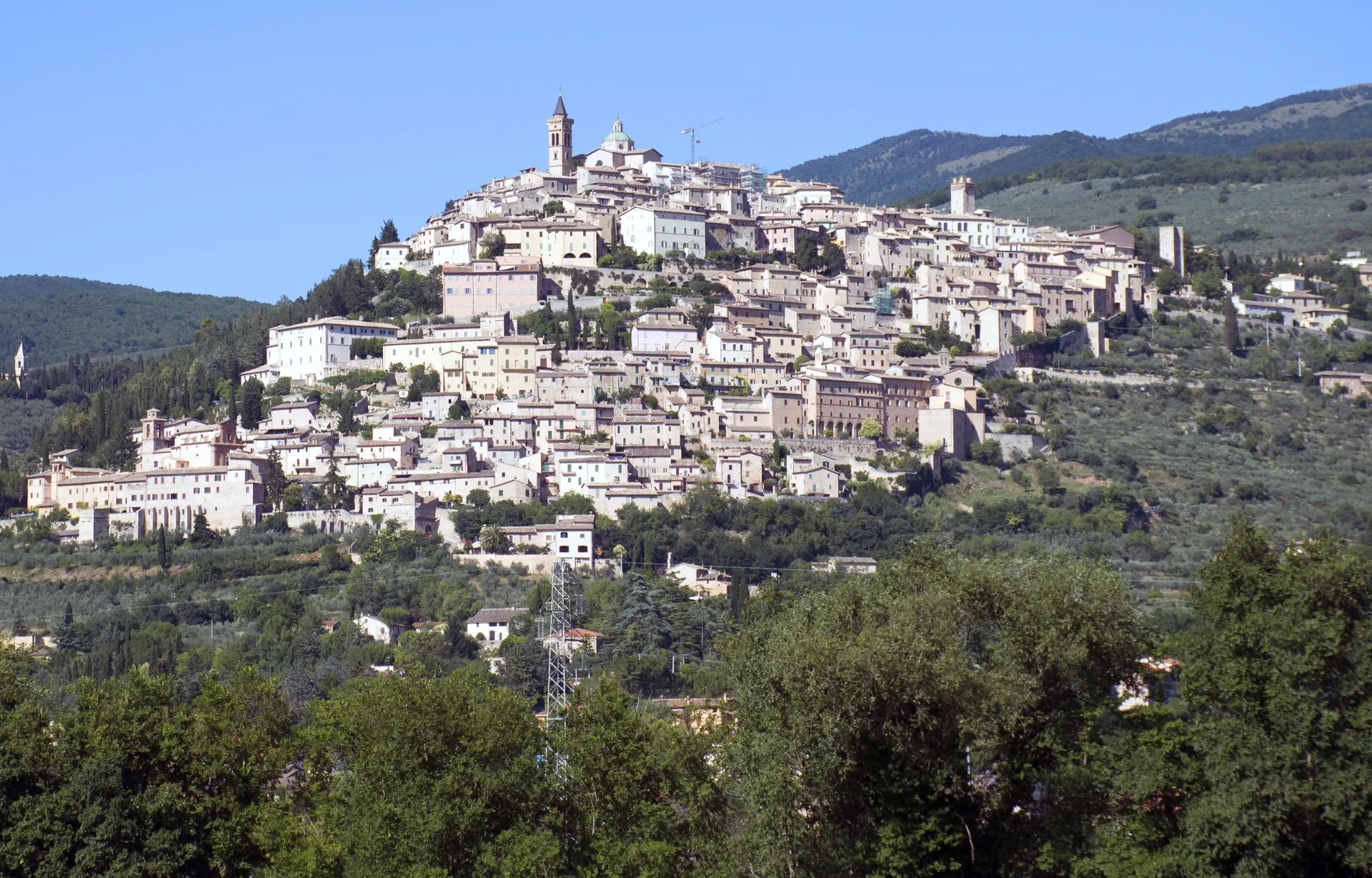
In Trevi, the hilltop village and the plantations visible on the slopes provide a clear setting for the visit. The selected experience at Olio Pietro Venturini includes a walk through the olive grove, a look around the mill, and a tasting of the estate’s oil. The operator mentions, in particular, its Moraiolo olive trees. This sequence connects the oil in your glass to the trees and the place where it is processed, rather than introducing you only to a range of bottled products.
The visit lasts about an hour and must be booked with an on-site meeting point. The advertised languages are Italian, English, German, and Spanish. Plan your arrival at the estate using the supplier’s directions: mentioning “Trevi” in a travel itinerary is no substitute for the mill’s address. Allow extra time before and after the session for travel and a walk around the village.
The walk through the olive grove is also an opportunity to ask the producer about the agricultural year. Variety tells only part of the story: the ripeness of the fruit at harvest, how the grove is managed, and the processing all affect the result. If the mill is operating during your visit, ask which stages you can observe without disrupting the work. Outside the harvest season, the visit is still worthwhile for understanding the facilities and tasting the available oils.

Viator
Olive grove, mill, and tasting in Trevi
Choose this visit to follow the olive’s journey from the trees to the mill and tasting, while discovering the landscape around Trevi.
- 60 min
- 4.9/5 (8 reviews)
Visit Olio Pietro Venturini: olive grove, facilities, and the estate’s oil. Italian, English, German, or Spanish; meet on site.
Cancellation policy
For a full refund, cancel at least 24 hours before the scheduled departure date.
From €13.00
View activityIn Assisi, Tili Vini offers a different experience, combining an organic olive grove with sensory analysis of the oils. The Viator option also includes five wines, bruschette, and local products. It suits visitors who want to explore several of the estate’s products in one session. If your trip is entirely focused on mill techniques, prioritize Trevi; if you would rather share a moment over oil, wine, and local food, Tili is a better fit.
French is one of the languages offered for this activity. The Viator listing gives a duration of one hour; the estate’s own website states a range of one to one and a half hours. Leave some flexibility in your itinerary without changing the confirmed appointment time. Transfers are not included in the basic option; you can ask the estate about arranging them separately. If you taste the wines, plan for a designated driver who does not drink or arrange a return trip with a driver.

Viator
Organic oils and wines at Tili in Assisi
Choose Tili for a French-language tasting featuring oil, wines, and local products; arrange your return if you taste the wines.
- 60 min
- 4.9/5 (35 reviews)
Discover the olive grove and oils, with five wines and accompaniments. French offered; transportation not included in the basic package.
Cancellation policy
For a full refund, cancel at least 24 hours before the scheduled departure date.
From €49.00
View activityA three-day stay could include a day in Assisi, a visit to an estate, and a day around Trevi. Staying near one of the appointments makes travel easier. Visitors already familiar with tastings might prefer two producers with different approaches; for a first introduction, one in-depth visit alongside time in the villages is often enough. Check separately for any open-house days: the activities described here are specific services, with no event ticket included.
The mills of the Alpilles
In the Alpilles, the tourist office directory helps distinguish millers, who extract the oil, from producers who have their olives processed elsewhere. It includes Castelas, the Cornille mill, and several estates around Saint-Rémy and Mouriès. This variety is a good starting point for your research: to compare oils, choose two places that explain their work and can welcome you at compatible times.
Castelas is located at the foot of Les Baux-de-Provence. The estate advertises a free mill tour and guided tasting throughout the year. Its program also features a walk among the olive trees, accompanied by audio content accessible via QR code. The indicated durations are about thirty minutes for the mill, thirty minutes for the tasting, and forty-five minutes for the walk. These timings help you set aside enough time; confirm the arrangements for your visit directly with the estate.
The range offers a chance to explore several expressions of olive oil, including the green and black fruitiness mentioned by the mill. Ask how the fruit was prepared and which dishes the producer recommends for each oil. Flavored oils may also be included in the tasting: keep them separate from plain oils to maintain comparable reference points. Added lemon or herbs can significantly change what you smell in the glass.
For an independent stay, you can base yourself in Saint-Rémy or a nearby village, then spread your visits between a mill, Les Baux, and the Mouriès area. Keep half a day flexible around your tasting appointment, especially if you want to walk in the olive grove. Town visits, lunch, and walks work best when they are close to one another. The chosen mill should be a fixed point in your itinerary, with a confirmed arrival time.
From Avignon, the Provence Excursions trip offers a six-hour option with transport, in French or English, for a maximum of eight travelers. The itinerary includes Saint-Rémy, the Antiques, a tasting at Castelas, the village of Les Baux, and the Pont du Gard. About thirty minutes are allotted to the olive oil stop. This option suits visitors who want to see several places without driving; it leaves less time at the mill than a visit planned around your sole interest in olive oil.
Admission to the Pont du Gard and the Castelas stop is included in the service; lunch is not. Passing near Saint-Paul-de-Mausole and stopping at the Antiques does not include entry to the monastery or a full visit to Glanum. For a day focused on these sites or on extraction techniques, plan a more streamlined independent itinerary. The excursion’s map lets you choose a complete route, while the mill also welcomes visitors directly.

Viator
From Avignon: Alpilles, olive oil, and Pont du Gard
To discover the Alpilles without driving, this itinerary includes a short tasting at Castelas between heritage visits.
- 360 min
- 5/5 (3 reviews)
Six-hour excursion in French or English, maximum eight travelers: Saint-Rémy, Castelas, Les Baux, and Pont du Gard. Lunch not included.
Cancellation policy
For a full refund, cancel at least 24 hours before the scheduled departure date.
From €89.10
View activityNyons and the Tanche variety
Nyons deserves a stay separate from the Alpilles. Here, the focus is on both olive oil and table olives, with the Tanche as the emblematic variety. The Vignolis cooperative describes fruit picked at full maturity and then sorted according to its intended use. Olives destined for the table undergo, among other things, preparation in brine. Tasting olives and tasting olive oil therefore offer insight into two different ways of processing the same fruit.
The Espace Vignolis offers a free-admission olive museum, with tools, containers and old equipment. It makes a good starting point for a flexible visit to Nyons. The museum explores the uses of olive oil and local history, while the video presentation and information from the cooperative explain contemporary production. You can then compare the products with a better understanding of their origins.
Access to the production mill follows a different schedule. For individuals, Vignolis announces visits by reservation from mid-June to mid-September, on Thursday late mornings, subject to a minimum number of participants. Groups have other options by reservation. Simply turning up in November will therefore not give you access to this summer program. If the mill is the main reason for your trip, confirm the visit before booking accommodation.
The agricultural calendar also differs from Castelas’s: Vignolis says its black olives are harvested in December and January. This late maturity explains why the same date does not work for every olive itinerary. A stay in Nyons can be planned around the museum, the cooperative’s products and the surrounding area; seeing the harvest requires contacting the producer directly. Information from the specific farm you plan to visit is the best guide when choosing your dates.
The Seasons of Olive Tourism
Autumn appeals to travelers who want to get close to the harvest and discover new-season oils. In the Alpilles, Castelas says it usually receives olives for oil from mid-October to the end of November. This gives an indication of the estate’s schedule. It helps you plan a stay and then ask whether a visit will coincide with a day of production. Harvest dates and access conditions for the work area are specific to each farm.
In spring, the olive grove offers another subject to discover: pruning, new growth and flowering. Castelas describes pruning from March and flowering around mid-May in its groves. These local reference points do not guarantee the same schedule for every olive tree in Provence, Andalusia or Umbria. Above all, they show that an agricultural walk can be rewarding well before the olives ripen.
In summer, a mill visit or tasting is still possible at operators that welcome visitors during that season. It is, in fact, the period Vignolis lists for its individual production visits. Plan routes to exposed areas with the heat in mind, and allow time indoors for explanations. Bottles you buy should then be kept out of the heat: a long day in a vehicle in the sun is not ideal for transporting your purchases.
Winter offers a chance to discover some regions and their oils at another point in the cycle, including the black olives of the Nyons area. Tili tastings are available year-round by reservation; Castelas also says it welcomes visitors year-round. When choosing, distinguish three things: the season of the landscape, the producer’s harvest campaign and the available booking slots. A visit you can book outside the harvest season can still fully satisfy your desire to learn how to taste olive oil.
Getting Between Estates
The final leg is often the most important one to plan. A train station in a town or accommodation in the center of a village does not mean the estate is within walking distance. Visits to Bailén, Trevi and Tili are based on meeting at the site. Check the exact address, arrival procedure and return options. If you book a taxi for the trip there, make sure it can also pick you up when the activity ends.
If you have a car, plan each day around a single area. In the province of Jaén, group the museum with your time near Baeza; fit Bailén into your arrival or departure route. In Umbria, allow time between your visit to Assisi and your visit to Trevi rather than scheduling two tastings close together. In the Alpilles, pair your chosen mill with nearby villages. Actual driving times depend on where you are staying and should be checked for your specific addresses.
Without a car, the excursion from Avignon is the most structured option in this selection: transport is included in the booked itinerary. For a longer mill visit, you can also arrange private transport while keeping the producer’s direct welcome. Compare the total cost, number of passengers and time actually available at the site. A tour with transport that combines five stops meets a different need from a dedicated round trip for a tasting.
A Truly Comparative Tasting
Your first tasting becomes more informative when you compare a small number of oils and know what sets them apart. At Bailén, the Picual and Arbequina varieties provide the thread announced by the operator. At Trevi, the explanations focus on the estate and its production. At Tili, the experience pairs the oils with the rest of the estate. Before you begin, ask for the name of the oil being served, its variety or blend, and the harvest it comes from.
Let the guide explain the method, then try to describe what you sense in your own words. Notes of green, fruity or riper aromas may come up during the session. On the palate, try to distinguish the successive impressions rather than immediately looking for the “best” oil. Two bottles may appeal to you for different uses. Bread and accompanying foods are useful for exploring pairings, after tasting the oil on its own if the session includes that.
The extra virgin category depends on chemical and sensory criteria. The International Olive Council specifies, among other things, a maximum free acidity of 0.8 grams per 100 grams, along with the other characteristics required by the standard. The stated acidity is therefore not something you can assess as you would the acidity of a juice in your mouth. A guided comparison helps you understand the characteristics of an oil; it does not replace the checks required for its classification.
To leave with useful reference points, note the names of two oils and the dishes you would use them for. Ask the producer to explain the difference between variety, designation and organic certification: these terms describe distinct aspects of the product. You can then read the labels without narrowing your choice to the word “premium” or the packaging design. The best purchase of your trip will be one whose origin you know and that you’ll want to use.
Bottles to Bring Home
A visit lets you ask the questions that are often missing when you’re standing in front of a store shelf: which olives make up this oil, where were they processed, which harvest does it come from, and how should the bottle be stored? Also ask which sizes suit your consumption. A small quantity that you use regularly is better suited to exploring than a large container left open for a long time. The right choice depends on how many people are at the table and how often you use it.
The designations you encounter in the Alpilles and Nyons link products to their region and to production rules. They do not require every oil to taste the same. During the tasting, compare the bottles actually on offer and ask the producer to explain them. Flavored oil, plain oil and prepared olives should each be bought for their respective uses; they cannot be compared solely by the price of the container.
The International Olive Council recommends protecting olive oil from heat, air, moisture and, above all, light. During your stay, keep your purchases in a cool, shaded place; when you get home, store them away from heat sources and close the bottle after use. If the producer offers shipping, check the cost, destinations served and parcel protection before relying on it to transport your purchases.
If you’re flying, check the rules that apply to your departure and connections for liquids in carry-on and checked baggage. Choose the bottle size after checking those rules. Individual protection, an intact seal and packaging that can contain any possible leak are useful for checked baggage. For large purchases or a trip with many stops, delivery may be more convenient than packing more and more bottles in your luggage.
Budget and Reservations
The budget depends first on the type of visit. The direct welcome announced by Castelas and the free Vignolis museum let you explore without buying an excursion. Guided workshops, private tours, and tours with transportation include different services. Compare the prices of the offers when you book, including their pricing basis, number of participants, and inclusions.
For each day, add up the round-trip journey, visit, meal, and any purchases. A one-hour time slot can take up half a day if the estate is far from your accommodation. A longer excursion may simplify transportation for several people. The selection cards bring together the available commercial details; changing prices and ratings are not repeated in the text.
Before confirming, check the language of the session, its departure location, transfer arrangements, food served, and cancellation terms. Groups that include children or people with dietary restrictions should communicate their needs. If you have reduced mobility, ask for details about the actual route: slope, olive-grove terrain, steps, and access to the different rooms. A well-adapted visit will leave you more time and energy for explanations and conversations with the producer.
FAQ
Which region should you choose for your first olive-oil tourism trip?
Jaén province is a good choice if you want to combine a working mill with a specialized museum. Umbria is well suited to an outing that combines a hilltop village, an estate, and a food tasting. The Alpilles make it possible to visit Provençal producers and attractions, with a guided excursion from Avignon that includes transportation. For three days, choose one region and one or two visits: you’ll have time to understand the differences between the oils without making too many trips.
What is the best time of year to visit an olive oil mill?
To see the olives being processed, visit during the mill’s operating season and confirm the tour date. Castelas typically gives mid-October to late November as the period for its oil olives. Vignolis describes a later harvest for Nyons black olives, in December and January. Some estates welcome visitors year-round for tastings and tours of their facilities; the harvest is not necessary for these visits.
Can you take an olive oil route in summer?
Yes, by choosing places that announce summer visits. Vignolis, for example, schedules individual mill tours from mid-June to mid-September, by reservation. A museum visit, a tasting, and a walk through the villages can make for a well-rounded trip. Plan outdoor activities around the heat and bring suitable storage for bottles. Production equipment operates according to the agricultural season.
Which visits are offered in French?
French is offered for the Tili activity near Assisi and for the excursion in the Alpilles from Avignon. At Hacienda La Laguna, a French audio guide is available, while the guide for the selected offer speaks Spanish. The Bailén tour is offered in English or Spanish; the Trevi tour in Italian, English, German, or Spanish. Select your preferred language for the time slot before paying, especially if speaking with the producer is a priority.
Can you visit olive groves without a car?
Yes, as long as you plan how to get to the estates. The excursion departing from Avignon includes transportation and a tasting at Castelas. Visits to estates in Bailén, Trevi, or Assisi require you to arrive on site; a taxi or separately booked transfer may work. Ask for a round-trip quote and a pickup time. The Tili estate says it can arrange a transfer on request, outside the basic package.
Does a visit include olive picking?
Participating in the harvest must be explicitly included in the activity. The five offers selected here are tours, tastings, or an excursion; none promises an opportunity to pick olives. To take part in work in an orchard, look for a dedicated activity and confirm the date, equipment, minimum age, and weather-related arrangements. A walk among the trees does not give visitors free access to plots where olives are being harvested.
How much time should you allow on site?
The activities in this selection range from about one hour at Trevi or Tili to two hours for the museum and workshop at Hacienda La Laguna. Bailén advertises a 90-minute visit; the excursion from Avignon lasts six hours and includes several stops. Add travel time, arriving before your session, and time for shopping. For a three-day trip, one or two main visits leave time for villages, meals, and scenery.
Are the visits suitable for children?
A short visit with visual explanations may suit children, but minimum ages and conditions depend on the activity. Ask the provider about walking, tasting options, and the food served. The Tili package includes wine for adults: ask what adaptations are available. In Nyons, the self-guided museum allows for a more flexible pace; Vignolis workshops have their own age and booking requirements.
Do you have to pay to explore a mill?
Some stops may be free: Castelas advertises a free tour and tasting, and the Vignolis olive museum has free admission. Guided packages, workshops, and excursions are separate services. Compare what they include, transportation, and duration rather than just the displayed price. A free visit on your own may be enough for your itinerary; a paid package may offer guidance or solve transportation challenges.
How do you choose an oil to take home?
Taste the oils, ask about the harvest and origin of the olives, then choose based on how you plan to use the oil and how much you consume. The extra virgin designation corresponds to regulated criteria, while the appellation and organic certification provide other information. Choose a size you can use while storing it properly. For the journey home, protect the oil from heat and light, check transportation rules, and ask the producer about shipping options.
Sources and checks
Plan your visits and check current conditions.
- OleotourJaén: experiences and regions
Diputación de Jaén · Accessed November 1, 2026
What this source supports
Directory of mills, museums, experiences and viewpoints.
- Hacienda La Laguna: museum and packages
Museo de la Cultura del Olivo · Accessed November 1, 2026
What this source supports
Garden with more than thirty varieties, historic equipment, Catedral del Aceite, tour and languages.
- Castelas: mill tour
Castelas Mill · Accessed November 1, 2026
What this source supports
Year-round visitor reception, tour and tasting advertised as free, walk and indicative durations.
- Castelas: the seasonal cycle
Castelas Mill · Accessed November 1, 2026
What this source supports
Local periods for pruning, flowering and harvesting; olives for oil are received from mid-October to late November.
- The mills and producers of the Alpilles
Alpilles en Provence Tourist Office · Accessed November 1, 2026
What this source supports
Directory distinguishing mill operators from olive growers, AOP Vallée des Baux-de-Provence.
- Vignolis: museum and mill tours
Vignolis · Accessed November 1, 2026
What this source supports
Free self-guided museum, calendar and conditions for individual mill tours and group packages.
- Vignolis: olives from Nyons
Vignolis · Accessed November 1, 2026
What this source supports
Tanche, ripeness, December–January harvest and brine preparation.
- Tili: learning to taste
Tili Vini · Accessed November 1, 2026
What this source supports
Year-round visits by reservation, organic oils, five wines, pairings, direct duration 1 h–1 h 30.
- Olive oil categories and storage
International Olive Council · Accessed November 1, 2026
What this source supports
Extra virgin category, chemical and sensory criteria, maximum free acidity and storage.
- Picual–Arbequina mill tour and tasting in Bailén
Viator — CURIOSEETY · Accessed November 1, 2026
What this source supports
Production tour and comparison of two early-harvest oils. English or Spanish depending on the session; meet at the mill. Checked via GET product from the supplier API; details may vary in the main listing. Affiliate links may earn Odyvero a commission.
- Hacienda La Laguna: olive museum and workshop
Viator — Populo Servicios Turisticos y Culturales · Accessed November 1, 2026
What this source supports
Historic equipment, a varieties garden and an introduction to tasting. Spanish-speaking guide, French audio guide advertised; meet at the museum. Checked via GET product from the supplier API; details may vary in the main listing. Affiliate links may earn Odyvero a commission.
- Olive grove, mill and tasting in Trevi
Viator — Olio Pietro Venturini · Accessed November 1, 2026
What this source supports
Visit to Olio Pietro Venturini: olive grove, facilities and estate oil. Italian, English, German or Spanish; meet on site. Checked via GET product from the supplier API; details may vary in the main listing. Affiliate links may earn Odyvero a commission.
- Organic oils and wines at Tili in Assisi
Viator — Tili Vini · Accessed November 1, 2026
What this source supports
Discover the olive grove and oils, with five wines and pairings. French available; transport is not included in the basic package. Checked via GET product from the supplier API; details may vary in the main listing. Affiliate links may earn Odyvero a commission.
- From Avignon: the Alpilles, olive oil and Pont du Gard
Viator — Provence Excursions · Accessed November 1, 2026
What this source supports
Six-hour excursion in French or English, maximum eight travelers: Saint-Rémy, Castelas, Les Baux and Pont du Gard. Lunch not included. Checked via GET product from the supplier API; details may vary in the main listing. Affiliate links may earn Odyvero a commission.
Viator — activity pages
Information about the offers featured in this article.Affiliate links: Odyvero may earn a commission when you book through this article’s buttons.
- Viator : From Avignon: Alpilles, olive oil, and Pont du Gard
Accessed November 1, 2026
- Viator : Organic oils and wines at Tili in Assisi
Accessed November 1, 2026
- Viator : Hacienda La Laguna: Olive Museum and Workshop
Accessed November 1, 2026
- Viator : Olive grove, mill, and tasting in Trevi
Accessed November 1, 2026
- Viator : Picual–Arbequina mill tour and tasting in Bailén
Accessed November 1, 2026


