 odyvero
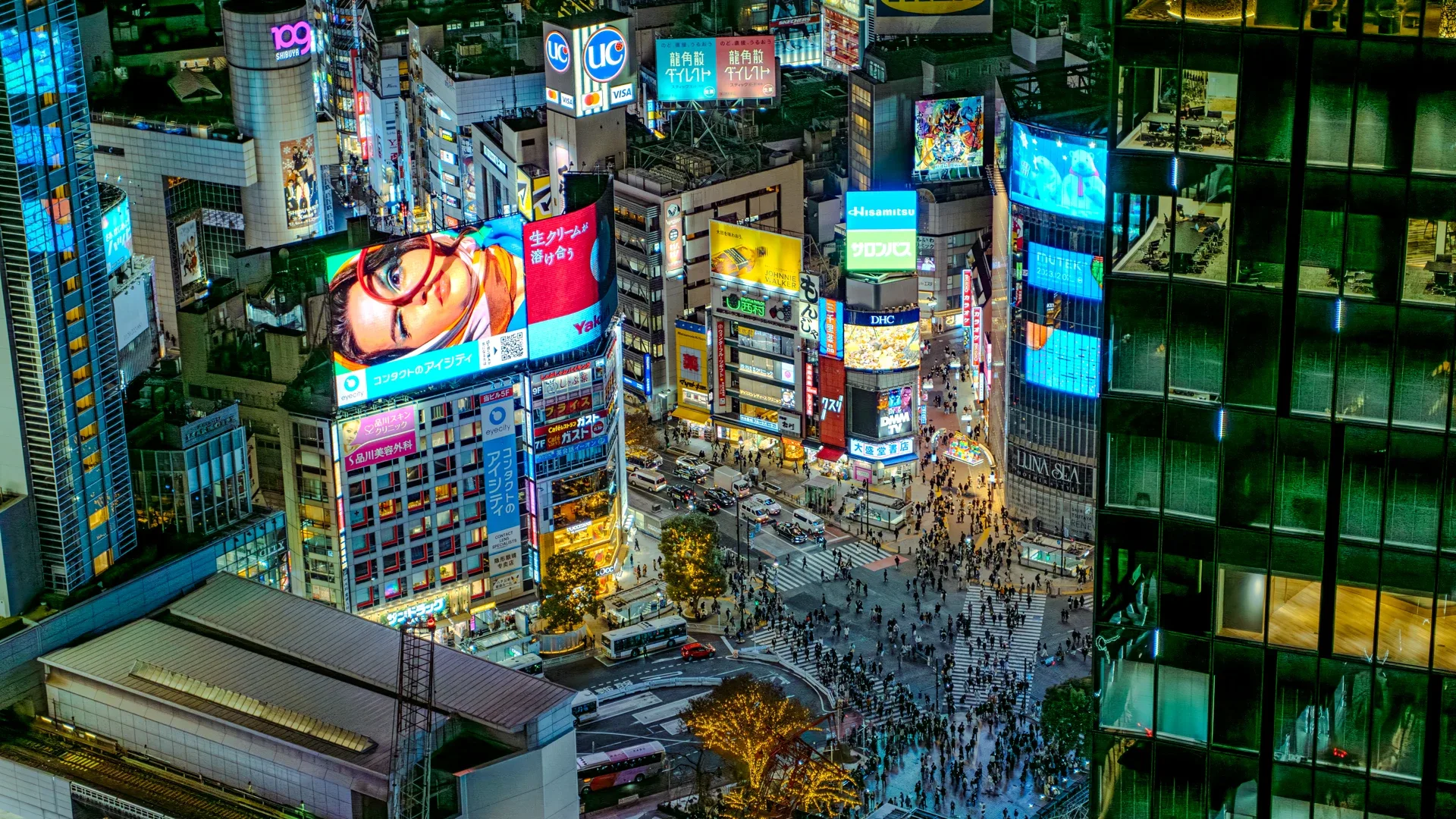
Fourteen days are enough to discover Tokyo and the Kansai region without changing hotels every morning. For a first trip in November or December 2026, the decisions that matter are where to spend each night, the long-distance journeys and which bookings are truly necessary. Here is how to put them together, from French entry requirements to Shinkansen luggage, with an alternative route via Kanazawa and two experiences that are easy to fit into a Tokyo stay.
Booking order
It is worth comparing a flight ticket with arrival in Tokyo and departure from Kansai against a standard round trip. Assess its value across the whole trip: a possible airfare surcharge may be offset by avoiding a train journey back to Tokyo, having a better-placed night and gaining an extra day at the end. Compare the specific airports, connections and schedules before deciding.
Then map out your nights on a calendar. An arrival after a long-haul flight rarely leaves a full day for sightseeing; the transfer to the airport also takes up part of the last day. Our proposal therefore covers fourteen days and thirteen nights in Japan, plus travel time from France depending on your flights.
First book the accommodation your route depends on, then the long-distance journeys and time-slot activities. Neighborhood walks, regular meals and some gardens can remain flexible. One binding booking per half-day is a useful planning rule of thumb to leave time for transport and breaks.
Japan in November and December
In November, autumn foliage is a strong reason to travel, though it varies considerably by altitude and region. JNTO notes that Kyoto is particularly busy toward the end of the month. Choose your hotels before adding numerous excursions; a well-located room makes early outings and returns after dark easier.
Cool days call for several layers of clothing, especially in the morning and evening. To see the colors, check local updates shortly before departure: a seasonal calendar offers a general trend, while the actual condition of the trees determines the day’s walk. No garden can guarantee its best colors on a date set several months in advance.
December suits an urban trip, provided you plan for the cold and shorter days. Prioritize outdoor visits during daylight, then museums, workshops or indoor meals. Around New Year, some establishments close and travel gets busier. If your trip extends into January, separately check the opening hours of each important attraction and your hotel’s arrangements.
Entry requirements when traveling from France
According to France Diplomatie, French citizens do not need to obtain a visa in advance for a short tourist stay of up to 90 days. Travel with a valid passport; every child must have their own. A passport reported lost or stolen must no longer be used, even if it is later found. Work or extended stays follow different procedures.
Visit Japan Web lets you prepare arrival information for immigration and customs. Advance registration is optional, as JNTO explains, and makes the process easier. Use the Digital Agency link listed in the sources, keep the necessary information readily accessible and also save the full address of your first accommodation. This registration does not replace your passport or the admission requirements.
Check your travel medication before closing your suitcase. Keep medicines in their original packaging with a prescription listing the active ingredients. Some substances or quantities require Japanese authorization: have the relevant authorities check your medication well in advance. Also check what medical care and repatriation your insurance covers, as well as how to request assistance.
Tokyo, Kyoto and Osaka
For a first visit, we suggest five nights in Tokyo, five in Kyoto and three in Osaka. This allocation prioritizes full days and visits to grouped neighborhoods. It remains an editorial proposal to adjust to your flights, availability and walking pace.
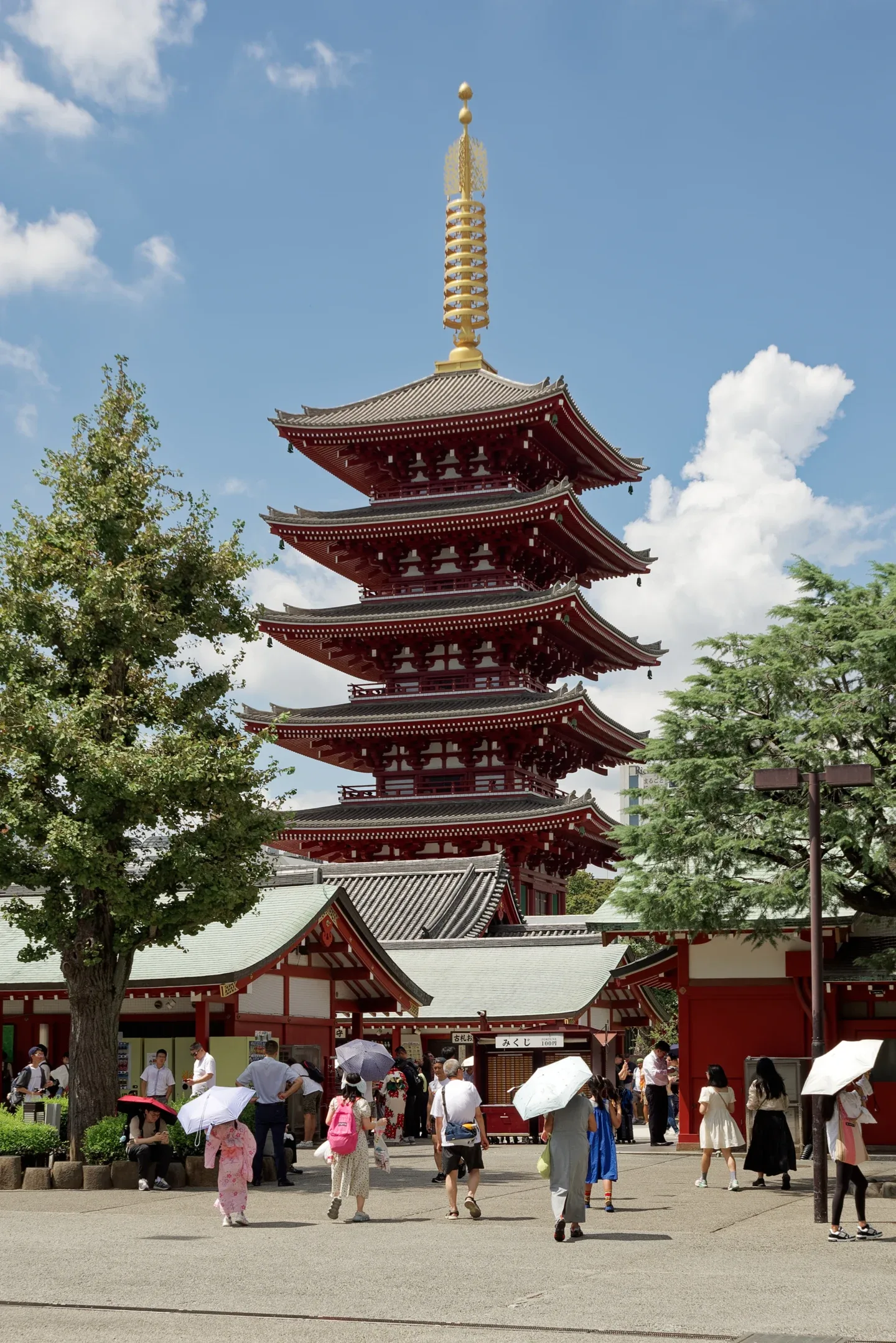
In Tokyo, a first day around Asakusa lets you combine Senso-ji with the surrounding streets without crossing the whole city. Another day can focus on Harajuku and Shibuya; save a day for museums, shops or gardens that suit your interests. Before adding a distant excursion, count the days actually available after arrival and the journeys between bases.
In Kyoto, organize visits by area rather than following a list of scattered monuments. Set aside one day for the east, another for Arashiyama and another for Fushimi, then adjust according to bookings and the weather. The tourist office reminds visitors that attractions are next to residential neighborhoods: respect private access, photography rules and residents’ right of way.
Osaka is a good place to end the trip with food and urban neighborhoods, perhaps with an excursion to Nara. To reduce hotel changes further, keep a single base in Kansai and travel from there. Compare door-to-door journeys to the places you have actually chosen, rather than just the travel times between major stations.


The alternative route via Kanazawa
Two nights in Kanazawa suit travelers who want to devote more time to gardens, traditional crafts, and regional cuisine. Kenrokuen Garden, Omicho Market, and gold-leaf workshops are among the suggestions from the tourism office. Staying there gives you time to connect these places without reducing them to photo stops.
One possible itinerary would be five nights in Tokyo, two in Kanazawa, four in Kyoto, and two in Osaka. You would therefore trade some time in Kansai for a fourth stop. This option is a better fit if you are drawn to specific places in Kanazawa; it adds transfers and another accommodation booking.
Check the current rail journey for each leg, including connections, before choosing where to stay. Adding another city also means checking out of a hotel, managing luggage, and settling in somewhere new. For a first family trip or a slower-paced visit, we still prefer the original three bases.
Trains and the JR Pass
The nationwide Japan Rail Pass can be purchased for a set period. Whether it pays off depends on which lines it covers, how many long-distance journeys you take, and how many fall within its validity period. On an itinerary that arrives in Tokyo and departs from Kansai, skipping the return to Tokyo significantly changes the calculation.
List the journeys you will actually take, check their fares through official channels, and compare the total with the appropriate pass. Include any transportation you will still need to pay for, even with a pass. Pass prices and purchase conditions are listed on the official website; check the sales channel, class, and travelers’ ages. A regional pass may also suit a clearly defined part of your stay.
Nozomi and Mizuho services require national pass holders to purchase a special additional ticket in advance. This matters if you are comparing faster journeys with routes fully covered by the pass. Reserve seats as needed for busy travel days and in light of your luggage.
For local travel, a prepaid IC card makes it easier to pass through many ticket gates and pay for some small purchases. The balance decreases with each use, so plan to top it up and check which lines accept it. Arrange tickets for major rail journeys according to the service you choose.
Luggage between bases
Measure the total of your suitcase’s length, width, and height. On the Tokaido, Sanyo, and Kyushu Shinkansen services covered by the rule, luggage measuring more than 160 cm and up to 250 cm in total requires you to reserve a seat with an oversized-baggage area. JR Central explains the procedures and categories on its dedicated page.
Check this before booking your seat. If suitable seats are sold out, you will need to look for another train or another solution for your suitcase. Do not apply this rule indiscriminately to all trains in Japan: each service has its own conditions.
To travel lighter, ask your hotels whether they can arrange luggage delivery to your next stop. Confirm the destination, price, and, above all, delivery time; pack a small bag for any nights in between. This option is especially convenient when your itinerary includes Kanazawa or several connections.
Budget for two weeks
A useful budget separates flights, accommodation, meals, transportation, and sightseeing. For rooms, compare the total cost of the stay, the number of guests allowed, bedding, taxes, and breakfast. Being closer to a convenient station may justify a price difference, especially when you have luggage.
Here is an example allowance for two adults sharing a room for thirteen nights. At an assumed rate of 14,000 yen per room per night, accommodation comes to 91,000 yen per person. Add an allowance of 6,000 yen per day for meals and everyday expenses, then 45,000 for transportation and 15,000 for sightseeing, and the total comes to 235,000 yen per person, excluding flights, insurance, and major purchases.
These figures are planning assumptions, not prices checked against current listings or a quote. Replace them with your actual bookings, then add your chosen experiences separately. To convert to euros, use the exchange rate applied by your bank and account for its fees. Keeping a buffer in yen avoids building the whole trip around an assumed favorable exchange rate.
Two experiences in Tokyo
A private guide can be useful on your first full day, especially if you want to learn your way around while exploring a few neighborhoods. The selected custom tour offers four-, six-, or eight-hour options in English or Japanese. Agree on the itinerary with your guide; travelers pay separately for transportation, meals, and admission fees. Choosing a few nearby areas lets you spend more time on the explanations.

Viator
Tokyo on foot with a private guide
Schedule this early in your stay to explore a few neighborhoods with a guide and get your bearings in Tokyo. Agree on the route and choose a four-, six-, or eight-hour option; budget separately for transportation and admission fees.
- 4.9/5 (4,922 reviews)
English-speaking guide; four-, six-, or eight-hour options. Itinerary agreed in advance; transportation, travelers’ admission fees, meals, and private vehicle not included.
Cancellation policy
For a full refund, cancel at least 24 hours before the scheduled departure date.
From ¥16,500
View activityThe tea experience near Asakusa offers a different pace: a ninety-minute session with a demonstration followed by the chance to prepare your own matcha. Two bowls of tea and wagashi sweets are included; the activity is done at a table, with no requirement to kneel. Guidance is available in English or Japanese, for a maximum of twelve participants. You make your own way to the venue. This indoor session pairs well with a stroll around Asakusa during the cooler season.

Viator
Tea introduction in Azumabashi
An indoor session to pair with your day around Asakusa: a demonstration, matcha preparation, and wagashi, with the activity done at a table. Plan your journey to Azumabashi; explanations are in English or Japanese.
- 5/5 (235 reviews)
One and a half hours, in English or Japanese, maximum twelve participants. Two bowls of matcha, wagashi, table-side practice, and optional kimono; transportation separate.
Cancellation policy
For a full refund, cancel at least 24 hours before the scheduled departure date.
From ¥9,800
View activityFor your other meals, mix a few reservations with choices made on the spot. If you have an allergy, have the ingredients and accommodation options confirmed before booking a culinary experience. A set meal containing fish, broth, or a sauce cannot be adapted based on its name alone.
Getting ready to leave
Keep hotel confirmations, important tickets, and addresses accessible offline. Before buying an eSIM or SIM card, check that your phone is compatible and unlocked. Bring an adapter for Japanese outlets and check the voltage range printed on your chargers.
Plan to bring a bank card that works abroad and some cash for places that need it. Save the contact details for your assistance provider and accommodation, along with emergency numbers: 110 for the police and 119 for medical emergencies and the fire department. Review travel advice and weather alerts before long journeys. Keeping one day flexible in each major base will let you adjust your plans without disrupting the whole trip.
FAQ
Do French passport holders need a visa to visit Japan?
For a short tourist stay of up to 90 days, French citizens are exempt from obtaining a visa in advance, according to France Diplomatie. A valid passport is required, including for children. Check the rules for your circumstances if you plan to work for pay, study, or stay longer.
Is Visit Japan Web mandatory?
According to JNTO, advance registration is not mandatory. It lets you prepare information used on arrival and makes immigration and customs procedures easier. Use the official Digital Agency website and keep the address of your first hotel handy while traveling.
Is two weeks enough for Tokyo and Kyoto?
Yes, if you limit the number of stops. Five nights in Tokyo and five in Kyoto leave several days in each city; the remaining three nights can be spent in Osaka. Count flights separately and account for arrival and departure times to work out how much sightseeing time you will actually have.
Is the JR Pass essential for this itinerary?
No. Compare the cost of the journeys you actually plan to take with the price of the pass, taking covered lines and surcharges into account. Arriving in Tokyo and departing from Kansai eliminates a major rail journey back, which may make individual tickets a better value. Decide once you have settled on your itinerary.
What budget should I plan for, excluding airfare?
The example allowance in this guide comes to 235,000 yen per person for two adults sharing a room, excluding insurance and major purchases. This calculation is based on stated assumptions; replace them with your hotel, ticket, and activity quotes. Add any booked experiences and a buffer before converting the amount to euros.
Are the suggested experiences available in French?
The two selected products state that guidance is available in English or Japanese. A French translation of the booking page does not change the guide’s language. If French-speaking guidance is essential, look for a service that explicitly offers it before confirming your booking.
November or December for a first trip?
November is a good time for walks among autumn foliage, with high demand in Kyoto toward the end of the month. December suits urban neighborhoods and visits that alternate between outdoor and indoor activities. Stays around New Year require more checks on closures and transportation. The best choice depends on your priorities and the accommodation available.
Sources and checks
Plan your visits and check current conditions.
- Entry requirements for French citizens ↗
France Diplomatie · Accessed October 31, 2026
What this source supports
Short stays of up to 90 days without a visa in advance, individual passport, Visit Japan Web to facilitate checks.
- Insurance and medication ↗
France Diplomatie · Accessed October 31, 2026
What this source supports
Medical assistance and repatriation; packaging and prescription; check substances and permits.
- Visa and Visit Japan Web ↗
JNTO · Accessed October 31, 2026
What this source supports
Optional advance registration; official Digital Agency link https://services.digital.go.jp/en/visit-japan-web/; does not replace admission requirements.
- Japan in November ↗
JNTO · Accessed October 31, 2026
What this source supports
Variable temperatures and foliage; Kyoto is busy in late November. No event date carried over.
- Japan in December ↗
JNTO · Accessed October 31, 2026
What this source supports
Variable cold and closures around New Year; seasonal information, not a 2026 calendar carried over.
- Japan Rail Pass: types and prices ↗
JR Group · Accessed October 31, 2026
What this source supports
7-, 14- and 21-day passes; different types and purchase channels. Calculate whether it pays off based on your actual itinerary.
- Nozomi and Mizuho conditions ↗
JR Group · Accessed October 31, 2026
What this source supports
An additional special ticket must be purchased in advance to use Nozomi and Mizuho trains with the Japan Rail Pass.
- Oversized luggage on the Shinkansen ↗
JR Central · Accessed October 31, 2026
What this source supports
More than 160 cm and up to 250 cm on the routes concerned: reserve a seat with luggage space.
- Prepaid IC cards ↗
JNTO · Accessed October 31, 2026
What this source supports
Pay for journeys and small purchases on compatible networks; prepaid card.
- Preparing for your trip ↗
JNTO · Accessed October 31, 2026
What this source supports
Cash, connectivity, adapter; 110 for police, 119 for fire and ambulance.
- Official Kyoto guide ↗
Kyoto City Tourism Association · Accessed October 31, 2026
What this source supports
Areas, transport and services; respect residential areas and local rules.
- Official Kanazawa guide ↗
Kanazawa Tourism Association · Accessed October 31, 2026
What this source supports
Kenrokuen Garden, Omicho Market, gold leaf workshops. Night allocation: editorial proposal.
- Explore Tokyo on foot with a private guide ↗
Viator / supplier · Accessed October 31, 2026
What this source supports
English-speaking guide, four-, six- or eight-hour options. Itinerary agreed in advance; travelers’ transport and admission fees, meals and private vehicle excluded. Active product rechecked via GET Partner API; language and duration verified. Central offer populated with a SUPPLIER_PROVIDED photo of the exact product. No availability guaranteed.
- Tea experience in Azumabashi ↗
Viator / supplier · Accessed October 31, 2026
What this source supports
One and a half hours, English or Japanese, maximum twelve participants. Two bowls of matcha, wagashi, seated practice and optional kimono; transport separate. Active product rechecked via GET Partner API; language and duration verified. Central offer populated with a SUPPLIER_PROVIDED photo of the exact product. No availability guaranteed.
Viator — activity pages
Source for the activity information below.Affiliate links: Odyvero may earn a commission when you book through this article’s buttons.
- Tea introduction in Azumabashi ↗
Accessed November 1, 2026
- Tokyo on foot with a private guide ↗
Accessed November 1, 2026


