 odyvero
For a day of temples and seaside scenery, choose Kamakura. For views of Mount Fuji, head to Kawaguchiko; for mountain transport and Lake Ashi, choose Hakone. Nikko combines spectacular heritage with mountain scenery, but involves more travel. Here’s how to choose your destination, then find a suitable option among six activities whose departure points, languages, and inclusions have been checked.
Four destinations, four day trips
A bronze Great Buddha, a lake at the foot of Fuji, a ropeway ride, or Toshogu’s gilded carvings: these day trips suit different interests. Start by deciding what you want to spend several hours seeing. Then consider the logistics: some travelers want to book a full day trip from Tokyo; others prefer to take the train to their destination and meet a guide there.
Kamakura is particularly well suited to a first independent outing. The city brings together shrines, Buddhist temples, shopping streets, and coastline. JNTO reports that the train journey between Tokyo and Kamakura stations takes about 55 minutes on the JR Yokosuka Line. Add the trip from your hotel and local travel time. You can spend the day there, have lunch on site, and choose when to return without having to book a series of tourist transports.
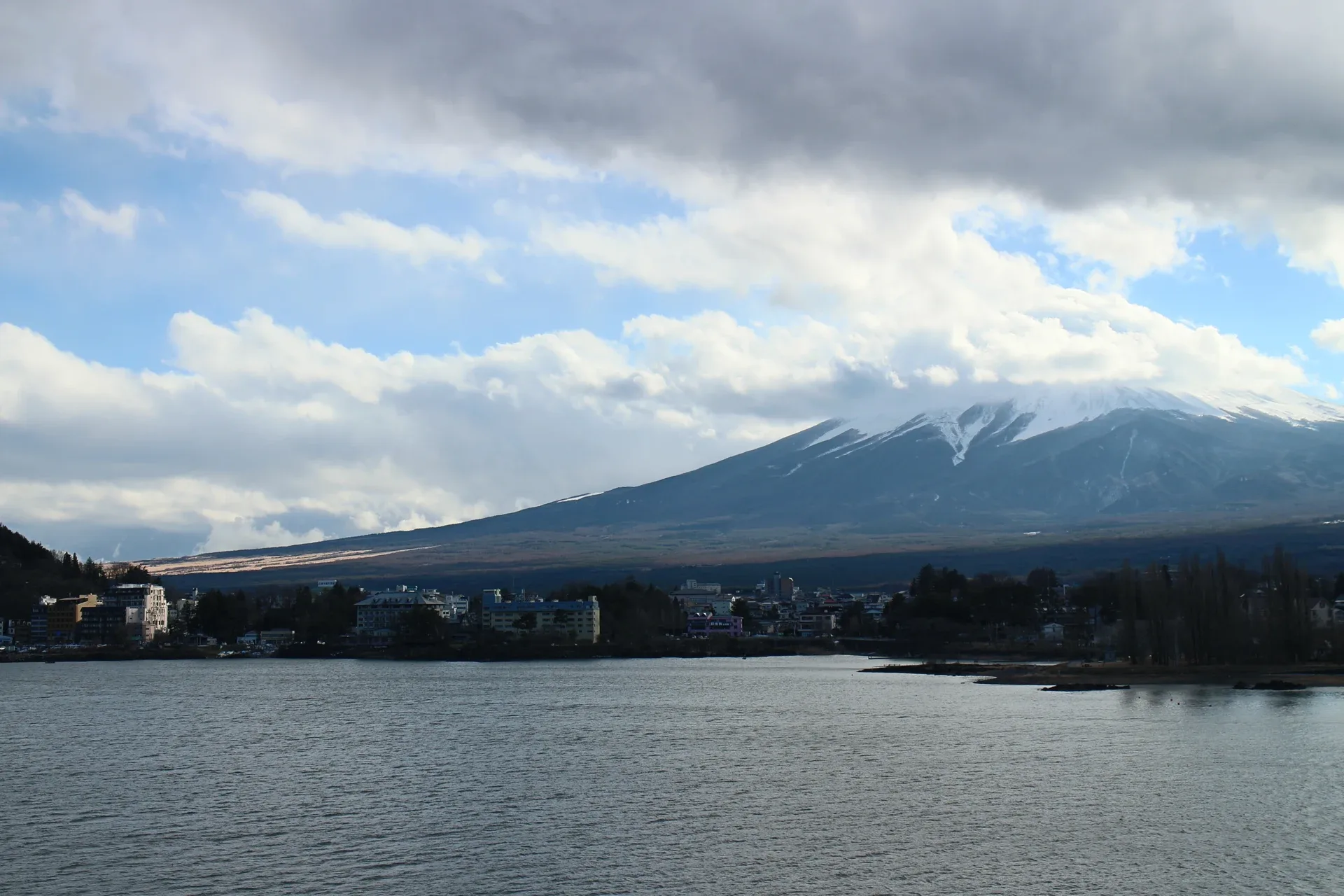
Kawaguchiko will appeal first to travelers who want to see Mount Fuji in its landscape. The lake and nearby villages offer several perspectives on the mountain, when clouds reveal it. Spending a day focused on this area leaves more time for the lakeshore and walks than a large tour that also includes Hakone. We would favor this destination if photographing Fuji is your main motivation.
Hakone offers a different variety of scenery and transport. The mountain railway, funicular, ropeway, and boats on Lake Ashi shape the experience. Fuji may be visible from some viewpoints, but your day also takes in Hakone’s terrain and the lake. This destination suits people who enjoy switching between modes of transport and exploring an area on the move.
Nikko draws visitors for Toshogu, the shrine associated with Tokugawa Ieyasu, and the mountains of Okunikko. The central monuments and Lake Chuzenji are in different areas. So your visit will be very different depending on whether you explore the shrines in depth with a local guide or take a coach that also goes to Kegon Falls. If you have room for two day trips during your stay, we would pair Kamakura with Kawaguchiko or Nikko: that way, you would discover two distinctly different environments.
Six tour options
The advertised durations refer to the services being sold. They include travel when it is part of the product; for the Kamakura and Nikko local guides, they start at the local meeting point. This distinction makes a significant difference to how long your day will be from your hotel.
| Option | Meeting point | Advertised duration | Key difference |
|---|---|---|---|
| Kamakura on foot | Kamakura | 3 h 30 min | English-speaking guide, maximum ten participants, transport and admission fees separate |
| Kawaguchiko by coach | Tokyo, Yaesu | 11 h 30 min | English-speaking guide, smartphone translation, cruise and meal depending on option |
| Fuji and Hakone | Tokyo, depending on option | 11 hours | Bus outbound, ropeway and boat, return to Tokyo by Shinkansen |
| Private vehicle to Fuji or Hakone | Pickup to be agreed | 10 hours advertised | Customizable itinerary, tickets and meals separate, French available for an extra charge |
| Nikko by coach | Tokyo, Ginza | 11 hours | Toshogu depending on option; waterfall and lake excluded when substituted in winter |
| Private guide in Nikko | Nikko | 6 hours | Three to four sites to be agreed, transport and admission fees separate |
On small screens, scroll the table sideways.
The selection is based on current itineraries and how they differ in practice. Ratings and any prices shown on the cards come from the central offers; they change as provider data and options are updated. A product active in the catalog may not yet offer your travel date. Select the option and number of travelers before comparing the final amount.
Kamakura, temples, and coastline
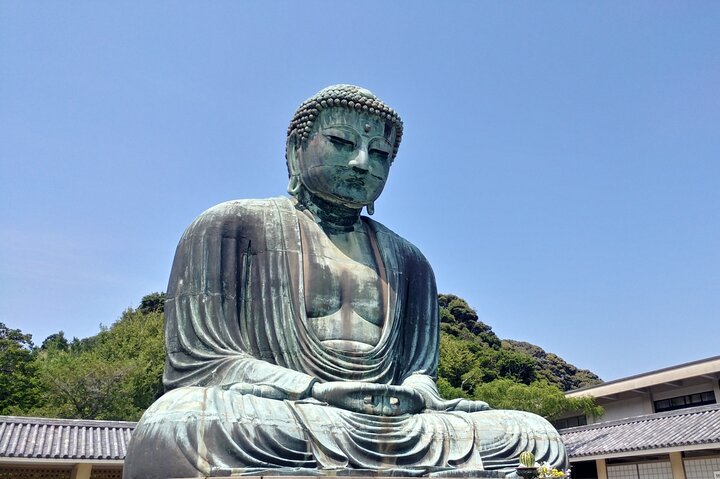
Kamakura is a good way to add cultural substance to a fairly flexible day. The Great Buddha at Kotoku-in is an obvious landmark, but the visit is more rewarding if you include a shrine and another temple to experience different spaces and practices. Tsurugaoka Hachimangu is accessible from the area around the station; Hasedera and the Great Buddha are in the Hase area. Traveling between these two clusters is part of the day’s plan.
We would organize an independent day around these two areas, with a lunch break between visits. Komachi-dori, near Kamakura Station, has shops and restaurants. You can return there to choose somewhere to eat, then continue to Hase. Depending on how much time and energy you have, you can finish your walk near the sea. The advantage of this arrangement is that you can linger in a garden or in front of a statue without keeping an eye on a coach departure to another city.
The guided tour we selected lasts three and a half hours and accommodates up to ten participants. Its itinerary includes Tsurugaoka Hachimangu, Komachi-dori, the Great Buddha, and Hasedera. The guide provides commentary in English. The service includes the guide; admission fees and transport are paid separately. You will therefore need to arrange your own journey from Tokyo, arriving early enough to find the meeting point listed in your booking.
This option works well if you want to understand the sites rather than research all their history yourself. The guide provides a shared cultural thread connecting a Shinto shrine, a Buddhist temple, and the former seat of political power. Afterward, you remain in control of the rest of the day. Before booking a restaurant or planning a visit to Enoshima, check the tour’s start time and where it ends.
Enoshima deserves a separate decision. The island and its coastal views can extend your day, but a guided tour, several temples, a relaxed lunch, and a full visit to the island can quickly fill the schedule. For a first visit, we would make Kamakura the priority. If you are especially interested in the sea, you could instead visit fewer temples and devote more of the afternoon to the coast.
Viator
Kamakura on foot with an English-speaking guide
For a guided introduction to the temples and shrine, followed by a free afternoon. Make your own way to Kamakura and budget separately for admission fees.
- 5/5 (146 reviews)
A three-and-a-half-hour local tour for up to ten people. Guide included; travel from Tokyo, local transport, and admission fees are separate.
Cancellation policy
For a full refund, cancel at least 24 hours before the scheduled departure date.
From $35.00
View activity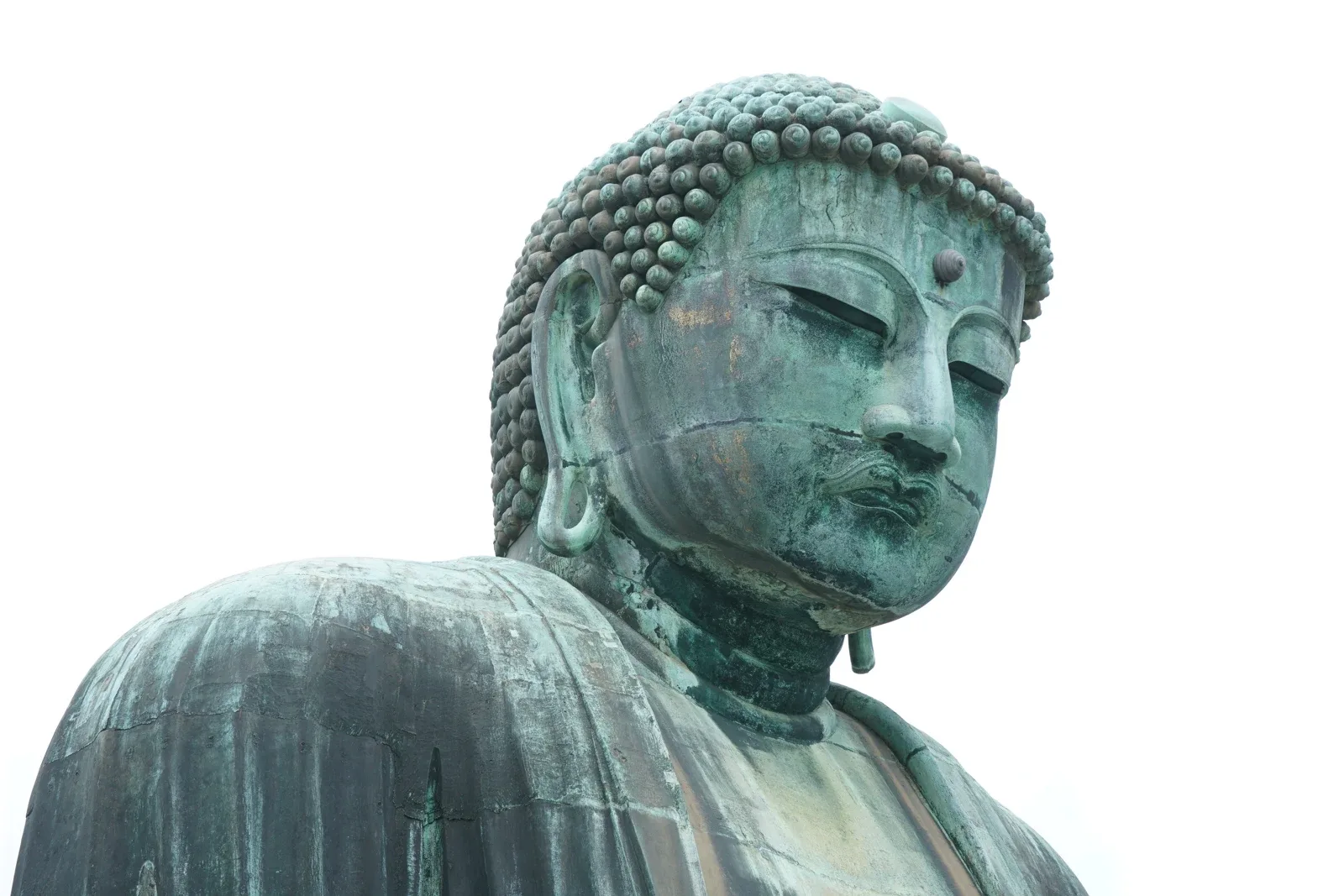


Kawaguchiko at the foot of Mount Fuji
In Kawaguchiko, the key decision is how much time you want to spend taking in the scenery. Catching a clear view of Mount Fuji requires some flexibility: the mountain may remain hidden for part of the day. An itinerary focused on the lake and its surroundings also lets you enjoy the outing when clouds obscure the summit. So review the stops and free time, then choose based on the kind of photos you hope to bring back.
The selected coach excursion lasts eleven and a half hours and departs from Tokyo. The usual meeting point is at Yaesu Bus Terminal, on level B2F. The listing we reviewed asks participants to arrive at 7:40 a.m. for a 7:50 a.m. departure; check these instructions again on your confirmation. If your hotel is on the other side of Tokyo, getting there early in the morning is already part of the journey. Plan your route to the bus terminal the night before.
The current itinerary includes Oshino Hakkai and the Kawaguchiko area. The ponds at Oshino offer a different perspective, with a walk among houses, shops, and water features. At the lake, free time lets you choose a route near the meeting point. A sightseeing cruise is included when you select the corresponding option. Lunch also depends on the package: some options include it, while a booking without meals leaves you to make your own arrangements.
The guide works in English. The supplier advertises real-time translation, accessed on your own smartphone with your earphones. To follow the commentary comfortably in French, bring a charged phone and the requested accessories. This arrangement differs from speaking directly with a French-speaking guide; choose it if it suits you, and consider how comfortable you are with understanding the group’s meeting instructions.
The activity’s historical listing includes the word “ropeway” in its web address. The current verified itinerary highlights the lake and the optional cruise. We therefore do not count any cable car as an included service in this recommendation. Use the details of the package you select to plan your day, especially if a specific attraction is the reason for booking.
We would choose this outing for a first look at the area around Mount Fuji without arranging the connections between Tokyo, Oshino, and Kawaguchiko ourselves. If, instead, you want a long walk along the shore, time to wait for photos at a particular spot, or a visit to a specific museum, an independent stay with an overnight in the area will give you more flexibility. In any case, the scenic excursions presented here stay at the foot of the mountain or on its access roads: they do not include an ascent to the summit.

Viator
Kawaguchiko and Oshino Hakkai from Tokyo
For a day focused on the area around Mount Fuji. Select the cruise if you want to sail, and bring a charged phone and earphones for translation.
- 4.7/5 (629 reviews)
Coach from Yaesu, 11.5 hours. English-speaking guide, with smartphone translation; cruise and meal depend on the option selected.
Cancellation policy
For a full refund, cancel at least 24 hours before the scheduled departure date.
From ¥13,500
View activityHakone and the Shinkansen return
The Fuji and Hakone excursion combines several sightseeing segments in a day advertised as lasting eleven hours. The outbound journey is by coach, and the itinerary then includes a cable car and a cruise on Lake Ashi. The return journey uses the Shinkansen from Odawara to Tokyo Station. This combination will appeal to travelers who want to experience several Japanese forms of transport while leaving the main connections to an operator.
The Fuji Fifth Station is on the itinerary, subject to access conditions. Reached by road, it is a high-altitude scenic stop. The supplier plans an alternative location for when the coach cannot travel high enough. To set your expectations, focus on the succession of landscapes: Mount Fuji’s access routes, Hakone’s mountains, and the lake, with stops arranged around the group itinerary.
The cable car and cruise are included in the verified service. However, services may change depending on the weather or operating conditions. On Lake Ashi, the crossing offers views from the water; the time allocated at each stop is that of a group excursion. This is not a free day on which you can add a museum, a long visit to a hot spring, and an independent walk.
The guide speaks English, and a French audio guide is advertised. There are several lunch options. The listing specifies that some dietary restrictions cannot be accommodated by the buffet; the no-meal option lets you bring your own lunch. If you have an allergy or a specific dietary requirement, confirm that it can be accommodated before choosing the meal option.
The departure point varies by booking, notably between Ginza and Shinjuku. The return ends at Tokyo Station, even if you departed from Shinjuku. You will therefore need to arrange your final journey back to your hotel. The advertised Shinkansen ticket covers the return segment from Odawara; do not interpret it as a rail pass you can use for the rest of your stay.
We would book this option for its variety of transport and the convenience of having a fairly full itinerary taken care of. For a day devoted to a museum or hot springs, we would prefer to stay in Hakone and visit fewer places. The official network offers a Hakone Freepass valid for two or three days, depending on the ticket selected. Whether it is worthwhile depends on your route and the transport you use; the Romancecar train supplement must be purchased separately.

Viator
Fuji and Hakone with return by Shinkansen
For a planned day combining scenery and several forms of transport. Choose the departure point that suits your hotel and plan your final journey from Tokyo Station.
- 4.8/5 (33,179 reviews)
An eleven-hour day trip with an English-speaking guide and French audio guide. Ropeway and boat included; meal depends on the option selected. Return from Odawara to Tokyo.
Cancellation policy
For a full refund, cancel at least 24 hours before the scheduled departure date.
From ¥24,616
View activityPrivate vehicle around Mount Fuji
A private vehicle primarily addresses a group-planning need. You can agree on a pickup location, discuss the itinerary, and arrange stops according to your interests. The selected service advertises ten hours and offers two broad route options: the area around Fuji, or a combination of Fuji and Hakone. Travel is private; paid visits and activities require a separate budget.
To make the most of this flexibility, we would first define two or three priorities. With children, you might look for easy access to the lake and a suitable meal break. For photography, you could request more time around Kawaguchiko. Travelers interested in Hakone can prioritize that area and discuss which activities to keep. The operator must confirm that the itinerary is feasible given the departure location, travel times, and season.
An English-speaking driver-guide is the basic service described in the inclusions. French is listed as an option, with an additional charge noted among the exclusions. Ask for written confirmation of French-language service and its cost for your date, rather than assuming it is available based on the language list. Tickets for the cable car, cruise, and other activities remain separate, as does lunch.
The pickup area also matters. A hotel in central Tokyo, an airport, and an address in Yokohama may not have the same conditions. The provider lists surcharges for several outlying areas. Provide the exact address and number of passengers, then specify any luggage or child-seat needs. The reserved vehicle should be suitable for the actual group.
The listing gives several details about the return time and overtime. Before paying, clarify the included service duration, when the return journey begins, and any charges for going beyond the allotted time. This clarification makes it easier to discuss an extra stop on the day. Customization will be more useful with a focused itinerary than with an exhaustive list of scattered lakes, shrines, and viewpoints.
We would choose this option for a group that wants to travel together and adjust its priorities, or for travelers who prefer to avoid the meeting times of a shared coach. To compare the budget, add up the vehicle, necessary tickets, meal, and confirmed surcharges. Then divide the total among the participants who actually need to pay: this gives you a consistent comparison with an excursion priced per person.

Viator
Private vehicle around Fuji or Hakone
To tailor the stops to your group’s needs. Before booking, get written confirmation of the route, service duration, pickup, and French-language surcharge.
- 4.9/5 (2,780 reviews)
Advertised as ten hours, with an English-speaking driver-guide; French available for an additional fee. Tickets and meals are separate; pickup area to be agreed.
Cancellation policy
For a full refund, cancel at least 24 hours before the scheduled departure date.
From ¥78,500
View activityNikko by Coach from Ginza
Nikko brings together the history of the shoguns and mountain scenery. Toshogu deserves particular attention for its buildings, sculptures, and richly detailed decoration. The official website highlights, among other features, the Yomeimon Gate, the sleeping cat, and the three monkeys. A guide can help you spot these details and understand the significance of Tokugawa Ieyasu, whose mausoleum is housed at the shrine.
The selected group excursion departs from Ginza and advertises an eleven-hour duration. It includes transportation from the meeting point and guidance in English and Spanish. The group may have up to forty-five people. This option is for those who want to reach Nikko from Tokyo without planning the sequence of trains and buses to the mountain scenery themselves.
The itinerary includes a stop at Toshogu, followed by Kegon Falls and Lake Chuzenji when the seasonal route allows. The shrine admission ticket depends on the option selected. If you want to visit the inside of the complex, explicitly choose the option that includes it. Shinkyo Bridge is advertised as a scenic pass-by from the bus: plan your visit accordingly rather than expecting to have time for a long walk there.
Kegon and Chuzenji are in the Okunikko area. They require additional travel from the central shrine district. The tourism office lists bus connections of about forty to fifty minutes from Nikko stations to this area, depending on the stop. Travel therefore takes up a significant part of the excursion day. Time near the waterfall is also used to arrange lunch if it is not included.
The season genuinely changes what is offered. For January and February, the provider says Kegon and Chuzenji are replaced with a heritage-focused itinerary around Rinnoji and Futarasan. If the lake is your priority, choose a date and option that explicitly keeps it on the itinerary. Snowy scenery may be appealing, but it does not automatically preserve the visits included on an autumn day trip.
Lunch is not included in the basic option; a Premium option is advertised as including it. Compare the details of that option with the one that includes Toshogu only. We would choose the coach to visit several areas in one day, and a local guide to spend more time on the architecture and monuments in the central district. These two options offer different paces from the outset.

Viator
Nikko from Tokyo: shrine and scenery
To connect several areas of Nikko without arranging transfers yourself. Select the Toshogu ticket option and check the seasonal itinerary if Chuzenji is a key reason for your trip.
- 4.8/5 (2,186 reviews)
Eleven hours from Ginza, with English- and Spanish-speaking guides. Toshogu admission and meal depend on the option selected; the waterfall and lake are replaced in January and February.
Cancellation policy
For a full refund, cancel at least 24 hours before the scheduled departure date.
From $109.00
View activityNikko with a Local Guide
The six-hour private tour starts in Nikko. You therefore make your own way to the city, then meet a licensed English-speaking guide for an itinerary to plan together. The service includes three to four sites chosen from the listed options. Private transportation, local travel, admission fees, and lunch are at your own expense.
This option lets you spend more time on the shrines and temples. We would first discuss a coherent heritage-focused itinerary around Toshogu, Rinnoji, and Futarasan, adjusting the number of visits to the time you want to spend at each. The guide can explain the decoration, history, and customs of the sites; you can ask questions and choose which details to explore further.
The commercial listing also mentions sites in Okunikko. However, six hours of guiding means allowing for travel to the lake and waterfall. Agree on priorities with the guide before treating every site on the list as part of a confirmed itinerary. A route focused on the historic center and a loop to Chuzenji involve different transport and time allocations.
For the round trip from Tokyo, the Tobu network is an option to consider from Asakusa. Its Nikko Pass all area covers a defined transport area and is valid for four days. Limited express train tickets and shrine admission fees are separate. Compare the pass with the journeys you actually plan to take; its validity period may be more useful for an overnight stay than for a day focused on the monuments.
The operator also announces that the Akechidaira Ropeway will be suspended from January 16, 2026 to August 31, 2027, with a possible extension. We therefore do not include it in a fixed itinerary during this period. For a later trip, check the official reopening announcement. This check concerns that specific facility and does not affect Nikko’s other visits.

Viator
Nikko with a licensed private guide
To explore the shrines in greater depth with a private guide. Plan your arrival in Nikko and agree on the sites with the guide, allowing for travel time.
- 4.9/5 (321 reviews)
Six hours of local guiding in English, with three to four sites to be agreed. Train from Tokyo, local transport, admission fees, and meals are separate.
Cancellation policy
For a full refund, cancel at least 24 hours before the scheduled departure date.
From ¥23,500
View activityChoosing Your Transportation
The train works well when you want to explore an area at your own pace. In Kamakura, you can arrive directly in town and then get around on foot and by local transport. In Nikko, a day devoted to the shrines can be planned around the stations and historic center. Book a guide after checking that your train allows you to reach the meeting point comfortably.
Company passes apply to specific networks. Odakyu’s Enoshima-Kamakura Freepass offers a round trip from Shinjuku and travel within the designated Odakyu and Enoden areas. The JR Yokosuka route from Tokyo Station is a different itinerary. Your hotel and planned visits determine which option is more convenient; a pass that looks attractive on paper may add a detour if its departure point is inconvenient for your accommodation.
A coach is useful when the stops are spread out. It connects several sites without requiring you to plan every transfer. The practical trade-off is a shared itinerary, with fixed meeting times and stop durations. Look at the stops that genuinely motivate you to go: an option that includes more places by name may leave less time at the one you are most interested in.
In Hakone, planning the trip yourself can be part of the enjoyment. The network connects several tourist transport services, and the Hakone Freepass covers designated services. Check operating information before you leave, then adapt your route to the services that are running. For a museum, a walk, and a bath, staying overnight will make for a different itinerary than a day trip that has to return to Tokyo that same evening.
Seasons and visibility
All four destinations can be visited throughout the year, with itineraries adapted to the season. In winter, dress for outdoor stops and higher-altitude areas. Snow, wind, or road closures can affect an excursion around Mount Fuji or Nikko. So read the provider’s winter itinerary before booking, even if the main photo in the listing shows a sunny lakeside.
In spring and autumn, gardens and scenery offer additional reasons to visit. Exact flowering and foliage dates vary from year to year and with altitude. For a 2027 trip, this guide does not promise any specific dates. Choose your destination first, and leave yourself the option to adjust a walk based on local conditions.
Visibility of Mount Fuji is weather-dependent. A good forecast helps you plan, but it cannot guarantee a clear view of the summit during your stop. If your itinerary allows, leave some flexibility in choosing the day, subject to the activity’s booking and cancellation terms. Also make the other stops part of what you value: the shores, village, boat, or Hakone scenery.
A rainy day may steer you toward cultural visits, but you will still need to walk between buildings. Bring suitable shoes, rain protection, and a light bag. In both Kamakura and Nikko, having a guide does not eliminate walking, outdoor passages, or changes in elevation.
The day’s budget
The useful price to compare is the cost of the itinerary you will actually book. For a local guide in Kamakura or Nikko, add the round trip from Tokyo, local transport, and admission fees. For a coach, check whether meals and attraction tickets are included. For a private vehicle, identify any language, pickup, and duration surcharges before splitting the costs among participants.
Options can make a significant difference to what is included. A Nikko excursion without a Toshogu ticket is not the same as a package with admission. In Kawaguchiko, the cruise and lunch depend on the option selected. Compare like-for-like packages: the same number of travelers, the same date, and the same included activities. The cards bring together the available pricing information; the amount you pay will depend on these parameters.
Also set aside a meal budget and a small reserve in yen for local expenses. Tipping is not generally required in Japan. JNTO notes that it is not customary for many services, while also mentioning private guides accustomed to international clientele. You can thank your guide without automatically adding a fixed percentage to every expense.
Two day trips during your stay
For two days away from Tokyo, we would start with an easy-to-adjust outing such as Kamakura, then choose a different kind of scenery. Kamakura and Kawaguchiko let you combine temples, coastline, and views of Mount Fuji. Kamakura and Nikko offer more time for heritage, with distinct monuments and natural settings. The order can follow the weather forecast and the days actually offered by tour operators.
Hakone and Kawaguchiko may both appeal to mountain lovers. On a short stay, we would choose one of the two first to preserve time in Tokyo. On a longer trip, an overnight stay in one of these regions may offer more than a second rushed round trip. You can then spread walks and transport across several stages.
Avoid scheduling a long road excursion just before a flight or an important reservation. The stated return time is still subject to actual travel conditions. Plan a flexible dinner and leave your luggage at the hotel if the tour does not transport it. An early departure is easier to manage if you gather the meeting-point address, tickets, charged phone, and day-trip essentials the night before.
FAQ
Which day trip should I choose for my first outing from Tokyo?
Kamakura is a good choice for an independent day trip combining temples, shops, and the coast. Rail access lets you stay in control of your return. If photography around Mount Fuji is your priority, choose Kawaguchiko instead. Hakone suits visitors who want to explore using several forms of transport, while Nikko is particularly appealing to fans of shrines and history. Let your main interest and the time you want to spend traveling guide your choice.
Can you see Mount Fuji on a day trip from Tokyo?
Yes, trips to Kawaguchiko or access points around Mount Fuji let you look for viewpoints during the day. However, the weather may obscure part or all of the mountain. Choose an excursion whose other stops also interest you, and check the forecast before you leave. The activities in this guide offer panoramic sightseeing; they do not include a summit climb.
Should I book Hakone or Kawaguchiko?
Kawaguchiko is a good fit if you want to focus the day on Mount Fuji and a lake in the Fuji Five Lakes region. Hakone offers a more varied experience by mountain railway, cable car, and boat, depending on which services are running and which package you choose. For a single day, choose based on the scenery or activity that appeals to you most. If you have a specific hot spring bath or museum in mind, build your route around that visit.
Are there excursions with commentary in French?
The selected Fuji and Hakone package advertises a French audio guide with an English-speaking human guide. The Kawaguchiko option offers a translation tool on your smartphone. The private vehicle listing mentions a French-speaking option for an additional fee, to be confirmed for your booking. The local Kamakura and Nikko tours presented here are in English. Choose the commentary option that also lets you follow practical instructions comfortably.
Is the train from Tokyo included in local tours?
You need to arrange it yourself for the Kamakura walking tour and the private Nikko guide. Their durations start at the meeting point in the destination. So add the trip from your hotel, the round-trip rail journey, and time to arrive early. Local transport and admission fees are also separate for these two options. Coach excursions from Tokyo include the travel described in their packages.
Can you visit Nikko in winter?
Yes, by adapting the itinerary to the season and local conditions. The selected coach excursion states that in January and February, Lake Chuzenji and Kegon Falls are replaced by a heritage-focused itinerary. For a private tour, agree on the sites and transport with your guide. Bring warm clothing and shoes suitable for outdoor sections; check schedules and services for your chosen date.
Does a regional pass cover temple admission tickets?
It depends on the pass. Tobu’s Nikko Pass all area covers transport and certain services, but shrine admission and limited express tickets are separate. The Hakone Freepass includes designated transport and offers discounts at some establishments; the Romancecar surcharge is separate. The Enoshima-Kamakura Freepass covers the specified Odakyu and Enoden network. Always compare the validity area with your planned routes and visits.
Which option is best with children?
A condensed itinerary in Kamakura or a private vehicle can make it easier to schedule breaks. The choice depends mainly on age, how much walking is manageable, and how much time you are willing to spend in transit. For a group outing lasting eleven hours or more, check the schedule and stops before booking. Ask the operator to confirm age rules, suitable seating, and space for strollers; do not assume these are included just because the tour is described as “private.”
Should I book everything well in advance of the trip?
Book once your dates and plans are reasonably settled, especially if you want a private guide, a specific language, or a meal option. Products currently listed in the catalogue may not have opened all their sales for 2027. Read the cancellation terms for the specific booking and keep your plans flexible enough to account for the weather. If travelling independently, also check which train reservations you need and the guide’s meeting time.
Sources and checks
Plan your visits and check current conditions.
- Kamakura: places and access ↗
JNTO · Accessed October 31, 2026
What this source supports
Temples, a shrine, and coastline; about 55 minutes from Tokyo Station on the JR Yokosuka Line, not including travel from your hotel.
- Enoshima-Kamakura Freepass ↗
Odakyu · Accessed October 31, 2026
What this source supports
Round trip from Shinjuku and designated local Odakyu/Enoden area; valid for one day; Romancecar surcharge sold separately.
- Hakone Freepass ↗
Odakyu Hakone / Hakone Navi · Accessed October 31, 2026
What this source supports
Two- or three-day pass for designated transport; Romancecar surcharge; services may be suspended depending on conditions.
- Transport in Hakone ↗
Odakyu Hakone / Hakone Navi · Accessed October 31, 2026
What this source supports
Mountain railway, funicular, ropeway, and boat; check operational information for your travel date.
- Mount Fuji guide ↗
JNTO · Accessed October 31, 2026
What this source supports
Distinguishes the Fuji Five Lakes, viewpoints, the fifth station, and the climb.
- Nikko Pass all area ↗
Tobu Railway · Accessed October 31, 2026
What this source supports
Valid for four days; limited express trains and shrine admission are separate; Akechidaira suspended from January 16, 2026, to August 31, 2027, with a possible extension.
- Nikko Toshogu ↗
Nikko City Tourism Association · Accessed October 31, 2026
What this source supports
Mausoleum of Tokugawa Ieyasu, Yomeimon Gate, the Sleeping Cat, and the Three Wise Monkeys.
- Kegon Falls ↗
Nikko City Tourism Association · Accessed October 31, 2026
What this source supports
Waterfall and bus access, with an indicative journey time from Nikko’s stations.
- Lake Chuzenji ↗
Nikko City Tourism Association · Accessed October 31, 2026
What this source supports
Scenery and bus connections from Nikko; a separate area from the historic center.
- Tipping in Japan ↗
JNTO · Accessed October 31, 2026
What this source supports
Tipping is generally not customary; it may be appropriate for a private guide accustomed to international visitors, but there is no general obligation.
- Kamakura on foot with an English-speaking guide ↗
Viator Partner API / operator · Accessed October 31, 2026
What this source supports
Real product retrieved via GET, status ACTIVE; three-and-a-half-hour local tour, maximum ten people. Guide included; travel from Tokyo, local transport, and admission fees separate. Itinerary, variants, language, and exclusions reviewed. Odyvero deep link provided for our key; no dated availability guaranteed.
- Kawaguchiko and Oshino Hakkai from Tokyo ↗
Viator Partner API / operator · Accessed October 31, 2026
What this source supports
Real product retrieved via GET, status ACTIVE; eleven-and-a-half-hour coach tour from Yaesu. English-speaking guide, smartphone translation; cruise and meal depend on the option selected. Itinerary, variants, language, and exclusions reviewed. Odyvero deep link provided for our key; no dated availability guaranteed.
- Fuji and Hakone with return by Shinkansen ↗
Viator Partner API / operator · Accessed October 31, 2026
What this source supports
Real product retrieved via GET, status ACTIVE; eleven-hour day trip, English-speaking guide, and French audio guide. Ropeway and boat included; meal depends on the option selected; return from Odawara to Tokyo. Itinerary, variants, language, and exclusions reviewed. Odyvero deep link provided for our key; no dated availability guaranteed.
- Private vehicle around Fuji or Hakone ↗
Viator Partner API / operator · Accessed October 31, 2026
What this source supports
Real product retrieved via GET, status ACTIVE; ten hours advertised, English-speaking driver-guide; French available for an extra charge. Tickets and meals separate; pickup area to be agreed. Itinerary, variants, language, and exclusions reviewed. Odyvero deep link provided for our key; no dated availability guaranteed.
- Nikko from Tokyo: shrine and scenery ↗
Viator Partner API / operator · Accessed October 31, 2026
What this source supports
Real product retrieved via GET, status ACTIVE; eleven hours from Ginza, in English and Spanish. Toshogu admission and meal depend on the option selected; the waterfall and lake are replaced in January and February. Itinerary, variants, language, and exclusions reviewed. Odyvero deep link provided for our key; no dated availability guaranteed.
- Nikko with a licensed private guide ↗
Viator Partner API / operator · Accessed October 31, 2026
What this source supports
Real product retrieved via GET, status ACTIVE; six hours of local guiding in English, with three to four sites to be agreed. Train from Tokyo, local transport, admission fees, and meals separate. Itinerary, variants, language, and exclusions reviewed. Odyvero deep link provided for our key; no dated availability guaranteed.
- Photo: Suicasmo ↗
Wikimedia Commons · Accessed October 31, 2026
What this source supports
CC BY-SA 4.0 verified file by file via Commons metadata. Original downloaded and decoded; dimensions [5184, 3456], derivative [1920, 1280]. Image visually checked; resized and converted without upscaling.
- Photo: Alexandar Vujadinovic ↗
Wikimedia Commons · Accessed October 31, 2026
What this source supports
CC BY-SA 4.0 verified file by file via Commons metadata. Original downloaded and decoded; dimensions [3984, 2656], derivative [1600, 1067]. Image visually checked; resized and converted without upscaling.
Viator — activity pages
Source for the activity information below.Affiliate links: Odyvero may earn a commission when you book through this article’s buttons.
- Nikko with a licensed private guide ↗
Accessed October 31, 2026
- Kamakura on foot with an English-speaking guide ↗
Accessed October 31, 2026
- Private vehicle around Fuji or Hakone ↗
Accessed October 31, 2026
- Kawaguchiko and Oshino Hakkai from Tokyo ↗
Accessed October 31, 2026
- Nikko from Tokyo: shrine and scenery ↗
Accessed October 31, 2026
- Fuji and Hakone with return by Shinkansen ↗
Accessed October 31, 2026


