 odyvero


For a trip to Japan in November or December 2026, the most tangible change happens between the store checkout and the airport: tax-free purchases are refunded after their export has been confirmed. The departure tax, overnight stays in Kyoto and where you buy the JR Pass also require careful review. Here’s how to understand the amounts, prepare the necessary steps and book without counting the same fees twice.
Fees and when they are due
A paid flight ticket, a booked room and a souvenir you’ve bought are not accounted for in the same way. The international departure tax is generally collected by the carrier. The accommodation tax may still be payable on site. Tax-free shopping now requires you to pay the consumption tax upfront, then follow a procedure before leaving the country. These differences determine how much money you actually have available during your stay.
To prepare your budget, list separately the expenses already paid, the amounts still due and the refunds you expect. Your hotel confirmation should let you identify the room price, any meals and how local taxes are handled. A transport receipt should show the total and included fees. For tax-free purchases, treat the tax-inclusive amount as a definite expense until the refund has been issued.
Three dates shape the end of this year: Kyoto’s new overnight-stay rates have applied since March 1, 2026; the international departure tax increased on July 1; and purchases made from November 1 are covered by the tax-refund system. The date of your booking and the date of the service may therefore be subject to different rules. A general announcement about “taxes in Japan” is not enough to calculate your own costs.
The international departure tax
The reference rate is 3,000 yen per person per departure from Japan, effective July 1, 2026. The National Tax Agency states that airlines and other international carriers are generally responsible for collecting it. For a standard return trip, start by checking your ticket breakdown. You do not need to set aside another 3,000 yen automatically if that amount is already included in the taxes paid.
This tax applies to international departures, not every domestic journey. A train between Tokyo and Kyoto or a domestic flight should not be counted as a new departure from the country. However, a trip that leaves Japan, returns and then departs again may involve several taxable departures. The number of border crossings matters more than the total length of the vacation.
Exceptions apply, including to children under two and certain transits. The rules also provide transitional treatment for some transport contracts made before July 1, 2026. If your ticket is older, has been changed or includes an unusual connection, ask the issuer to confirm the amount. The carrier’s statement is the right document to check what was collected in your case; an approximate conversion into euros does not answer that question.
Overnight stays in Kyoto
In Kyoto, the accommodation tax is calculated per person per night, based on the accommodation amount used for this calculation. The city specifies that this is the room price and corresponding service charges, excluding meals and consumption tax. For a ryokan with dinner and breakfast, you therefore need to know how the package price is itemized. The total paid for the night does not always let you identify the bracket directly.
Since March 1, 2026, the rates are as follows: a taxable base below 6,000 yen per person per night, 200 yen tax; from 6,000 to under 20,000 yen, 400 yen; from 20,000 to under 50,000 yen, 1,000 yen; from 50,000 to under 100,000 yen, 4,000 yen; 100,000 yen or more, 10,000 yen. The maximum amount therefore applies to a specific accommodation bracket. It does not apply to every room in the city.
Consider two adults staying four nights, with a taxable base of 12,000 yen per person per night. The tax is 400 yen multiplied by two people and four nights, or 3,200 yen. For the same group with a base of 25,000 yen per person, it comes to 8,000 yen. These examples illustrate the municipal rates; they do not describe a particular hotel or commercial quote.
The tax is payable to the accommodation unless you have already paid it through the booking site or agency. Keep proof of payment to avoid paying twice. Also check the exact municipality where you are staying: Kyoto City’s rates should not automatically be applied to every stop in the Kansai region. Before moving your stay to save on tax, compare the total cost, travel times and the hours when you plan to visit.
Tax-free shopping after November 1
For purchases made on or after November 1, 2026, Japan’s system adopts a refund method. You pay the tax-inclusive price at a participating store. When departing, customs confirms that the goods are being exported; the refund equivalent to the tax then follows the process set by the seller. Tax-free shopping remains available, but it requires an upfront payment and an additional departure procedure.
The announced threshold is 5,000 yen in pre-tax purchases at the same store on the same day. This is an eligibility requirement, in addition to the conditions concerning the buyer and the goods. An ordinary retailer does not become a tax-free store just because you present a passport. Before paying, ask whether the establishment participates in the scheme and what documents it requires for your status.
At the counter, ask them to clarify the refund method, the information you need to provide, and any processing fees. The Japan Tourism Agency website refers customers to the store for details about the payment. You should therefore not assume that every shop issues an immediate cash refund at the same airport counter. Keep the instructions for each process with your purchase receipts, and check how you can follow up on a missing amount after you return.
If your stay spans the changeover, sort purchases by their actual purchase date. An item paid for before November 1 and another bought afterward may be subject to different procedures. The seller should be able to explain how the receipt they issue will be processed. Avoid combining the two in a refund estimate calculated from memory at the end of your trip.
Receipts and goods
Customs confirmation must take place within 90 days of purchase. This deadline concerns the export of goods under the scheme; it does not authorize an extended stay. Organize your receipts so you can identify which goods correspond to each transaction. A bag containing several purchases from different shops does not, by itself, show how they will be treated for tax purposes.
The most important rule concerns the entire transaction. If any item listed on a single receipt is missing at inspection, the Japan Tourism Agency says none of the goods in that transaction can receive the confirmation required for a refund. An item given to someone who remains in Japan, or a package left in another suitcase, could therefore affect several purchases. Before leaving your hotel, match each receipt to the items you are actually taking with you.
For consumables, removing the special packaging does not mean you can consume them in Japan and then request a refund. Food, drinks, and cosmetics must be available for export. If some or all of the goods have been consumed, the official instructions say to declare this to a customs officer at the counter rather than proceeding directly through the ordinary terminal process.
This rule helps you organize your purchases from the moment you shop. Clearly separate what you will use during your stay from what you will take home. Do not base your budget on a tax-free refund for an item you plan to finish before your flight. For bulky items or major purchases, also check your airline’s baggage conditions and the customs rules in your home country: Japan’s tax-free scheme does not address either of these issues.
Inspection before checking baggage
When departing on an international flight, you must have all the relevant goods with you during the procedure. Terminals and inspection areas are located, among other places, in departure halls before baggage is handed over. Present your passport at the designated terminal; the result will indicate whether an inspection is required. If you are selected for inspection, the goods must remain accessible. Once your suitcase has been checked in, you cannot retrieve it simply to complete this procedure.
So prepare your bags accordingly the night before. Keep your documents together and avoid burying items under clothes in a way that requires you to unpack your entire suitcase. For liquids intended for checked baggage, customs inspection takes place before you hand over your bag; security and transport rules still apply afterward. Allow enough time for your airport, the volume of your purchases, and your flight schedule rather than relying on a supposedly sufficient universal time allowance.
At airports named by the administration, including Narita, Haneda, and Kansai, Visit Japan Web can be used for the online procedure in an area with dedicated Wi-Fi. A regular mobile connection does not meet this local requirement. Terminals remain an option under the scheme. Download the information you need in advance, then follow your airport’s process; a refund does not require you to buy an eSIM.
Finally, if you take a domestic flight followed by an international flight, the administration designates Japan’s final departure airport as the location for this procedure. Clarify baggage handling with your airline before your first check-in. If your purchases become inaccessible during your connection, a receipt alone will not let you present them. Make this check before traveling to the airport for your domestic departure.
Choosing a JR Pass based on your purchase
The JAPAN RAIL PASS fare depends, among other things, on its duration, class, and sales channel. On the official website, an adult Ordinary pass purchased online is listed at 50,000 yen for seven days, 80,000 for fourteen days, and 100,000 for twenty-one days. The fare table for an authorized overseas agency lists 53,000, 84,000, and 105,000 yen, respectively. When comparing offers, be sure to distinguish between these two official columns.
To decide, first list the journeys you will actually make during the period you are considering. Note the separate tickets for the same dates, class, and comparable trains. Then add the covered trips you will actually use. A fourteen-day stay does not automatically mean you need a fourteen-day pass: your longer journeys may be concentrated in a different period.
Nozomi and Mizuho trains require an additional special ticket for pass holders, as the official website explains. Factor this in if these trains are part of your comparison. Also examine local transport separately: seeing a city’s name on an itinerary does not mean all its networks are covered. The pass price should be assessed against your list of actual journeys, not a collection of hypothetical trips added to make it seem worthwhile.
For a first Tokyo-Kyoto itinerary, our guide to two weeks in Japan explains how to organize your bases and luggage. Here, the budgeting decision comes down to one comparison: the total cost of the journeys you actually plan to take, the appropriate pass, and any necessary supplements. Keep the fares in yen for this comparison, then apply the payment fees and the exchange rate actually offered by your card when you make the purchase.
Gion and local access
Visiting rules should be checked for each street, establishment, or trail. In Kyoto, official guidance asks visitors to respect private property, photography restrictions, and residents’ right of way. It also asks visitors not to stop, follow, touch, or photograph geiko and maiko without permission. When walking around Gion, follow the signs currently in place, even if an older article shows a different entrance.
For a cultural experience, we prefer a clearly identified activity with a confirmed booking. Near Kyoto Station, the private tea ceremony offered in a historic house gives you an hour to explore this experience in an organized setting. Guidance is available in English or Italian, and the booking requires at least two people. The package includes the ceremony, followed by a choice of matcha preparation or tasting; alcohol is available only to guests aged twenty or older.
This booking is suitable if you want an indoor activity at a set time between visits. The listing states that sales are non-refundable, so book it after confirming your accommodation and arrival in Kyoto. It does not provide special access to Gion’s private streets and is not a geiko performance. Its value lies in spending time with tea, a host, and a reserved activity rather than hoping for a chance encounter on the street.

Viator
Private tea ceremony in Kyoto
A private hour dedicated to tea in a reserved venue, with guidance in English or Italian. Confirm your arrival in Kyoto before making this non-refundable booking, which requires at least two people.
- 60 min
- 5/5 (191 reviews)
A tea ceremony for two or more, with a choice of matcha preparation or tasting depending on the package; guidance in English or Italian.
Cancellation policy
All sales are final. Cancellations will not be refunded.
From ¥18,000
View activityMount Fuji at the end of the year
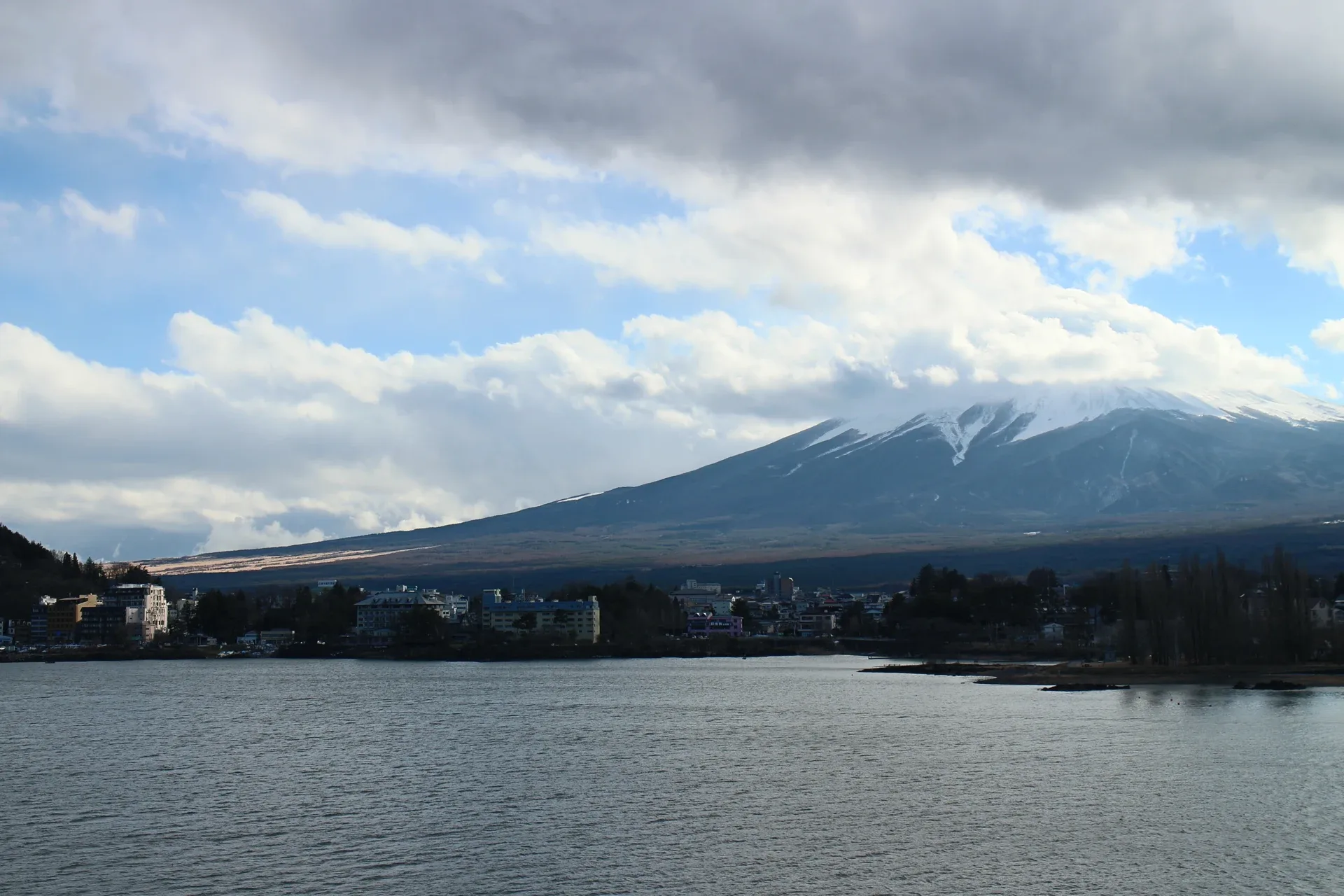
The official 2026 climbing season on Mount Fuji has ended. The relevant site indicates that the trails to the summit are closed for winter and notes that the season ended on September 10. For a November or December trip, build a day around accessible scenery and transport that is actually operating. An old summer booking rule does not authorize you to climb after the trails have closed.
Lake Kawaguchiko offers views of the mountain range, weather permitting. Be sure to distinguish an excursion to see the mountain, a possible trip to a station, and a climb. Services and access conditions differ. To choose a transport-based itinerary, our comparison of excursions from Tokyo lets you explore Kawaguchiko, Hakone, and other destinations without treating a scenic tour as a mountaineering ticket.
For a future climb, wait for information about the relevant season before finalizing dates, mountain huts, fees, and access arrangements. Guidance may vary by route. The rules for one trail do not apply to every tourist site: identify the specific location and planned activity. In late 2026, the decisive information is that the summit routes are closed, not the amount of an access fee from the previous summer.

Documents and connectivity
Entry into Japan, digital procedures, and taxes serve distinct purposes. JNTO notes that your passport must be valid and that visa exemption depends on the country or territory of your passport, the length of your stay, and its purpose. Consult the relevant Japanese diplomatic mission about your situation, especially if you plan a long stay or an activity other than tourism. A hotel booking or a tax payment does not replace any required entry authorization.
JNTO describes Visit Japan Web as optional, while noting that it can facilitate certain procedures. If you choose to use it, register the address of your first accommodation and your travel details. An announcement about a future electronic authorization system is not enough to establish a mandatory procedure, fee, or date for your departure. Follow the official instructions applicable to your passport and avoid paid intermediaries whose services are not clearly described.
For everyday travel, mobile connectivity is mainly useful for finding an appointment, checking a train change, or opening a reservation. The selected Airalo plan offers 10 GB of data for fifteen days in Japan. It suits a short stay with reasonable use of maps and messaging, on an eSIM-compatible, unlocked phone. Check the activation and validity start conditions before installation; also keep important documents accessible offline.
Compare this expense with your carrier’s international option and your tethering needs. The plan presented covers data, with no promise of a Japanese phone number. Videos and automatic backups can use up your allowance quickly: save them for Wi-Fi if you want to keep your data for getting around. The product’s price and currency remain on the card, where you can compare them in their actual units.
Airalo
Japan: 10 GB of data for 15 days
To keep directions and appointments accessible during a fifteen-day trip to Japan, if your regular plan does not cover them. Check eSIM compatibility and when the validity period begins; the online customs procedure uses its dedicated Wi-Fi.
Before you return
At the end of your stay, compare three sets of documents: accommodation receipts, tax-free purchases, and your outbound journey. For your accommodation, the question is what remains to be paid. For souvenirs, you need to account for every item in each transaction and understand the refund arrangements. For transport, identify your final international airport, how your baggage will be handled, and any fees already collected.
This check can affect how you pack your suitcase. An opened box of sweets eaten during the trip must be distinguished from purchases that will be exported. A gift placed in a companion’s bag must not become impossible to find during your own procedure. Each person should keep a list of their transactions, and you should agree on who is carrying which items before going to the airport, rather than in front of the customs counter.
After export confirmation, keep the information needed to track the refund with the seller or its service provider. Then check that the payment is actually made through the stated method. If several stores use different channels, you may need to track several transactions. The final budget check is to compare the refunds actually received with the tax-inclusive expenses, without confusing them with the accommodation tax or airfare fees: those charges are not part of the tax-free goods scheme.
FAQ
Will tax-free shopping end in Japan in November 2026?
No. For purchases made on or after November 1, 2026, the system changes to a refund after export has been confirmed. You pay the tax-inclusive amount at a participating store. Customs checks take place at departure, and the refund arrangements depend on the seller’s process. Ask about those arrangements before buying and keep your receipts.
What is the minimum for a tax-free purchase?
The Japan Tourism Agency states 5,000 yen before tax per day at the same store. The conditions concerning the buyer and the goods must also be met. Reaching the threshold alone therefore does not make a purchase eligible at every shop. Confirm that the store participates and ask about the procedure when you pay.
Can you use purchases before returning home?
Goods purchased tax-free must be exported. Food, drinks, or cosmetics consumed in Japan cannot receive the corresponding export confirmation. If any part of a transaction is missing, the other goods on the same receipt are affected too. The administration instructs travelers to report any consumption to a customs officer at the counter.
Can you complete the tax-free procedure after checking your suitcase?
The instructions require you to have all the goods with you during the procedure. So obtain customs confirmation before checking in any bag containing them. Terminals and inspection areas are provided before baggage is handed over. For a domestic flight followed by an international connection, ask the airline to clarify how your baggage will be routed and how you can access your purchases at the final Japanese airport.
Do you have to pay the departure tax at the airport?
For a regular ticket, the carrier generally collects this tax. First check the charges already paid. The reference rate is 3,000 yen from July 1, 2026, with exceptions and transitional provisions. For a ticket issued before that date or a particular transit itinerary, ask the issuer how it will be handled.
Is Kyoto’s accommodation tax always 10,000 yen?
No. That amount applies to the bracket starting at an accommodation tax base of 100,000 yen per person per night. The other brackets are 200, 400, 1,000, or 4,000 yen. Meals and consumption tax are excluded from the municipal tax base. Ask for a breakdown of any package that includes meals, and check whether the tax has already been paid.
Does the JR Pass cost the same everywhere?
The official page distinguishes online purchases from purchases through designated overseas agencies. For seven days in Ordinary class for an adult, the price lists consulted show 50,000 and 53,000 yen. Compare the sales channel, class, and duration, then check which journeys are actually covered. Nozomi and Mizuho require pass holders to buy an additional special ticket.
Can you climb to the summit of Mount Fuji in November?
The summit trails are closed for winter after the official 2026 season. Instead, plan to explore the scenery from accessible areas, after checking transport and weather conditions. A tour to the lakes or Hakone is not a climb. For a future season, wait for the corresponding official schedule before booking your ascent.
Is Gion completely off-limits to visitors?
Official guidance concerns, among other things, private property, photography, and behavior in the neighborhood. Follow the signs at each entrance, do not block the streets, and do not follow geiko or maiko. For a cultural experience, choose a scheduled activity whose content is announced and booked, rather than seeking an interaction while they are traveling for work.
Sources and checks
Plan your visits and check current conditions.
- Tax-free shopping by refund: traveler procedure
Japan Tourism Agency · Accessed November 2, 2026
What this source supports
Purchases from November 1, 2026: pay the tax-inclusive price; minimum 5,000 JPY before tax per day/store; export confirmed within 90 days before checking baggage; all goods from the transaction must be present; refund terms depend on the seller.
- The transition to the tax-free system
JNTO · Accessed November 2, 2026
What this source supports
Confirmation that purchases made from November 1, 2026 will move to the refund system.
- Q&A International Tourist Tax, April 2026
National Tax Agency · Accessed November 2, 2026
What this source supports
3,000 JPY per departure from July 1, 2026, collected by the carrier, exemptions and transitional treatment for certain earlier contracts. Pages 1–2, 16–17.
- Kyoto accommodation tax rates
Kyoto City · Accessed November 2, 2026
What this source supports
Since March 1, 2026: per-person/per-night brackets of 200/400/1,000/4,000/10,000 JPY. Based on room and service charges, excluding meals and consumption tax. Pay at the accommodation unless already paid.
- Currency Exchange & Taxes
Kyoto City Tourism Association · Accessed November 2, 2026
What this source supports
Confirmation of the local per-person, per-night rates, separate from the national departure tax.
- Types and prices
JAPAN RAIL PASS · Accessed November 2, 2026
What this source supports
Ordinary adult, online, 7/14/21 days: 50,000/80,000/100,000 JPY; overseas agencies: 53,000/84,000/105,000 JPY; additional special Nozomi/Mizuho ticket required.
- Responsible Travel
Kyoto City Tourism Association · Accessed November 2, 2026
What this source supports
Private properties, photography guidelines, do not stop or follow geiko and maiko; respect traffic and residents.
- Manners in Gion: a message from residents
Kyoto Travel and residents of Southern Gionmachi · Accessed November 2, 2026
What this source supports
Respect private properties, streets, people and signage; a reserved cultural experience is distinct from meeting someone in the street.
- The Official Website for Mt. Fuji Climbing
Council for the Promotion of Appropriate Use of Mt. Fuji · Accessed November 2, 2026
What this source supports
The 2026 climbing season has ended; summit trails are closed for winter; the season ended on September 10. No 2027 date inferred.
- Entry Into Japan and Visa Information
JNTO · Accessed November 2, 2026
What this source supports
Valid passport; visa requirements depend on nationality and purpose of travel; Visit Japan Web is optional. No claim is made that a JESTA schedule was verified.
- Japan: 10 GB / 15-day data eSIM
Airalo · Accessed November 2, 2026
What this source supports
Japan family and 10 GB/15-day plan verified on the official page; data only; USD price and currency retained from the imported catalog.
- Private tea ceremony in Kyoto, product 402518P2
Viator / Kyoto Samurai House · Accessed November 2, 2026
What this source supports
Exact product retrieved: ACTIVE, private, 60 minutes, English/Italian, minimum two people; final choice of matcha or tasting; alcohol from age 20; non-refundable.
Booking partners
Information about the offers featured in this article.Affiliate links: Odyvero may earn a commission when you book through this article’s buttons.
- Airalo : Japan: 10 GB of data for 15 days
Accessed November 1, 2026
- Viator : Private tea ceremony in Kyoto
Accessed November 2, 2026
