 odyvero
Four nights in Tokyo, four in Kyoto, then one final night before your flight: ten days let you experience the sakura with two proper bases. Here’s a spring itinerary where the walks shift depending on the blossoms, along with pointers for planning 2027 without treating 2026 dates as a confirmed schedule.
Cherry Blossom Season
In Tokyo, branches hang over the Chidorigafuchi moat; in Kyoto, they line the canal along Philosopher’s Path. If you want to see these blossom-filled landscapes, your first decision is when to travel. The second is how flexible to keep your itinerary: three mornings available in one city give you more options than a few hours between trains.
Late March and early April are the usual period to consider for Tokyo and Kyoto. This is a seasonal reference point. Temperatures in autumn, winter, and early spring affect bud development, as Japan Meteorological Corporation explains. So a booking date chosen several months in advance cannot guarantee that you’ll hit the best day.
To plan for spring 2027, use the upcoming forecasts for that year once they are available. The official pages consulted for this guide still cover the 2026 season. We do not have a confirmed peak-bloom date for 2027 here, nor a verified schedule of illuminations for that season.
The table published by Japan Meteorological Corporation on April 23, 2026, helps illustrate the differences: it gave March 19 as the start of flowering in Tokyo and March 28 for full bloom; in Kyoto, March 23 and then March 30. Osaka was listed as March 26 and then April 3. These reference points come from the 2026 bulletin and serve only as historical comparisons.
They also show that heading west does not automatically mean a gap of several weeks. Tokyo and Kyoto may reach their best days within a short interval. Choose these two cities for their gardens, neighborhoods, and heritage, then adjust your outings according to the local condition of the trees.
Tracking the Blossoms
Two terms recur in Japanese bulletins. Kaika means the start of flowering; mankai, full bloom. So a map announcing the first blossoms does not necessarily tell you when an entire avenue will look blanketed in petals. Japan Meteorological Corporation also specifies that its map shows flowering start dates.
General forecasts cover Somei Yoshino in particular. Several varieties may bloom in succession in a garden. In Kyoto, the tourism office also highlights the role of elevation. A citywide update is no substitute for tracking a specific location, especially if you are looking for a particular weeping cherry or a higher-elevation area.
Before departure, find Tokyo’s blossom-tracking pages and Kyoto’s cherry blossom calendar. Once there, check dated updates for the areas you have in mind, then the next day’s weather. Kyoto’s categories range from buds to fallen blossoms, with several stages in between: these are more useful for planning your morning than an old undated photo shared online.
The Kyoto calendar page consulted says its 2026 tracking ended on April 10. Wait for the new season’s update before using it to check current conditions. This helps you avoid heading to a garden based on information that was accurate—but a year old.
Nine Nights and Two Bases
The proposed itinerary covers ten days on the ground, including arrival and departure. Intercontinental flights may require additional calendar days. With a late arrival and early departure, you’ll have less time for sightseeing, so the itinerary should be trimmed.
- Days 1–4: Tokyo, with four nights at the same hotel.
- Day 5: Transfer to Kyoto and check in; first night in Kyoto.
- Days 6–8: Kyoto, for four nights in total.
- Day 9: Return to Tokyo and spend the final night before your flight.
- Day 10: Departure, with a walk only if your schedule allows.
This arrangement protects the days set aside for the blossoms. You unpack twice for the main stays, and you can move an outing without changing hotels. Returning to Tokyo the day before departure leaves a buffer between the intercity journey and your international flight.
A flight ticket arriving in Tokyo and departing from Kansai allows for another arrangement: day 9 becomes an extra day in Kyoto, followed by a fifth night in that city or an overnight stay suited to your airport. Compare the total cost of flights and transportation before choosing this option.
We’ve left Fuji, Nara, and Osaka out of the main itinerary. Over ten days, each excursion cuts into the time available to revisit a garden at the right moment. If one of these destinations matters more to you than a second walk beneath the cherry blossoms, replace a full day rather than adding it to an already packed one.
Tokyo, Days 1 and 2
Day 1 begins with the practicalities of arrival: transport from the airport, dropping off your bags and settling in. Choose a stroll close to your hotel. If you are staying around Ueno or Asakusa, a first walk through the park or along the Sumida gives you a chance to see the trees without crossing the whole city after your flight.
Day 2 is devoted to Ueno and its surroundings. The cherry-tree avenue offers a first glimpse of urban hanami: people come to admire the blossoms, meet up with friends and enjoy spring in a busy public space. Shinobazu Pond changes the feel of the walk; the park’s museums let you continue indoors if the skies turn grey.
Set aside a morning for the blossoms, then choose just one major extension. A museum deserves time, and a lunch break keeps Ueno from becoming a mere photo stop. Check the collections, closing days and tickets for your chosen museum separately; park access does not include them.
A private tour can fit here if you would like a guide from the beginning of your trip. The licensed-guide service in Tokyo offers four-, six- or eight-hour options in English or Japanese, with an itinerary to be agreed upon. Ueno and Shinjuku Gyoen are among the suggested locations, but you should confirm the stops with the guide.
For this trip, a four-hour option covering two nearby areas leaves you with some free time. The tour is on foot; transport, admission fees for participants and meals are separate. Book it for the explanations and organization it provides, with an itinerary tailored to your pace. The blossoms will still depend on the day.

Viator
Explore Tokyo on foot with a private guide
For Day 2, choose four hours with an English-speaking guide and agree on two areas suited to the blossom conditions. Options range from four to eight hours; transport, admission fees for participants and meals are paid separately. Keep the following day free for your own walks.
- 4.9/5 (4,924 reviews)
English-speaking guide, with four-, six- or eight-hour options. Itinerary agreed in advance; travelers’ transport and admission fees, meals and private vehicle not included.
Cancellation policy
For a full refund, cancel at least 24 hours before the scheduled departure date.
From ¥16,500
View activityTokyo, Days 3 and 4
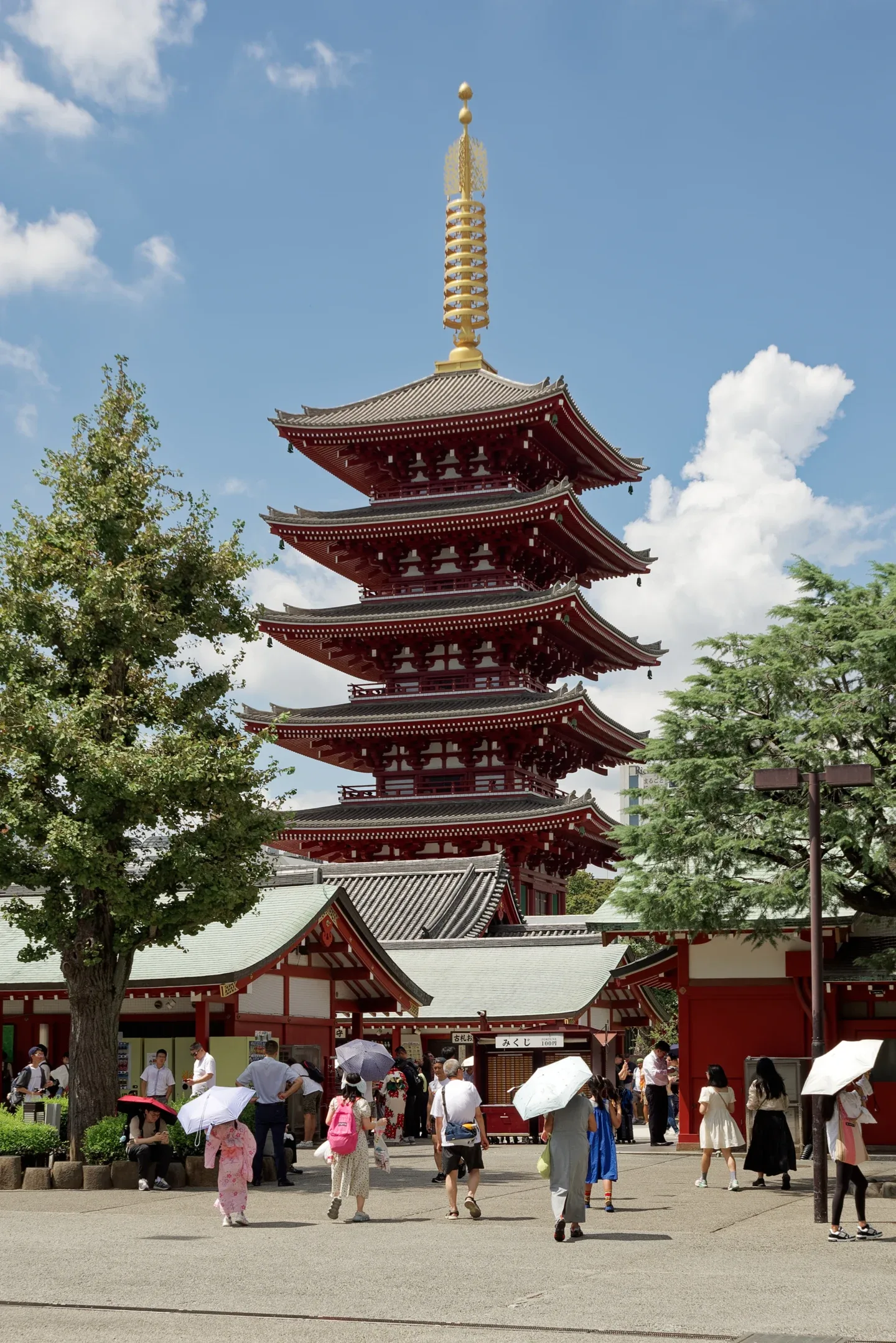
Day 3 combines Asakusa with the banks of the Sumida. You can visit the Sensō-ji area, have lunch, then head to the river. The official Tokyo guide describes a well-known cherry-blossom walk between Azumabashi and Sakurabashi bridges. Grouping these stops lets you move from shopping streets to a more open landscape without making numerous transfers.
The appeal of the Sumida lies in the open views: trees line the river, bridges shape the walk, and Tokyo Skytree’s silhouette appears in the neighborhood. Walk for as long as you like, then head back to a convenient transport link. You do not need to cover the entire length of either riverbank to enjoy the area.
Nearby, a tea experience at Azumabashi provides a seated, covered break. The selected activity lasts one hour and thirty minutes, with explanations in English or Japanese, two bowls of matcha and seasonal wagashi sweets. You watch the tea being prepared, then whisk your own; the setup is at a table. A kimono is optional, and you make your own way to the meeting point.
Day 4 is the most flexible. Chidorigafuchi is a good choice if the moats are lined with blossoms; in that case, take the walk before deciding whether to rent a boat. The walking route is enough to see the branches overhanging the water. Check the conditions and boat rental arrangements for your chosen season and date.
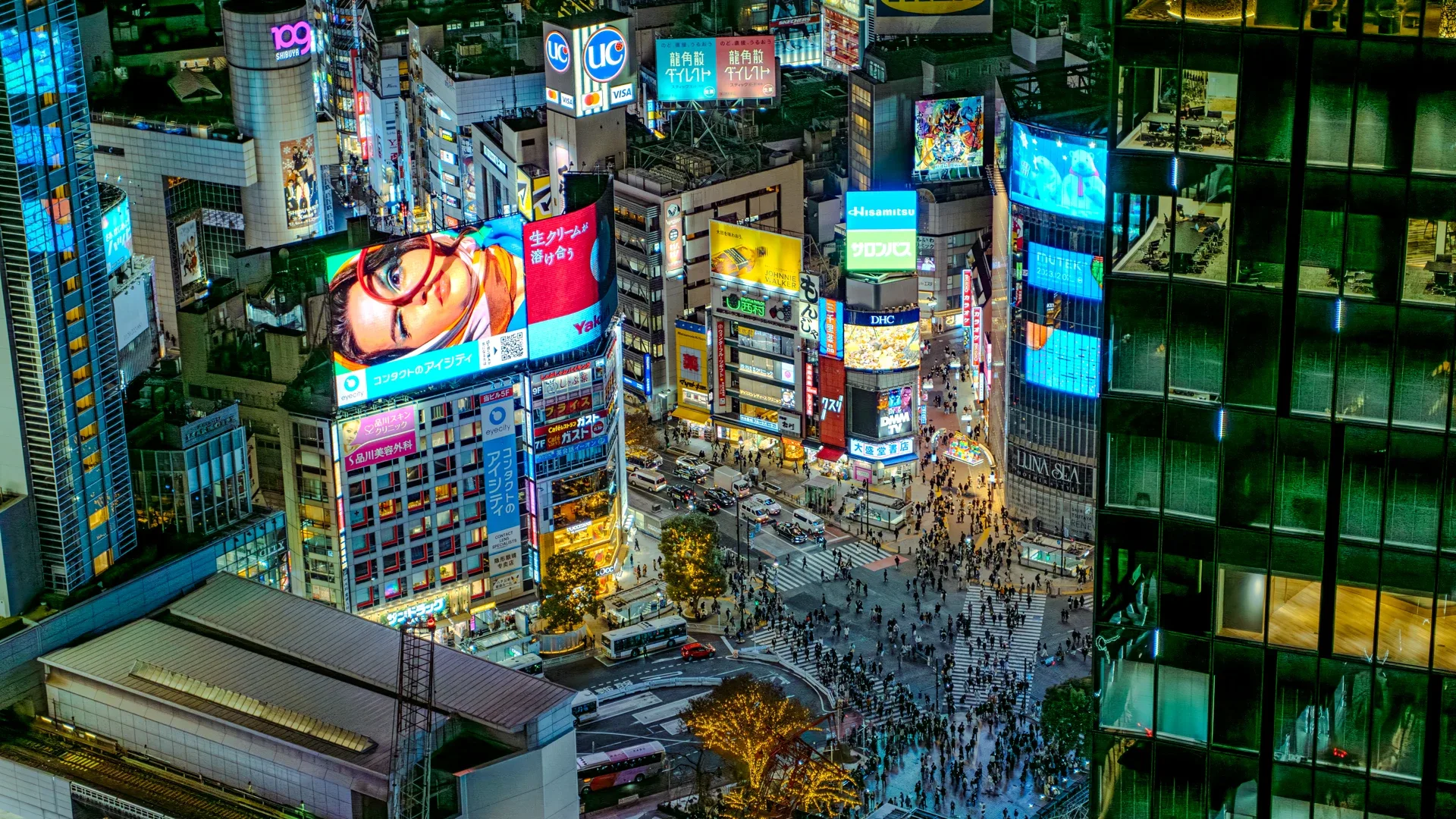
Rikugien offers a different experience, with its designed garden and weeping cherry tree highlighted by GO TOKYO. Shinjuku Gyoen is a third option if you want a longer garden walk. Prioritize one of these places according to its bloom status, then add an outing in another neighborhood, such as an evening around Shibuya Crossing. This leaves you time to revisit the area you liked best.


Viator
Tea experience at Azumabashi
A sheltered break after walking along the Sumida: one hour and thirty minutes at a table, with two bowls of matcha and seasonal wagashi. English or Japanese; kimono optional. Make your own way to the meeting point at Azumabashi. Schedule it before or after the walk, depending on your reserved time slot.
- 5/5 (236 reviews)
One hour and thirty minutes, in English or Japanese, with a maximum of twelve participants. Two bowls of matcha, wagashi, seated practice and optional kimono; transport not included.
Cancellation policy
For a full refund, cancel at least 24 hours before the scheduled departure date.
From ¥9,800
View activityThe train to Kyoto
Day 5 is primarily for changing cities. Book your trip on the Tokaido Shinkansen, then allow enough time to reach the right station, find the platform and manage your luggage. Checking in at your accommodation in Kyoto and having a meal will take up part of the day. A stroll near your lodging is a pleasant addition if your arrival time allows.
The right ticket depends on your entire trip. If you are taking Tokyo–Kyoto one way, possibly returning, and making urban journeys as well, compare separate tickets with the pass you are considering, based on the routes you will actually take. The number of days spent in Japan alone is not enough to make a Japan Rail Pass worthwhile. Urban rail networks and the terms of use for your chosen train should also be included in the calculation.
Measure large suitcases before booking. JR Central requires an appropriate seat reservation for luggage whose combined height, width and depth exceed 160 centimeters, up to 250 centimeters, on the relevant route. Plan for this when choosing your seat; it deserves more attention than trying to squeeze in a few extra minutes of sightseeing on the morning of departure.
In Kyoto, prioritize accommodation with access that suits your itinerary and arrival. Check the actual distance from the station, any stairs along the way and the arrangements for leaving your luggage. A room with good connections to the sights avoids complicated trips back after a long day on foot.
Kyoto, Days 6 and 7
Day 6 follows the Philosopher’s Path canal in eastern Kyoto. The tourist office describes a route of about two kilometers, near Ginkaku-ji and Nanzen-ji. Somei Yoshino and Oshima cherry trees follow the water; the succession of branches, small passageways and facades gives the walk its character.
Spend the morning on the path and at one chosen attraction in the area, then have lunch and take a break. A two-kilometer walk can quickly stretch out with stops, temple visits and detours. Pay for any admission separately. You can shorten the route if you are traveling with a child or if standing for long periods becomes tiring.
Decide what to do in the afternoon based on your energy and the blossoms. The Okazaki area lets you stay in eastern Kyoto; Heian Jingu, in particular, is known for its benishidare weeping cherry trees. Check which parts of the shrine and gardens you want to visit, along with their individual access arrangements. Local blossom updates can help you choose between this extension and a longer break.
Day 7 heads toward Gion and Maruyama Park. Maruyama’s large weeping cherry tree offers a different viewpoint from the rows of trees along the canal. The tourist office identifies it as an iconic spring sight in Kyoto, particularly associated with evening visits when it is illuminated.
For a 2027 trip, confirm evening illuminations with the relevant locations. You can already plan a daytime visit, then decide whether to return in the evening once information for that year’s event is available. In the surrounding streets, stick to areas open to the public, respect posted photography restrictions, and keep residential entrances clear.
Kyoto, Day 8
Your third full day in Kyoto is first and foremost a chance to make up for a walk postponed because of rain or blossoms that were not yet fully out. Keep this purpose in reserve until the final days. It also gives you the option to revisit the Philosopher’s Path in different light, without having to choose between a paid reservation and a garden that has become more appealing.
If the previous plans went ahead as intended, Arashiyama makes for an excursion within the city. The area around Togetsukyō Bridge and Kameyama combines river scenery with wooded hills. The tourist office notes the mountain cherry trees on the slopes, as well as weeping cherry trees within Tenryū-ji.
Choose a route that leaves real time to enjoy the riverside landscape. A garden and a walk already make for a substantial outing once you include transport and lunch. You can add the bamboo grove if crowds permit, but the day’s focus remains cherry blossoms and the river. Do not assume that a single ticket covers admission to all parts of a temple.
For a different mix of varieties, Hirano Shrine is another option to look into using local blossom updates. Kyoto Travel highlights the diversity of its cherry trees and the spread-out flowering period. This is useful if the Somei Yoshino trees at the first places you visited have already lost many of their blossoms. Choose the location based on dated information, then group it with nearby visits.
The return journey and reservations
Day 9 brings you back to Tokyo if your flight departs from there. Keep the morning simple enough to pack and get to the station. On arrival, check into a hotel that works for the next day’s trip to the airport. One last outing is possible, but this night is mainly there to separate the return from Kyoto from your international departure.
For your budget, distinguish expenses set early from those that remain flexible: flights, nine nights, intercity train, local transport, meals, admission fees and any guided visits. Compare accommodation for your exact dates rather than relying on an annual average price. A cheaper place far from transit can take up a significant part of your short days.
Review the cancellation policies for rooms and activities before confirming. Two free half-days, one in Tokyo and one in Kyoto, are genuinely useful on a hanami trip. The guided experiences featured here are optional; their prices, currency, rating and terms appear in the central cards and should be checked when booking.
Rain, clothing and hanami
A little rain may still leave a walk enjoyable, while a very wet day is a good reason to shorten trips and fit in a museum or the tea experience. Wind and rain can also change how the trees look. Check local updates before crossing the city for a particular site, and plan to wear shoes that remain comfortable on wet ground.
Pack layers, rain protection and a light day bag. Breaks in cafés, gardens and museums are part of the trip’s pace. With children, a short walk followed by a meal is better than a series of four parks separated by trips across town.
Hanami can take the form of a walk, sitting for a while or having a picnic where permitted. Rules vary by location. Check on site which areas are accessible, and what the rules are for food, drinks and setting up; do not shake branches or pick flowers. Take your rubbish with you and keep paths clear, especially around the most photographed trees.
FAQ
When are the cherry blossoms in Japan in 2027?
No specific dates for Tokyo or Kyoto in 2027 are confirmed in the sources consulted for this guide. Late March and early April are a usual planning window for these cities. Wait for the forecasts for the relevant year, then check updates for individual sites during your trip. The 2026 dates mentioned in the article remain historical reference points.
How much time is there between the first blossoms and full bloom?
GO TOKYO generally indicates about one week to ten days between the start of flowering and full bloom. Weather and varieties affect how this progresses. A flowering start date should therefore be supplemented with local updates, especially for a walk whose appeal depends on an entire avenue of cherry trees.
Is ten days enough for Tokyo and Kyoto?
Yes, with two main bases and few additional excursions. The proposed itinerary includes four nights in Tokyo, four in Kyoto and a final night in Tokyo before your flight. Arrival and departure days are included. If your flights significantly shorten those two days, keep the priority walks and drop secondary visits.
Should I buy a Japan Rail Pass for this itinerary?
Compare its price and terms with separate tickets for your exact itinerary. A ten-day stay with only two long-distance journeys does not automatically justify a nationwide pass. Add up the trips it would actually cover, check the train service you plan to use and factor in whether you arrive in Tokyo and depart from Kansai.
Where should I go if the cherry blossoms have already fallen?
Check updates by location and variety before changing cities. In Kyoto, the range of trees at Hirano or the weeping cherry trees in some gardens may warrant another outing, depending on their actual condition. Heading north requires more transport and a reorganization of your stay; it deserves a separate plan rather than an improvised round trip.
Can you have a picnic under the cherry trees?
Yes, in areas where it is permitted, subject to the posted rules. A public park, a paid garden and a temple precinct may each have different conditions. Check where you can sit, the rules for drinks and how to dispose of rubbish. A walk is also a way to enjoy hanami when picnics are prohibited or impractical.
Are the recommended activities available in French?
The two selected products offer guidance in English or Japanese, according to the listings checked. The private Tokyo tour lets you agree on the itinerary; the tea experience takes place at a table over an hour and a half. For a French-speaking guide, look for a service that explicitly offers one and confirm the language before booking.
Sources and checks
Plan your visits and check current conditions.
- Release of 2026 Cherry Blossom Forecast — April 23, 2026 ↗
Japan Meteorological Corporation · Accessed November 1, 2026
What this source supports
Distinction between kaika and mankai, methodology, and 2026 bulletin table: Tokyo, March 19/28; Kyoto, March 23/30; Osaka, March 26/April 3. Historical reference points; no confirmed 2027 forecast.
- Hanami in Tokyo: Locations and Season ↗
Tokyo Convention & Visitors Bureau · Accessed November 1, 2026
What this source supports
Usual period: late March/early April; about one week to ten days between the first blossoms and full bloom; Ueno, Sumida, Chidorigafuchi, and Rikugien. Festival calendars for 2025/2026 have not been carried forward.
- Kyoto Cherry Blossom Calendar 2026 ↗
City of Kyoto / Kyoto City Tourism Association · Accessed November 1, 2026
What this source supports
2026 tracking ended on April 10; bloom progression varies by location, species, and elevation. No current bloom status or 2027 calendar inferred.
- Kyoto Cherry Blossoms: Varieties and Recommended Viewing Spots ↗
City of Kyoto / Kyoto City Tourism Association · Accessed November 1, 2026
What this source supports
March 6, 2026 article: Philosopher’s Path is about 2 km long, with Somei Yoshino and Oshima varieties, near Ginkaku-ji/Nanzen-ji; Maruyama, Heian Jingu, Tenryu-ji, Kameyama, and the diversity at Hirano. No future illumination dates are asserted.
- Seasonal Information ↗
City of Kyoto / Kyoto City Tourism Association · Accessed November 1, 2026
What this source supports
Spring runs from March to May, with a succession of blossoms and seasonal planning; the routes and overnight distribution are proposed by Odyvero.
- Luggage information — oversized baggage ↗
Central Japan Railway Company · Accessed November 1, 2026
What this source supports
For luggage with total dimensions over 160 cm and up to 250 cm: an appropriate reservation is required on the Tokaido Shinkansen. No train fare or pass value-for-money calculations inferred.
- Photograph — editorial-tokyo-sensoji-82736 ↗
Jakub Hałun / Wikimedia Commons — CC BY 4.0 · Accessed November 1, 2026
What this source supports
CC BY 4.0; resized and converted to WebP. Exact Commons page rechecked. Registry file served with HTTP 200; decoded dimensions: 1440 × 2158. Illustration of Tokyo’s urban stops, with no blossoms claimed.
- Photograph — editorial-tokyo-shibuya-82736 ↗
David Kernan / Wikimedia Commons — CC BY 4.0 · Accessed November 1, 2026
What this source supports
CC BY 4.0; resized and converted to WebP. Exact Commons page rechecked. Registry file served with HTTP 200; decoded dimensions: 1920 × 1080. Illustration of Tokyo’s urban stops, with no blossoms claimed.
- Introduction to Tea in Azumabashi ↗
Operator via Viator Partner API · Accessed November 1, 2026
What this source supports
One and a half hours, in English or Japanese, with a maximum of twelve participants. Two bowls of matcha, wagashi, table-side practice, and optional kimono; transportation separate. Exact ACTIVE product and Odyvero affiliate link rechecked; actual price and currency are in the central catalog. SUPPLIER_PROVIDED photograph of this product, not Creative Commons. Odyvero may earn a commission on bookings made through these links. No availability or blossoms guaranteed.
- Tokyo on Foot with a Private Guide ↗
Operator via Viator Partner API · Accessed November 1, 2026
What this source supports
English-speaking guide, with four-, six-, or eight-hour options. Itinerary agreed in advance; travelers’ transportation and admission fees, meals, and private vehicle are excluded. Exact ACTIVE product and Odyvero affiliate link rechecked; actual price and currency are in the central catalog. SUPPLIER_PROVIDED photograph of this product, not Creative Commons. Odyvero may earn a commission on bookings made through these links. No availability or blossoms guaranteed.
Viator — activity pages
Source for the activity information below.Affiliate links: Odyvero may earn a commission when you book through this article’s buttons.
- Tea experience at Azumabashi ↗
Accessed November 1, 2026
- Explore Tokyo on foot with a private guide ↗
Accessed November 1, 2026
