 odyvero

A swim near Grindavík, an arrival at Keflavík and a week in Reykjavík come with different constraints. To decide whether to travel to Iceland, the most useful step is to locate your bookings relative to monitored areas, then plan for possible changes. The Icelandic bulletin of October 27, 2026, describes continued uplift at Svartsengi and the possibility of a new magmatic intrusion: here is how to organize your stay based on that information.
The volcanic situation on Reykjanes
In southwestern Iceland, the names Svartsengi, Sundhnúkur and Grindavík have appeared in bulletins for several years. Svartsengi refers in particular to the area where instruments measure ground deformation; Sundhnúkur is the crater row that could be affected by a new intrusion; Grindavík is the coastal town whose access and activities depend on local decisions. Locating them on a map helps explain why a Blue Lagoon booking merits a specific check.
In its October 27, 2026 update, the Icelandic Meteorological Office reports that the ground continues to rise at Svartsengi, while seismicity remains low. The most likely scenario is still an intrusion of magma toward the Sundhnúkur crater row, potentially leading to an eruption. The agency says it cannot predict when this might happen and that short notice is still possible.
For your trip, this combination means you should leave room for changes around Reykjanes. Low seismicity observed over a period does not suffice to conclude that the episode is over. The bulletin also notes that a long pause between events can coincide with an accumulation of magma at depth.
This guide uses the October 27 update as its reference point, not an assumed eruption in March 2026. The official timeline consulted still places the last reported eruption in July 2025. The reasoning that “five weeks have passed, so the trip is safe” would be misleading: the time since an eruption does not replace the hazard map or access instructions.
Zones and alerts
The activity level of a volcanic system, the local hazard map and whether a road is open answer different questions. The first tells you about the volcano’s development. The second describes hazards in defined areas. The third tells you whether you can use an access route. A tourist booking changes none of these decisions.
The October 27 bulletin keeps the Reykjanes–Svartsengi system at level 2, orange, indicating a significant increase in activity. This classification applies to this system. It does not mean that every Icelandic town faces the same danger, nor that all activity in the country is suspended. Conversely, a possible stay in Reykjavík does not amount to permission to enter a monitored area near Grindavík.
The Office says an assessment map will remain valid until January 5, 2027, unless conditions change. This date indicates a review schedule; the authorities may revise the assessment sooner. So, when planning a trip, open the current version of the map rather than a screenshot saved several months earlier.
SafeTravel complements this information with guidance for travelers. Its Reykjanes page describes fissures, the possibility of gas pollution and the prohibition on walking on lava. Some paragraphs are dated: use them to understand the hazards, then check access against the day’s alerts and road information.
Keeping or postponing the trip
Keeping your trip may be an option when transport is operating on your dates, accommodations remain accessible and your itinerary complies with restrictions. The decision is easier if most of the trip is based in a city and your day trips can be changed. You can replace an outing on Reykjanes without losing all the activities you had planned.
Changing your plans makes particular sense when the Blue Lagoon or a volcanic excursion is one stop among several. First, look at what can be rescheduled: a bathing slot, a night’s stay, a transfer or an excursion. A targeted change may be enough, provided the other journeys remain feasible under the stated conditions.
Consider postponing if your main goal depends on a restricted area or if your needs make it difficult to adapt. Anyone who needs specific medical access, adapted transport or a particular type of accommodation should check these conditions before confirming. For a medical situation, seek professional advice that takes the trip and your health into account.
Finally, an evacuation instruction, closure or warning incompatible with your route means you must cancel the affected trip. You can deal with expenses already incurred with the providers and your insurer afterward. They do not justify crossing a barrier or taking an unauthorized alternative route. The decision is about the actual conditions of the trip, not whether you can keep the exact original itinerary.
Three itineraries under restrictions
For a weekend in Reykjavík with a planned bath on Reykjanes, the first adjustment is to separate the swim from the rest of the trip. Check whether you can change just that ticket and keep the accessible city activities. The airport transfer remains a separate item to check. This arrangement lets you assess the practical consequences of a closure without reflexively cancelling nights and visits that are still feasible.
For a week-long road trip, identify the bookings that require you to keep moving every day. If the weather or a restriction blocks one stop, first look into staying an extra night in an accessible area. Notify your next accommodation before its arrival deadline and check the rest of your route. Driving through the night to catch up with the itinerary can add fatigue to an already uncertain situation. A cancelled activity may also free up time for a more reasonable pace.
For a trip whose main purpose is to see an eruption, the decision is different. No chosen date guarantees a visible spectacle, authorized access, or a commercially available tour. Book only if the other landscapes and activities interest you enough to justify the trip. If you want to go solely for an accessible eruption, wait for official information and established visiting conditions before committing to major expenses. A spectacular photograph tells you neither the approach route nor the permits currently in force.
Keflavík and arrival journeys
Keflavík International Airport is on the Reykjanes Peninsula. Its operations must be checked separately from those of tourist sites. A closure near Grindavík does not, by itself, mean that a flight is cancelled. For your departure, check the airport’s information and, above all, that of the airline operating your flight.
Then check the connection between the airport and your first night’s accommodation. On Umferðin, the official road information service linked from Road.is, check the roads you actually need to use. Accommodation near a well-known site may require a different route from the one you had in mind. If you are taking a shuttle, ask the carrier for its instructions and current pickup point.
Avoid combining a late arrival, a timed bathing session, and a long drive. After a tiring flight, a well-located first night gives you time to check alerts, pick up the vehicle, and reconsider the next stop. SafeTravel emphasizes the risk of drowsy driving, especially after overnight flights.
For your return, allow enough time for the weather and your distance from Keflavík. A long drive can be scheduled for the day before your flight rather than the same morning. This arrangement is useful regardless of the volcano: wind, ice, and road closures can also delay your arrival. Typical journey times do not guarantee passage on any given day.
Grindavík and the Blue Lagoon
A visit to the Blue Lagoon calls for three separate checks: Is the facility accepting visitors on your date? Is your time slot still confirmed? Is the planned access route authorized? An old confirmation may not answer all three questions. Check the facility’s notices before setting out and again before travelling, then follow the authorities’ and carrier’s instructions.
Grindavík requires the same level of precision. SafeTravel explains that fissures may remain and that the area is still affected by volcanic activity. The page consulted also describes evacuation sirens in the event of an increased threat. If a visit is authorized during your stay, familiarize yourself with the exits and on-site instructions, and stay on designated routes.
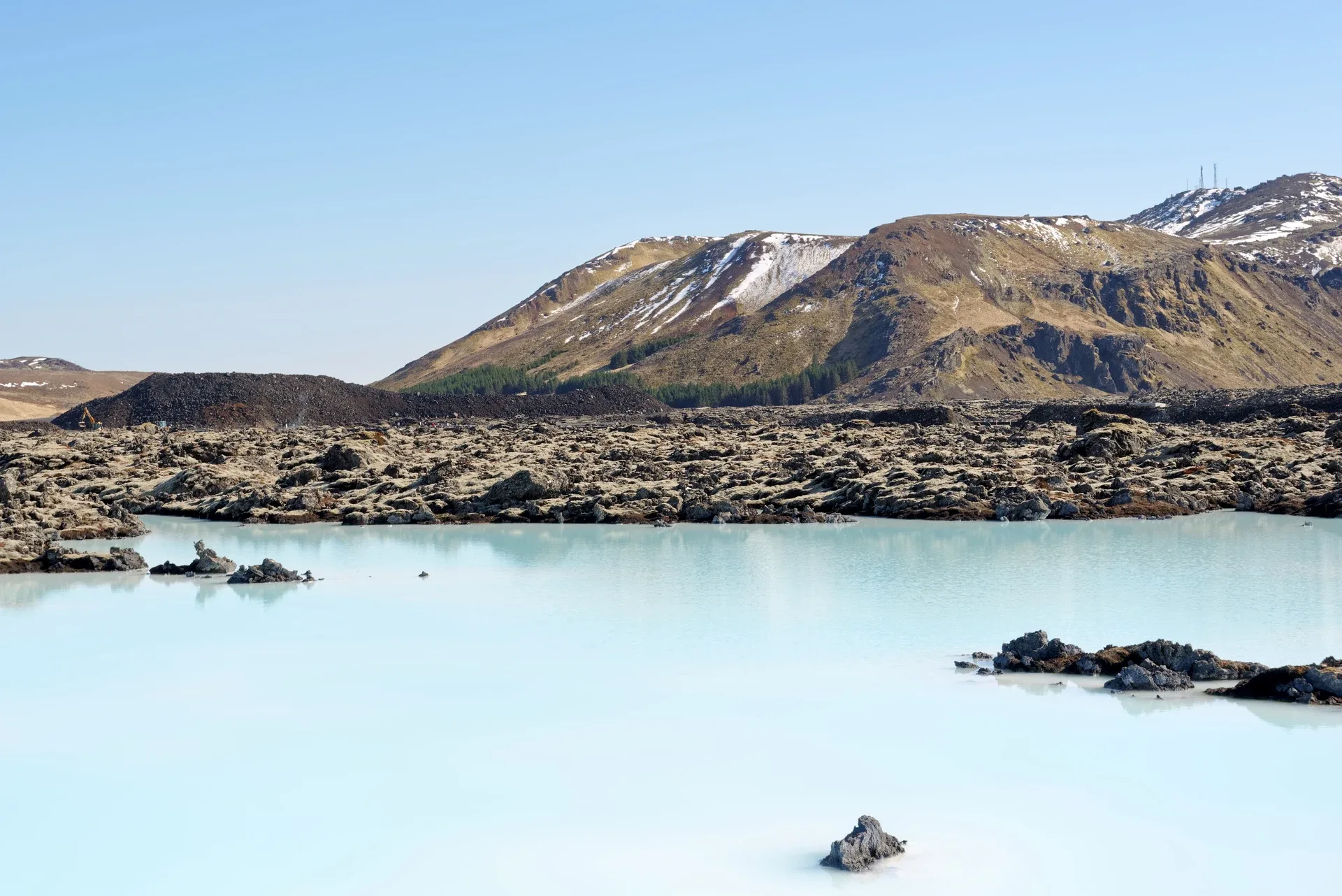
The photograph of the Blue Lagoon featured in this article is from April 2023. It shows the clear water, rocks, and Þorbjörn mountain; it does not show the state of access when you are planning your trip. Archive photographs are useful for recognizing a landscape, while bulletins and instructions determine where you can go.
When booking, read the terms that apply to a closure, transport cancellation, or your own decision not to go. If swimming is an important part of your trip, keep another half-day free and identify an alternative near your accommodation. That way, you can change your plans without searching for an alternative in a hurry.
Lava, fissures, and gases
Dark lava may look stable while concealing a fragile crust and heat. SafeTravel prohibits walking on the lava fields concerned, even after an eruption has ended. Stay on authorized routes: just a few steps for a photograph can put you on terrain whose structure you do not know.
The former Fagradalsfjall areas and the Sundhnúkur area should also be distinguished. A trail described for an eruption in 2021, 2022, or 2023 does not provide access to a possible new eruption elsewhere on the peninsula. Check the exact location, trailhead, and whether the route is open. A track shared by another traveller may be outdated or reflect different conditions.
There is specific information about gas pollution. Before going out, consult official guidance and the air quality links shared by SafeTravel. Wind direction and changes in activity matter; the absence of visible lava does not indicate air quality. For travellers with respiratory conditions, this requires medical preparation and a genuine option to change activities.
A guided outing must still be subject to authorization. Ask which area the tour actually visits and what changes are possible, rather than relying on a promise to see lava. A guide can explain the landscape and organize travel within the authorized area. Whether an eruption can be observed depends on activity and safety decisions, which can change quickly.
Reykjavík as an alternative base
Staying in Reykjavík allows you to keep several days of activities without changing hotels. If an excursion is cancelled, a walk in accessible parts of the city, an open museum, or a swim can fill the freed-up time slot. Choose these activities based on the day’s opening hours and conditions; an alternative must also be realistic.
For a bath with organized transport from Reykjavík, we recommend the Sky Lagoon offer that includes admission, the Skjól ritual, a towel, and shared transfers. The supplier listing consulted indicates that assistance is available in English. Departure is from the BSÍ bus terminal or by pickup, depending on the option booked; your ticket instructions specify the meeting point.
This option is suitable if you want to keep a bathing session in your plans while avoiding another drive. Check the changing-room option, departure point, and return before booking. Prices, listed duration, and available reviews are shown on the offer card. Also check the admission requirements for people in your group.
Sky Lagoon can be considered as a separate activity, to be confirmed for your date. Its inclusion in this guide does not guarantee it will be open in all circumstances. If an alert concerns travel or outdoor activities, follow it for this day as well. The alternative should preserve a flexible itinerary rather than shift the problem to another inflexible booking.

Viator
Sky Lagoon and Reykjavík shuttle
To keep a bathing session with transport from Reykjavík if your plans on Reykjanes change. Choose suitable changing facilities and a departure point, then check that the outing is still running on your date.
- 2 hr 30 min
- 4.7/5 (1,132 reviews)
Admission, ritual, and towel with shared transfers. Saman or Sér, departing from BSÍ or with pickup, depending on the option selected. English-language assistance.
Cancellation policy
For a full refund, cancel at least 24 hours before the scheduled departure date.
From $149.00
View activityRoads at the end of October
At the end of October, weather constraints play an important role in planning. SafeTravel notes that winter conditions can occur in autumn and spring. A day that begins on a clear road may therefore require you to rethink the rest of your route. Check the weather along your entire journey, then road conditions, before leaving your accommodation.
A navigation app can help you find your way, but it does not always reflect closures or impassable roads. Compare its suggestions with Umferðin and the road signs. A suggested shortcut to get around a closed access road does not become an authorized route. If in doubt, wait in a safe place and contact your accommodation or service provider.
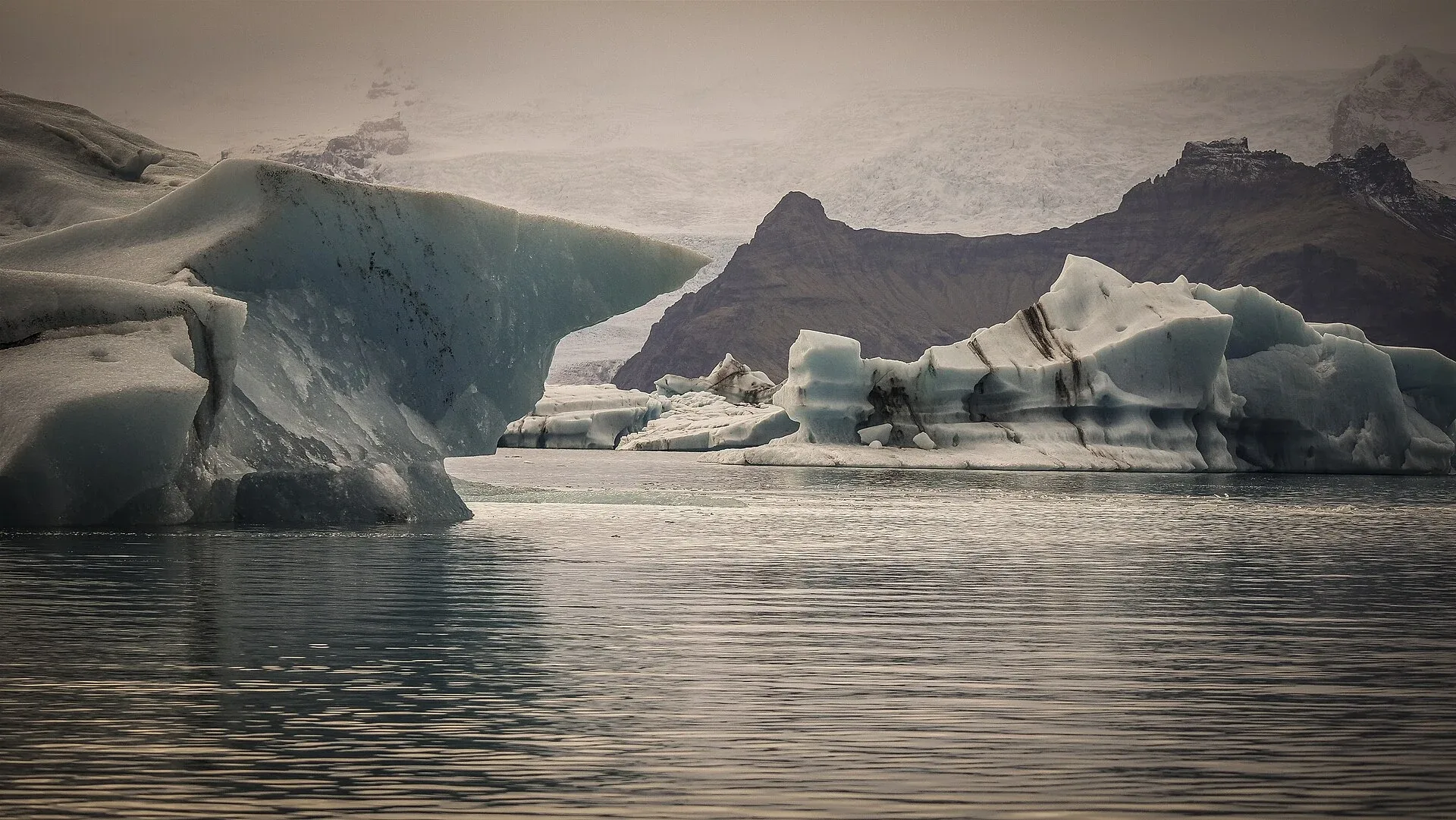
Exploring another region requires its own preparation. The glacial scenery at Jökulsárlón illustrates Iceland’s diversity, but a stop in the southeast involves additional travel time, overnight stays, and a separate road check. On a short trip, replacing a canceled outing with a long, improvised drive can increase fatigue and dependence on the weather.
If you are driving, plan for breaks and fuel, keep your front and rear lights on, and pull over in a safe place to take photos. If you change your itinerary, let the person who knows your plans know. Focusing your stay on fewer areas can leave more time for visits and necessary changes.

Bookings and insurance
Before confirming, divide your expenses among flights, accommodation, vehicle, transfers, and activities. For each item, note the deadline for changes, any fees, and the contact channel. Two services purchased on the same day may be subject to very different terms. Keep confirmations and important correspondence available offline.
If an activity closes, contact the seller you booked with. Ask what options apply to your booking: changing the date, replacing the activity, or getting a refund, depending on the terms. A closure decided by the provider and a traveler’s voluntary cancellation may be handled differently. Do not let a deadline pass on the assumption that an alert automatically triggers all cancellations.
For insurance, read the clauses relating to natural disasters, known events, trip interruptions, and search or rescue costs. Coverage depends on the policy, the circumstances, and sometimes the date the policy was purchased. If a particular point affects your decision, ask the insurer for a written response. No universal coverage can be inferred from the word “volcano” alone.
Finally, keep some funds in reserve for an extra night, a transfer, or a reasonable itinerary change. The amount depends on your group and bookings; a generic daily budget would be of little use. A flexible option may cost more upfront while making it easier to reorganize. Compare the extra cost with the amounts actually committed to your trip.
Checks before each outing
Before leaving for Iceland, save the Veður, SafeTravel, and Umferðin websites, your service providers’ contact details, and useful confirmations. Registration with Fil d’Ariane allows French travelers to receive consular alerts. For an outing in the countryside, share your plans with someone who can respond if you do not return as expected.
The day before an excursion, check activity and local hazards, the weather, road conditions, and whether the service is still running. Before setting out, check for new alerts and messages from the provider. On site, barriers, staff instructions, and evacuation guidance take precedence over your saved itinerary. In an emergency, the Icelandic number is 112.
For connectivity, start by checking your mobile plan. The European Economic Area’s “roam like at home” rules cover Iceland, subject to your plan’s terms and fair-use policy. You may already have enough data included. Choose an additional eSIM only if it meets a genuine need; it does not guarantee coverage everywhere.
Download the documents and maps you need, charge your phone, and bring a suitable power source for the day. Offline information can help with navigation, but check for updated closures as soon as you have a connection. This preparation is mainly about making a decision before committing to a route, rather than improvising as you approach a closed access road.
FAQ
Does a March 2026 eruption warrant this guide?
The official monitoring report consulted does not support this starting point. It refers to the most recent eruption in July 2025 and describes continued uplift at Svartsengi on October 27, 2026. This guide is based on that bulletin and travel guidance; it does not calculate a presumed period for when conditions will be safe again.
Should I cancel an entire trip to Iceland?
The decision depends on your dates, the restrictions, and the services essential to your trip. Check transportation, access to overnight accommodation, and activities. A canceled stop on Reykjanes may mean changing your itinerary; a trip that depends entirely on a restricted area may warrant postponement. Follow the official guidance that applies to your situation.
Does Keflavík close during every volcanic event?
A tourism restriction on Reykjanes is not enough to determine the airport’s status. Check information from Keflavík and your airline for your specific flight, then check your ground transfer. Keep the carrier’s notifications: they tell you what steps to take for your booking.
Can I book the Blue Lagoon in advance?
You can review the available time slots and their terms, but check again that your visit is going ahead before traveling there. The facility must be open and the road accessible. A flexible booking and an alternative activity near your base make it easier to adjust if needed.
Is black lava cool enough to walk on?
Its color does not tell you. SafeTravel prohibits walking on the lava in question, which can conceal heat beneath a fragile crust. Stay on authorized paths and obey barriers, even if other visitors leave them to take photos.
Is a family trip still feasible?
Plan an itinerary that takes alerts, ages, and everyone’s ability to switch activities into account. Choose reasonable travel distances and alternatives. Check admission requirements for baths and excursions. If a child has a respiratory condition or a particular medical need, seek medical advice before departure.
Is a car essential in Reykjavík?
A stay focused on the city can be arranged with transfers and excursions, depending on your activities and accommodation. Compare the actual itinerary before renting. If you rent a car, check its seasonal equipment, permitted roads, and the rental company’s terms; a vehicle never gives you permission to pass through a closure.
Does insurance cover a cancellation related to the volcano?
That depends on the coverage, the specific reason for cancellation, and the policy terms. Gather your confirmations, closure announcements, and correspondence with sellers. Ask your insurer what procedure applies before incurring additional expenses or assuming everything will be reimbursed.
Can I predict an eruption to choose my dates?
The October 27 bulletin says it is impossible to date the next event and that short notice remains possible. So choose your dates based on your availability and trip plans, then arrange flexible bookings and checks. A pause in activity does not provide a reliable tourism calendar.
Sources and checks
Plan your visits and check current conditions.
- Reykjanes: October 27, 2026 bulletin
Icelandic Meteorological Office · Accessed November 2, 2026
What this source supports
Uplift at Svartsengi, low seismicity, a potentially eruptive intrusion as the most likely scenario, an unpredictable date and the possibility of short notice. System at orange alert level 2; map expiry subject to revision on January 5, 2027. The update cites July 2025 as the date of the last eruption.
- Reykjanes: lava, gas and fissures
ICE-SAR / SafeTravel · Accessed November 2, 2026
What this source supports
Do not walk on lava; risks from gas and fissures; distinction between Fagradalsfjall and the area near Grindavík. The situation report dates from September 2025 and does not certify current openings.
- Preparation, app and emergency services
ICE-SAR / SafeTravel · Accessed November 2, 2026
What this source supports
Share your travel plan, use the SafeTravel app and call emergency number 112.
- Driving in Iceland
ICE-SAR / SafeTravel · Accessed November 2, 2026
What this source supports
Winter conditions possible in autumn and spring, fatigue, headlights and taillights switched on, navigation not always up to date on closures, safe parking for photographs.
- Umferðin: official road information
Icelandic Road and Coastal Administration · Accessed November 2, 2026
What this source supports
Current redirect from Road.is. Road information service consulted; no route confirmed open based on the dynamic interface.
- Iceland: latest news and alerts
France Diplomatie · Accessed November 2, 2026
What this source supports
Travel alerts and access to sign up for the Ariane Travel Advisory service. Does not certify whether a tourist site is open.
- Roaming and the European Economic Area
European Commission — Your Europe · Accessed November 2, 2026
What this source supports
Iceland is one of the EEA countries covered by roaming at domestic rates, subject to the plan’s conditions and fair use policy.
- Sky Lagoon: admission, ritual and transfers
Viator / Reykjavik Excursions · Accessed November 2, 2026
What this source supports
Product 24308P52 verified via Partner API Basic, active. Admission, Skjól ritual, towel, transfers, assistance in English, BSÍ or pickup depending on option. Exact supplier photo and variable details are in the main listing.
- Blue Lagoon and Þorbjörn, April 2023
Jakub Hałun / Wikimedia Commons · Accessed November 2, 2026
What this source supports
File page reviewed: photograph dated April 30, 2023, original 5016 × 3348, CC BY-SA 4.0. A derivative from the registry, 1920 × 1282, was checked against the local file’s bytes and visually. Archive photo.
- Jökulsárlón, October 2023
Fabrizio Lecce / Marine SABRES / University of Salento — Wikimedia Commons · Accessed November 2, 2026
What this source supports
File page reviewed: photograph dated October 6, 2023, original 5184 × 2920, CC BY 4.0. A derivative from the registry, 1920 × 1081, was checked against the local file’s bytes and visually.
Viator — activity pages
Information about the offers featured in this article.Affiliate links: Odyvero may earn a commission when you book through this article’s buttons.
- Viator : Sky Lagoon and Reykjavík shuttle
Accessed November 2, 2026


