 odyvero
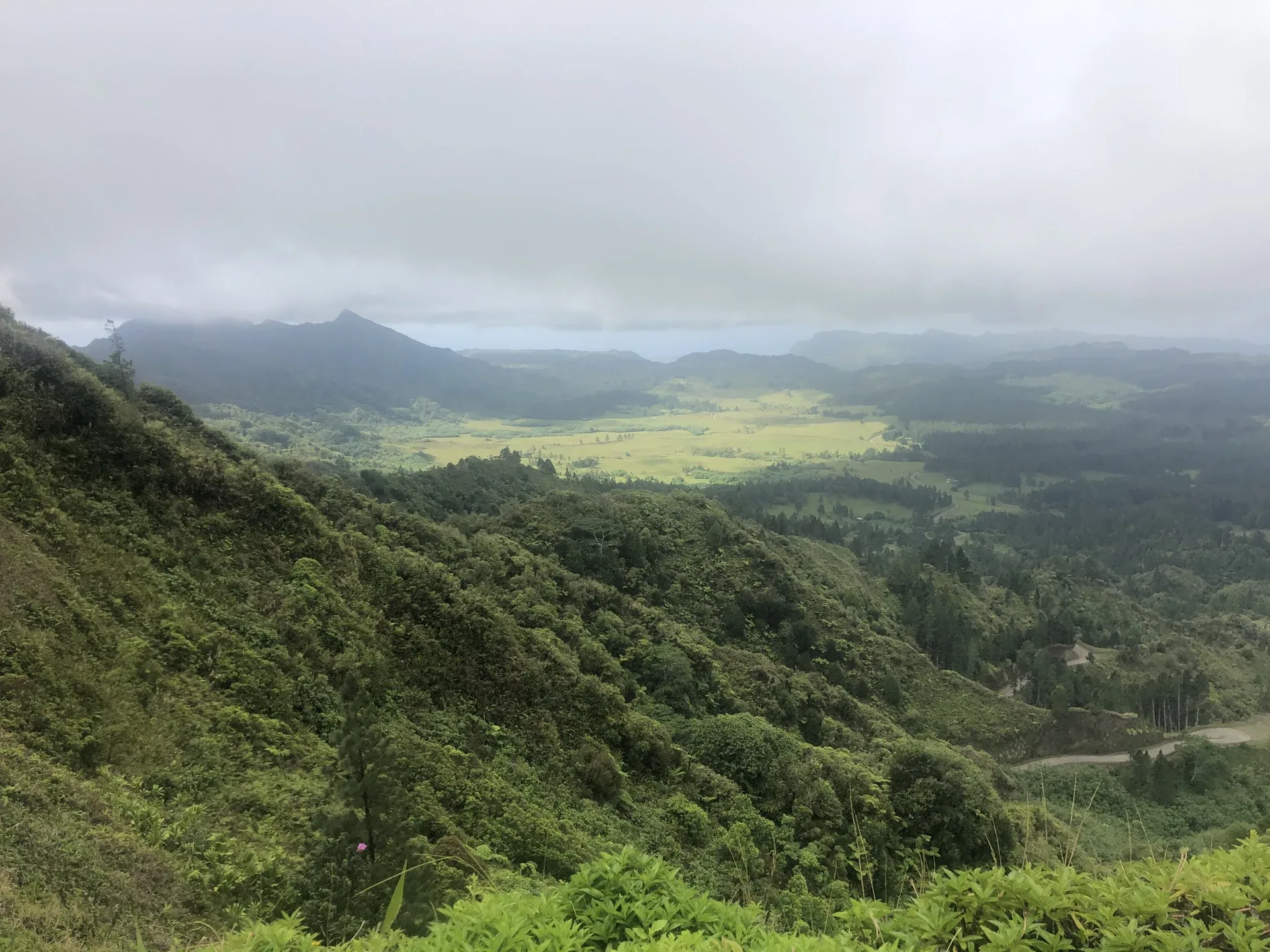

In Huahine, villages and ancient sites share the day with the lagoon. In Fakarava, your choice of guesthouse determines your access to the passes and boat trips. In the Marquesas, valleys and mountain roads shape your stay. Here’s how to choose between these destinations and combine them without spending your vacation on transfers.
Three types of stay
For a first trip that combines swimming, walks and cultural discovery, Huahine offers the most flexible combination in this selection. You can spend one day visiting villages and marae, then plan an outing on the lagoon. This variety matters when several people are traveling together: history enthusiasts and those who mainly want to spend time in the water can both easily find their place in the same itinerary.
Fakarava is especially suited to travelers curious about the marine environment. Diving sets the pace of a stay here, but snorkeling, bike rides and days by the lagoon can also make the trip worthwhile. The key question is where you stay: its location, the excursions it can arrange and the meals available matter more than whether there is a long list of land-based sights to visit.
The Marquesas are primarily for those who want to explore valleys, archaeological sites and island culture amid mountainous landscapes. Nuku Hiva and Hiva Oa make two different bases. The first draws visitors with its dramatic terrain and excursions around Taiohae; the second brings together the sites of Puamau and Taaoa, local crafts, and places associated with Brel and Gauguin. Make room in your trip for a proper stay on these islands.
Bora Bora can remain on your itinerary if its lagoon and accommodations appeal to you. The choice depends on what you want to add: more village life in Huahine, a marine stop in Fakarava or several days of land-based discovery in the Marquesas. Comparing what each vacation would actually be like day to day is more helpful than ranking islands by how famous or supposedly authentic they are.
Connections between archipelagos
Huahine is part of the Society Islands, Fakarava belongs to the Tuamotus, and the Marquesas form another archipelago. On an overview map, these names may seem to form a natural itinerary. For a vacation, they mean journeys to book, sometimes connections, then a transfer to your guesthouse. Your usable time begins when you arrive at your accommodation, not when you land.
First check with the carrier which connections are available on your dates. A flight offered only on certain days may require an extra night on an island or a stop in Tahiti. Multi-island passes are worth comparing against the itinerary you actually want, taking their current conditions and available seats into account. A good fare is less appealing if using it forces you to cut short the stop that matters most to you.
Ground transfers deserve the same attention. In Nuku Hiva, Tahiti Tourisme notes that the airport is some distance from Taiohae, on the other side of the island. Coordinating your arrival with your accommodation avoids treating a mountain road as a simple city transfer. In Fakarava, a guesthouse far from the airport may require extra coordination, especially if a boat is part of the journey.
Leave a buffer in Tahiti before your international flight home. How much depends on your tickets and your risk tolerance, but a tight connection after a remote stop puts the whole trip at risk. Divers must also follow the pre-flight waiting period advised by their dive center, based on the dives they have done. Account for this constraint before paying for domestic flights.
Huahine, between Fare and Maeva
Huahine consists of Huahine Nui and Huahine Iti, connected by a bridge. Its geography makes it possible to combine hilly landscapes, villages and lagoon shores in a single stop. Fare is a useful base for discovering local life and planning your stay: access to shops, meals and excursion departures. A more remote guesthouse may offer the setting you are looking for, but you will need to plan for more travel.
Maeva offers a specific destination for a cultural day out. The marae are ancient sites whose significance goes beyond their appearance as stone platforms. A guide can explain the sites’ functions, their connection to the land and the traditions associated with them. Ask questions about the site in front of you rather than looking for a single story that would apply equally to every Polynesian island.
To explore independently, renting a car or scooter locally lets you choose where to stop. A bicycle works for a more focused exploration, depending on the terrain, the heat and your starting point. Ask your guesthouse which outings are practical from its location. A pleasant place to stay is not judged only by how far it is from a beach, but also by how easy it is to spend several days there.
As a suggestion, a four-night stay gives you time for an inland discovery, an outing on the water and a flexible day. That way, you can reschedule an activity depending on conditions or return to a place you enjoyed. With two nights, arrival and departure sharply limit your options: it is better to set a priority than try to cover both parts of the island in a hurry.
The cultural excursion in Huahine
For a cruise stop, the selected private tour brings together several stops within a stated three-and-a-half-hour time slot. The listing provides for a departure from the port, a visit to Fare and Maeva, and discoveries related to vanilla, traditional fish traps, and pearl farming. The vehicle and guide are included; the locations and pickup arrangements should be confirmed when booking.
This option is primarily useful for connecting dispersed places when you have little time ashore. It lets you make room for the island’s history and local products without arranging every transfer yourself. The stops are brief: if your main interest is Maeva’s archaeology, a stay of several nights gives you more freedom to explore this area in depth and return to the site.
The guide is advertised as speaking English. Travelers who want detailed explanations in English may choose this offer for its cruise-stop logistics. For a French-speaking guide, look for a service that explicitly confirms this language. The fact that the sales listing is translated into French describes the page you viewed, while the guide’s language is stated in the product details.
Provide your ship’s name and port-call times, then have the meeting point confirmed. If you are staying at a guesthouse, ask before paying whether your address is actually covered and under what conditions. The selected product is a land tour of Huahine: inter-island transport and a lagoon swimming excursion must be arranged separately.

Viator
Huahine: private tour of Fare, Maeva, and island-produced goods
For a cruise stop in Huahine, this private tour connects Fare, Maeva, and local producers in 3 h 30. English-speaking guide; provide your ship’s name and have pickup at the port confirmed.
- 3 hr 30 min
A private land tour departing from the port of Huahine, with an English-speaking guide, to discover Fare, Maeva, and local products during a stopover.
Cancellation policy
All sales are final. Cancellations will not be refunded.
From €492.00
View activityFakarava: choosing an area
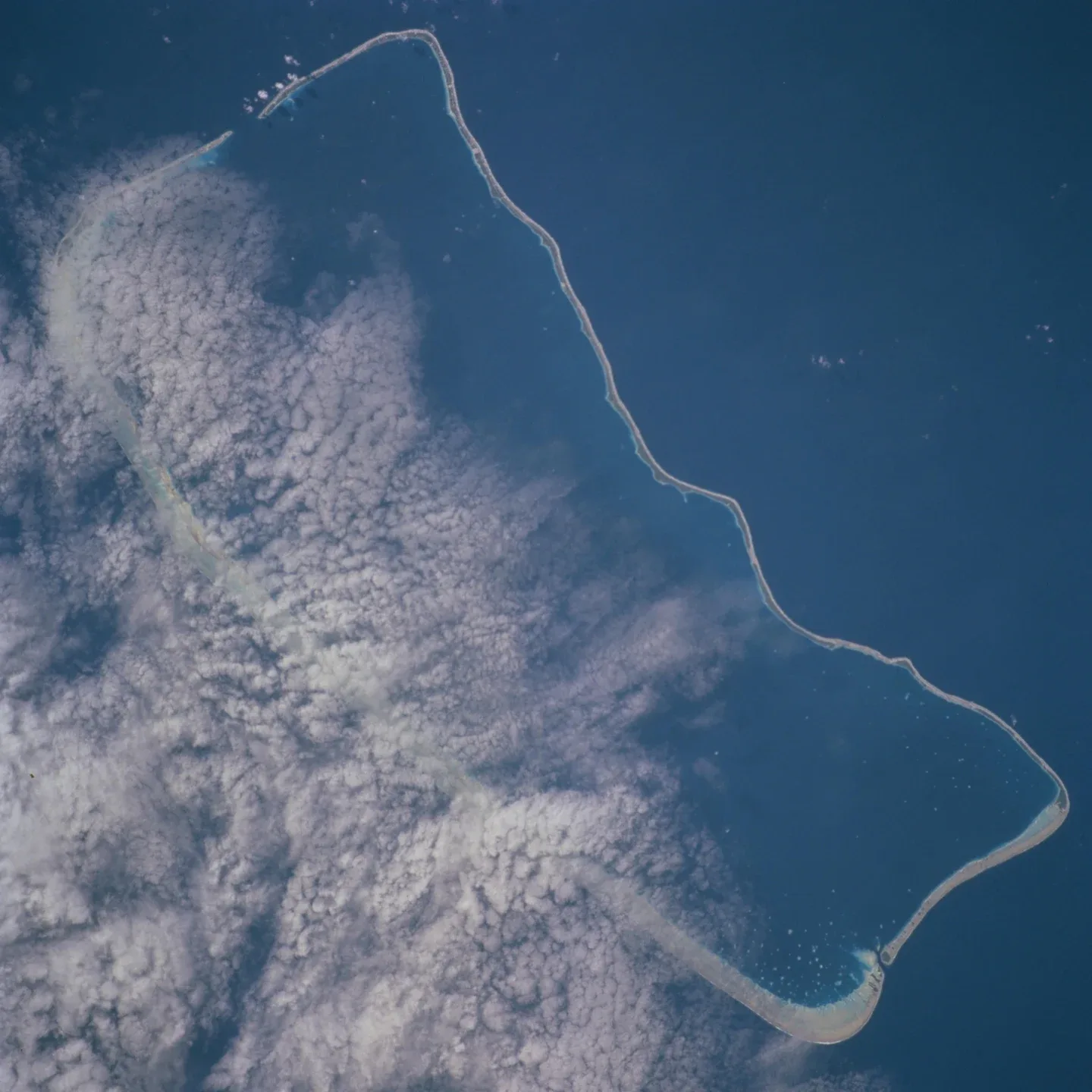
On Fakarava, a strip of low-lying land surrounds a vast lagoon. This atoll formation explains much of the trip: distances on the water can matter more than the miles visible on a road. The island is known for its passes and is part of a biosphere reserve. Exploring it revolves around marine environments, reef landscapes, and activities arranged from your base.
Choose between the Rotoava area in the north and Tetamanu in the south before choosing your room. From the north, check travel times to the dive center, shops, and places to eat. For accommodation in the south, ask for details about transfers, schedules, how excursions are run, and which services are included. A photo of a bungalow tells you none of this.
Garuae in the north and Tumakohua in the south are two distinct passes to mention when speaking with a dive center. Ask which site is planned, how the group is put together, and how your experience will be assessed. Currents and conditions on the day determine how a dive is organized. The number of dives you have completed, when you last dived, and your actual comfort in the water all matter in the discussion, alongside your certification.
For a short stay, we recommend choosing one area and checking that it meets your expectations. Moving to a different guesthouse may make sense for a trip focused on diving, but it uses up some of your available time. Four or five nights is a suggested pace; add more if you want several days of diving and a comfortable buffer before your next flight.

Fakarava without scuba diving
A non-diver can enjoy Fakarava’s lagoon shores, trips to the motu, and walks on land. The right itinerary, however, depends on where you stay. Ask which swimming areas are accessible from the guesthouse, whether equipment is available, and which excursions accept people who stay on the surface. You can then compare two accommodations based on the days they actually make possible.
A mask and snorkel do not give you access to every dive site. In a pass, the current requires specific planning; a guided trip should match your swimming ability. Follow the advice of a local professional and use the areas they recommend for current conditions. Wildlife sightings depend on the natural environment, so no encounter is guaranteed at a particular time.
On land, a bicycle can be a way to explore the village surroundings and atoll scenery when your starting point is suitable. Check availability, the condition of the equipment, how much water to bring, and the planned distance. Sun, wind, and available shade affect how strenuous a ride feels. A short walk chosen for its stops can make for a more pleasant morning than a long out-and-back route taken without a clear sense of the way.
For a couple where only one person dives, also compare the boat’s departure and return times. The other traveler should be able to enjoy their stay without routinely waiting at the guesthouse. A shared lagoon trip, an arranged meal, and a free day between dives give the vacation a structure you can enjoy together. This kind of arrangement can make a more convenient base preferable to a more isolated property.
Nuku Hiva and its valleys
On Nuku Hiva, the terrain factors into almost every decision about getting around. Taiohae is a base for arranging excursions, discovering local crafts, and getting your bearings. Allow time for this first introduction before setting off on a major outing. The transfer from the airport and getting settled often take up a substantial part of arrival day, even when no visit is planned.
Hatiheu combines scenery and heritage in a land-based excursion. The ancient sites and their platforms make more sense with a guide who can distinguish their uses and periods. The route itself crosses the island’s rugged terrain: when comparing excursions, look at the advertised stops, the time spent at each, and how much of the outing is on the road, rather than just counting the names in the description.
The Hakaui Valley is another full-day outing, involving a hike and depending on local conditions. Confirm the route, any boat transfers, the expected level of exertion, and the state of the trails. A photo of a valley or waterfall taken in fine weather tells you nothing about the terrain after rain. A local guide can adapt the outing and explain the places you pass through, adding an interpretation of the landscape to the hike.
We would spend five nights on Nuku Hiva to allow for several days of exploring and one flexible day. This suggestion suits travelers who like to alternate between excursions and free time. If you mainly want to see a few major landscapes, a shorter stop can work, provided you count the days that will actually be full days. Roads and weather call for flexibility, which is easier with a lightly scheduled itinerary.
Hiva Oa: heritage and crafts
On Hiva Oa, Atuona brings together several cultural landmarks, including the center dedicated to Paul Gauguin and the Jacques Brel space. Both artists are buried on the island. These places can fill part of your stay, but Hiva Oa’s appeal also lies in its valleys, archaeological sites, and Marquesan crafts. Setting aside a full day for the latter helps keep the island from being reduced to two European biographies.
Puamau and its Lipona site provide a destination for an excursion to see the tiki. At Taaoa, the Upeke site offers another way into the island’s heritage. Keep these two areas distinct when planning your itinerary with a guide. Visiting them involves mountainous terrain: for a tour that packs in many stops, check what will actually be explained and how much time will be spent at each place.
Meeting local artisans also deserves a place in your schedule without overly tight timing. Tahiti Tourisme highlights wood and bone carving in the Marquesas. Ask the artisan about the material, technique, and origin of the piece that interests you. If you plan to bring a purchase home, check the transport and import rules that apply to its material before deciding; a product’s availability in a shop does not answer that question.
Between Nuku Hiva and Hiva Oa, first choose the experiences that appeal to you most. For major valleys and several days of exploring the scenery, we favor Nuku Hiva. For a combination of Lipona, Taaoa, and Atuona’s cultural sites, Hiva Oa makes a cohesive base. If you choose both, give each a proper stop and check the connections before finalizing your nights.
Two or three weeks on the islands
For about two weeks in French Polynesia, combining Huahine and Fakarava, with the necessary nights in Tahiti, already gives you two different settings. As a suggested itinerary, four nights in Huahine followed by five in Fakarava leaves time for activities and transport adjustments. Allocate the remaining time according to your international arrivals and domestic flights. The order of stops depends on available connections, not on any required progression.
Another option is to pair Huahine with just one island in the Marquesas. You get a lagoon stop and a land-based stop without adding a third archipelago to your itinerary. This combination suits travelers who would rather hike, explore and meet artisans than fill their trip with diving. Before booking, compare the travel time and overall cost with a stay focused on the Society Islands.
With three weeks, visiting all three island groups becomes feasible while preserving several nights at each base. An indicative split might allow four nights in Huahine, five in Fakarava and six in Nuku Hiva, plus time in Tahiti and some leeway for connections. This outline helps you gauge how much time is available; it is neither a verified flight schedule nor a package for sale. The carrier's schedule may require you to reverse or change the order of your stops.
Adding Hiva Oa to this third itinerary calls for another trade-off. Marquesas enthusiasts may prefer to visit fewer archipelagos and split a longer stay between Nuku Hiva and Hiva Oa. Divers may keep Fakarava and choose just one Marquesan island. Decide based on how you want to spend your days, then drop a stop if it leaves too few nights between transfers.
Seasons by island
In the Society Islands, where Huahine is located, the period from May to October is generally drier and less humid, according to Tahiti Tourisme. From November to April, the season is warmer and wetter. For a year-end trip, plan days that can be rearranged and activities that do not all depend on going out on the water. Operator availability and weather conditions should still be checked separately.
In Fakarava, diving and lagoon activities are available year-round, with varying conditions. Discuss your priorities with the dive center: getting back into diving, exploring a pass or spending several days underwater. A period associated with a natural phenomenon is not a guaranteed date to see it. Sea conditions and the group's experience level still determine whether an outing can go ahead on a given day.
The Marquesas can also be explored for their culture and scenery throughout the year. Do not automatically apply Tahiti's weather calendar to them. Ask providers how your travel dates affect the excursions you have in mind, particularly road trips, valley hikes and boat trips. Choosing a guesthouse that can help you rearrange those days has practical value.
A festival may be the reason for a dedicated trip to the Marquesas, but you will need to verify its edition, host island and dates separately. Programs from a previous year are no basis for booking the next one. This guide offers a choice of islands that works independently of any event; if a celebration becomes your priority, make it the starting point for booking transport and accommodation.
Guesthouses, meals and budget
When comparing accommodation, ask for a total that specifies meals, transfers and activities. A guesthouse with half board may suit a location far from restaurants. A less expensive room near a village may give you more freedom over meals. In Fakarava in particular, this difference affects your day-to-day plans: check where you will eat on days without excursions and how you will get around.
In the Marquesas, include road transfers and the guided days you genuinely want to take in your quote. In Huahine, compare a day of car rental with an organized excursion, taking into account the cultural content you are looking for. A car lets you choose where to stop; a guide provides explanations and handles the planning. These are different expenses that can both have a place in the same trip.
Build your budget by adding international flights, domestic connections, nights, meals, transfers, activities and suitable insurance. Request quotes for the same dates and number of travelers. Quotes in different currencies should be compared using an explicit conversion. Prices for recommended activities remain on their respective listings, where their currency and availability can be updated without changing the entire text.
To reduce costs, start by looking at the number of stops and the services already included. Dropping an island change may save you a transfer and free up a day at your destination. Then check how meals and shared excursions work. The useful figure is the cost of the itinerary you will actually follow, with some leeway for an adjusted transfer or a rearranged day, rather than a generic daily budget.
Bookings to make before departure
Once you have chosen your islands, confirm transport and accommodation together. In Fakarava, make sure the guesthouse and dive center can accommodate your plans on the same dates. In the Marquesas, ask for details about essential excursions and airport transfers. In Huahine, book the outing that is the reason for your stop in advance, then keep the days on your own more flexible.
Also prepare a setup you can use without a constant connection: guesthouse contact details, confirmations, meeting point and travel documents available offline. Check which territories and data allowances your mobile plan covers, as well as the actual terms of any local SIM card. A plan sold for mainland France does not establish that your subscription will work in French Polynesia.
For land-based excursions, ask what equipment suits the route rather than following one standard list for every island. For water activities, tell the provider about your comfort in the water and any specific needs. Options differ for a short stopover, a family trip and a diving holiday. These conversations in advance let you book a specific service and still keep some free time once you arrive.
FAQ
Which island should I choose if I don't dive?
Huahine is our first choice for combining swimming, villages and historic sites without centering the trip on diving. Nuku Hiva or Hiva Oa are suitable if you prioritize land-based scenery and culture. Fakarava is still an option without scuba diving: choose a guesthouse that offers suitable swimming and outings, and can keep you well organized on days without activities.
How many nights should I plan for each island?
We suggest four nights in Huahine, four or five in Fakarava and about five in Nuku Hiva for an unhurried visit. These are editorial recommendations that should be adjusted to transport schedules and your activities. Count full days: two nights with a late arrival and an early departure in between leave little time at your destination.
Can I visit all three archipelagos in fifteen days?
It depends on the available connections, but for a trip of about fifteen days, we recommend choosing two island groups and allowing for Tahiti and some leeway for the return journey. Huahine–Fakarava or Huahine–one Marquesan island give you variety from day to day. If you want to visit all three, three weeks give you more flexibility and reduce the share of your vacation spent on transfers.
Should I stay in the north or south of Fakarava?
Choose based on the outings and day-to-day experience you want. For each guesthouse, compare access to the dive center, meals, transfers and options that do not involve a boat. If a particular pass is the reason for your trip, ask the center to confirm the relevant outings. For a short stay, one base avoids spending time changing accommodation.
Nuku Hiva or Hiva Oa for a first Marquesas stop?
Nuku Hiva is particularly well suited to an itinerary exploring valleys and scenery around Taiohae and Hatiheu. Hiva Oa combines the Lipona and Upeke sites with the cultural attractions of Atuona. Both islands deserve several days: choose the one that brings together your priorities, then add the other if your available nights and connections allow.
When is the best time to take this trip?
May to October is generally a drier period in the Society Islands. The Tuamotus and the Marquesas can also be visited year-round, with conditions to consider based on the activities and islands. A trip in November or December is still an option: keep your days flexible and confirm local arrangements rather than expecting uniform weather across all three archipelagos.
How do I compare two trip budgets?
Request quotes for the same dates, travelers, and services. Check which domestic flights, transfers, meals, equipment, and guided days are included. A secluded guesthouse with meals may meet a different need than a room near shops. Then compare the total in the same currency, using a dated conversion if necessary.
Is the private tour of Huahine offered in French?
The verified listing for the advertised offer states that the guide speaks English and that the tour lasts three and a half hours, with port pickup. It is primarily suited to cruise passengers on a stopover. For a tour with commentary in French, book a product that confirms this language; if departing from a guesthouse, also confirm that the address is covered.
Sources and checks
Plan your visits and check current conditions.
- Huahine: villages, heritage and lagoon
Tahiti Tourisme · Accessed November 2, 2026
What this source supports
Two parts connected by a bridge; Fare, Maeva, marae, rentals and accommodations.
- Fakarava: atoll overview
Tahiti Tourisme · Accessed November 2, 2026
What this source supports
Tuamotu atoll, biosphere reserve, water activities and options beyond diving.
- Nuku Hiva: landscapes and excursions
Tahiti Tourisme · Accessed November 2, 2026
What this source supports
Taiohae, Hatiheu, Hakaui, distant airport and ground transfer to arrange.
- Hiva Oa: heritage and sightseeing
Tahiti Tourisme · Accessed November 2, 2026
What this source supports
Atuona, Gauguin, Brel, Puamau/Lipona, Taaoa/Upeke and crafts.
- When to visit the islands of Tahiti
Tahiti Tourisme · Accessed November 2, 2026
What this source supports
Society Islands: generally drier from May to October; activities are possible year-round, depending on the archipelago.
- Fakarava dive sites
Tahiti Tourisme · Accessed November 2, 2026
What this source supports
Garuae North Pass, South Pass at Tetamanu/Tumakohua; choosing a dive center and area.
- Getting to and around Fakarava
Tahiti Tourisme · Accessed November 2, 2026
What this source supports
Confirm transfers, guesthouses, meals and equipment; advance bookings are recommended.
- Huahine Private Shore Tour: Fare, Maeva & Island Flavors
Viator / product operator 350808P3053 · Accessed November 2, 2026
What this source supports
Product listing checked via API: ACTIVE, 210 minutes, private land tour, port pickup and English-speaking guide. Availability for a specific date must be confirmed when booking.
Viator — activity pages
Information about the offers featured in this article.Affiliate links: Odyvero may earn a commission when you book through this article’s buttons.
- Viator : Huahine: private tour of Fare, Maeva, and island-produced goods
Accessed November 2, 2026


