 odyvero
The Danube brings together the capitals of Central Europe, the Rhine connects the cities and hillsides of its romantic valley, and the Douro puts Portugal’s vineyards at the heart of the journey. To choose an overnight cruise, also compare sailing times, cabin layouts and included excursions: these details shape a large part of the trip.
Criteria for a first trip
A photograph of a boat tells you little about the week ahead. Two cruises can advertise the same river yet offer very different days: a long morning on the water, a series of coach tours, a free evening in port, or a departure just after dinner. The first document to review is the daily itinerary, including its stops and sailing periods.
For a first experience, we favor an itinerary whose geography is easy to understand. On the Danube, that might be the sequence of Vienna, Bratislava and Budapest. On the Rhine, a loop from Strasbourg lets you compare cities and scenery without arranging two international arrivals. On the Douro, departing from and returning to Porto combines a city stay with the wine-growing valley.
The right duration depends mainly on how you like to explore. If you enjoy spending a whole day in a museum or improvising your meals, plan to stay ashore for a few nights before or after the boat trip. If you want a change of scenery without repacking, a river cruise offers a coherent way to organize the trip. Count travel days separately from the days actually available at your destination: embarkation and disembarkation already take up part of both end days.
To compare two quotes, put them in the same grid: departure city, arrival city, nights on board, independent stops, guided visits and time on the water. A round trip makes it easier to return to your starting point. A route between two different cities may better suit a cultural itinerary, provided you include the second transfer in your budget. The best option therefore depends as much on your arrival plans as on the advertised sights.
Also ask how meals and outings fit together. A long stop may tempt you to have lunch in town, even with full board. A late arrival may leave time for a pleasant evening but not for a monument visit. For places that matter to you, compare the boat’s itinerary with official opening days before booking your departure. You can then decide whether an extra night adds more value than a cabin upgrade.
Finally, compare the options for everyone in your group. Someone who prefers to stay on board needs comfortable spaces while excursions are underway; someone else may want longer walks. The ideal itinerary accommodates both without forcing everyone into the same day. The booking documents should specify the services and options selected.
The Danube and its capitals
The Danube is especially well suited to travelers choosing a trip for the history of its cities. Vienna, Bratislava and Budapest form an easy-to-follow group, with different architecture, languages and national histories. Sailing connects these stops; at each one, you then choose between a general introduction and more focused interests.
The CroisiEurope catalog distinguishes capital-city itineraries from longer routes to the Iron Gates and trips that continue as far as the delta. This distinction is essential. A cruise focused on Vienna and Budapest does not give you access to the river’s full diversity. For a first trip of limited duration, we prefer the capitals; for a longer journey, the stops beyond Budapest offer a different kind of trip.
The Wachau adds a scenic dimension to itineraries that pass through it. Check that it is actually included in the route and note the stated sailing time. A regional name in a brochure does not automatically mean a long independent stop. The time ashore and the excursion details tell you more about what you will be able to discover.
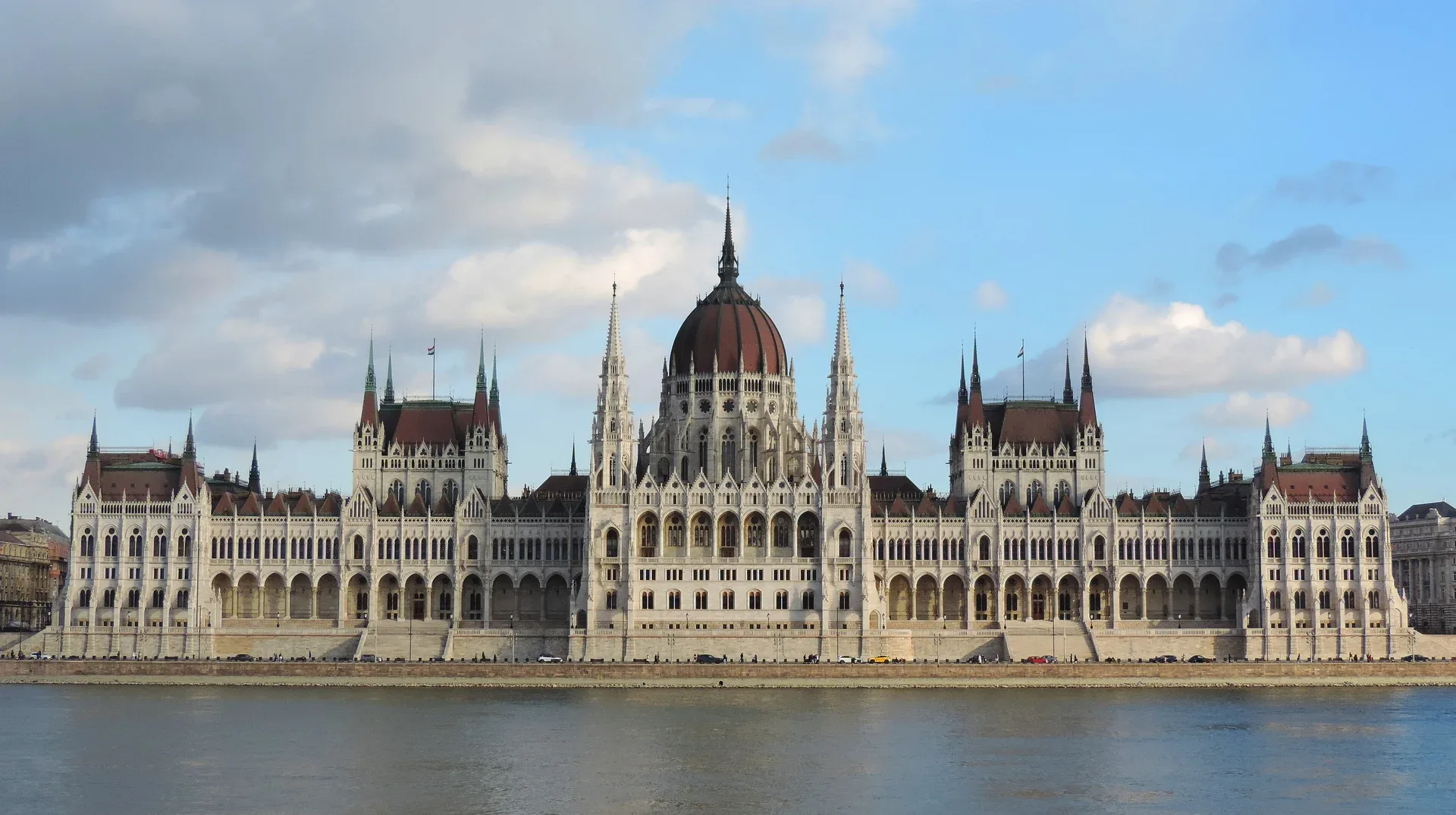
Budapest deserves particular attention when choosing your departure or arrival. The Parliament can be admired from the river, but exploring a neighborhood, visiting a museum or taking a longer walk requires time on foot. We recommend an extra night if this city is your main reason for booking. That way, you won’t have to rely on a single stop to see it all.


The Rhine and its romantic valley
The Rhine is a convenient choice for departing from France, especially when the itinerary begins in Strasbourg. The five-day loop documented by CroisiEurope links Strasbourg, Koblenz, Rüdesheim and Mannheim before returning to its starting point. It includes a clearly identified sailing section through the romantic valley and offers Heidelberg as an excursion from Mannheim.
This itinerary shows why you should read the day-by-day schedule rather than simply count the place names. Heidelberg is visited ashore, on the Neckar, with a transfer from the stop. The Rhine Valley is enjoyed while sailing. Koblenz and Rüdesheim offer a different experience: a stop in a town and its surroundings. The time available varies depending on whether you stay on board, join a tour or enjoy a free evening.
We recommend this kind of loop to travelers who want to try a river cruise for a few days without planning a very long trip. The cited itinerary alternates between nighttime and daytime sailing. Identify the sections you want to see before departure: a panoramic cabin is most worthwhile when you are on board during the scenic stretch.
Stops can also change at short notice. CroisiEurope notes that Bingen may come before Rüdesheim, depending on available moorings. So if you are arranging a separate visit, the stop’s commercial name is not enough to determine where to meet on the quay. Wait for the trip’s operational details and keep a way to contact your boat.
The Douro and its vineyards
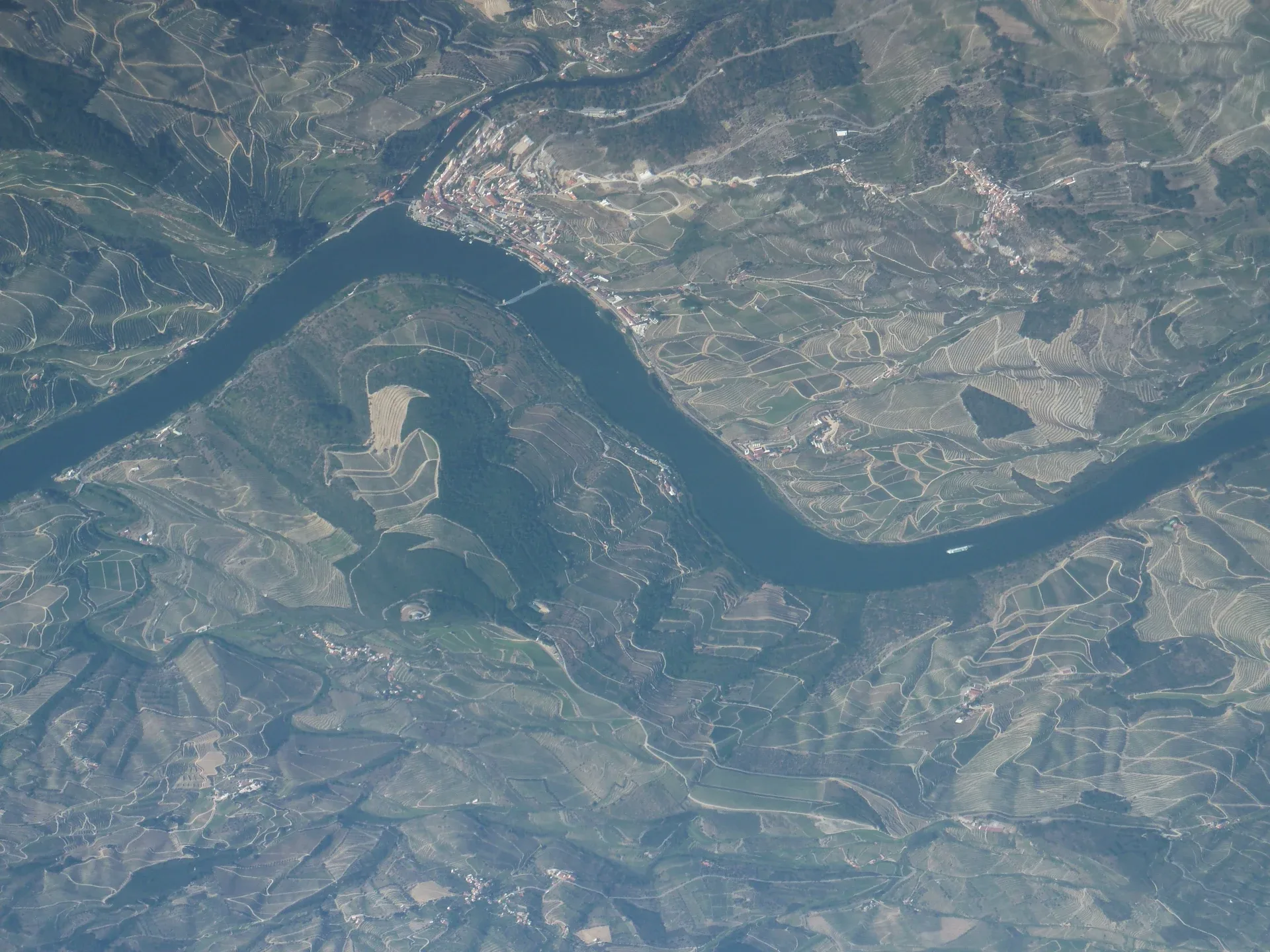
The Douro first draws visitors with its vineyard-covered hillsides and Porto. When choosing a cruise, check how far upriver the boat actually travels. The six-day itinerary reviewed at CroisiEurope visits Porto, Régua and Porto Antigo, then returns to Porto. It includes opportunities to visit Lamego, the Douro Museum and a quinta, as well as an excursion to Guimarães.
This itinerary therefore gives considerable attention to Porto and its surroundings. Pinhão, whose landscapes often feature in images of the region, is not included in this specific route. If you want to discover this area or another part of the valley, look for its name in the detailed itinerary. Two offers simply described as a “Douro cruise” can cover quite different areas.
Wine-related visits require the same careful reading. A tasting may be part of an optional excursion, while meals and some drinks are included on board. The number of quintas, the journey to the estate and the time spent visiting matter more than the mere presence of the word “wine.” Alcohol remains optional in how you enjoy the region.
For a trip focused mainly on scenery, we would prioritize daytime sailing and easy access to the shared spaces. For a gastronomic stay, we would first look at the shore visits. If you would rather stay in Porto and take just one day trip to the vineyards, our guide to Douro excursions covers that alternative, with options suited to departing from the city.
The cabin and the ship
Fleet updates may make you want to book, but your own ship’s specifications should remain the basis for comparison. The Miguel Torga, built in 2017, is 80 meters long and accommodates 132 passengers, according to CroisiEurope. The Gérard Schmitter, built in 2012 and used on the Rhine or Danube, is 110 meters long and accommodates 172 passengers. These two documented examples show differences in capacity without, by themselves, establishing a comfort ranking.
The cabin plan provides more personal information. On the Miguel Torga, cabins on the middle and upper decks have French balconies. This term describes a protected opening, not a terrace where you can set up two armchairs. If you want to sit outside in a private space, look for a true exterior balcony on the plan and in the category description.
The Gérard Schmitter’s fact sheet lists cabins at 13.5 m². Consider this area in relation to your habits: space around the beds, luggage storage, use of the bathroom and how much time you expect to spend indoors. An upgraded category may offer a better location without a larger cabin. Check each difference before paying a supplement.
The shared spaces also matter. The Miguel Torga has a swimming pool on the sun deck; the Gérard Schmitter has relaxation areas and a shaded section on this deck. These amenities do not describe every ship in a company’s fleet. If you are sensitive to noise, ask for the exact location in relation to the engines and passageways. For mobility, ask for details about the entire route between the cabin, restaurant, outdoor deck and quay.
The season and navigation
For this comparison, we consider April to October as the period to look for a stay focused mainly on scenery and daytime visits. This is a planning recommendation to refine according to the river and your tolerance for heat. It is neither a weather guarantee nor the operating schedule of every cruise line. Itineraries are available outside this period too, with different aims and atmospheres.
In spring and autumn, plan to wear several layers: standing still on deck can feel cold, even after a pleasant walk in town. In summer, shade, water and excursion times become practical considerations. On the Douro, the time devoted to vineyard visits should suit your stamina and the conditions on the day.
Water levels and navigation decisions can change a route. The official programs reviewed reserve the right to adapt the itinerary for safety to the captain. Before booking, read the terms covering changes, alternative services and possible transport arrangements. No season can guarantee that every stretch will be sailed exactly as shown on a map.
On the Douro, the operator also notes that boats may be moored side by side. The view from a cabin in port may then be blocked by another hull. Even a well-positioned balcony therefore does not guarantee an uninterrupted panorama. Sailing times and access to outdoor spaces remain key to enjoying the scenery.
The budget and inclusions
The advertised price becomes comparable once you work out the full cost of the stay. Note the cabin category, occupancy, number of nights, transport to the port and transfers. Then add the excursions you actually want to take, drinks not included, any meals ashore and extra nights. If you are traveling solo, look directly at the corresponding price rather than a price based on sharing a double cabin.
In the CroisiEurope programs reviewed, the presentation highlights full board and drinks on board. Several visits remain optional in the daily itinerary. The “included / not included” details for your departure let you work out the total: the package for one specific itinerary should not be assumed to apply to all river cruises.
A useful way to compare is to look at two stays with the same choice of visits. If one already includes the excursions you want and the other charges for them separately, the headline price is not enough. Conversely, a long list of included visits offers little value if you plan to explore the towns independently. Your travel pace should guide the comparison.
Also leave yourself some flexibility before boarding. A night in the departure city can make a long-distance arrival easier and let you visit without your luggage. Choose a hotel after confirming the port and schedule, since the tourist center and boarding quay may require an additional transfer. Use the final times in your travel documents to guide this last booking.
Visits before and after
Activities booked separately are more worthwhile when they add depth to a stop. Here, we highlight two walking tours for a day ashore before or after the cruise. They complement your choice of river; they are booked separately from the stay on board. First check which visits are included in your package so you do not pay twice for an equivalent tour.
In Porto, the C&D Porto Local Tours walk lasts three hours, is in English and has a shared group of no more than fifteen people. The meeting point is near the Clérigos Tower, and the tour ends near the Douro. This option lets you explore the center on a day other than your arrival day, when you have enough time to reach the starting point without your suitcases.

Viator
Porto walking tour with C&D
Fit this into a day in Porto before or after the cruise: a three-hour walking tour in English to explore the center, if the tour is not already included in your package.
- 3 hours
- 5/5 (62 reviews)
Guided tour in English through central Porto, for up to fifteen participants. Starts near the Clérigos and ends near the Douro; monument admission tickets sold separately.
Cancellation policy
For a full refund, cancel at least 24 hours before the scheduled departure date.
From €25.00
View activityIn Budapest, the private walking tour focused on Jewish heritage lasts four hours and offers several languages, including French. It gives you time to explore a subject that sailing past the major landmarks does not cover in depth. Admission and lunch are separate. Hotel or port pickup in the city center is available subject to conditions; provide the exact quay details if you plan to use this option.

Viator
Jewish heritage with a private guide
To explore Jewish heritage in more depth during an extra night in Budapest: private guide, French available and a four-hour tour. Admission is separate; provide your hotel details or the exact port information.
- 4.6/5 (36 reviews)
Four hours in private, French offered, pickup at a central hotel or port subject to conditions; tickets, meals, and drinks sold separately.
Cancellation policy
For a full refund, cancel at least 24 hours before the scheduled departure date.
From €285.72
View activityFor these tours, we recommend staying an extra night in the city concerned. An independently booked excursion during a port call must fit within the time actually available, with a return buffer and a precise meeting point. Buying an activity does not change the boat’s departure time. The cards show verified commercial details for the products; time slots and options are selected at booking.
FAQ
Which river should you choose for your first cruise?
The Rhine is a good choice for trying a short stay departing from Strasbourg. The Danube is our choice for visiting several Central European capitals. The Douro is especially suited to travelers drawn to Porto and vineyard landscapes. Then compare the itineraries based on daytime sailing hours, the length of port calls and included visits.
Is a newer ship necessarily more comfortable?
The construction date tells you about the ship, but your comfort depends on the cabin you book, the shared spaces, the location, and the services. Ask for the exact deck plan and cabin size. The two vessels described here date from 2012 and 2017; they are not presented as new ships for 2026. Always verify a launch announcement with the operator.
What is the difference between a French balcony and an outside balcony?
A French balcony lets you open the cabin wide behind a protective barrier. An outside balcony is a space you can step out onto. If you want to sit outside, check the depth and furniture listed for your category. The view from the quay may be obscured when several boats are moored side by side.
How many days should I allow for the trip?
The verified examples include a five-day Rhine loop and a six-day Douro itinerary. Add your travel time and, if needed, one or two nights on land. On the Danube, choose the duration based on the area you want to visit: the capitals and a trip to the delta are different kinds of journeys.
Are excursions included in the price?
It depends on the offer and departure date. In the itineraries mentioned, some excursions are explicitly optional despite the full-board package on board. Calculate the total including the visits you want, your cabin, and any necessary transfers. The prices of the two independent activities remain on their own listings and are not conflated with the fare for a cruise with accommodation.
Is a river cruise suitable for people with reduced mobility?
You need to check each boat and port of call individually. Ask about cabin dimensions and access, available elevators, access to the outdoor deck, and how the gangway is crossed. The elevation changes in towns, the ground surfaces, and steps on excursions also matter. A general statement about comfort does not address these specific needs.
Can I book my visits separately?
Yes, if your trip’s conditions allow it and the schedules are compatible. A day before or after the cruise makes planning easier. During a port call, confirm the quay, the required return time, and transport options before booking. An independent visit does not automatically benefit from the cruise line’s arrangements or itinerary adaptations.
Are all visits conducted in French?
The language depends on the product and the option selected. The Porto visit featured here is conducted in English; the private Budapest walk offers French as one of its languages. For the cruise itself, check separately the language spoken on board, for announcements, and on excursions. A French translation of a booking page is not enough to determine the guide’s language.
Sources and checks
Plan your visits and check current conditions.
- MS Miguel Torga
CroisiEurope · Accessed November 2, 2026
What this source supports
Built in 2017, 80 meters, 132 passengers; French balconies on the middle and upper decks, sun deck pool.
- The Danube in Central Europe
CroisiEurope · Accessed November 2, 2026
What this source supports
Capitals Vienna, Bratislava, Budapest; itineraries distinguish among the Wachau, Iron Gates and delta routes.
- Douro, POB_PP program
CroisiEurope · Accessed November 2, 2026
What this source supports
Six-day Porto–Régua–Porto Antigo–Porto itinerary and Guimarães excursion; optional visits, rafting alongside other vessels and possible changes.
- MS Gérard Schmitter
CroisiEurope · Accessed November 2, 2026
What this source supports
Built in 2012, 110 meters, 172 passengers, cabins listed at 13.5 m²; operates on the Rhine and Danube.
- Romantic Rhine, SEH_PP program
CroisiEurope · Accessed November 2, 2026
What this source supports
Five-day Strasbourg–Koblenz–Rüdesheim–Mannheim–Strasbourg itinerary; Heidelberg as an excursion, optional activities, alternating daytime/nighttime sailing and variable mooring locations.
- Product listing 122201P1
Viator — Partner API Basic · Accessed November 2, 2026
What this source supports
Active product; duration, available languages, inclusions, logistics, and group-size or private-tour limits checked on the exact listing. Price, image and reviews retained in the main offer.
- Product listing 24263P2
Viator — Partner API Basic · Accessed November 2, 2026
What this source supports
Active product; duration, available languages, inclusions, logistics, and group-size or private-tour limits checked on the exact listing. Price, image and reviews retained in the main offer.
- The Hungarian Parliament on the banks of the Danube in Budapest.
Wikimedia Commons · Accessed November 2, 2026
What this source supports
Kilyann Le Hen; CC BY 4.0; rights for this file rechecked, original downloaded and dimensions measured.
- Aerial view of the Douro at Pinhão, between the town and the vineyard-covered hillsides.
Wikimedia Commons · Accessed November 2, 2026
What this source supports
Edgar Jiménez; CC BY-SA 2.0; resized and converted to WebP without upscaling. Derivative under the same license. ; rights for this file rechecked, original downloaded and dimensions measured.
Viator — activity pages
Information about the offers featured in this article.Affiliate links: Odyvero may earn a commission when you book through this article’s buttons.
- Viator : Jewish heritage with a private guide
Accessed November 2, 2026
- Viator : Porto walking tour with C&D
Accessed November 2, 2026


