 odyvero
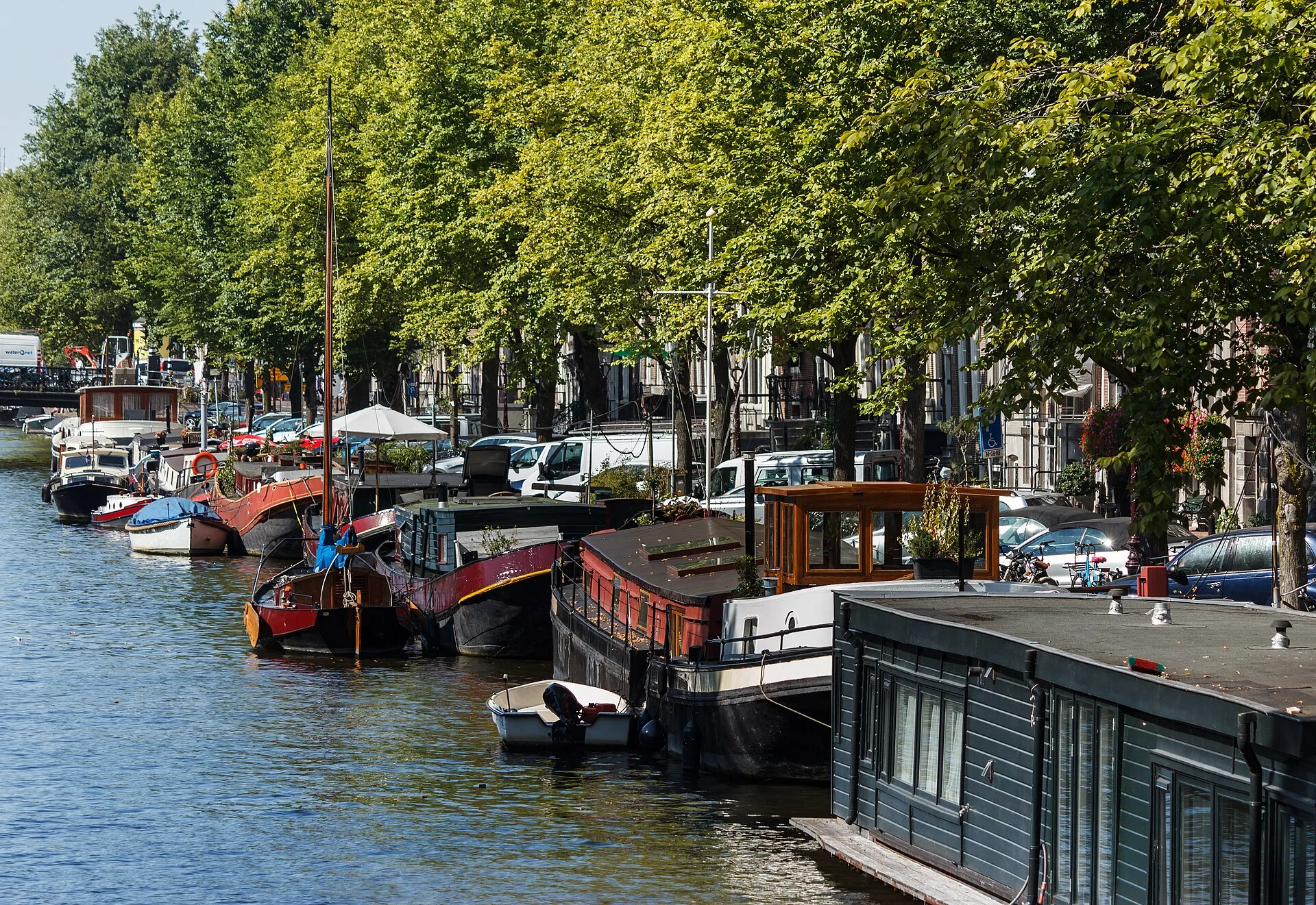
Amsterdam for museums and canals, Bilbao for a cultural getaway, Barcelona for a range of transport options, Lisbon for a day by the Tagus: these four bases offer different possibilities. If you are choosing a trip with a wheelchair or walking aid, here are documented venues, useful services and the conditions that can genuinely affect your plans.
Four bases, four ways to visit
At the Rijksmuseum, the elevator-equipped entrance is on the left when you are facing away from Museumplein. In Bilbao, the Guggenheim lends portable seats so visitors can sit in front of the artworks. These details already give you a more precise picture of a stay than the label “accessible destination.” They help you choose a visit, plan your arrival and know whom to ask for assistance.
We would choose Amsterdam for a trip focused on collections, Bilbao to put a major museum at the heart of a short stay, Barcelona for its range of transport options, and Lisbon for a day planned around the Oceanário. These are editorial choices based on the documented facilities of venues and operators. None certifies every street, hotel room or activity in the city.
The deciding factor depends on how you travel. Someone who stays in their wheelchair during transport will look for boarding without a transfer. Someone else, able to walk a short distance, may prefer seats and frequent breaks. Visual or hearing impairments, or sensory needs, call for other services. The examples below distinguish these situations rather than grouping them under a single promise.
Amsterdam around the Rijksmuseum
The Rijksmuseum is a good anchor for a stay devoted to art. The museum states that wheelchair and mobility scooter users can access its collections. It also explains which route to take if the elevator in the KPN wing is too small for a large scooter: the exhibition spaces can be reached through the 19th-century wing, with staff available to help you find your way.
This detail can help you choose your visit. On your own, you can select a few galleries, view the artworks at your own pace and return to a bench. Specialized assistance can address interpretation needs, but a standard group tour follows its own group route. Check the guide’s route before adding it to your ticket, even when the building itself is equipped.
Ask the front desk for the accessibility map, which shows elevators, seats and restrooms. Wheelchairs, walkers, canes and folding seats may be borrowed; contact the museum if you need a specific item. An adult and older-child changing room has a bed and a mobile hoist with a sling. It is separate from the restrooms, a distinction that matters when planning personal care during a long visit.
If you cannot move around the museum independently, a companion can enter for free. However, both their free ticket and a time slot must be booked. For someone whose invisible disability makes standing in line difficult, the museum also offers a form to request access without waiting. This lets you plan your visit around the time you will actually spend with the collections.
The canals and accessible boarding
A cruise lets you view the façades from the water without crossing multiple bridges. However, the boat and landing you choose determine whether you can stay in your wheelchair. A photo of a spacious lounge tells you nothing about the entrance step, the width of the passage or whether the onboard restrooms are usable.
Blue Boat provides a useful procedure: its accessible boats depart from the landing opposite the Hard Rock Cafe. The operator asks you to call the day before your booked date to find out which departures are equipped. We recommend providing the wheelchair’s dimensions and explaining whether you need to stay in it before you buy, then following up to reconfirm. Separately check restroom access if you will need it during the trip.
The specific product matters more than the cruise’s general reputation. Among the offers reviewed for this guide, one popular cruise requires a large step to board. It was therefore not selected as a recommendation for a traveler unable to transfer. Assistance from a crew member at that point is not the same as a boat with adapted access.
To reach Amsterdam or continue your stay in the Netherlands, NS offers assistance with boarding, getting off and making connections. For eligible domestic journeys, assistance must be requested at least one hour before departure; arrive at the meeting point specified in your confirmation fifteen minutes beforehand. International journeys follow a separate process. Plan the route from the station to the landing or museum, allowing extra time for elevators and crossings.
Bilbao and the Guggenheim
Bilbao is well suited to a stay where a major cultural visit gives the day its structure. At the Guggenheim, elevators connect the floors, and accessible restrooms are listed. The museum also provides wheelchairs and portable seats. You can therefore plan a visit with time to sit and take in the exhibits rather than moving continuously from one gallery to the next.
We would put the museum at the beginning of your stay, on a day when the rest of the schedule remains flexible. Its architecture alone deserves time: the visit can combine experiencing the building with a selection of artworks, without trying to see every gallery. Ask which spaces match your interests and where the rest areas are. Lighting conditions vary depending on the artworks and display choices.
The Guggenheim offers a discount upon presentation of proof of disability; the accompanying person enters free when their presence is necessary. Contact the visitor services department to find out which proof is required and how to book. This is especially useful before buying a ticket through a third party, which may offer only the standard rate.
For lunch, the museum describes its restaurants as accessible, with service available at every table. This is a convenient option if you want to stay on site between parts of your visit. Eating in another neighborhood requires separate checks: entrance, clearance beneath the table, and restrooms. The recommendation for Bilbao here is based on a well-documented venue; your accommodation and trips outside the museum still need to be chosen according to your needs.
Museums’ sensory services
The Guggenheim provides tactile models of the building and several sculptures, including Puppy and Maman. It also offers a sensory guide to the architecture. These resources let you choose the visit for its content, beyond simply accessing the galleries. Ask visitor services how to use them and which languages are available for the resource you want.
For visitors who are deaf or hard of hearing, the museum lists video guides in Spanish Sign Language or with subtitles, as well as hearing loops at the reception desk and in the auditorium. Spanish Sign Language and French Sign Language are different. If you are looking for interpretation in French Sign Language (LSF), you will need specific confirmation before including this service in your plans.
In Amsterdam, the Rijksmuseum also distinguishes its resources for visitors who are blind or have low vision, deaf or hard of hearing, and those who need a sensory-adapted visit. Contact the institution with a specific request: a tactile visit, pace, description, language, or a less stimulating environment. Program times and arrangements must be made separately from a standard admission ticket.
Barcelona and accessible transport
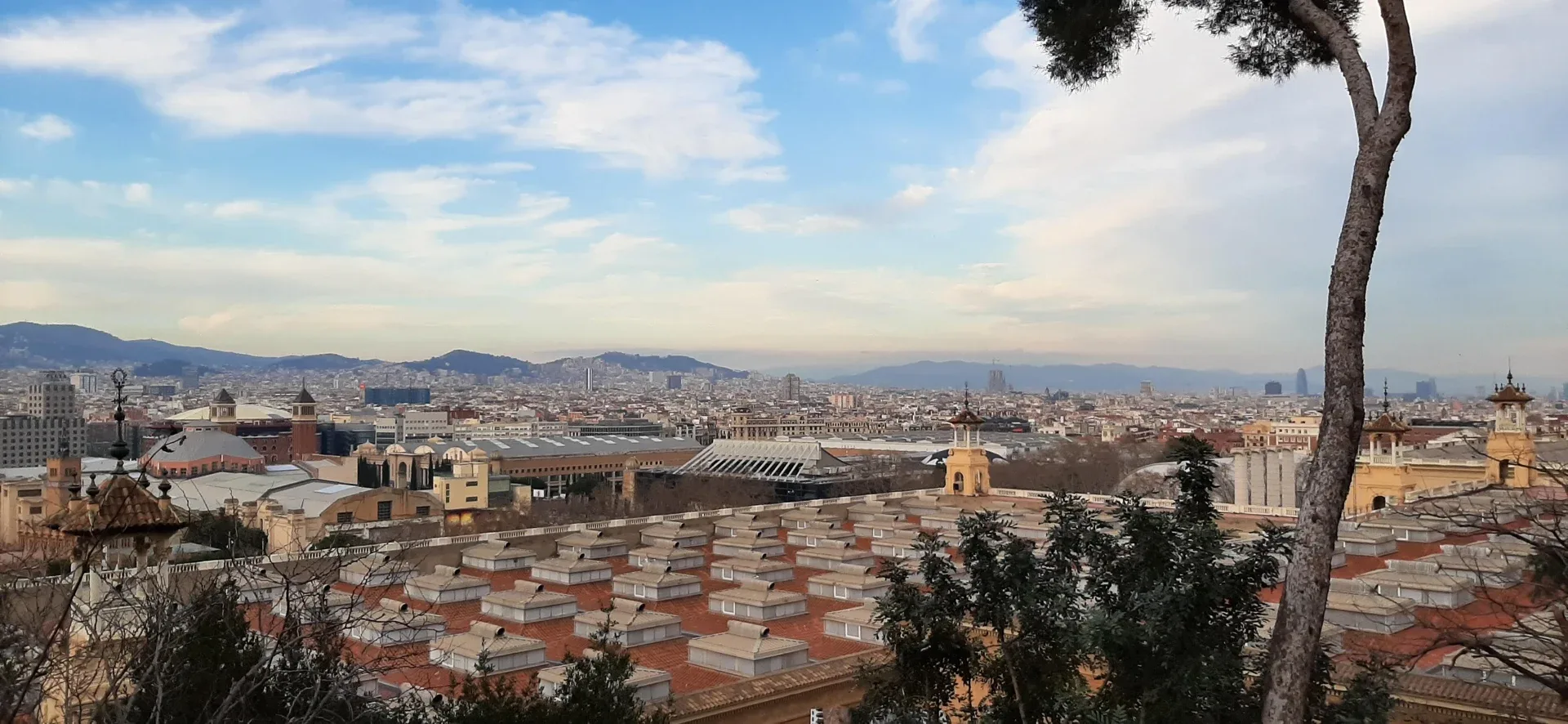
Barcelona is especially appealing if you want to alternate between several areas to visit. TMB says its bus network is adapted for people with reduced mobility, with ramps and designated spaces. The metro has elevators in many of its stations, while some still need to be adapted. Check the information for each station and connection.
Before choosing your accommodation, look at two typical journeys: your arrival route and the route to a visit that interests you. Locate the accessible station entrance, the route to the hotel, and an alternative by bus. TMB lets you check elevator status on the station pages. Knowing about a detour in advance makes the day easier than relying on a single essential connection.
TMB describes the Montjuïc cable car as accessible. It may be an activity to consider if you enjoy seeing the city from above. Check access to the station and your plans after arrival: the cable car’s facilities do not describe all the paths on the hill. Mobility scooters also have specific admission rules on the network; have your model checked if you use one.
The tourist office offers a portal that distinguishes between mobility, visual, hearing, and cognitive needs. Use it to choose your visits after identifying a suitable transport base. We would favor a day in one area, with a proper lunch break, rather than a series of distant monuments. A private guide can then adapt the content, provided you agree together on the exact route and breaks.
Lisbon and choosing a neighborhood
In Lisbon, choosing an area should be part of your trip planning from the outset. The rooftop views and viewpoints of Alfama make you want to explore the historic neighborhoods; photographs do not show whether the route to reach them is suitable. If you are traveling in a wheelchair, ask for details of the entire route from your drop-off point or accommodation, including surface conditions, slopes, and step-free passages.
We would choose Parque das Nações for a day centered on a main attraction whose access information is clearly documented. The Oceanário is located at Doca dos Olivais. It lists an accessible route from the Parque Oceanário and Parque da Doca parking lots, and names Oriente station as a metro access point. Whether your route from that station is feasible must be checked against the network and the facilities currently in service.
This choice works well if you are genuinely interested in the aquarium. You can set aside much of the day for this area, have lunch on site, and keep an outdoor walk that matches your energy level. For other days, choose a neighborhood or museum after checking its access arrangements. There is no need to add a distant excursion just to add variety to a short stay.
If you are staying elsewhere in Lisbon, plan your return before settling on a visit time. For a transfer, ask about the specific vehicle, wheelchair restraint system, whether you can remain in your chair, and the permitted dimensions. The term “private transfer” describes a commercial arrangement; only confirmation of the vehicle’s equipment will tell you whether it suits your journey.



The Oceanário at your own pace
The Oceanário lists a route equipped with ramps and elevators for visitors who use wheelchairs. The large aquarium lets you observe the animals from several points along the route. The venue gives an average visit time of one and a half to two hours; the selected ticket offer provides for a self-guided visit of two to three hours. These are useful time estimates to adjust for your breaks.
The visit is a useful recommendation for families or travelers interested in marine life, with documented indoor arrangements. The venue’s content is available in Portuguese and English. The ticket offered should therefore not be chosen as a French-language guided tour. Transport, parking, and meals must be arranged separately.
Two points warrant contacting the venue directly. The Oceanário states that it does not have an adult changing facility. It also asks visitors accompanied by a guide dog to contact it before their visit. This information can determine how long an outing is feasible and what preparation is needed, even when the route is wheelchair accessible.
Before paying the standard ticket price shown on the card, check the institution’s discount terms. The venue announces free admission for certified disability of at least 60%, with a 60% discount for an accompanying person, at the ticket office and upon presentation of the polyvalent medical certificate mentioned in its rules. Ask which proof is accepted for a visitor from France. The booking card is intended for travelers whose circumstances have been confirmed to match the standard ticket.

Viator
Lisbon Oceanário: admission ticket
For a self-guided visit to Parque das Nações, with documented ramps and elevators. First check your eligibility for concessions at the ticket office before buying the standard ticket; transport is separate, and content is in Portuguese and English.
- 4.3/5 (1,638 reviews)
Admission to the aquarium for a self-guided visit. Transport and meals must be arranged separately; distinguish this from the guided option.
Cancellation policy
For a full refund, cancel at least 24 hours before the scheduled departure date.
From €25.50
Buy a ticketThree days, depending on your base
In Amsterdam, we would suggest a first day for arrival and getting your bearings, a second devoted to the Rijksmuseum, and a third for the cruise once its accessible boarding has been confirmed. This leaves room to move the boat trip to a different time slot if needed. The remaining time can include a short walk or another visit, after checking the route.
In Bilbao, the Guggenheim can fill the main full day. Plan a meal and a break around the visit, then choose another activity based on your interests and the access information you obtain from the tourist office. In Barcelona, devote each day to an area served by a suitable connection, and keep a backup route in case a lift is out of service.
In Lisbon, set aside a day for Parque das Nações and plan a separate outing in the historic centre if it appeals to you. In all four cities, three nights often make it possible to fit in two full days between arrival and departure: this is a suggested pace, not a required length of stay. Adding a night may be more pleasant than combining a major visit with the return journey on the same day.
The season and daily pace
These cultural stays can be planned at any time of year, subject to the opening hours of the places you choose. An indoor visit can be a useful anchor when the weather makes getting around less pleasant. In Amsterdam, plan suitable protection for waiting at the jetty and travelling between transport options. In Barcelona and Lisbon, arrange breaks and outdoor travel according to the forecast heat during your stay.
The best time also depends on your care needs, fatigue and whether assistance is available. A morning slot may leave the afternoon free; a later start may make getting ready in the morning easier. Match these needs to the facilities that are actually available, especially when an accessible boat or a particular visitor service operates only at certain times.
For meals, keep one restaurant near your main visit whose entrance and toilets have been checked. When booking a table, you can specify the space needed for a wheelchair and step-free access. If you use a walking aid, ask whether you can sit down if you have to wait. These choices make the itinerary more flexible without requiring you to give up the activities that interest you.
The cost of visits and transport
Compare expenses based on your actual circumstances: standard or discounted tickets, a companion, accessible transfers, accommodation and any equipment you may need. The museums mentioned have different rules for supporting documents and companions. An online offer does not always show all these options. The price shown for a city pass helps you compare the product being sold, while your entitlements should be checked with the venue.
For accommodation, a confirmed accessible room in the right area can help avoid extra journeys each day. Ask for measurements and photos of the room you will actually be assigned, as well as the route from the street. Compare the cost of a less central hotel with the transport it will require, especially if you need an adapted vehicle.
Also leave some financial leeway for a different return journey or a longer break, without setting a universal amount. The value of these four bases lies in the visits you will actually be able to enjoy. One well-chosen booking may be enough: in Lisbon, the aquarium ticket fits a specific day; in Amsterdam or Bilbao, the museums’ direct services and prices may better meet your needs.
FAQ
Which city should you choose for a first trip in a wheelchair?
Start by choosing based on the visit that interests you and the transport options confirmed from your accommodation. Amsterdam suits an itinerary focused on collections, Bilbao a getaway centred on the Guggenheim, Barcelona a stay using several transport alternatives, and Lisbon a documented day at Parque das Nações. The final decision depends on your wheelchair, independence, available transfer options and accommodation.
Can you take a cruise in Amsterdam without leaving your wheelchair?
Accessible boats are available. Blue Boat lists departures from its jetty opposite the Hard Rock Cafe and asks you to call the day before to find out which times have accessible boats. Before buying, confirm the accepted wheelchair dimensions, boarding arrangements and usable spaces. Another cruise, even if described as easy or offering seating, may require taking a step or transferring.
Does a companion get free museum admission?
At the Rijksmuseum, a companion may enter for free if the visitor cannot get around independently; a free ticket with a time slot must be booked. At the Guggenheim Bilbao, a necessary companion is also admitted free, subject to confirmation of the arrangements with visitor services. Each venue sets its own documentation requirements and procedure; check them before booking through an intermediary.
Is the Barcelona metro fully accessible?
TMB states that some stations still need adaptations. Check the departure, arrival and interchange stations, then check the status of their lifts before travelling. The accessible bus network is an alternative to consider depending on your destination. If you use a mobility scooter, also check the specific admission rules for your equipment.
Does Lisbon Oceanário meet everyone’s mobility needs?
The venue says its route has ramps and lifts for wheelchair users, but notes that there is no adult changing facility. Visitors accompanied by a guide dog should contact the venue before their visit. Also plan the journey to the entrance and any breaks or care needs: the ticket covers the visit, not transport arrangements.
Do you need to rent a car in these four cities?
A rental car is not essential for the proposed city itinerary. Compare accessible connections from your arrival point and accommodation with an adapted transfer where needed. A car is useful if it serves a specific journey and its adaptations are confirmed: controls, storage space or transport while remaining in the wheelchair. Booking a standard vehicle category online does not guarantee these adaptations.
How can you find a visit adapted for a sensory disability?
Contact the institution directly about the format and language you need. The Guggenheim Bilbao documents tactile models, a sensory guide, video guides in Spanish Sign Language or with subtitles, and hearing loops in certain locations. The Rijksmuseum offers several dedicated programmes. Specify what you need and book the corresponding service; a general admission ticket does not automatically include this assistance.
Sources and checks
Plan your visits and check current conditions.
- Rijksmuseum: accessibility
Rijksmuseum · Accessed November 2, 2026
What this source supports
Map of elevators and restrooms, interpretation resources and sensory programs.
- Rijksmuseum: mobility assistance
Rijksmuseum · Accessed November 2, 2026
What this source supports
Elevator entrance on the left when facing away from Museumplein, alternative route through the KPN wing, equipment loans, changing room, and a free companion under certain conditions with a time slot.
- NS: travel assistance
NS · Accessed November 2, 2026
What this source supports
Domestic assistance must be requested at least one hour before departure; meet fifteen minutes beforehand; international travel has a separate process.
- Blue Boat: frequently asked questions
Blue Boat Company · Accessed November 2, 2026
What this source supports
Accessible boats depart from the landing opposite the Hard Rock Cafe; call the day before to find out which departures are equipped.
- Guggenheim Bilbao: accessibility
Guggenheim Museum Bilbao · Accessed November 2, 2026
What this source supports
Elevators, restrooms, wheelchairs, portable seats, tactile models, sensory interpretation, video guides and induction loops; discounts and free admission for a required companion.
- Barcelona: transport and reduced mobility
TMB · Accessed November 2, 2026
What this source supports
Accessible buses, partially accessible metro and elevator status by station; accessible Montjuïc cable car; scooter rules.
- Barcelona: accessibility portal
Turisme de Barcelona · Accessed November 2, 2026
What this source supports
Search options tailored to mobility, visual, hearing and cognitive needs.
- Oceanário: plan your visit
Oceanário de Lisboa · Accessed November 2, 2026
What this source supports
Ramps and elevators, access from parking areas, average visit duration of 1 h 30–2 h, no adult changing facility, guide dogs by prior arrangement, content in Portuguese/English; discount conditions at the ticket desk.
- Oceanário: admission ticket 111503P1
Viator / Oceanário de Lisboa · Accessed November 2, 2026
What this source supports
Active product; wheelchair accessibility and accessible surfaces declared; self-guided visit 120–180 min, transport/parking/meals excluded. SUPPLIER_PROVIDED image and price/currency recorded in the central offer. The old 2025 penguin reference has not been carried over.
Viator — activity pages
Information about the offers featured in this article.Affiliate links: Odyvero may earn a commission when you book through this article’s buttons.
- Viator : Lisbon Oceanário: admission ticket
Accessed November 2, 2026


