 odyvero
Ten days are enough to combine Sofia, Rila Monastery, Plovdiv and a stop on the Black Sea, provided you choose just one coastal base. Here’s how to plan your visits, distinguish a cultural stay from a beach holiday, and decide which journeys to arrange yourself or with a guide.
Stops on a first trip
From the remains of Serdica to Plovdiv’s houses and Nessebar’s churches, a first trip to Bulgaria works best when you follow a west-to-east route. Start in Sofia, visit Rila on a day trip from the capital, then stop in Plovdiv before heading to the coast. This itinerary leaves you time to explore each place and avoids a string of long return journeys.
We recommend three nights in Sofia, two in Plovdiv and four on the coast for a ten-day, nine-night stay. This is a suggested pace, to adjust around your flights and transport schedules. Three nights in the capital give you two full days: one for the center and one for Rila. An early enough arrival can free up an extra half-day; if you arrive late, simply leave Vitosha for another time.
On the coast, the main choice is between Nessebar, for its old town and churches, and Varna, for an urban base with a coastal park and museums. Four nights in one area let you enjoy the seaside without repacking every morning. Trying to include both bases, along with several resorts and villages, significantly increases the time spent traveling.
With just one week, prioritize Sofia and Plovdiv, or Sofia and one coastal base. With ten days, the full combination becomes more comfortable. If you’re mainly interested in museums, architecture and monasteries, you can also leave the coast for a second trip: you’ll then have more time in the cities, including outside the summer season.
When to go
To combine cities and coast, we recommend planning a trip between May and September. Your choice of month depends mainly on how much time you want to spend swimming. A trip focused on walks, house museums and coastal scenery has different needs from a week at the beach. No month guarantees calm seas or consistently good weather.
June and September are the first periods to compare if you want to split your days between sightseeing and the seaside. Check the opening schedules of your accommodation, nearby restaurants and any services that matter to you. A resort that’s very busy during the main holiday season may operate differently a few weeks earlier or later. Seeing a beach on the map doesn’t tell you whether it will be supervised on your dates.
July and August are a better fit for a trip centered on beaches and summer services. In the cities, plan longer walks for before the hottest hours, with an indoor visit or a break in the middle of the day. Book your coastal accommodation before finalizing optional excursions: its location will determine your daily travel.
In late October, plan the trip around culture instead. Sofia and Plovdiv offer enough to fill several days; Varna remains appealing for its city life and museums. A walk around Nessebar can still make a lovely stop, but check opening hours and available services. For an autumn or winter departure, the itinerary should work fully without swimming and leave some flexibility for mountain conditions at Rila.
The euro and first practical tips
Bulgaria adopted the euro on January 1, 2026. Since February 1, 2026, euro banknotes and coins have been the sole legal tender, according to the European Central Bank. For travelers from the euro area, this means planning a budget in the same currency used for everyday expenses in France. There’s no longer any need to buy lev before departure.
Tourism and museum pages may still show old prices in lev. The official conversion rate is fixed at 1 euro to 1.95583 lev, but an old price isn’t enough to establish what you’ll be charged today. Check the current price with the venue or at its ticket office. Adopting the euro makes expenses easier to understand; it doesn’t mean prices will be the same everywhere.
When making bookings, distinguish the total price for your group, the per-person price and any expenses still payable on site. This is particularly useful for a private excursion, transfer or car. Activity listings in this guide display centralized commercial data when available; the editorial itinerary explains where each service fits into the trip.
Another useful preparation step is saving place names and addresses. Save the addresses of your accommodation, train stations and meeting points, along with the contact details provided with your booking. Variants such as Sofia/Sofiya or Nessebar/Nesebar may appear in different services. A ticket, a saved address and an offline map help avoid confusion on arrival, especially after a long journey.
Sofia, from Serdica to the former baths
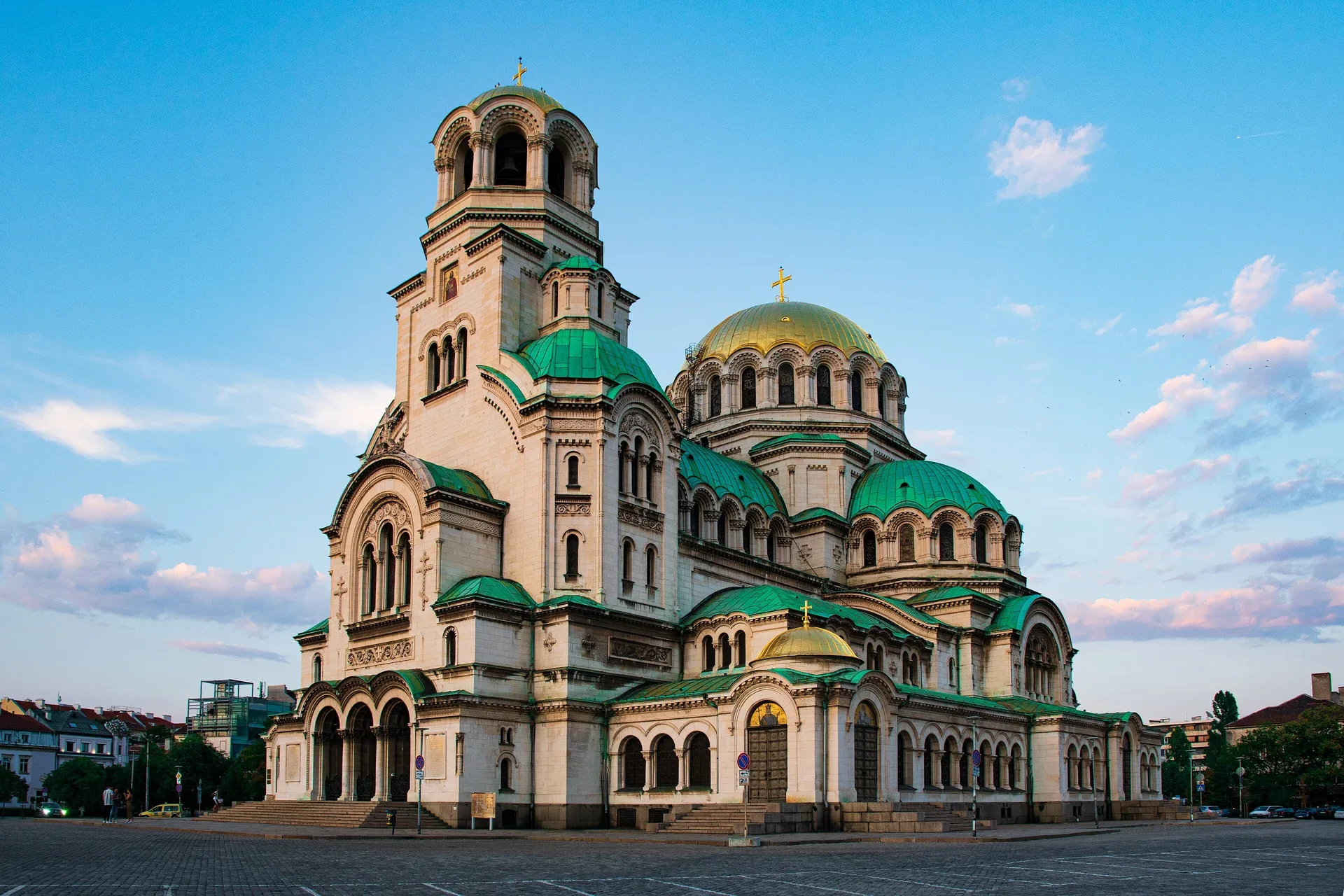
A first day in Sofia can combine the remains of Serdica, the former Central Baths and Alexander Nevsky Cathedral. The guiding thread is a city whose historical periods remain visible in everyday spaces. Allow time to examine the remains and visit a museum, rather than just collecting photographs of façades.
The Serdica complex comprises several areas. Beneath Nezavisimost Square, the Largo reveals a major street in the Roman city and the remains of a residential complex. The Sofia History Museum distinguishes this freely accessible area from the archaeological exhibition beneath Maria Luiza Boulevard. This distinction helps you plan your visit: walking through the Largo remains and visiting the exhibition require different amounts of time.
In the exhibition, streets, houses, baths and decorative details help explain how an ancient city worked. The museum describes, in particular, homes equipped with private heating and baths. The visit will interest anyone who wants to connect the visible fragments with the city’s urban organization. For a family, a few concrete features—a street, a heated room, a mosaic—can provide a thread for discovery.
The former Central Baths have housed the Sofia History Museum since 2015. Their building adds another period to the itinerary, with architecture linked to the use of mineral waters. Choose between this visit and a deeper exploration of Serdica according to your interests. The museum’s opening days vary by season: in winter, check Monday opening hours in particular before building your entire day around a visit.
Alexander Nevsky Cathedral offers another landmark, with its scale and domes. Set aside enough time to approach and explore the building. Inside a place of worship, follow the posted rules and the schedule of services. A day in the city centre is then best rounded off with a meal near your accommodation rather than another crossing of the city to add one last stop.
Vitosha and the viewpoints
The terrain of Vitosha offers another perspective on Sofia. This outing fits if you have already spent time in the centre and have an extra half-day. For a short stay, it is optional: the Rila visit and the city-centre visit already fill the two full days in our three-night itinerary.
The “Sofia from Above and Alexander Nevsky Cathedral” activity combines a departure near the cathedral, the Golden Bridges, the Kopitoto area and the Ozone panoramic bar. The Golden Bridges are a formation of boulders, often described as a stone river. The itinerary lets you move from the city to the mountain landscape without arranging separate transport between these stops.
The listing we consulted gives a duration of two and a half hours and an English-speaking guide. Drinks at the bar are paid for separately. We recommend it for a group looking for viewpoints and several guided stops. Visibility depends on the day’s conditions; in overcast weather, urban visits are a better choice. Wear suitable shoes for time outdoors and bring an extra layer for the higher elevation.

Viator
Sofia from above and Alexander Nevsky Cathedral
To add Vitosha viewpoints to a stay with a free half-day, with an English-speaking guide and transport arranged between stops.
- 5/5 (23 reviews)
An outing from the cathedral to the Golden Bridges and Kopitoto, with a stop at Ozone Bar. Guided in English; refreshments are not included.
Cancellation policy
For a full refund, cancel at least 24 hours before the scheduled departure date.
From €127.00
View activityRila Monastery
Rila deserves a separate day trip from Sofia. Its appeal lies as much in its history as in its setting in the mountains. The official site links its foundation in the first half of the 10th century to Saint John of Rila. Hrelja’s Tower dates from the 14th century, while the present church was built in the 19th century: these landmarks help you understand a complex that has changed over time.
Once there, first spend time in the courtyard and church, then decide whether you want to visit a museum. The collections complement the buildings; they require their own budget and visiting time. An itinerary that adds a walk or another site to the day should still leave enough time for the monastery itself.
The visiting rules are specific. Short clothing and tank tops are not allowed in the complex, so bring clothes that cover you. Photography and video are prohibited in the church and museum. The upper floors of the residential buildings are not open to visitors. Strollers and large bags are also prohibited inside the church, so plan for this before entering.
For a guided day trip, we recommend the private excursion combining Rila with the Stob Pyramids. The listing we consulted gives a duration of six to eight hours and includes hotel pickup, transfers and a guide. French is among the languages offered; select it when booking. Lunch, drinks and museum admission are separate.
The product title and description also mention the cave of Saint John of Rila. If visiting it is particularly important to you, confirm that it is included in the itinerary for your departure. At Stob and around the monastery, adapt the walk to the terrain and your group. For a day with several stops, bring walking shoes without turning the trip into a high-mountain hike.

Viator
A full day at Rila Monastery, the Stob Pyramids and St Ivan Rilski Cave, departing from Sofia
To spend a day at Rila and Stob without driving: select French and confirm the itinerary for your departure; museum visits and meals should be planned separately.
- 5/5 (25 reviews)
A private day trip from Sofia to Rila Monastery and the Stob formations. French is available depending on the booking; meals and museum visits are separate.
Cancellation policy
For a full refund, cancel at least 24 hours before the scheduled departure date.
From €97.00
View activityPlovdiv, its houses and the theatre
Two nights in Plovdiv allow for a full day there and an arrival without rushing into sightseeing. The historic centre stretches across hills; its houses and streets offer a very different scale from Sofia’s wide-open spaces. A leisurely walk, with a few chosen visits inside, helps explain why this stop deserves more than a brief pause between two connections.
The historic reserve preserves groups of Bulgarian National Revival houses. The municipality lists the Hindliyan, Balabanov and Kuyumdzhioglu houses, among other buildings now used as museums or galleries. Choose one house based on its collections and opening hours rather than trying to see them all. The interior decoration, room layouts and furnishings give you more to explore than the façade alone.
The ancient theatre offers another point of interest. Its marble tiers make the relationship between stage and audience immediately clear. The city notes that it is still used for opera, theatre and music. Check the visiting arrangements for your date, especially if a performance is scheduled. A heritage-site admission ticket and a performance ticket are two different ways to experience the venue.
Kapana rounds out the day with pedestrian-scale streets, workshops, galleries and places to eat. Its artisanal past lives on in street names associated with trades. The neighbourhood is well suited to a break between visits or an evening out if you stay overnight. This is one of the benefits of the proposed two nights: you can enjoy the city after the tour groups have left.
If you are staying in Sofia throughout, another option combines Plovdiv, Asen’s Fortress and Bachkovo Monastery, with a return to your hotel. The selected offer lists a duration of nine to ten hours, an English-speaking guide and a group of no more than seven travellers. It suits those who want an organized day without changing accommodation. On our route to the coast, two independent nights in Plovdiv offer more flexibility: choose one of these arrangements.

Viator
Small-group tour of Plovdiv, Asen’s Fortress and Bachkovo Monastery with pickup
An option if you are staying in Sofia: an English-language day trip to Plovdiv, Asen and Bachkovo, followed by a return to your hotel. If you are continuing to the coast, opt for two independent nights in Plovdiv.
- 5/5 (27 reviews)
A round-trip day trip from Sofia covering Plovdiv, Asen’s Fortress and Bachkovo, in a small group with an English-speaking guide.
Cancellation policy
For a full refund, cancel at least 24 hours before the scheduled departure date.
From €83.00
View activityNessebar or Varna on the coast
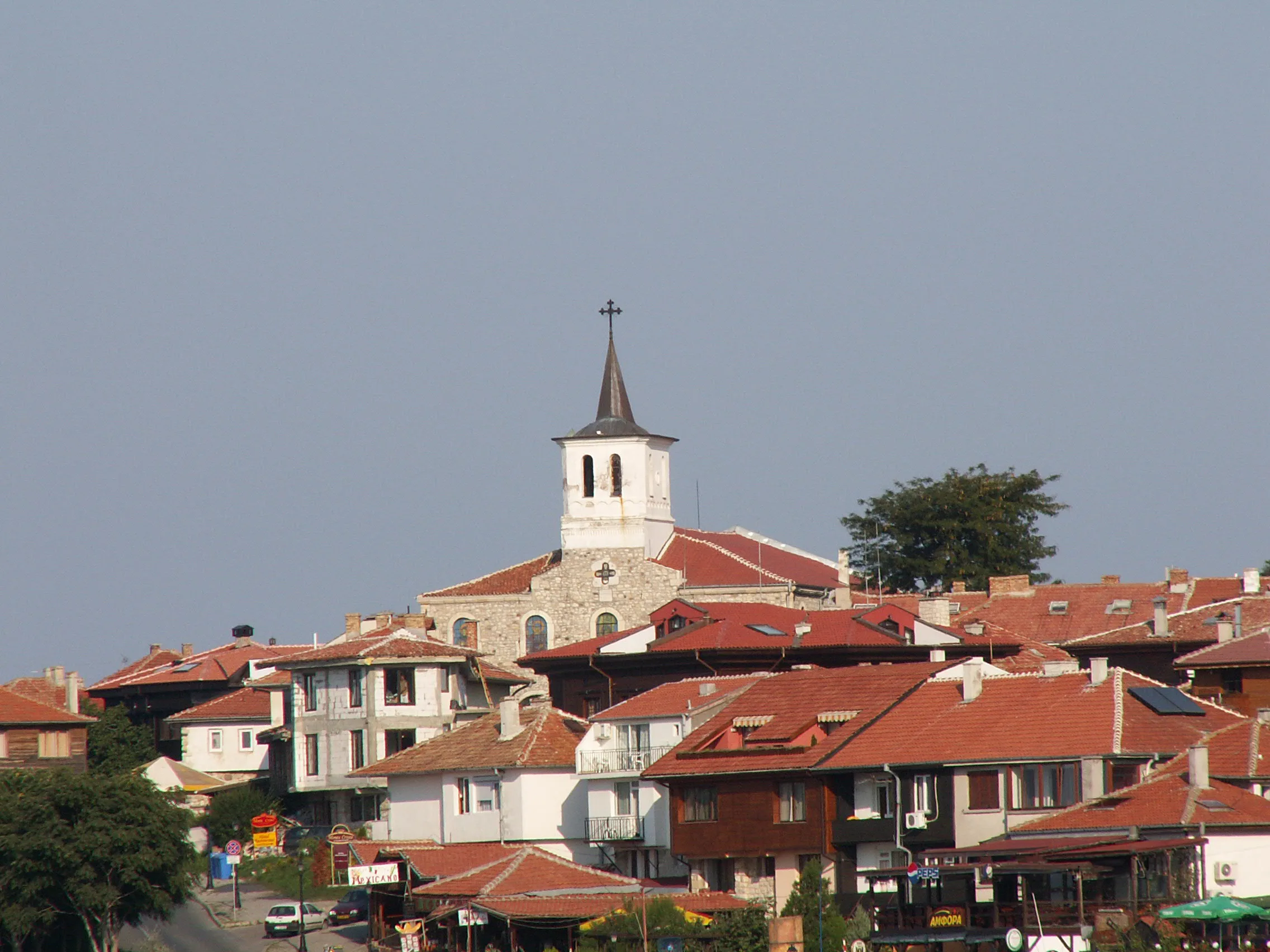
Nessebar is our first choice for extending the historical itinerary. The old town occupies a small peninsula connected to the mainland by an isthmus. The municipality notes that it was added to the UNESCO World Heritage List in 1983. Fortifications, religious remains, and houses from different periods can be explored in an area compact enough to revisit the same streets several times.
A first walk can combine the areas around the fortifications with the Church of Saint Sophia, followed by the facades of Christ Pantocrator. Book admission to the Archaeological Museum or Saint Stephen’s Church depending on opening hours and your interests. The churches do not all offer the same interior experience; choosing a few visits is more meaningful than trying to see every one in a single morning.
The neighborhood where you stay deserves as much attention as the price. An address in the old town makes morning walks and evenings on the peninsula easier. A place near a beach is better suited to repeated beach days. Check the actual walking route, luggage access, transport connections, and, if you are driving, parking conditions. A hotel photo with a sea view tells you nothing about these practicalities.
Varna is a better fit if you want a large urban base by the water. The Sea Garden runs along the coast and is ideal for combining walks, breaks, and sightseeing. The Archaeological Museum and Roman Baths offer a solid cultural program, useful when the weather is less suitable for the beach. For an autumn trip, this combination of city and sea is particularly worth considering.
Choose Varna or the Nessebar area based on your arrival and return transport, then your priorities. With four nights on the coast, we recommend staying in one area. The days saved by avoiding accommodation changes can be spent on a more in-depth visit, a local outing, or a day without a schedule. The other part of the coast will easily fit into a future trip.


Ten days from west to east
The first day is for reaching Sofia and settling into your accommodation. If your arrival time allows, a short walk around the center is enough to get your trip started. Avoid making a paid excursion dependent on your landing time: this first afternoon is a buffer, not a full day you can count on.
The second day brings together Serdica, a museum based on your interests, and the cathedral. The third is devoted to Rila, with a return to Sofia. To add Vitosha without cutting these visits short, an early-morning arrival may work; otherwise, plan an extra night in the capital or skip this optional outing.
The fourth day is for traveling to Plovdiv. Depending on the connection you choose, leave the rest of the day for a first walk and Kapana. The fifth gives you a full day for the historic center’s houses and the ancient theater. This schedule is better able to absorb a closure, a delayed arrival, or an extended break than a stop lasting only a few hours.
The sixth day is for traveling to your coastal base. Set aside this day for transport and settling in until you have chosen a specific service. The seventh, eighth, and ninth days stay in the same area: the old town and cultural visits, the seaside depending on the season, then a free day or a nearby discovery. The tenth day is for the return journey.
This itinerary assumes you depart from an airport that works with your final stop. If your flights require you to return to Sofia, plan the return journey before your final flight and shorten your time on the coast accordingly. When comparing a standard round trip with a trip using different airports, include transfers, luggage, and any fees for returning a rental car to a different branch.
Transport between stops
Without a car, Sofia and Plovdiv are the easiest part to organize around intercity journeys and walking tours. For trains, the BDZ website lets you search by date and distinguishes, among other things, direct services and couchette cars when available. Check the station, connections, arrival time, and booking conditions for the specific service.
To reach the coast, compare train and coach services, taking into account how you will get from the final stop to your accommodation. A connection to Burgas or Varna does not automatically include the last leg to another town or resort. If you choose Nessebar, plan this final connection and check how it operates on your travel date. An inexpensive intercity ticket may lose some of its appeal if you arrive late and need an expensive transfer.
A car is useful for an itinerary with several dispersed stops or less central accommodation. For the proposed circuit, you can also visit Rila with a guide and explore the cities without a car. Compare the two arrangements, including parking, applicable road fees, fuel, insurance, and return conditions. Assess the rental based on the total cost of the trip.
In the cities, look for accommodation whose location works for your sightseeing and departures. Sofia has a metro; the Metropolitan website provides information about the network and tickets. For an early departure or late arrival, check which service works with your schedule. Leave a buffer between returning from an excursion and taking an intercity connection: an extra night may be more sensible than a tight connection.
Budget and bookings
Accommodation is often the deciding expense because it also affects some of your transport and meal costs. Compare the total cost of nine nights, any applicable taxes, cancellation terms, and accessibility. A room far from the sights can add daily travel; a central location may let you take a break in the middle of the day and go back out in the evening.
For activities, choose the occasions when having a guide genuinely adds value: transport between several sites at Rila, an explanation in French, or an organized day trip from Sofia. City-center walks and some coastal sightseeing can be done independently. There is no need to book a different excursion every day to make the trip feel worthwhile.
Check the terms of the specific product you choose for meals, drinks, and additional admissions. A listing for an excursion to the monastery does not mean all museums are included. Prices and ratings for the offers appear in the centralized cards, with their currency. A starting price is a commercial reference point to compare with the number of participants and the option you select.
Finally, check your mobile plan before buying an eSIM. Bulgaria is part of the European Union, and roaming under national conditions applies within the framework set by your provider, subject to fair-use rules. A French or European plan may therefore be enough. Download your tickets and a few offline maps; preparing for your arrivals is still useful even when you have mobile data.
FAQ
How many days do you need for Sofia and the Black Sea?
Ten days allow for a comfortable schedule if you add Rila and Plovdiv: three nights in Sofia, two in Plovdiv, and four on the coast. With seven days, choose fewer stops. The duration also depends on your return journey: flying home from the coast preserves your time there, while a required return to Sofia means setting aside part of the trip for travel.
Can you still pay in lev in Bulgaria?
The euro has been the sole legal tender since February 1, 2026. Old lev banknotes and coins can be exchanged according to the procedures of the relevant institutions; the Bulgarian National Bank provides exchange with no deadline and no fees. For a new trip, plan to pay in euros and check current prices if a website still shows old amounts.
When should you go to enjoy the beaches?
Plan a summer trip first if swimming is essential, then check local conditions and whether the beaches are supervised. June and September are also worth considering for an itinerary split between cities and the coast. For a late-October trip, plan a cultural itinerary that remains enjoyable without swimming, with museums, heritage sites, and coastal walks depending on the weather.
Do you need to rent a car for this itinerary?
A car is optional if you use intercity transport and take an excursion to Rila. It becomes worthwhile for dispersed stops and greater freedom between destinations. Compare the full cost, including parking and returning the car in a different city. On the coast, the location of your accommodation and the final connection from the station matter as much as the main journey.
Is the Rila Monastery visited in French?
The private Rila and Stob excursion featured in this guide offers French as one of the guide languages. Select this option for your preferred departure. It includes the transfers and pickup announced by the provider; museum visits and meals are separate. Visitors to the monastery must wear clothing that covers the body, and photography is prohibited in the church and museum.
Can you visit Plovdiv on a day trip from Sofia?
Yes, a guided day trip can combine Plovdiv, Asen and Bachkovo, with a return to Sofia. The option presented is conducted in English and lasts nine to ten hours. If you plan to continue to the Black Sea afterward, two independent nights in Plovdiv make more sense: they avoid a return to the capital and leave a full day for the houses, theatre and Kapana.
Nessebar or Varna: which base should you choose?
Nessebar is particularly well suited to a stay focused on the old town, churches and walks, with a beach chosen according to your accommodation. Varna offers a more urban base, a large seaside park and museums. Choose according to your return connection and the season. For four nights, staying in one base lets you enjoy the area more without moving around repeatedly.
Do you need an eSIM in Bulgaria?
Not necessarily. If you have a mobile plan from France or another EU country, first check the roaming data included and the fair-use rules. An eSIM may suit a particular need, especially if your primary line does not benefit from these conditions. In that case, check your phone’s compatibility, data allowance and validity period before buying an additional plan.
Sources and checks
Plan your visits and check current conditions.
- Bulgaria: transition to the euro
European Central Bank · Accessed November 2, 2026
What this source supports
Euro adopted on January 1, 2026, and the sole legal tender as of February 1; fixed conversion rate and arrangements for exchanging lev.
- The ancient complex of Serdica
Sofia Regional History Museum · Accessed November 2, 2026
What this source supports
Distinction between the freely accessible Largo and the archaeological exhibition; streets, houses, heating and baths.
- The former Central Mineral Baths
Sofia Regional History Museum · Accessed November 2, 2026
What this source supports
Museum in the former baths since 2015; seasonal opening days, without reusing outdated prices.
- History of Rila Monastery
Rila Monastery · Accessed November 2, 2026
What this source supports
Founded in the 10th century, Hrelja’s Tower built in the 14th century, and the current church built in the 19th century.
- Visiting rules at Rila
Rila Monastery · Accessed November 2, 2026
What this source supports
Dress code, silence, no photography in the church/museum, residential floors, and restrictions on luggage/strollers in the church.
- Plovdiv’s historic reserve
Plovdiv Municipality · Accessed November 2, 2026
What this source supports
Hills, Hindliyan/Balabanov/Kuyumdzhioglu houses, museums and National Revival galleries.
- The Ancient Theatre
Plovdiv Municipality · Accessed November 2, 2026
What this source supports
Marble seating, heritage significance and contemporary use as a performance venue.
- The Kapana district
Plovdiv Municipality · Accessed November 2, 2026
What this source supports
Craft district, street names, workshops, galleries and dining.
- Nessebar’s location
Nessebar Municipality · Accessed November 2, 2026
What this source supports
Peninsula and isthmus; houses and churches; UNESCO listing in 1983, according to the municipality.
- The monuments of Nessebar
Nessebar Municipality · Accessed November 2, 2026
What this source supports
Archaeological Museum, Church of Saint Sophia, Church of Saint Stephen and Christ Pantocrator Church.
- Varna’s Sea Garden
Varna Tourist Office · Accessed November 2, 2026
What this source supports
Coastal park, promenades, facilities and things to see.
- Varna’s museums
Varna Tourist Office · Accessed November 2, 2026
What this source supports
The Archaeological Museum and Roman Baths as cultural visits.
- Search for Bulgarian trains
BDZ Passengers · Accessed November 2, 2026
What this source supports
Date-specific search and options for direct trains/sleeping cars; no fixed timetable is assigned to a date that has not been chosen.
- The Sofia Metro
Metropolitan Sofia · Accessed November 2, 2026
What this source supports
Network and ticket information, without unverified prices or frequencies.
- Mobile roaming in the European Union
European Commission · Accessed November 2, 2026
What this source supports
Roaming under domestic conditions and fair-use rules; buying an eSIM is not always necessary.
- Sofia’s Upper Town and Alexander Nevsky Cathedral
Viator / operator · Accessed November 2, 2026
What this source supports
Exact product reviewed via Partner API: itinerary, duration, languages and inclusions. Central snapshot with the exact supplier image, price and currency; availability is not guaranteed for a date that has not been chosen.
- Full-day trip from Sofia to Rila Monastery, the Stob Pyramids and St Ivan Rilski Cave
Viator / operator · Accessed November 2, 2026
What this source supports
Exact product reviewed via Partner API: itinerary, duration, languages and inclusions. Central snapshot with the exact supplier image, price and currency; availability is not guaranteed for a date that has not been chosen.
- Small-group tour of Plovdiv, Asen’s Fortress and Bachkovo Monastery with pickup
Viator / operator · Accessed November 2, 2026
What this source supports
Exact product reviewed via Partner API: itinerary, duration, languages and inclusions. Central snapshot with the exact supplier image, price and currency; availability is not guaranteed for a date that has not been chosen.
Viator — activity pages
Information about the offers featured in this article.Affiliate links: Odyvero may earn a commission when you book through this article’s buttons.
- Viator : Sofia from above and Alexander Nevsky Cathedral
Accessed November 2, 2026
- Viator : Small-group tour of Plovdiv, Asen’s Fortress and Bachkovo Monastery with pickup
Accessed November 2, 2026
- Viator : A full day at Rila Monastery, the Stob Pyramids and St Ivan Rilski Cave, departing from Sofia
Accessed November 2, 2026


