 odyvero
In Dublin, a door preserved in a museum points to Leopold Bloom’s address. In Bath, a walk provides a setting for the reunion in Persuasion. From Joyce to Austen, and Stevenson to Kafka and Thomas Mann, five cities let you plan a trip around a book, with different kinds of visits and time to read.
Choosing a literary getaway
The pleasure of travel often begins with a detail you recognize: a street name, a façade, the way a character moves through a city. To choose your destination, start with the book you want to bring and the kind of visit that interests you. Discovering personal objects, taking a guided walk and spending an evening listening to texts read aloud offer very different experiences. A successful trip can be built around just one of these interests.
Dublin is especially appealing if you enjoy hearing literature: the James Joyce Centre explains the links between the writer and his streets, while a pub-to-pub walk gives actors and stories a place in the evening. Bath lends itself to a social reading of Jane Austen, in a city where you can connect the novel with its walking routes. Edinburgh brings together objects associated with Burns, Scott and Stevenson in a free museum. Prague invites you to reflect on how writing transforms a city. Lübeck will appeal most to readers prepared to spend time with the Buddenbrooks and the Mann family.
The five destinations are alternatives for a short break. The suggested durations below correspond to a recommended schedule of visits, excluding travel from your home. Choose one city for two available days; that way, you will have time to return to a passage in the book after seeing the places. A pocket-sized book and a few annotated pages will be more useful than a long list of places to rush through.
Dublin and Joyce’s voices
The James Joyce Centre preserves the door from 7 Eccles Street, the address associated with Leopold Bloom in Ulysses. The object offers an initial sense of the relationship between the real city and fiction: a precise address can inspire a character, then become a place of memory in its own right. The Centre occupies a Georgian house in the northern part of the city centre. Its exhibitions place Joyce within his biography, milieu and body of work before you go looking for traces of him outside.
For a first read, the stories in Dubliners offer shorter entry points than all of Ulysses. You could start with “The Dead,” then look into the Gresham Hotel, associated with its final scene and mentioned on the Centre’s walks. Readers of Ulysses might focus on a few episodes and follow Bloom’s movements rather than try to recreate the entire novel in a day. This selection makes the walk more attentive: you notice a shop, a crossing, a change of neighbourhood and their roles in the story.
The Centre offers several routes, including an introduction to Joyce’s Dublin, a walk around Dubliners and another following in Leopold Bloom’s footsteps. For a two-day visit, we recommend starting with the museum and a walk through the northern city centre, then setting aside the second day for a more focused route. The Centre’s audio guides are available in several languages, including French. Wheelchair access is limited to the ground floor; ask for the precise arrangements if visiting the upper floors affects your choice.
In the evening, the literary pub crawl we have selected puts the emphasis on spoken storytelling and the actors’ performances. The current listing specifies around two and a quarter hours, an English-speaking guide, four pubs and a quiz. The meeting point is upstairs at the Duke Pub, 9 Duke Street. Food and drinks are paid for separately, and the product specifies a minimum age of sixteen. Plan your dinner around the departure time confirmed in your booking.
This outing complements a day devoted to Joyce by widening the focus to other Irish writers. It suits readers who understand spoken English well enough to follow a story or a performed scene. For a mainly French-speaking visit, the Centre’s audio guide and a well-documented self-guided walk will be a better fit. Either way, leave yourself a fairly free evening: the breaks and conversations are part of Dublin’s literary appeal.

Viator
Dublin’s literary pubs with actors
To hear actors perform works by Irish writers after a day devoted to Joyce: choose this evening if you can comfortably follow a story in English; drinks and dinner are paid for separately.
- 2 h 15 min
- 4.8/5 (1,782 reviews)
A guided literary evening in English with local actors and a quiz, starting at the Duke Pub; food and drinks are separate.
Cancellation policy
For a full refund, cancel at least 24 hours before the scheduled departure date.
From €23.00
View activity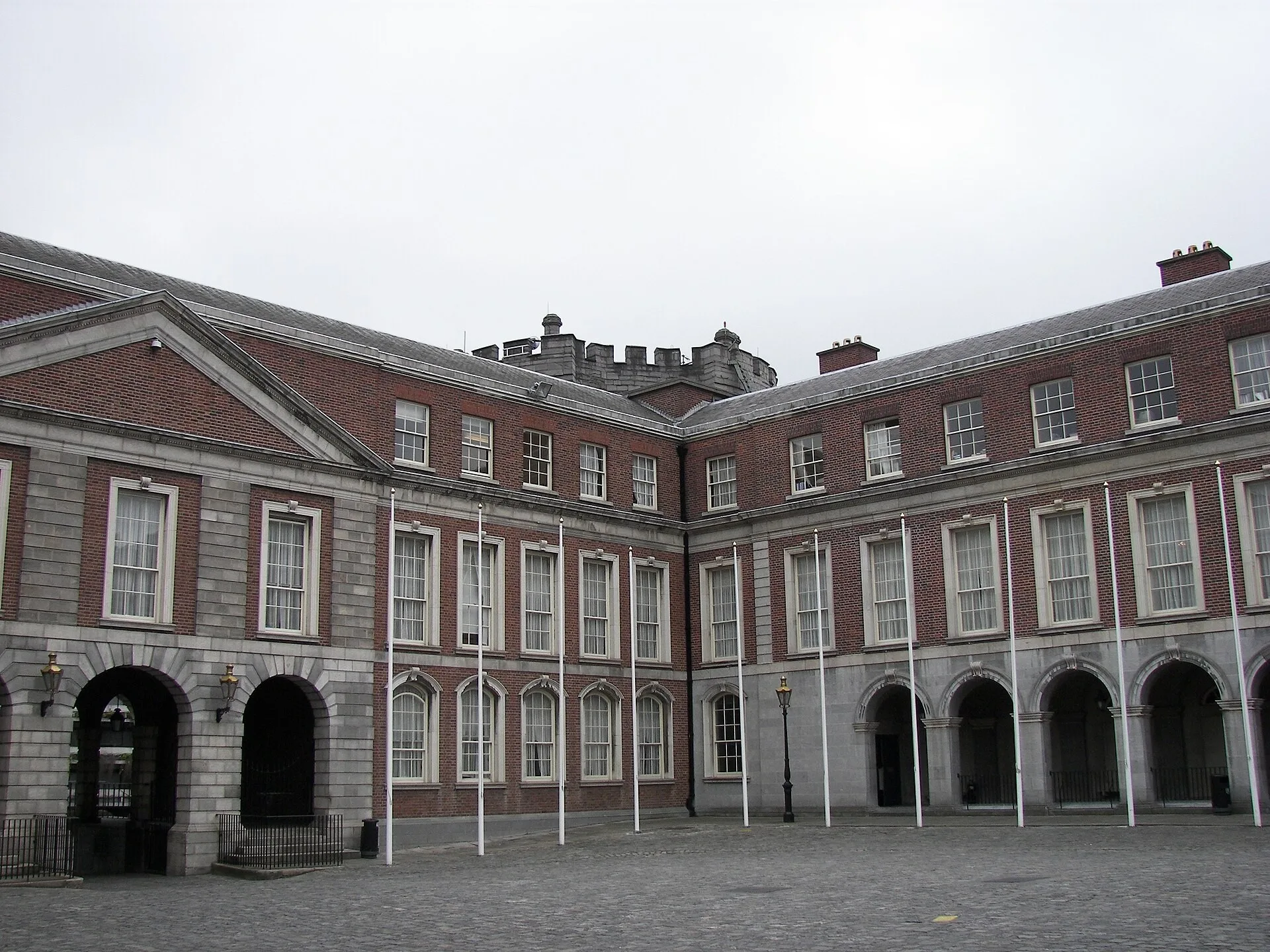


Bath in Austen’s novels
Jane Austen lived in Bath from 1801 to 1806. The tourist board directly connects the city with Northanger Abbey and Persuasion. These two novels offer complementary views of social customs: encounters, reputation, family expectations, and the possibilities opened up by a walk. You can choose one of the novels before setting off, then observe how the urban setting shapes the characters’ proximity to one another.
The Jane Austen Centre, at 40 Gay Street, is a good starting point for understanding the author’s years in Bath. Pair this stop with a walk through the Georgian streets rather than a succession of museums. The architecture gives a sense of scale to people’s movements, the façades that catch the eye, and the places where people see and are seen. For readers of Persuasion, Gravel Walk is worth a detour: Visit Bath links it to a romantic scene in the novel. The nearby Georgian garden offers another glimpse of the period’s domestic setting, subject to its opening arrangements.
For a two-day visit, we suggest spending the first day in this area and at the Centre, then exploring Sydney Gardens and the Jane Austen walking route the next day. Visit Bath also offers a free audio walk following in the writer’s footsteps. Download the guide before heading out and pick out the stops that genuinely interest you. Listening in short sections leaves time to look around, compare a couple of pages from the novel, or take a break without keeping your eyes on your phone.
Bath works well for a pair where only one person knows Austen’s work. The streets, gardens, and social spaces offer architectural interest that is accessible to everyone. The person who has read the novel can briefly explain the characters’ situation without turning every stop into a school lesson. A single chosen scene is often enough to explain why a path or room matters particularly in the story.
Screen adaptations offer another possible thread, but their geography should remain distinct from that of the novels and Austen’s life. The tourist board lists filming locations; choose this route if your interest comes from a film. For a first literary experience, we favor Austen’s texts and documented places. You can then compare how an adaptation uses the urban setting. The visit is still worthwhile outside the festival, without depending on an annual program or a costume to rent.
Edinburgh, Writers’ Objects
In Lady Stair’s House, near the Lawnmarket, the Writers’ Museum brings together three figures: Robert Burns, Walter Scott, and Robert Louis Stevenson. Admission is free. The museum displays portraits, rare books, manuscripts, and personal belongings, including Burns’s writing desk, Scott’s rocking horse, and Stevenson’s riding boots. These objects offer concrete starting points for exploring very different works without needing to know the whole history of Scottish literature.
For a first weekend, our reading choice is The Strange Case of Dr Jekyll and Mr Hyde. Its brevity makes it possible to finish before the trip and then reflect on the theme of a double life. The museum preserves a cabinet made for Stevenson by Deacon Brodie, whose life may have inspired the story. The institution presents this connection cautiously. The story of Jekyll and Hyde is set in London; your visit to Edinburgh is about the author, his belongings, and a possible source of inspiration.
Spend part of your first day at the museum, then continue on foot around the Royal Mile and through the Old Town’s closes. The walk is interesting for the shifts in scale between a main street, a courtyard, and a narrow passage. You can take them in freely, without assigning every façade to a fictional scene. The next day, an independent bookshop, the Scottish Poetry Library, or an event at the Scottish Storytelling Centre can introduce you to literary life today, depending on opening hours and what is on.
Edinburgh became the first UNESCO City of Literature in 2004. VisitScotland connects this status with writers, libraries, festivals, storytellers, and bookshops. For visitors, it mainly means more ways to spend a second day. A poetry reader might extend their encounter with Burns; a historical-novel enthusiast might spend longer with Scott; a group with young readers could start with Stevenson and adventure stories.
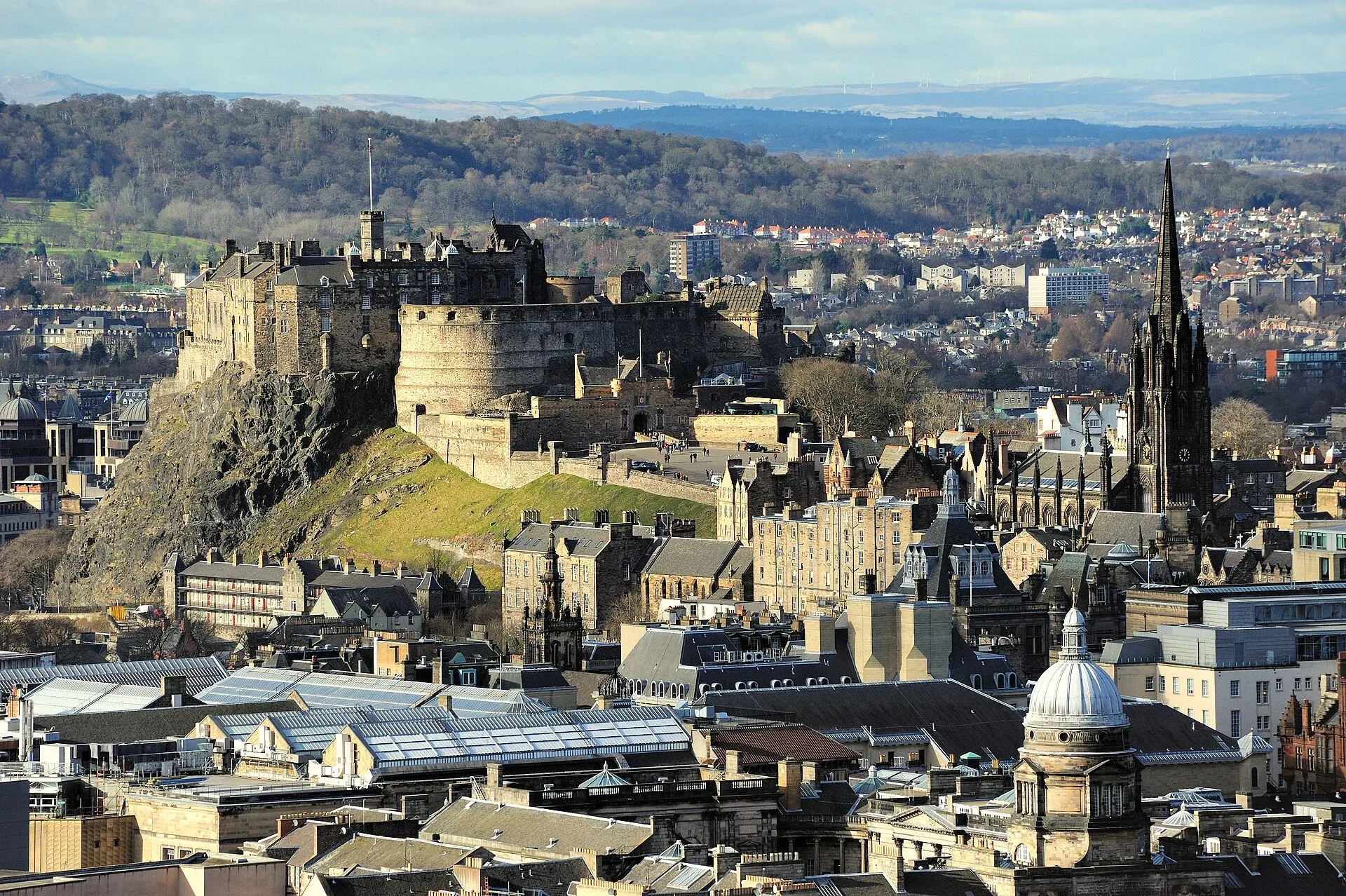
The photograph of the castle in this guide gives a sense of the city and its landscape. The Writers’ Museum is housed in an Old Town building, and visiting it is separate from visiting the castle. For your itinerary, one main literary visit and a long walk already make for a satisfying day. In autumn and winter, take your walk during daylight and plan indoor stops around it. The next day remains available for another kind of reading rather than a race to see the landmarks.
Prague and the City of Kafka
The Franz Kafka Museum is at Cihelná 2b in Malá Strana, on the bank of the Vltava. Its exhibition draws a distinction between two questions: how Prague shaped Kafka’s life, and how the writer transformed the city into an imaginary space. This distinction makes an excellent thread for your stay. You can look for places connected with his life, then consider what fiction preserves or changes about them.
The museum features correspondence, journals, manuscripts, photographs, drawings, and first editions, as well as audiovisual installations. The exhibition design contributes to the interpretation of his work. We recommend visiting early in your stay: it gives you more precise questions to take on your walks, about the writer’s family, language, work, and relationships. Kafka was a Prague-born German-language author; this cultural context matters as much as the buildings that can still be seen.
To prepare for your visit, The Metamorphosis is a short read, while The Trial offers a deeper exploration of the relationship between the individual, authority, and space. The museum notes that Kafka rarely names the places in his fiction and transforms their topography. Connections between a cathedral in the novel and a Prague landmark are therefore matters of interpretation. A knowledgeable guide can explain these readings while distinguishing biographical addresses from interpretations of the texts.
After the museum, a walk along the river and toward Charles Bridge lets you reconnect with a familiar urban scale. The contrast between the documents you saw inside and the space you explore outside prompts reflection: readers have reference points, then recognize the novelist’s freedom. Set aside a second day to revisit the neighborhoods that interest you, with a passage from the book in hand. Views of the castle help you get your bearings; they are not enough to identify the castle in the fiction.
For a guided visit in French, the museum advertises private tours by advance request, which must be arranged directly with the museum. This service is separate from a city walk or a ticket sold by an intermediary. If you choose an outdoor tour, check its stops and what admissions are included. A museum’s name in an itinerary may simply mean passing by the building. In our itinerary, the indoor visit is a destination in its own right, with time to read the documents and their explanations.
Lübeck and the Mann Family
The Buddenbrooks make Lübeck especially interesting for anyone who enjoys family sagas and merchant life. The novel follows a family of merchants, their social relationships and their development over several generations. Before setting out, reading the opening chapters helps you recognize the importance of the house, meals, business and other people’s opinions. Reading the entire novel takes more time; you can also start it beforehand and continue after your trip.
The key practical point concerns the Buddenbrookhaus: the house is currently closed for renovation. The institution continues its activities at other locations and maintains “Buddenbrooks am Markt,” its shop and information point, with a small exhibition space between St. Mary’s Church and the Town Hall. Plan your arrival around this current information. Do not infer a reopening date from an old guide or anniversary program.
We recommend spending the first day exploring the old town and market district, including a stop at the information point to find out about current tours and events. For the second day, choose a talk, themed walk or exhibition that is actually scheduled for your dates. The venues may change during the renovation. You should therefore book accommodation only after checking the features that motivate your trip, especially if you are coming primarily for a museum activity.
The strength of this destination lies in taking time to read the urban environment. The buildings and commercial spaces invite reflection on the relationships between private life, social standing and business activity. You do not need to make a precise match for every room in the novel. A walk around the market, followed by an hour of reading, is already enough to compare the descriptions with the scale of a city you are discovering.
Of our five choices, Lübeck calls for the most focused preparation: you will enjoy it more if you are already interested in the Mann family or the novel. Dublin and Edinburgh offer more immediate points of entry for the occasional reader. For a Buddenbrooks enthusiast, however, the closure of the main building still leaves a coherent trip, provided you plan it around the city and the program that is actually available. We recommend this destination for that particular reader, after checking the visiting locations in advance.
Two days, reading and bookings
A literary itinerary works best with only a few fixed appointments. For the first day, choose the place that provides the keys to your reading: the Joyce Centre, Jane Austen Centre, Writers’ Museum, Kafka Museum or Buddenbrooks information point. Then plan a walk in the same area. Use the second day to explore a question in greater depth: the voices of the texts in Dublin, social customs in Bath, poetry in Edinburgh, imagined geography in Prague, or family and commerce in Lübeck. These are suggested arrangements; adapt them to opening hours.
Build your budget around transport, possibly two nights’ accommodation, meals, admission fees and any guided experience you choose. Exploring independently helps keep costs under control. In Edinburgh, the Writers’ Museum is free to visit; in Bath, Visit Bath’s audio guide supports an unguided visit. In Dublin, the chosen evening event includes a performance by actors. Before buying, compare this service with your level of spoken English and your interest in a group outing.
The activity’s prices and reviews appear in its main listing, along with the supplier’s available information. They may change and do not guarantee the budget for your dates. Also check for separate costs: drinks in Dublin, museum admission during an outdoor walk, and transport to the meeting point. A tour advertised in French on a sales page may be conducted in English; the language of the experience should be specified in the option you book.
Before booking your trip, also check the country’s entry requirements and the validity of your documents, according to your nationality. This guide covers several European countries, including the United Kingdom; requirements are not the same everywhere. For getting around the city, choose accommodation that lets you reach your first appointment without tight connections. Staying in a convenient neighborhood gives you more freedom to read or return to a bookshop.
These city breaks can be planned at any time of year. The colder months favor museums and indoor reading, with shorter walks; longer days make walking routes easier. A literary event can enrich your trip if its edition and tickets are confirmed for your dates. The year-round program is enough, however, to build the five weekends suggested here. At the end of your stay, returning to a few pages of the book lets you see how the visit has changed your reading.
FAQ
Which city should you choose for your first literary trip?
Edinburgh offers an accessible introduction, with a free museum devoted to three writers and a walk through the old town. Bath is a good choice if you enjoy Jane Austen or want to combine architecture and fiction. Dublin is especially enjoyable if you understand spoken English and like listening to literary texts. Prague and Lübeck suit a more focused trip centered on Kafka or Thomas Mann.
Do I need to finish the novel before I go?
A few chapters or a short story may be enough. Dubliners, The Metamorphosis and Strange Case of Dr Jekyll and Mr Hyde take less preparation than Ulysses or The Buddenbrooks. Make a note of the characters, two or three places and a question that intrigues you. You can finish reading after the trip, using the points of reference you discovered there, without needing to understand everything on your first visit.
Can I take these trips without speaking English?
You can prepare for independent walks using a French edition of the works. In Dublin, the James Joyce Centre offers, among other things, an audio guide in French, while the selected pub tour is conducted in English. In Prague, the museum advertises private tours in French upon advance request. For each experience, check the exact language before booking; the language used to translate a sales page does not determine the guide’s language.
Which literary visits are free?
Admission to Edinburgh’s Writers’ Museum is free. In Bath, Visit Bath offers a free audio walk in Austen’s footsteps. Streets and outdoor walks also offer opportunities to explore independently. Set aside a separate budget for paid museums, performances or guided tours you choose; a free walk does not automatically include admission to the buildings you pass.
How much time should I plan for a city?
Two days in the city let you combine an interpretive venue, a walk and another discovery without packing in too many appointments. One day may be enough for a focused introduction, such as the Writers’ Museum and its neighborhood. Allow time for travel from home and leave some flexibility for your arrival. The durations suggested in this guide are itinerary recommendations and do not include international travel.
Do the places in the novels really exist?
Some texts use identifiable addresses, such as 7 Eccles Street, associated with Bloom. Others transform their settings or leave them unnamed. The Kafka Museum specifically explains this imagined geography. Always distinguish among three threads: the author’s life, the story’s setting and the filming locations of an adaptation. Each can inform a visit, but each calls for different evidence and expectations.
Are these weekends suitable for children?
Adapt the trip to a work and the readers’ ages, with short walks and a few items to look for in museums. Stevenson can offer a starting point based on adventure; Bath makes it possible to share an architectural discovery. Dublin’s literary pub tour has a minimum age of sixteen. Check accessibility, stairs and listening duration separately for your family.
Can you visit the Buddenbrookhaus in Lübeck?
The main building is currently closed for renovation. The institution announces activities elsewhere and a “Buddenbrooks am Markt” information point, with a shop and small exhibition. Check its program for the exact locations and dates before booking a trip centered on this visit. This guide gives no reopening date; the old town remains the setting for exploring the novel.
Sources and checks
Plan your visits and check current conditions.
- The James Joyce Centre ↗
James Joyce Centre · Accessed November 1, 2026
What this source supports
Institution, exhibitions, 7 Eccles Street door, Joyce heritage.
- The Joyce Centre walks ↗
James Joyce Centre · Accessed November 1, 2026
What this source supports
Joyce, Dubliners and Bloom walks; audio guides including French; only the ground floor is accessible; 2020 prices not repeated.
- Bath and Jane Austen ↗
Visit Bath / Visit West · Accessed November 1, 2026
What this source supports
Residence from 1801–1806; Persuasion and Northanger Abbey; Centre at 40 Gay Street; Gravel Walk; Sydney Gardens; free audio guide. No inferred events calendar.
- The Writers’ Museum ↗
Culture Edinburgh · Accessed November 1, 2026
What this source supports
Free museum, Lady Stair’s House near the Lawnmarket; Burns, Scott, Stevenson, objects and manuscripts; Brodie as a possible inspiration.
- Edinburgh, City of Literature ↗
VisitScotland · Accessed November 1, 2026
What this source supports
First UNESCO City of Literature in 2004; bookshops, the Scottish Poetry Library and the Storytelling Centre. Page redirected to Creative Cities.
- The Franz Kafka Museum ↗
Franz Kafka Museum · Accessed November 1, 2026
What this source supports
Cihelná 2b, Malá Strana; Prague-born German-language author; private tours in French available with advance notice.
- Kafka and imagined topography ↗
Franz Kafka Museum · Accessed November 1, 2026
What this source supports
Documents and audiovisual material; two sections on biography and imagined geography; transformed fictional places and interpretive connections.
- The Buddenbrookhaus during renovation ↗
Die Lübecker Museen / Buddenbrookhaus · Accessed November 1, 2026
What this source supports
Building closed for renovation; activities at other venues; Buddenbrooks am Markt with a shop, information and a small exhibition space. No reopening date inferred.
- Dublin’s literary pubs ↗
Viator / Dublin Literary Pub Crawl · Accessed November 1, 2026
What this source supports
GET Partner API lists active product 5048DUBLIT1: English-speaking guide, 135 minutes, actors, four pubs, quiz, meeting point at Duke Pub, 9 Duke Street; drinks and food excluded, minimum age 16. Central snapshot hydrated. Prices and reviews appear only in the card.
- Commons photograph: Edinburgh ↗
Wikimedia Commons · Accessed November 1, 2026
What this source supports
Saffron Blaze / Wikimedia Commons — CC BY-SA 3.0; CC BY-SA 3.0; resized and converted to WebP, derivative under the same license; original downloaded and actual dimensions verified: [4256, 2832]. Visual check completed.
- Commons photograph: Dublin ↗
Wikimedia Commons · Accessed November 1, 2026
What this source supports
Wknight94 — Wikimedia Commons, CC BY-SA 3.0; original downloaded and actually measured at 3072 × 2304. Registry: derivative 1920 × 1440. Courtyard and façades of Dublin Castle, photograph providing urban context; visual check completed.
Viator — activity pages
Source for the activity information below.Affiliate links: Odyvero may earn a commission when you book through this article’s buttons.
- Dublin’s literary pubs with actors ↗
Accessed November 1, 2026


