 odyvero

Fourteen days are enough to connect the Dambulla caves, Sigiriya Rock, Kandy and the hill-country tea plantations before heading to the south coast. Here is a 13-night loop, with a train segment to confirm, two guided activities and a final stop near the airport.
Season and current conditions
For this route, which ends in the southwest, January to March is our preferred travel window. Sri Lanka Tourism places the generally favorable period for this coast between November and March. The hill country has its own weather: a sunny day by the ocean tells you nothing about the rain in Ella. Pack a light warm layer, waterproof protection and shoes with good grip for wet surfaces.
Keep a particularly close eye on conditions while planning this itinerary. France Diplomatie’s advice, updated on October 27, 2026, reports Cyclone Arnab and risks of heavy rain, thunderstorms and strong winds, especially in the Central Province and coastal regions. This notice was still displayed when we checked on November 1. If your departure is soon, follow local guidance and check roads, trains and site access before each journey. The stops below describe a proposed trip; the sequence depends on the conditions actually encountered.
November and December call for more flexibility with outdoor visits. During the European summer, ending your trip on the east coast follows a different seasonal pattern and requires redesigning the route. Adding Trincomalee after Galle would spread these two weeks too thin. Choose your coastline and dates first, then set the number of nights.
The itinerary’s 13 nights
The loop starts and ends in the area of Bandaranaike International Airport, north of Colombo. It allocates three nights to the Cultural Triangle, two to Kandy, three to the hill country and three to the south. The two remaining nights frame the trip. This distribution leaves several mornings free of hotel changes, which is useful for sightseeing and allowing for a rain shower.
- Day 1: arrival and overnight stay in Negombo or near the airport.
- Days 2–4: three nights in Sigiriya or Dambulla.
- Days 5 and 6: two nights in Kandy.
- Day 7: one night in Nuwara Eliya.
- Days 8 and 9: two nights in Ella.
- Days 10–12: three nights in Galle or Unawatuna.
- Day 13: return toward the airport and final night nearby.
- Day 14: departure.
This plan assumes 14 days in the country. If your two weeks off include flights and leave you with only 12 days in Sri Lanka, skip Nuwara Eliya and shorten another stay. Long travel days should leave time for meals, checking in and delays. A visit along the way remains optional; avoid making a rigid booking immediately after your expected arrival time.
Day 1 — Arrival in Negombo
An overnight stay near the airport makes arrival easier after a long-haul flight. Negombo lets you get started without crossing Colombo to reach a hotel in the capital, before heading inland the next day. Above all, choose accommodation that suits your landing time: late check-in, an arranged transfer and a chance to rest matter more than a long list of amenities.
Keep this day light. After completing formalities, check in, arrange the payment and communication options you need, then take a short walk if you have the energy and the weather permits. Don’t book an excursion that depends on landing exactly on time. If you arrive in the middle of the night, agree with the hotel in advance that a room will actually be available then.
Before going to bed, confirm the next day’s departure point and the full address of your next base. A driver booked for a single transfer and one hired for several days are not the same service. Clarify possible stops, luggage and payment now, so the journey to the Cultural Triangle begins with a clear plan.
Days 2–4 — Sigiriya and Dambulla
Day 2 is for reaching your base and getting your bearings. Sigiriya is a good choice if climbing the rock is your priority and you want to stay nearby. Dambulla offers another base, close to the cave temple. In either case, check the accommodation’s exact location: a destination name in a listing can cover a fairly large area.
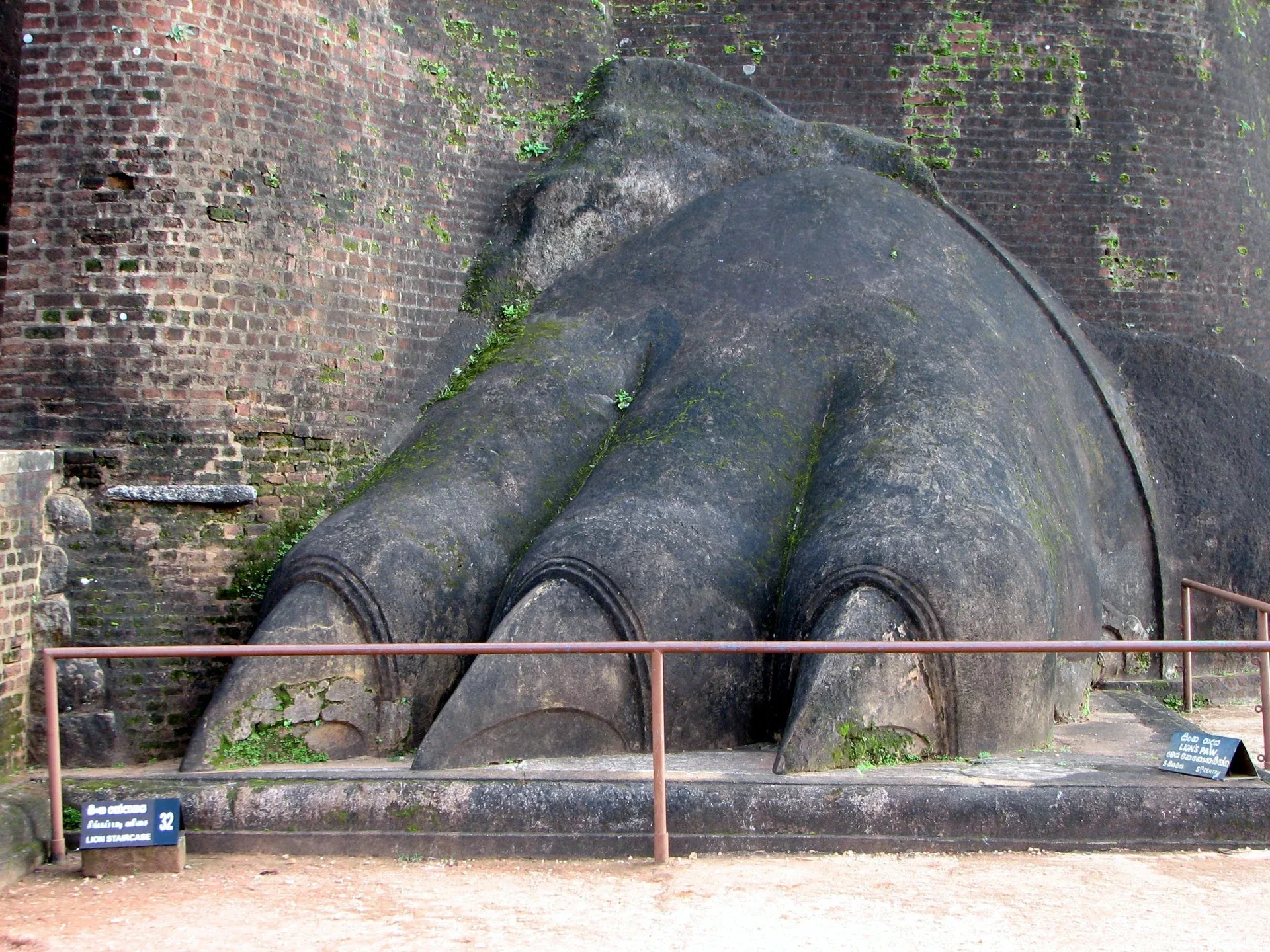
Spend the morning of Day 3 in Sigiriya. The site combines a monumental rock, the remains of a palace, gardens and hydraulic features. Its appeal can also be appreciated at the foot of the climb, in the layout of the grounds. Take time to look around before focusing all your attention on the ascent. An early start, recommended by the tourism authority, helps limit exposure to the heat.
The climb calls for water, sun protection and the ability to manage stairs comfortably. If there is a thunderstorm, heavy rain or a local restriction, postpone it. If someone in your group is uncomfortable with heights or steps, build the visit around the accessible areas and the museum, checking access on site. The museum covers the excavations, reproductions of the frescoes and features that help explain the site’s inscriptions.
Day 4 is set aside for Dambulla. The sanctuary’s five caves contain religious sculptures and paintings and are reached by stairs. Visiting early or late in the day is more comfortable than climbing during the hottest hours. Wear respectful clothing and allow time to explore the places of worship without rushing. The temple deserves its own time slot, separate from a photo stop at the foot of the rock.
The afternoon is left free. You can take a walk near the hotel, rest, or visit the site you had to postpone the previous day because of the weather. This flexibility makes the itinerary more robust. If Polonnaruwa is your historical priority, replace this plan with a day devoted to it and adjust the other visits. Visiting several major sites back to back leaves less time to understand them and means more travel in the heat.

Days 5 and 6 — Kandy
Day 5 marks the transition from the Cultural Triangle to the central highlands. Travel to Kandy, check in, then keep your end-of-day walk short. Staying by the lake or on the hillsides will mean different kinds of journeys. Check the slope and the actual walking access before choosing an address based only on its distance from the center.
The Temple of the Tooth is the main visit for Day 6. The shrine houses a relic of the Buddha and remains a busy place of devotion. Its location near the lake makes it easy to combine a visit with a walk around the city. The official website describes Kandy architecture and the temple’s decorations; also take time to observe the daily life of this place of worship.
Official guidelines provide for a security check at the entrance, shoe storage and modest, covering clothing. Shorts and sleeveless clothing are not permitted. Keep your bags to a minimum to make entry easier. The temple states that it is open daily from 5:30 a.m. to 8 p.m. and holds several ritual services, including one in the evening. Check these details before your visit and expect larger crowds during ceremonies. Access to the shrine does not mean the relic itself will be visible.
Leave the rest of the day for the lake, a relaxed meal and preparations for the journey up to the tea plantations. Religious visits are best spaced out: Dambulla and Kandy offer very different settings, but both call for time and attention. An evening without any additional travel also helps you prepare for a possible train journey on the following days.
Day 7 — The tea plantations of Nuwara Eliya
The drive to Nuwara Eliya introduces you to the highland landscape: tea plantations, hills, mist and cooler air. Devote this stop to the change in surroundings. Time spent on the road is part of the day, so choose one tea-related visit rather than a series of stops whose schedules might overlap.
For a factory visit, ask which parts of the process you will actually see on the day. Watching the leaves being processed, seeing equipment explained and having a tasting are different experiences. A visit that includes a shop can be worthwhile; before committing, ask how long the explanations last and what access involves. The fields are workplaces: stick to authorized paths and ask people’s permission before photographing them.
With only one night, it is important to prepare carefully for the next day. Nanu Oya is the station to look for on this leg of the journey; do not confuse it with the address of your hotel in Nuwara Eliya. Confirm the transfer between the two. If the train is not running or no suitable option is available, traveling by road to Ella preserves the overall direction of the loop.
This short stop is suitable for a first look at the plantations. To learn more about the history of tea or do more walking, add a night by taking time from elsewhere. If the children are tired of changing hotels, you can also skip this night and plan a more direct transfer to Ella, depending on the available transport.
Days 8 and 9 — The hills around Ella
Day 8 takes you to Ella, possibly by train from Nanu Oya. This leg gives the railway a place in your trip without devoting the entire journey from Kandy to it. Sri Lanka Railways has an official booking portal: search for your date, stations and preferred class. The presence of a station in the form does not confirm that trains are running after bad weather or that a seat is available.
Keep your arrival in Ella free of any prepaid activity scheduled soon afterward. A train delay or a slower transfer should not make you miss your next booking. Prepare a small, accessible bag with water, warm clothing and documents, and keep your belongings inside the carriage. Taking photos from an open doorway or walking on the tracks poses a real danger; use authorized locations, away from railway operations.
Day 9 allows time for a walk in the surrounding area, if the trails are passable. The tourism authority describes Ella as a base surrounded by hills, cloud forests and plantations. Choose your walk according to visibility, ground conditions and everyone’s abilities. In persistent rain, a short outing near your accommodation can replace a climb. Do not make the day depend on a single clear panorama.
For the afternoon, we have chosen a private cooking class near Ella, with instruction in English. The product listing provides for a three-hour session, a menu agreed with the host and a round-trip transfer from the hotel to be arranged. The activity gives you a chance to prepare Sri Lankan dishes and take the recipes home. It adds something hands-on to this second day, after several visits to monuments and landscapes.
The menu can be adapted, including for vegan or gluten-free preferences. Share your needs before booking and confirm the ingredients and preparation arrangements if anyone has an allergy. The host offers several types of dishes; you decide together what to make. We recommend this option to travelers who want to take part in preparing the meal and be able to recreate some of the techniques at home.

Viator
Private cooking class near Ella
To spend the afternoon cooking after a morning in the hills, agree on the menu and pickup arrangements with the host. The class is conducted in English.
- 3 hours
- 5/5 (117 reviews)
Workshop in English with a customized menu and round-trip hotel transfer to be arranged. Recipes provided; dietary requirements to be confirmed with the host.
Cancellation policy
For a full refund, cancel at least 24 hours before the scheduled departure date.
From $40.00
View activityDays 10 to 12 — Galle and the ocean
Day 10 is devoted to the journey down to the south coast. Go straight to your accommodation without adding a safari in the middle of the day. A wildlife excursion requires its own schedule, transport arrangements and time in the park; fitting one between Ella and Galle would significantly alter the itinerary. For this loop, the choice is to preserve three nights on the coast.
Galle is a good choice if you want to explore the ramparts and the fort’s streets early or late in the day. Unawatuna is better suited to a beach stay, with a trip to Galle to be arranged. One base is enough for these three nights. Choose based on what you want to do in the morning when you leave your accommodation, rather than changing hotels to cover two neighboring areas.
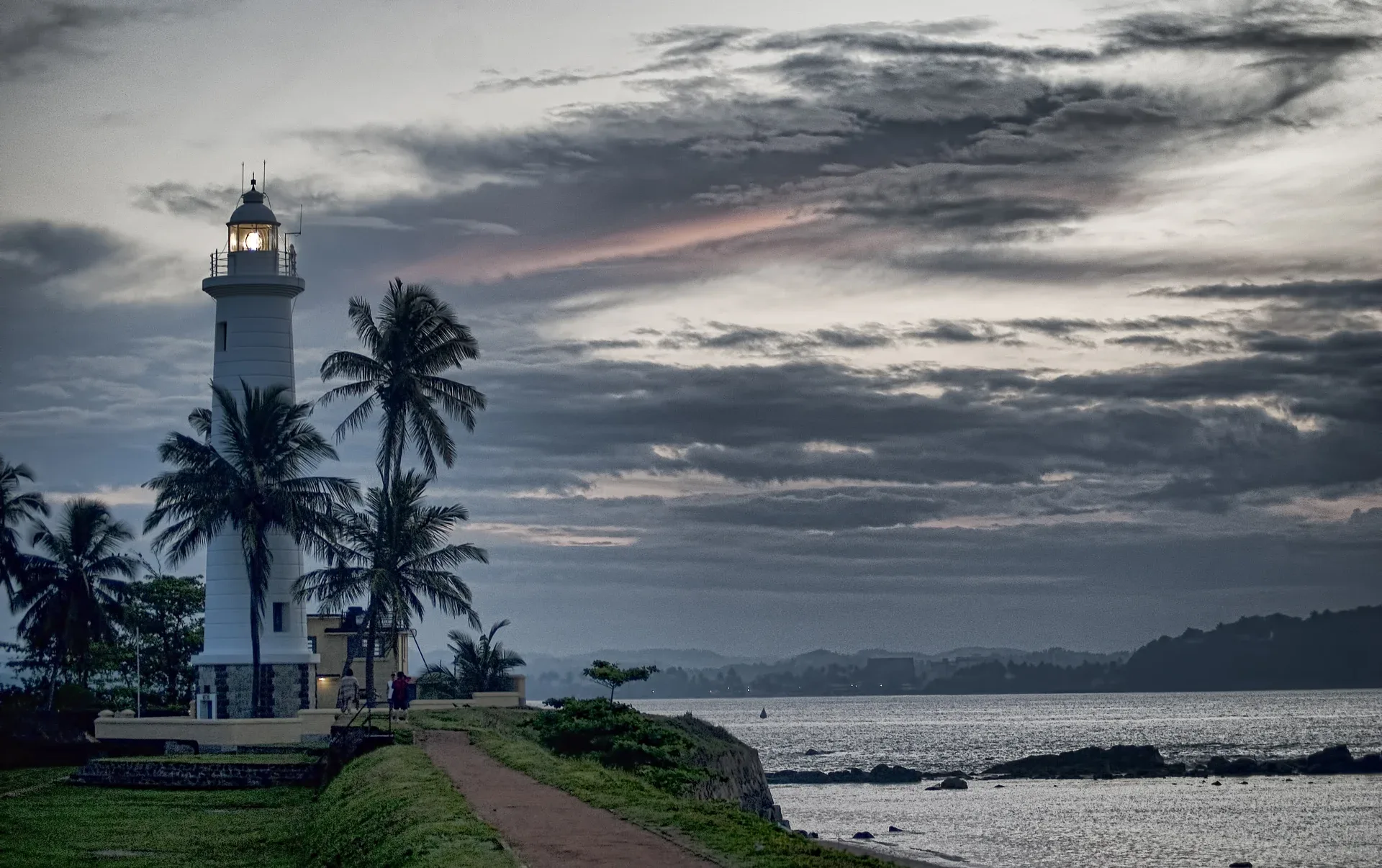
Day 11 is dedicated to the fort. Sri Lanka Tourism presents Galle as a former port and a city shaped by Dutch and British colonial presence. The walk takes in the ramparts, streets and buildings of the old town. The lighthouse provides a visual landmark by the ocean. Take time to explore the inner streets too, where you can better understand the relationship between the fortifications and the inhabited town.
A private tour in English with a heritage interpreter is our second recommendation. The selected product lasts about two hours to two hours and twenty minutes, with an on-site meeting point, a guide, and advertised admission to a private museum and a powder magazine. Hotel transfers are separate. Follow the meeting-point instructions in your confirmation, then leave time after the tour to have lunch and revisit the streets that interest you at your own pace.
Day 12 is deliberately left open: beach, a walk or a return to Galle, depending on sea conditions and what you feel like doing. A period that is usually favorable for the coast does not guarantee safe swimming. Follow local warnings, flags and instructions from lifeguards. After a weather alert, an apparently calmer sea is not enough to establish that conditions have improved.

Viator
Galle Fort with a heritage guide
To understand the fort with an English-speaking guide: meet at the designated location, then leave time after the two-hour to two-hour-and-twenty-minute tour to explore the streets at your own pace.
- 2 hr to 2 hr 20 min
- 5/5 (51 reviews)
Private walking tour in English, with an on-site meeting point; a private museum and powder magazine are advertised. Hotel transfer arranged separately.
Cancellation policy
For a full refund, cancel at least 24 hours before the scheduled departure date.
From $45.00
View activityDays 13 and 14 — The return
Head back toward the airport area on Day 13. This final night protects your international departure from a buildup of delays on the journey from the coast. It also avoids ending the trip with a long day where every leg has to go exactly to plan. Arrange the final transfer and check-in times with your accommodation.
Colombo can become a destination in its own right if the capital is one of your priorities. If so, remove a night elsewhere and set aside a proper amount of time for it. On the proposed loop, the final day is for returning and preparing for your flight. Any brief sightseeing depends on the time actually available, traffic conditions and your departure time.
On Day 14, follow your airline’s instructions for arriving at the airport. Keep your passport, travel documents and flight information accessible. If your flight is very early, arrange the transfer the day before; if you are leaving late, confirm baggage-storage arrangements and whether you can use your room.
Transport and budget
A mix of transport works well for this loop: road transfers between bases, walking and local trips during each stay, and then a rail leg if it is confirmed. To compare driver quotes, provide exactly the same itinerary, nights and requested stops. Ask whether fuel, tolls, parking, meals and the driver’s accommodation are included, and how an extra day would be charged.
Build the budget around thirteen nights first, rather than assuming a daily package covers everything. Add meals, transfers between bases, local transport, monument admission and any activities you choose. A shared room and a car for several people can be split; individual tickets and meals still depend on the number of travelers. Compare amounts in their original currency before converting them.
The prices and reviews for the two guided activities are listed on their cards. The rate depends on the product terms and the option selected; check the total for your group when booking. For monuments, consult the official ticket office or visitor center instead of relying on an outdated price from a travel story.
Keep a reserve available in case transport needs to be changed or a night moved. On a route crossing the central highlands, the weather can lead to costly rearrangements if every service is inflexible. Choose change terms that suit you for transition days, and keep a written record of what each booking includes.
Requirements and preparations
The official Sri Lankan portal states that French nationals are among the nationalities eligible for a free 30-day tourist ETA as of May 25, 2026. Applying in advance is still mandatory. Check the rules for your passport and entry date on the immigration portal; the announced fee waiver does not exempt you from applying.
For health, French travel advice draws particular attention to dengue and chikungunya. Plan mosquito protection and consult a health professional about your personal needs before departure. Suitable insurance should cover medical care and the consequences of a change of itinerary, depending on the coverage you select. Prepare any regular medication and treatments along with the relevant documentation.
Finally, register with Fil d’Ariane if applicable and review the travel advice before departure. If your trip is close to the alert period, confirm access directly with accommodation providers and transport operators. The loop remains coherent if you remove a stop that has become impracticable: bookings should allow you to make that decision without pushing you to enter an area under advisory.
FAQ
Is fourteen days enough for this itinerary?
Yes, if you have fourteen days on the ground and are comfortable with several transfer days. The proposal includes thirteen nights and three consecutive nights in the south. If you have only twelve days after allowing for flights, remove at least one stop, such as Nuwara Eliya, rather than reducing every stay to a single night. Sightseeing is easier to plan when several mornings start from the same accommodation.
When should you travel on this itinerary?
We favor January to March for a loop that ends on the southwest coast. Sri Lanka Tourism’s seasonal guidance indicates November to March for this coastline, while the central highlands can remain rainy. For an imminent departure, alerts and local forecasts take precedence over the usual season. A summer route to the east coast requires a different geographic plan.
Should you book a driver for two weeks?
You can book only the major transfers and arrange local transport and the train separately. Having a driver for several days offers practical continuity, which you can assess using a detailed quote. Confirm the itinerary, included costs, stops and terms in case of changes. The right choice also depends on the number of travelers and how comfortable you are with connections.
Is the Kandy-to-Ella train essential?
The rail leg proposed here runs from Nanu Oya to Ella, after a night in Nuwara Eliya. It sets aside less time for rail travel on an already busy trip. Check services and seat availability with Sri Lanka Railways for your date, then confirm transfers to the stations. If the service is interrupted or no suitable option is available, the road journey preserves the rest of the trip.
Can you add a safari?
Yes, by replacing a stop or extending your stay. This loop sets aside Day 10 for the transfer to Galle and does not include a park visit. To add a safari, first choose a park based on the season and your interests, then plan the transport, excursion and, if necessary, a nearby overnight stay. Wildlife sightings can never be guaranteed.
Do French nationals need to apply for an ETA?
Yes. The official notice effective May 25, 2026, announces a free 30-day tourist ETA for French nationals, but still requires it to be obtained before arrival. Use the official portal and check the rules in force on your travel date. The nationality of the passport you use determines the applicable requirements; do not generalize this measure to all French-speaking travelers.
Is this itinerary suitable for children?
It can work with adjustments to the climbs, length of visits, and travel. Sigiriya and Dambulla have stairs; the central highlands add road travel and a change in climate. If the children struggle with transfers, remove one base and add nights elsewhere. Have the vehicle’s safety equipment and the activities’ age-specific arrangements confirmed.
Sources and checks
Plan your visits and check current conditions.
- Sri Lanka: travel advice
France Diplomatie · Accessed November 1, 2026
What this source supports
Advice updated on October 27, 2026: Cyclone Arnab; exercise caution in the Central Province and coastal areas. Protect yourself against dengue and chikungunya. Review before departure and before publication.
- Sri Lanka’s beaches and seasons
Sri Lanka Tourism · Accessed November 1, 2026
What this source supports
Alternating monsoons; November–March is a general guide for the southwest. Odyvero recommends January–March, with no guarantee of good weather.
- Sigiriya: site, gardens and museum
Sri Lanka Tourism · Accessed November 1, 2026
What this source supports
Rock, palace ruins, gardens, reservoirs and museum; visit in the morning, bring water and sun protection. Prices and outdated bus schedules are omitted.
- The Dambulla Cave Temple
Sri Lanka Tourism · Accessed November 1, 2026
What this source supports
Five caves with religious paintings and sculptures; access via steps. Price omitted.
- Temple of the Tooth: overview
Sri Dalada Maligawa · Accessed November 1, 2026
What this source supports
Shrine of the Buddha’s relic in Kandy, with Kandyan architecture and a location near the lake.
- Temple of the Tooth: rules and opening hours
Sri Dalada Maligawa · Accessed November 1, 2026
What this source supports
Security checks; shoes must be left at the entrance; shorts and sleeveless clothing are not allowed. Opening hours listed as 5:30 a.m.–8 p.m., with daily services including one in the evening. Confirm when visiting.
- The landscapes of the hill country
Sri Lanka Tourism · Accessed November 1, 2026
What this source supports
Tea plantations, hills, waterfalls, cool weather and mist. The stays suggested in the article are editorial recommendations.
- Ella and its surroundings
Sri Lanka Tourism · Accessed November 1, 2026
What this source supports
Hills, plantations and cloud forests; cooler weather than the plains, rail connections and possible rain in December.
- Rail seat reservations
Sri Lanka Railways · Accessed November 1, 2026
What this source supports
Official portal with searches by station and date, including Nanu Oya and Ella. No train on a specific date or available seat has been verified; service must be confirmed after severe weather.
- Official notice on tourist ETAs
Department of Immigration and Emigration, Sri Lanka · Accessed November 1, 2026
What this source supports
Notice in effect since May 25, 2026: a free 30-day tourist ETA for 40 nationalities, including France; advance application is still required. Check based on your passport and travel date.
- Sri Lanka’s heritage
Sri Lanka Tourism · Accessed November 1, 2026
What this source supports
Galle as a former port and fort associated with the Dutch and British periods; context for the Cultural Triangle sites.
- Private cooking class in Ella
Viator · Accessed November 1, 2026
What this source supports
Product listing actually reviewed via the Partner API: active, private class, structured duration of 180 minutes, English, menu to be agreed and round-trip hotel transfer listed. Confirm allergies with the host.
- Galle Fort heritage walk
Viator · Accessed November 1, 2026
What this source supports
Product listing actually reviewed via the Partner API: active, private tour in English, 120–140 minutes, meeting point on site; guide, private museum and powder magazine listed; private transport excluded.
Viator — activity pages
Information about the offers featured in this article.Affiliate links: Odyvero may earn a commission when you book through this article’s buttons.
- Viator : Private cooking class near Ella
Accessed November 1, 2026
- Viator : Galle Fort with a heritage guide
Accessed November 1, 2026


