 odyvero

Spending the night at Cabane des Vignettes, crossing the Ötztal glaciers, or leaving your bag at the same Silvretta hut for two nights all require different preparations. To choose your hut-to-hut ski traverse, compare the actual itinerary, technical sections, and options for adapting the plan. Here are four routes and the questions to settle before booking.
Four traverses, four different setups
The hut shapes a large part of the trip: its location determines the next day’s pass, departure time, and options for descending into a valley. On a glacier traverse, beautiful summits matter just as much as the group’s ability to reach its next overnight stop with enough margin. An extra stage can ease a long crossing; a day at the same hut can give you the flexibility to choose a route suited to the conditions.
For a first guided Alpine hut-to-hut trip, we would favor a Silvretta itinerary with several nights at the same location, provided you already have ski-touring experience. The Haute Route Chamonix–Zermatt is better suited to those who want to travel between two valleys via a series of high-altitude passes. The Ötztal appeals to skiers drawn to glaciated summits and a week of ski mountaineering. Hoch Tirol requires particularly strong endurance, with long stages and road transfers to arrange.
All these choices assume prior experience. This comparison covers specific itineraries whose variants change the effort and logistics. The names “Haute Route” or “Silvretta traverse” are therefore not enough to book: ask for the exact stages and overnight stops for the trip you are considering.
Silvretta and its huts
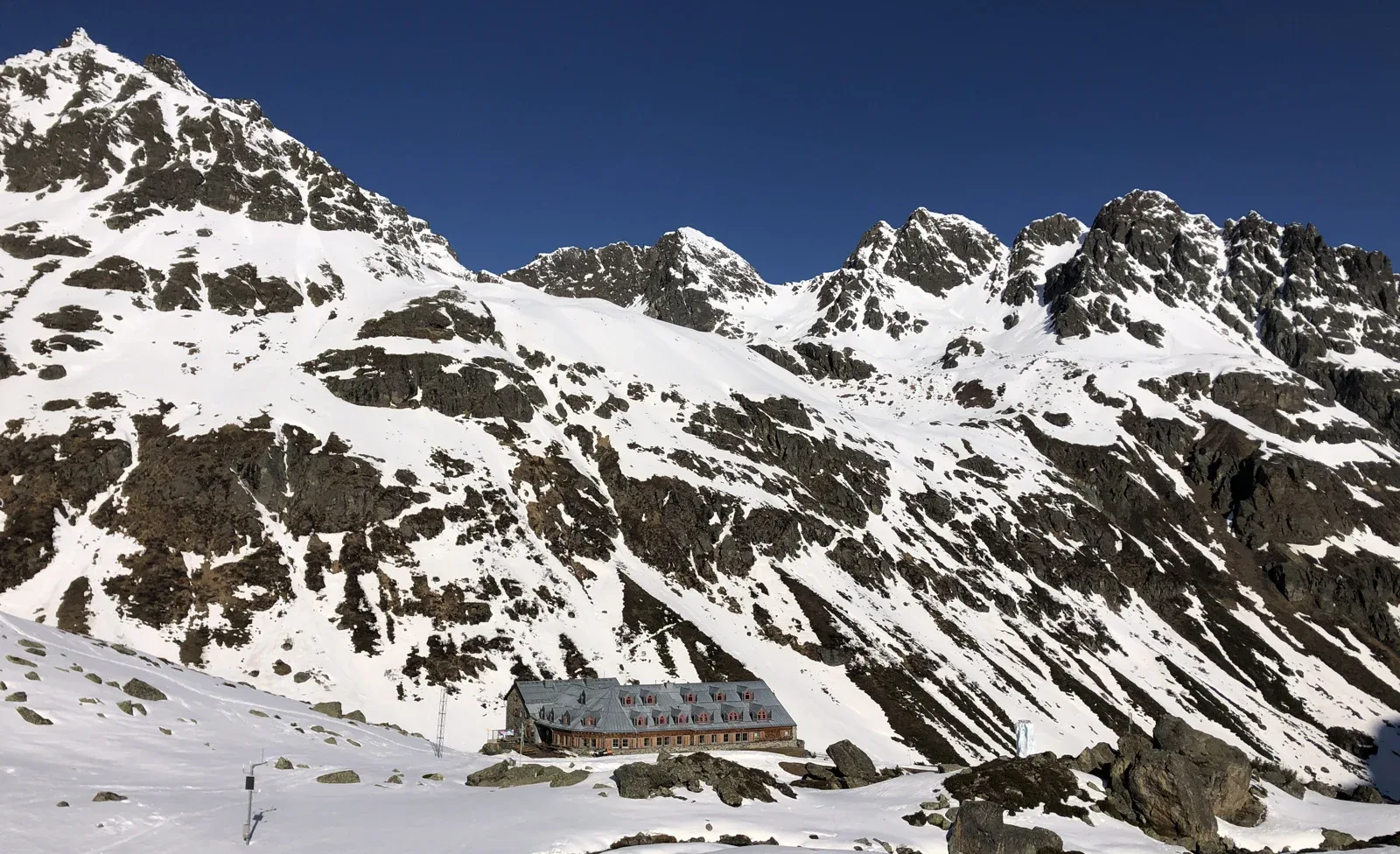
In the Silvretta, between Austria and Switzerland, the hut network makes it possible to combine traverses with out-and-back tours. The International Alpine Guides itinerary we reviewed uses the Ischgl lifts to reach the Heidelberger Hütte area, on the Swiss side. It then goes on to the Jamtalhütte and Wiesbadener Hütte, before descending to Galtür and returning to Landeck.
Its setup has a practical advantage: two days pass without changing huts. The group can leave some of its belongings at the hut and choose a goal from that base. This flexibility suits a group new to hut-to-hut travel, as well as experienced skiers who want to spend more time on descents. The day’s objectives remain subject to the guide’s assessment; a summit named in a brochure is no guarantee it will be climbed.
The operator describes a seven-day trip, with one arrival day and six days of skiing. It lists a departure from 1 to 7 March 2027. Those dates apply to that particular trip, with its guides and reservations; they do not set a general opening week for the mountain range. The required level remains that of advanced skiers with previous ski-touring experience and very good physical fitness.
We would especially choose this format for a group that wants to experience hut life without having to change huts every evening. Still, check the glacier crossings, required skills, and alternative routes in the itinerary you choose. A large dining room or showers at some establishments say nothing about the difficulty of the terrain between huts.

The Haute Route via Verbier
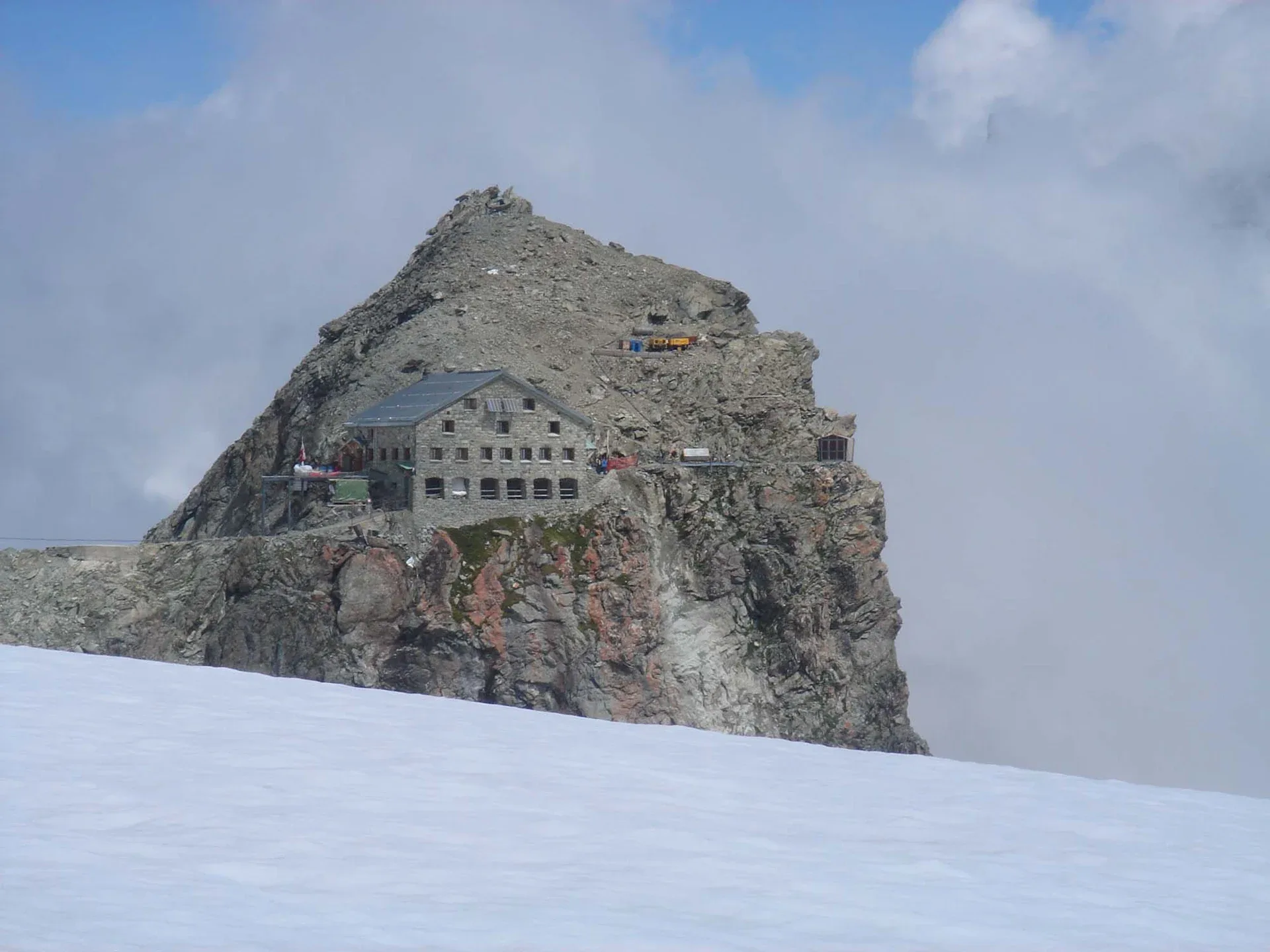
The Haute Route connects Chamonix to Zermatt via several variants. In the Compagnie des Guides de Chamonix’s seven-day itinerary, the first section passes through the Argentière basin and reaches Champex. A road transfer then takes you to Verbier, whose lifts provide access to the next part of the route toward the Prafleuri, Dix, and Vignettes huts.
This connection matters for the trip: you do cross high mountain terrain, with an organized transfer between two areas. It should appear in the itinerary and among the included services. The days are not simply a matter of following a valley; they may combine skins, descents, crampons, and sections requiring sustained focus. The Compagnie specifically requires proficiency with kick turns and off-piste skiing in all snow conditions.
The route over Pigne d’Arolla, at 3,796 metres, accounts for some of the high-altitude demands. The itinerary lists up to 1,100 metres of ascent and seven to eight hours of exertion in a single day. These figures describe this particular option; consider them in light of your recent experience: completing one long day successfully does not tell you how you will recover after several nights in a dormitory.
The seven-day version adds an overnight stay at Bertol before Zermatt, while a shorter option is also available. Access to the Bertol hut includes metal ladders. This extra night changes the balance of the final stages, while adding another round of handling your pack and equipment. Ask the guide which option suits the group instead of choosing solely by the shortest duration.
Finally, arrival in Zermatt requires a proper return plan. The transfer back to Chamonix is listed separately in the information we reviewed. An extra night in the valley can make the end of the trip more comfortable; above all, leave enough time before a train or flight that would be costly to miss.
The Ötztal glaciers
The Ötztal offers several tours that look similar on a tour operator’s map. Bergführerstelle Vent distinguishes, in particular, a five-and-a-half-day Venter Rundtour from a classic seven-day crossing. To compare two quotes, use the full name, the mountain huts, and the starting and finishing points.
The classic crossing described by this office starts in Obergurgl and finishes in Vent. It includes Langtalereck, Martin-Busch, Similaun, Schöne Aussicht, and Hochjoch Hospiz. The stated objectives include several glaciated peaks, up to the Wildspitze. The itinerary therefore gives considerable importance to ascents, and the organizer explicitly requires prior alpine experience.
This route seems suited to skiers already accustomed to full days in the mountains who are looking for a hut-to-hut progression punctuated by summits. The choice should be made with the guide, based on the group’s ability and the conditions. For each objective, ask whether the summit is reached on skis, by leaving skis behind, or with a final section on foot: these distinctions affect exposure, pace, and the equipment required.
The page consulted lists the following weeks for 2027: March 7–13, March 21–27, April 4–10, and April 18–24. These dates confirm that a commercial program is planned for the following season; availability and whether the summits will be reached remain to be confirmed. The guiding language should also be agreed before booking. A website available in English is not enough to conclude that every group departure is conducted in that language.
The long Hoch Tirol crossing
The Hoch Tirol starts in Kasern, also called Casere, in Italy’s South Tyrol, and reaches the Kals area in Austria. Osttirol Tourismus presents it as a six-stage route, with a map listing 92 kilometers and 9,230 meters of ascent. This cumulative effort sets it apart from the other options, even before considering the technical difficulties.
The route first crosses the Venediger group, then continues toward the Glockner. The listed accommodations include Essener-Rostocker Hütte, Johannishütte, Matreier Tauernhaus, Rudolfshütte, and Stüdlhütte. The itinerary combines nights in the mountains, valley sections, and taxi transfers. Good preparation therefore includes road transfer arrangements and intermediate bookings, in addition to the ski itinerary.
The tourism organization specifies that no baggage transport is available along the route. Consider the load you will carry over several days and what you can realistically leave in the valley. The final ascent toward the Großglockner involves mountaineering; the official source expressly requires climbing skills. Excellent uphill endurance does not replace this technical ability.
We would reserve this project for an experienced group, prepared for several demanding days and accompanied by a guide familiar with the route. The final ascent, alternatives, and exit options should be discussed from the first conversation. No 2027 departure dates are inferred here from the tourism office’s standing description.
Season and bookings
March and April are an initial window for looking into these alpine programs, as shown by the advertised departures in Silvretta and the Ötztal. The final choice nevertheless depends on hut staffing, snow cover, glaciers, and snow conditions. Accommodation that is open in summer is not necessarily staffed during your ski week.
When booking with a guide or agency, have the complete sequence of overnight stays confirmed before locking in transport that is difficult to change. If organizing independently, contact each hut with the exact dates, group size, and dietary requirements. Ask about dinner and breakfast times, cancellation terms, and payment arrangements. An accessible winter room does not provide the same services as a staffed hut offering half-board.
Bookings may open long before the conditions on the ground are known. Your planning should therefore include two timelines: financial commitments and a reassessment of the route as departure approaches. Check what the contract provides if the crossing changes, a summit is abandoned, or the group has to descend. Keep the accommodation contact details and confirmations available offline.
Ability level and guiding
The best starting point for a discussion with a guide is a detailed account of your recent outings: elevation gain, duration, pack weight, snow types, and difficulties encountered. Also mention your confidence with conversions, sections completed with crampons, and glacier experience. This information helps select a suitable program and group.
On these tours, the descent deserves as much attention as the ascent. You need to be able to ski with a pack after several hours of effort, including in snow that differs from what you encountered at the start. Plan consecutive training days using your actual equipment. They will help you test your boots, transitions, and recovery, then adjust the project with your guide.
For a first glacier crossing, we recommend a qualified mountain guide and preparation in rescue techniques suited to the terrain. An avalanche transceiver, shovel, and probe must be accompanied by training. Rope-team travel and crevasse-rescue techniques also require practical instruction. A preparation article does not provide the training needed to put them into practice.
Before and during the trip, check regional bulletins and the weather with your guide. The SLF directs users to White Risk for Switzerland; Avalanche.report provides access to regional information for Tyrol, South Tyrol, and Trentino. Conditions should be reassessed at every stage. A previous group’s track or a hut reservation does not determine whether a section is safe.
Your pack and hut life
The equipment list should be based on the chosen program. In addition to skis, boots, skins, and compatible ski crampons, some stages require mountaineering crampons, an ice axe, a harness, and glacier equipment. Have the compatibility of your crampons with your boots checked, and inspect your skins before departure. Set up a way to carry your skis for sections on foot; a system you have never tried becomes frustrating when gloves and wind make handling more difficult.
For clothing, plan layers suited to climbing, stops, and descents, with spare gloves and wind protection. Goggles, a mask, sun protection, and a headlamp belong on the equipment list provided by your guide. Decide what is worth carrying item by item: the amount of water, daytime food, and group equipment should match the actual route.
A sleeping-bag liner is commonly required in huts; Compagnie des Guides lists it as mandatory in its program. Check what is provided, as well as access to water and electrical charging. Prepare your belongings in the evening to avoid waking the dormitory and to leave enough time for departure. Earplugs may help, but repeated poor sleep should also be factored into your assessment of fatigue.
Dietary requirements should be stated when booking and reconfirmed with the accommodation. Bring daytime food that suits your habits and any restrictions. Do not count on being able to buy supplies on the spur of the moment between huts, or on having a shower every day.
Access and budget
Compare the full cost of the trip based on the quote: guiding, overnight stays, half-board, lifts, transfers, and equipment rental. Add packed lunches, drinks, insurance, and travel to the meeting point. For the Haute Route consulted, personal technical equipment and the return from Zermatt to Chamonix need to be handled separately; another package may include different items.
The per-person price also depends on the number of participants. Ask for the minimum number required to confirm the departure, the maximum group size, and the consequences of a cancellation. For a private quote, clarify what changes if the group ends up with one fewer person. These questions are more useful than comparing two advertised prices that do not include the same services.
For insurance, check that ski touring, high-altitude mountaineering, search and rescue, and repatriation are explicitly covered. Any cover linked to a bank card should be checked against its actual terms. Keep the documents accessible offline and give someone close to you the planned itinerary and the guide’s contact details.
For routes between two valleys, also consider what to do with a vehicle left at the starting point. Public transport and organized transfers can simplify the return. On the Hoch Tirol, intermediate taxi transfers are part of the trip plan; logistics will differ on a tour that returns near its access point. Have these connections confirmed before booking a rental car.
Connectivity in the valleys
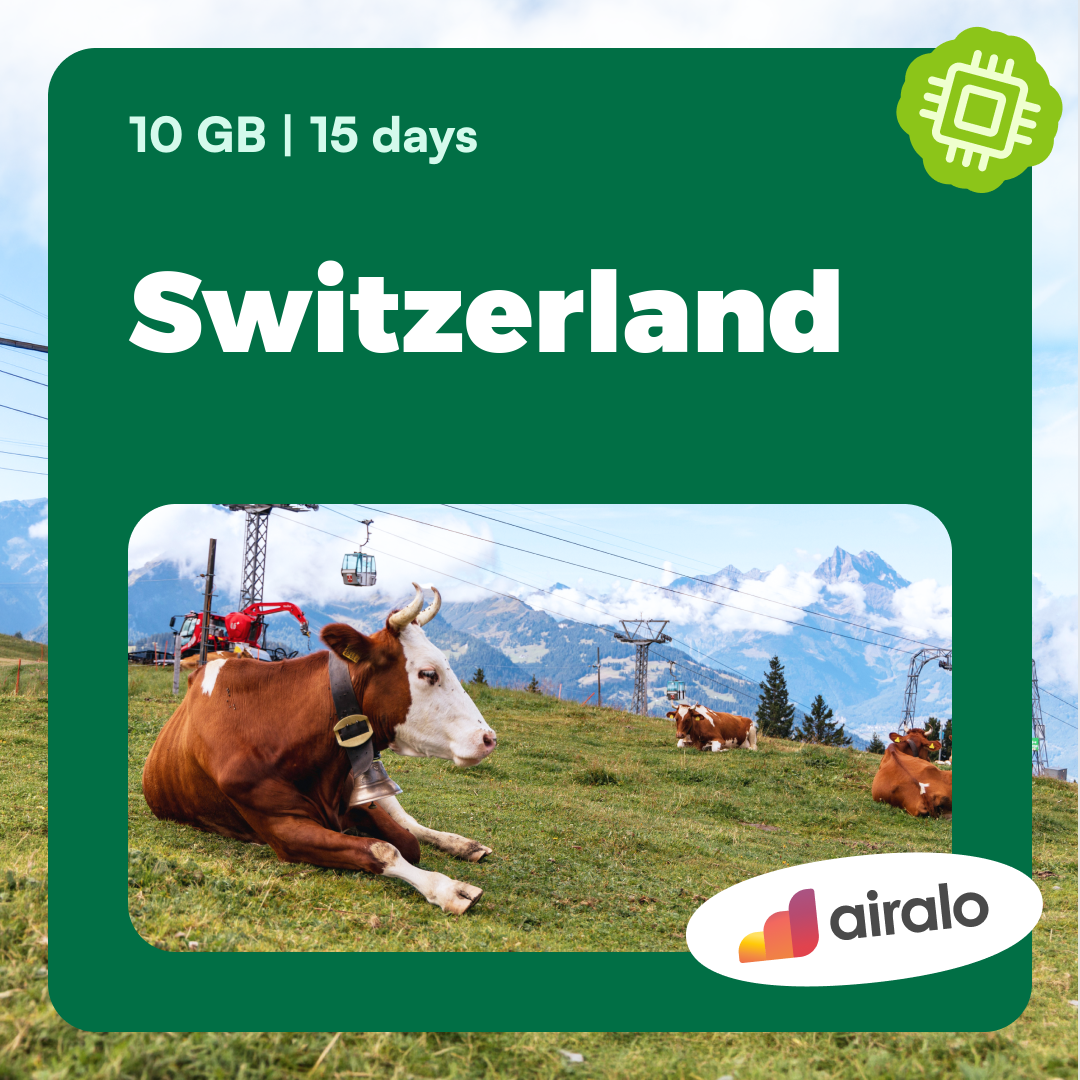
For the Swiss section, first check whether your usual plan includes mobile data in Switzerland. If you need to buy an additional connection, the Airalo Switzerland plan featured here can be used for transfers, messages with the organizer, and checking information in areas with coverage. It offers 10 GB for fifteen days on an eSIM-compatible, unlocked device.
This offer applies to Switzerland; the French or Austrian stages require their own coverage. Download your trip documents before heading up. Network coverage and recharging remain variable at altitude, and an eSIM does not replace the communication and emergency equipment agreed upon with the guide.
Airalo
10 GB Switzerland travel eSIM valid for 15 days
For the Swiss stages, if your plan does not include Switzerland: check that your phone is eSIM-compatible and keep the raid documents available offline. Glacier coverage is not guaranteed.
Mobile data in Switzerland for checking connections and contacting your guide from the valleys: 10 GB for 15 days. An eSIM-compatible, unlocked phone is required; coverage at altitude is not guaranteed.
From $22.00
BookAn arrival in Chamonix
If you choose the Haute Route, arriving early gives you time to collect your rental equipment, complete the checks, and attend the briefing without rushing. A cultural walk can fit in after these preparations. The selected Viator option takes you through central Chamonix, sharing stories about the valley and offering a tasting of a local drink; the tour is available in French and lasts one to two hours.
This is an optional way to discover the starting point, particularly for a companion who is not taking part in the raid. It is booked separately from the mountain guiding and does not provide any technical preparation for glacier skiing. Choose a time slot that fits your meeting time and the final equipment errands.

Viator
Chamonix: cultural walk and local tasting
To explore central Chamonix in French if you arrive early, after collecting your equipment and without encroaching on the raid briefing. This walk is booked separately from the ski guiding.
- 60–120 min
- 5/5 (5 reviews)
Shared cultural tour of the town center, one to two hours, up to ten adults, French available. Local drink tasting included; baths and meals booked separately. Winter 2026 option subject to availability.
Cancellation policy
For a full refund, cancel at least 24 hours before the scheduled departure date.
From €50.00
View activityFAQ
Which raid should you choose for your first hut-to-hut ski trip?
A Silvretta itinerary with several nights in the same hut offers an appealing way to experience guided ski touring. However, you should already be able to ski off-piste and have hiking experience. Share details of your recent outings with the guide: they can confirm whether this option is suitable or suggest preparatory days in a valley first.
Can you do the Haute Route without a guide?
An independent team must have the ski mountaineering, avalanche decision-making, navigation, and glacier rescue skills appropriate to the planned variant. For a first glacier crossing, we recommend going with a qualified high-mountain guide. Booking huts and following a downloaded track do not constitute this preparation.
How many days should you allow?
The programs mentioned include six stages for the Hoch Tirol and seven days for the Haute Route via Bertol or the classic Ötztal crossing. The Silvretta trip reviewed here lasts seven days, including arrival. Allow extra time for travel and a buffer after the mountain section; always check whether the stated duration includes the valley meeting.
March or April: which period should you choose?
The programs reviewed list departures in both months. The right week depends on the route, hut availability, and snow conditions. Confirm your dates with the organizer and remain flexible. Booking in April does not guarantee transformed snow, clear skies, or that all summits can be reached.
Can your luggage be transported instead of carried?
That depends entirely on the logistics included in the offer. Osttirol Tourismus states that luggage transport is not provided on the Hoch Tirol. For other raids, ask where you can leave your valley belongings and what will actually accompany you between huts. Find out how heavy your pack will be and test carrying it before departure.
What budget should you allow for a guided raid?
Request a quote for your specific week and group size, then add up the excluded costs. Half-board may be included while drinks, packed lunches, rental equipment, and the return to the valley remain payable separately. Also check cancellation fees and the minimum group size; a single price without these details would not be very useful.
Do you need to book every hut?
Yes, confirm all overnight stays required by the itinerary, either directly or through the organizer responsible for the trip. Report any dietary requirements and check payment and cancellation terms. A place in one hut does not guarantee places in the next; assess a winter room based on its facilities and your self-sufficiency.
Can an eSIM keep you reachable on glaciers?
Coverage depends on the network, the terrain, and your location. A travel eSIM provides access to the networks included in the plan in areas with coverage. It can be useful in valleys, but does not guarantee communication on glaciers. Prepare your documents for offline access and agree with the guide on suitable communication methods.
Sources and checks
Plan your visits and check current conditions.
- Haute Route Chamonix–Zermatt in seven days
Compagnie des Guides de Chamonix · Accessed November 1, 2026
What this source supports
Route via Verbier, overnight at Cabane Bertol, Pigne d’Arolla at 3,796 m, prerequisites, up to 1,100 m of ascent and 7–8 hours, equipment, insurance, and separate return journey.
- Silvretta Ski Tour: itinerary and 2027 departure
International Alpine Guides · Accessed November 1, 2026
What this source supports
Seven days, including arrival, six days of skiing, and three huts; two days without changing huts. Departure listed for 1–7 March 2027; advanced skiers.
- Classic Ötztal traverse
Bergführerstelle Vent · Accessed November 1, 2026
What this source supports
Seven days from Obergurgl to Vent, Alpine experience required, huts and summits listed; departures 7–13 and 21–27 March, and 4–10 and 18–24 April 2027.
- Hoch Tirol: stages and logistics
Osttirol Tourismus · Accessed November 1, 2026
What this source supports
Six stages from Kasern to Kals/Lucknerhaus; route map lists 92 km and 9,230 m of ascent; intermediate taxi transfers, no luggage transfer, and final climbing skills required.
- Avalanche bulletin and snow conditions
SLF · Accessed November 1, 2026
What this source supports
White Risk and Swiss bulletins; no bulletin during the off-season does not mean there is no danger. No forecast for the next season has been extrapolated.
- Mountain safety and equipment
Österreichischer Alpenverein · Accessed November 1, 2026
What this source supports
Recommendations and preparation for ski touring and high-altitude ski touring, planning guides, and training.
- Regional avalanche bulletins
Avalanche.report · Accessed November 1, 2026
What this source supports
Regional Tyrol/South Tyrol/Trentino portal; app available. No current or future danger level is asserted.
- Switzerland eSIM plan, 10 GB for 15 days
Airalo · Accessed November 1, 2026
What this source supports
Plan and network rechecked on the official page; price/currency from the central catalogue retained, with no guarantee of coverage on glaciers. Odyvero affiliate offer with SubID 39683_fr_connexion.
- Chamonix cultural walk — product 5562050P7
Viator Partner API · Accessed November 1, 2026
What this source supports
Active product, duration 60–120 minutes, French offered, group of up to ten, and local drink tasting. Exact product and affiliate link checked; a booking may earn Odyvero a commission.
Booking partners
Information about the offers featured in this article.Affiliate links: Odyvero may earn a commission when you book through this article’s buttons.
- Viator : Chamonix: cultural walk and local tasting
Accessed November 1, 2026
- Airalo : 10 GB Switzerland travel eSIM valid for 15 days
Accessed November 1, 2026


