 odyvero
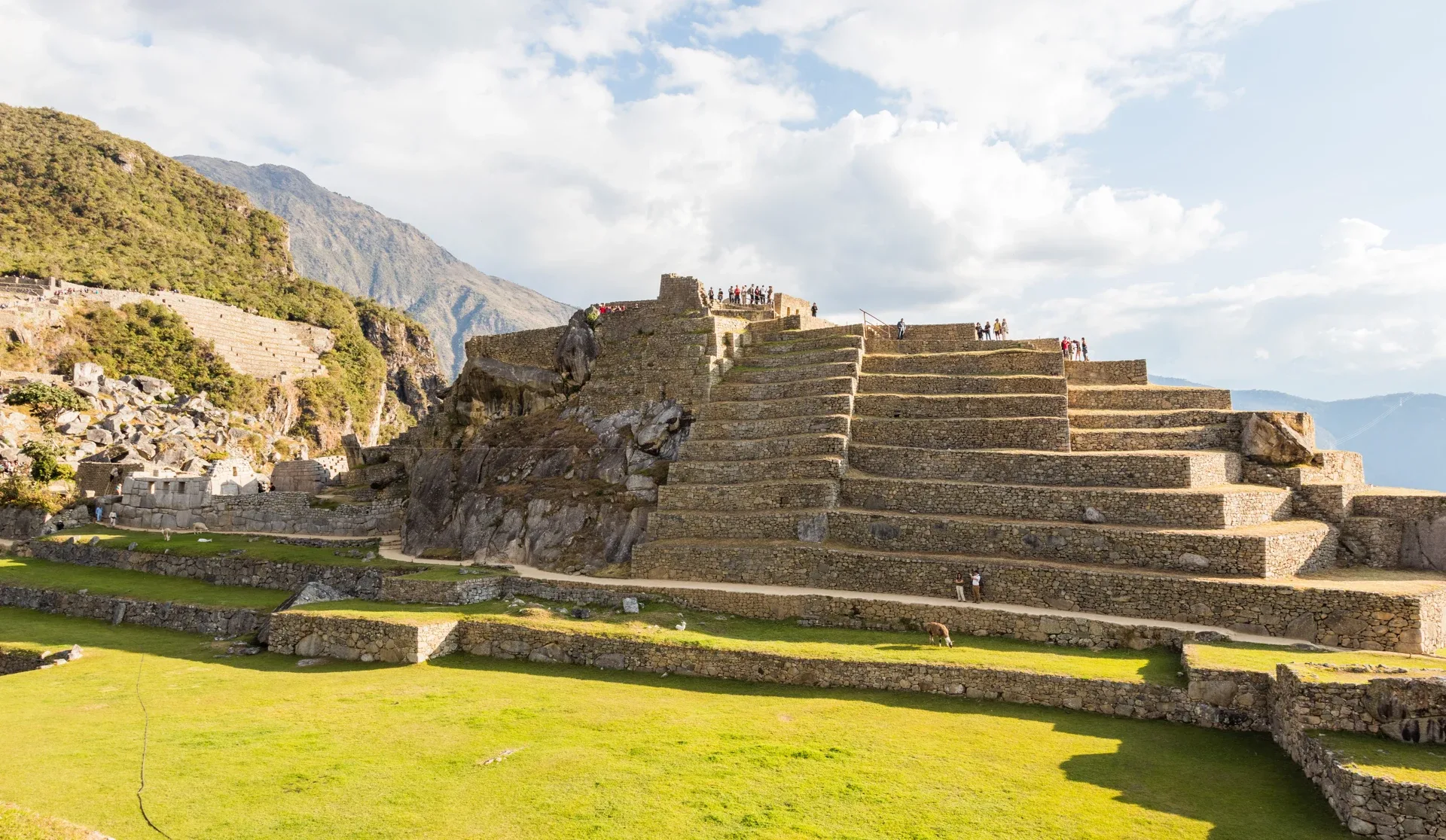
For a first fourteen-day trip to Peru, focus your stay on Lima and the Andean corridor connecting the Sacred Valley, Machu Picchu and Cusco. This itinerary includes a night at the foot of the monument, several days in villages and at Inca sites, then an early return to the capital. Here’s how to arrange your nights, coordinate your tickets and enjoy each stop without adding long journeys across the country.
The itinerary over thirteen nights
The fourteen days below begin when you arrive in Lima and end when you leave Peru. Add the international flight days if they fall outside this timeframe. The key choice is to stay in the valley before the four nights in Cusco, then return to Lima two nights before departure. Visits remain flexible; accommodation changes structure the trip.
- Days 1 and 2: Lima, two nights for arrival, the historic center and the coastal neighborhoods.
- Days 3 to 5: fly to Cusco, then transfer to Urubamba, for three nights in the Sacred Valley.
- Day 6: Ollantaytambo, one night to visit the village and its archaeological site.
- Day 7: train to Machu Picchu Pueblo, one night before the visit.
- Days 8 to 11: Machu Picchu on the first day, then four nights in Cusco.
- Days 12 and 13: return to Lima for two nights before departure on day 14.
The valley is a convenient base for visits, but the roads also cross high-altitude areas. This arrangement does not guarantee acclimatization. After the flight, day 3 is set aside for the transfer and rest, with no archaeological tour added along the way. If you have difficulty with altitude, the following days should be adjusted, even if tickets have already been purchased.
Lima, days 1 and 2
When you arrive, stay in one neighborhood for both nights. Miraflores is suited to walks along the Pacific cliffs and an initial exploration on foot around your hotel. Barranco is a better fit for travelers who want to spend time at galleries, on residential streets and in cafés. In either case, transport booked with an identified provider makes the trip from the airport easier.
On day 2, you can combine the historic center in the morning with an afternoon in the neighborhood where you’re staying. Around Plaza Mayor, the façades, balconies and religious buildings offer an introduction to the colonial city. Choose an interior visit based on that day’s opening hours, then plan to head back before nightfall: France Diplomatie advises against visiting the historic center after dark. Traffic makes journey times unpredictable; avoid booking two activities in distant locations an hour apart.
Cuisine already deserves a place at the start of your trip. For lunch, a cevichería is a chance to try fish marinated in citrus; a criolla restaurant offers other preparations, depending on its menu. You can save Chinese-influenced chifas or Nikkei cuisine for your return. Book directly with restaurants you particularly want to visit, and mention any allergies. Choosing just one restaurant each day leaves enough flexibility for sightseeing and recovering from the flight.
Urubamba, days 3 and 4
On day 3, fly to Cusco, then continue to your accommodation in Urubamba with a pre-arranged transfer. PromPerú lists the flight from Lima as taking about an hour and fifteen minutes; in practice, set aside the day for travel, including airports, luggage, and the road journey. Arriving during daylight makes settling in easier. A driver can take you there without tourist stops: the road views do not mean you have to turn your first day in the Andes into an excursion.
Three nights in Urubamba mean you do not have to repack every morning. Check the hotel’s exact location: a property outside town may require a vehicle for every meal or outing. Staying near the town center makes everyday travel easier; a garden or quiet outdoor space may also matter if you are traveling with others. Ask about dining options before a late arrival, and arrange your next transfer as soon as you settle in.
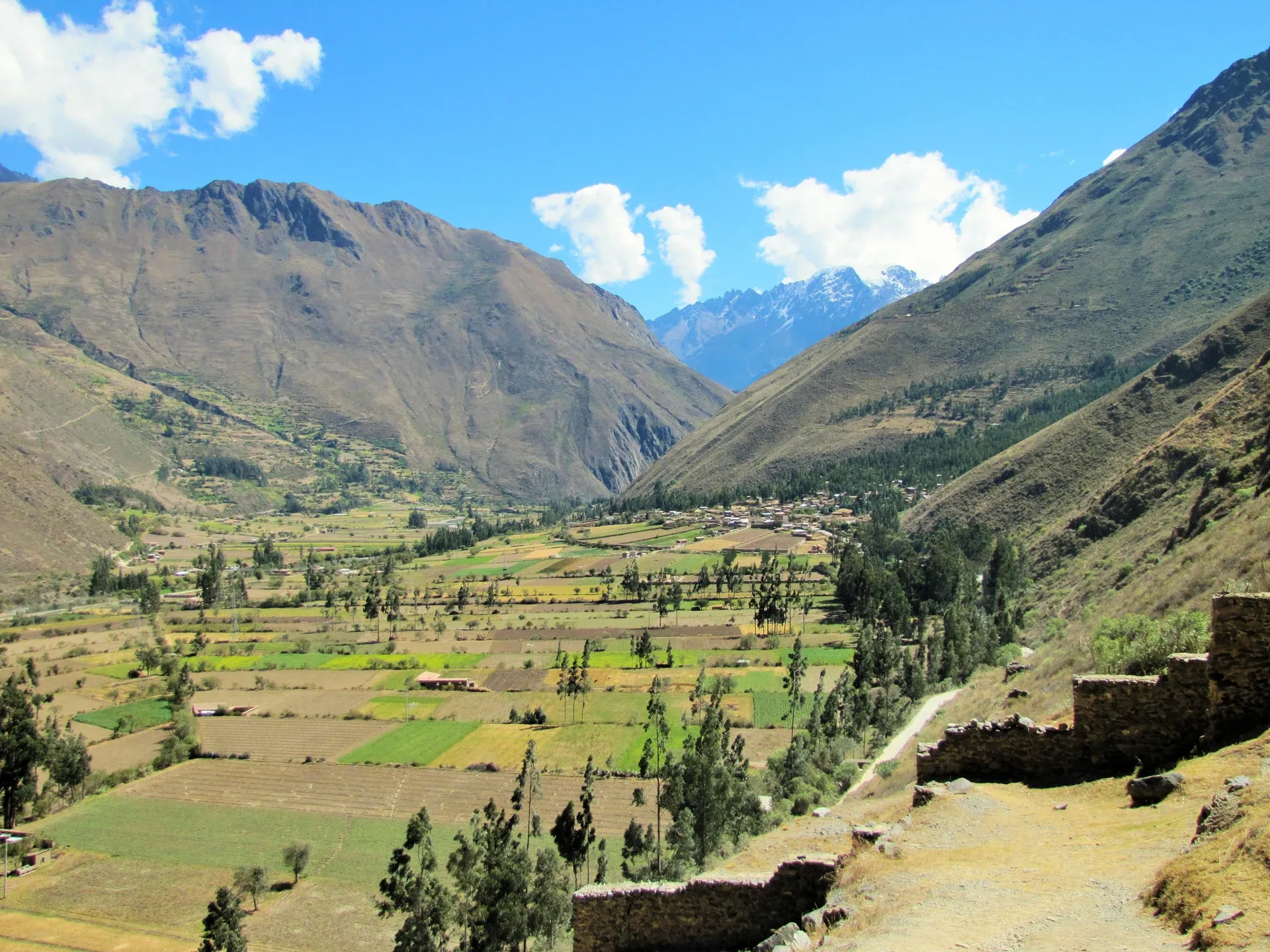
Day 4 is deliberately kept light. A short walk around town, lunch, and some time to rest are enough after the change in altitude. The fields and villages are part of the valley’s landscape, just like the ruins. You can extend your outings if you feel well, without trying to catch up on every visit straight away. Headaches, nausea, or unusual shortness of breath are reasons to reconsider the plan and, depending on the symptoms, seek medical advice.
The Sacred Valley sites
Day 5 offers a first chance to visit the sites, if you are feeling up to it. Maras and Moray work well for a day focused on landscapes and how the land is used: salt pans at one, circular terraces at the other. Pisac is another option, with its archaeological site and handicraft market. Choosing one direction gives you time to explore and stop for lunch, rather than simply ticking off one stop after another.
For independent visits, ask your driver to clarify the order of stops and which tickets you will need. The Cusco Tourist Ticket and Machu Picchu admission are separate. Check which ticket covers the sites you have actually chosen, its validity dates, and any separate admission fees, including for Maras. Buying the broadest ticket without a set itinerary could mean paying for visits you will not have time to make.
A private tour can combine more places if you would rather leave the driving and guiding to someone else. The selected tour offers Maras, Moray, Ollantaytambo, and Pisac over eight to ten hours, with pickup listed in Urubamba, Ollantaytambo, or Cusco. It replaces the independent day planned for day 5. Since Ollantaytambo is already on the next day’s itinerary, confirm the arrangement and stops before purchasing; do not assume a private tour will automatically be shortened. Meals and the Tourist Ticket are separate, and the listed inclusions specify an English- or Spanish-speaking guide.

Viator
Private Sacred Valley tour: four sites
An organized option for day 5, with a possible departure from Urubamba: eight to ten hours privately visiting Maras, Moray, Ollantaytambo, and Pisac. Confirm the stops to avoid duplicating day 6. An English- or Spanish-speaking guide is listed among the inclusions; meals and the Tourist Ticket are separate, and admission to the salt pans should be clarified.
- 5/5 (235 reviews)
For a group already formed or a departure from the valley: Maras, Moray, Ollantaytambo and Pisac, eight to ten hours. Pickup may be available in Cusco, Urubamba or Ollantaytambo; meals and boleto are separate, and the language must be confirmed.
Cancellation policy
For a full refund, cancel at least 24 hours before the scheduled departure date.
From $140.00
View activityOllantaytambo and the train departure
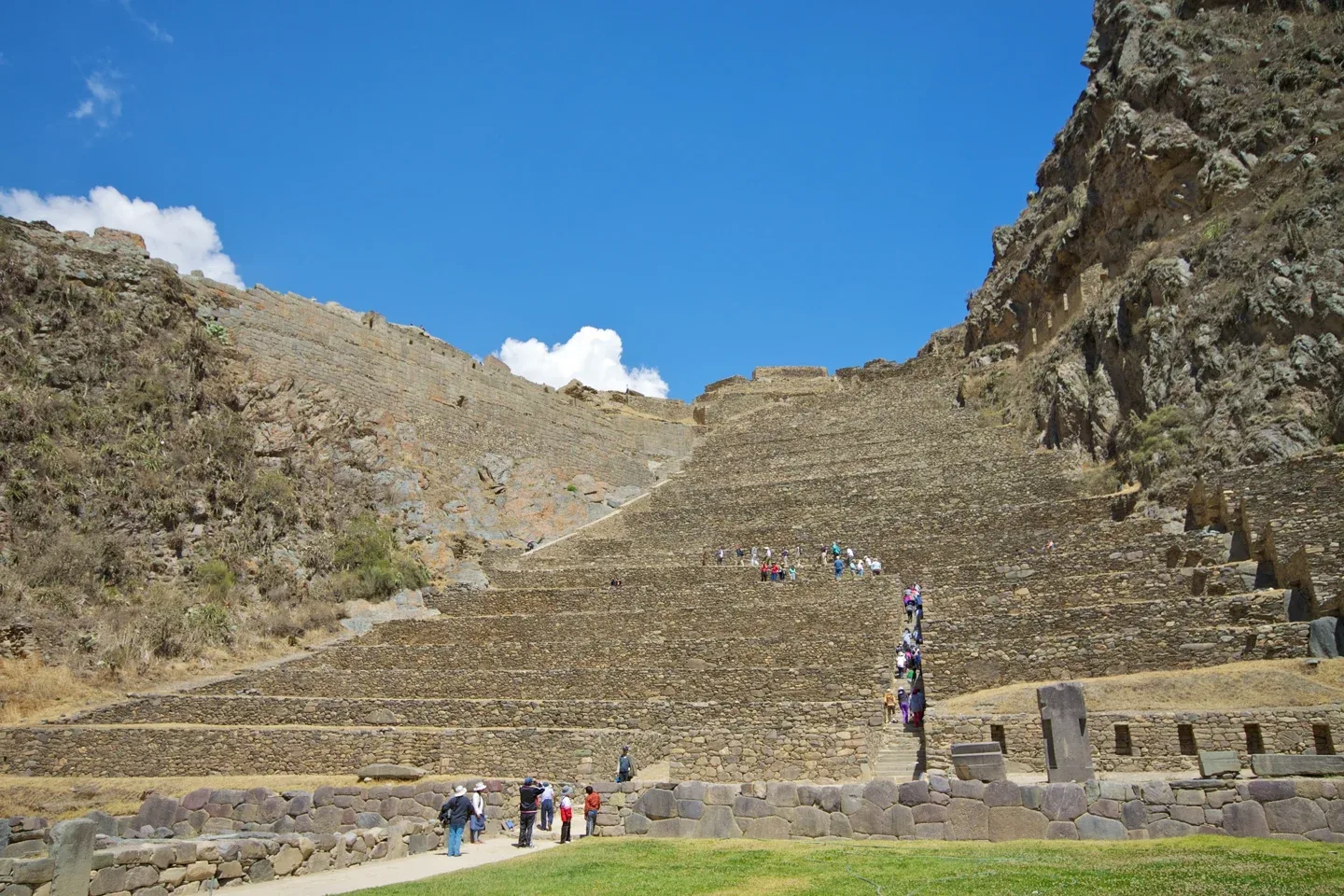
On day 6, head to Ollantaytambo and stay overnight. The village deserves a full stop: its stone streets, canals, and the site overlooking the houses give you a clearer sense of scale for the valley’s attractions. At the archaeological complex, the terraces and stairways call for an unhurried pace. You can spend the morning traveling and exploring the village, then visit the site without having to keep an eye on a train connection that same afternoon.
This overnight stay is also practical. Check how far your accommodation is from the station, the required check-in time, and the baggage rules for the service you have booked. Trains to Machu Picchu Pueblo have rules that vary by company and fare type. Pack a small bag for the following night, and leave your large suitcase only with the hotel or service concerned, after getting their agreement.
To avoid having to return to the valley for a suitcase after your visit, arrange for an identified provider to transport it to Cusco, or choose a storage facility compatible with your return train. Confirm the location, responsible party, hours, and price. Keep your documents, medication, a change of clothes, and anything you need for the visit in your small bag. Make these arrangements before leaving Urubamba, especially if your return train ends somewhere other than Ollantaytambo.
Panoramic photographs can make it seem as though all the sites are visited in the same way. At Ollantaytambo, the stairs are a major part of the experience. Bring shoes with good grip, water, and sun protection, and adjust the climb to your fitness level. An enjoyable stay in the valley also leaves time for the village, with no obligation to climb every stairway.


Machu Picchu, days 7 and 8
On day 7, take the train from Ollantaytambo to Machu Picchu Pueblo, also known as Aguas Calientes. Staying overnight separates the train journey from your visit to the site. Choose a train that leaves you enough time to reach the hotel and check the next day’s instructions. Confirm the exact time against the schedules available for your dates; no train-car category replaces an admission ticket to the site.
Booking Machu Picchu requires three choices: the date, time, and visitor route. The Ministry of Culture lists three circuits comprising ten routes. Circuit 1 is panoramic; Circuit 2 is the classic Machu Picchu route, with routes 2-A and 2-B; Circuit 3 covers other areas and different options, including Waynapicchu. Some routes are seasonal. Check the official map before paying: access to a photo terrace, built-up areas, and a mountain depends on the ticket you choose.
For a first visit focused on the monument, consider the classic routes 2-A and 2-B based on their features and availability. If a mountain or a particular viewpoint is your priority, select the corresponding route with that in mind. The official portal is tuboleto.cultura.pe. Sales information for 2026 cannot be used to infer the rules for another year; check the calendar actually open for your travel dates.
On day 8, make your way to the entrance using your planned transport, including the shuttle from the village if you choose that option. Allow time for its queue, any meeting with your guide, and the time on your ticket. An entry time is not a hotel departure time. Bring the identity document used for the reservation, and review the applicable rules for bags and other items before your visit.
After the visit, leave enough time to descend, have lunch, and collect your luggage before the train. The return to Cusco combines your chosen rail service with a road segment, depending on the arrival station. Check who provides that transfer and where they will drop you off. The evening in Cusco is for settling in; let the hotel know your possible arrival time. No activity is booked for your first night in the city.
Cusco, days 9 to 11
After the valley and Machu Picchu, three full days let you discover Cusco instead of using it merely as a stopover. The city sits at about 3,400 meters: even after several nights in the Andes, take it easy. Day 9 can stay around the Plaza de Armas and nearby streets, with a meal, a short visit, and a break. If needed, leave the uphill walk to San Blas for the next day.
On day 10, Qorikancha and the Santo Domingo Convent offer plenty to explore in the layering of Inca and colonial architecture. Continue through the stone streets in the center, to the twelve-angled stone, and into the San Blas neighborhood, at your own pace. At San Pedro Market, the stalls and the products on offer are part of the appeal too. For food, favor thoroughly cooked dishes and bottled water; stopping at the market doesn’t mean you have to try everything.
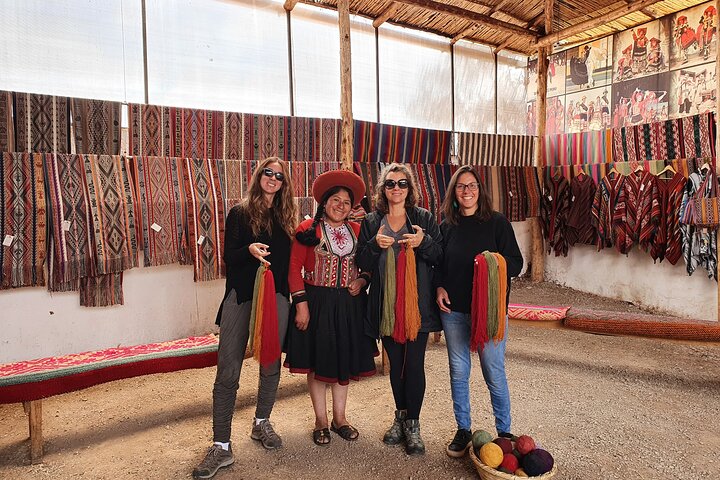
Day 11 is available for a visit you missed, a museum, or a hands-on activity. The Andean Colors textile workshop in Racchi Aylla, between Cusco and Urubamba, gives you a chance to work with fibers, dyes, and weave a bracelet or bookmark. Four hours and lunch are listed, with sessions in English or Spanish. You’ll need to arrange transport to the meeting point: hotel pickup is not included. This outing takes you outside Cusco, so plan it as a dedicated day rather than an impromptu stop before your flight.
If you’d rather spend the day in the city, keep it that way instead of adding Vinicunca or Lake Humantay by default. These mountain excursions change the level of exertion, altitude, and driving time during your trip. They require specific preparation, medical advice for high altitude, and an experienced guide. With two weeks, the villages, workshops, and monuments already make for a full itinerary.
Viator
Private Andean Colors textile workshop
To dedicate day 11 to textile crafts: spend four hours at Andean Colors in Racchi Aylla, making a bracelet or bookmark, with lunch included. The workshop is in English or Spanish. Arrange round-trip transport from Cusco and bring water; transport is not included.
- 5/5 (148 reviews)
For four hours of hands-on weaving: bracelet or bookmark, materials and lunch included, English/Spanish. Meet in Racchi Ayllu; transport and water must be arranged separately.
Cancellation policy
For a full refund, cancel at least 24 hours before the scheduled departure date.
From $79.00
View activityReturning to Lima
On day 12, fly back to Lima. These last two nights bring you closer to your international flight and give you a second chance to explore the capital. If a delay affects your journey from Cusco, you have some time before your departure on day 14. This is a planning buffer, not a guarantee against a prolonged disruption.
Day 13 rounds out the start of your trip: Barranco if you haven’t explored it much, a museum depending on its opening hours, or a lunch reservation made in advance. Stick to a small number of neighborhoods to make the most of your time. On day 14, time your departure from the hotel according to traffic and your airline’s requirements. It’s easier to move a restaurant meal or a walk than an international flight.
The season in the Andes
For this itinerary centered on Cusco and the Sacred Valley, May to September is generally the best choice if you’re looking for a drier period. Sunny days can alternate with cloudy spells, and nights remain cold. April and October are also options, though the transitional weather is worth bearing in mind. Visitor numbers and ticket availability matter just as much as the month you choose.
From November and through the austral summer, rain becomes a more significant factor in planning a trip in the Andes. With departure approaching in late October 2026, prepare with this seasonal transition in mind. A rain jacket, suitable shoes, and a flexible itinerary are useful; keep an eye on local updates about roads and trains. Lima’s coastal weather doesn’t predict the weather at Machu Picchu. Don’t assume the Andes will be sunny just because it’s summer on the coast.
Bookings and budget
Before making any non-refundable purchases, check that the trip works as a whole: flights, available nights, Machu Picchu ticket, train times, and return transfer. The monument then sets the core of the trip. If you book each item separately, secure your route and time slot first, then coordinate the train, a night in the village, and access to the entrance. If you book a package, get written confirmation of the requested circuit, what’s included, and what happens if the ticket you want is unavailable.
Build your budget around the main costs of the itinerary: thirteen nights, round-trip Lima–Cusco flights, ground transfers, train, Machu Picchu entry, transport from the village, any guiding, tickets for other sites, meals, and insurance. Add paid baggage and transport to activities. An excursion price covers only what its listing includes: compare totals for your group in the currencies actually charged.
No single daily budget can properly cover all these choices. The two days around Machu Picchu involve several purchases that don’t break down like a meal or a hotel night. To reduce costs, first look at the train category, accommodation, and transfers that can be shared. Keep some time and money in reserve in case your route changes; removing the buffer before your return could cost more than an extra night.
If you’re traveling as a group, ask for a quote covering all road journeys before comparing a private vehicle with separate excursions. Specify your luggage, hotels, and desired stops: the number of seats alone doesn’t describe the service. For each significant purchase, keep the provider’s name, a useful contact, receipts, and cancellation terms somewhere accessible offline. A price difference may reflect different services or refund options.
Health and entry requirements
Before departure, check with a healthcare professional that the itinerary is suitable for your circumstances, particularly if you have a medical history or are traveling with children. Acute mountain sickness can affect physically fit people too. France Diplomatie recommends acclimatizing gradually and limiting exertion at first; if symptoms occur, stop ascending, descend to a lower altitude, and seek medical advice. Coca tea is not a substitute for these measures.
For French nationals visiting as tourists for less than three months, the official guidance consulted states that no visa is required and that the passport must be valid for at least six months upon arrival. Check the actual length of stay granted and any special requirements that apply to your family. Insurance covering medical care and repatriation is essential. Before each long journey, also check local alerts: demonstrations and roadblocks can affect tourist routes and transport.
FAQ
Is two weeks enough for a first trip to Peru?
Yes, to discover Lima, the Sacred Valley, Machu Picchu, and Cusco, with several days spent in each place. This itinerary allows fourteen days in the country; add international flights if needed. To include Arequipa, Lake Titicaca, or the Amazon, extend the trip or leave out an entire region rather than reducing every stop to one night.
Why stay in the valley before Cusco?
It puts you closer to the sites and Ollantaytambo station before the days in Cusco. The itinerary starts with time to rest, followed by visits that can be adjusted. Villages, sites, and roads are not all at the same altitude, so this order does not guarantee protection from altitude sickness. Your health should take priority over the schedule.
Can you visit Machu Picchu without trekking?
Yes. The itinerary takes the train to Machu Picchu Pueblo, then uses access to the entrance arranged from the village. The visit still involves walking and stairs, depending on the route you choose. The Inca Trail and other treks require a different itinerary and reservations; they’re not necessary for this trip.
Does the train ticket include entry to Machu Picchu?
A train ticket by itself covers the transport you purchased. Admission to the monument is separate, with its own date, time, and route. A package may combine the train, entry, shuttle, and guide: check the precise list of inclusions and the confirmed circuit. Keep proof of each service so you don’t discover something is missing on the morning of your visit.
Is it possible to follow this itinerary in November?
Yes, subject to local conditions and open access routes, and with the expectation of more rain in the Andes. Bring waterproof protection and keep your days flexible; check transport updates before traveling. If you’d prefer a generally drier period, May to September better matches the aim of this itinerary.
How many nights should you book?
Thirteen nights for the proposed schedule: four in Lima, three in Urubamba, one in Ollantaytambo, one in Machu Picchu Pueblo, and four in Cusco. The four Lima nights are split between arrival and return. Check the dates of your international flights separately: an arrival or departure on a different day may change the total.
Are the recommended activities guided in French?
The verified inclusions for the private Sacred Valley tour and the textile workshop list English or Spanish. For French-language assistance, obtain written confirmation from the operator, including any surcharge, before booking. A French translation of a listing alone does not indicate which language is spoken on site.
Sources and checks
Plan your visits and check current conditions.
- Official Machu Picchu circuits ↗
Peruvian Ministry of Culture · Accessed November 1, 2026
What this source supports
Three circuits and ten routes, including seasonal variations. Circuits 2-A and 2-B are the classics; check the maps and the calendar for what is actually open.
- Official ticketing ↗
Peruvian Ministry of Culture · Accessed November 1, 2026
What this source supports
Reached the official portal. JavaScript interface; no individual availability checked.
- Trains to Machu Picchu ↗
PeruRail — carrier · Accessed November 1, 2026
What this source supports
Named ticket with date, route and time; train and entrance tickets are separate. 2026 information, with no extrapolation of sales or quotas to 2027.
- Sacred Valley — Peru Travel ↗
PromPerú · Accessed November 1, 2026
What this source supports
Sacred Valley: Maras, Moray, Pisac, Chinchero and Ollantaytambo. The generic altitude listed on this page is not attributed to every village.
- Cusco — Peru Travel ↗
PromPerú · Accessed November 1, 2026
What this source supports
Cusco at around 3,400 meters; Qorikancha, San Blas, San Pedro, the twelve-angled stone; Lima–Cusco flight about 1 h 15, excluding airports and transfers.
- Lima — Peru Travel ↗
PromPerú · Accessed November 1, 2026
What this source supports
Historic center, Miraflores, Barranco and diverse cuisine. Traffic estimates and general safety assurances are not repeated.
- Peru Travel — climate ↗
PromPerú · Accessed November 1, 2026
What this source supports
The Andean period is generally less rainy from April to October, with rains from November to March; the coast has a different climate. Editorial recommendation: May–September, with no weather guarantee.
- Health in Peru ↗
French Ministry for Europe and Foreign Affairs · Accessed November 1, 2026
What this source supports
Acute mountain sickness, gradual acclimatization, symptoms, stopping the ascent, descending and seeking medical advice; medical and repatriation insurance. Seek medical advice before going to high altitudes.
- Safety in Peru ↗
French Ministry for Europe and Foreign Affairs · Accessed November 1, 2026
What this source supports
Lima’s historic center is not recommended at night; use identified transport providers, exercise caution on the roads, and be aware that social unrest can block routes.
- Entry to Peru ↗
French Ministry for Europe and Foreign Affairs · Accessed November 1, 2026
What this source supports
French citizens traveling for tourism for less than three months do not need a visa; passport must be valid for at least six months upon arrival. Check the duration actually granted and any special cases.
- Photograph — ralph-48752-commons5 ↗
Diego Delso, delso.photo / Wikimedia Commons — CC BY-SA 4.0; resized and converted to WebP · Accessed November 1, 2026
What this source supports
CC BY-SA 4.0. Metadata for the exact file rechecked via Commons; actual dimensions of the served WebP checked by decoding, and the photograph visually inspected. Derived from the reused registry, without upscaling.
- Photograph — ralph-vallee-sacree-terrasses-90463 ↗
McKay Savage from London, UK / Wikimedia Commons / CC BY 2.0 · Accessed November 1, 2026
What this source supports
CC BY 2.0; resized and converted to WebP without upscaling. Metadata for the exact file rechecked via Commons; actual dimensions of the served WebP checked by decoding, and the photograph visually inspected. Derived from the reused registry, without upscaling.
- Photograph — ralph-vallee-sacree-vallee-90463 ↗
Chuck Moravec / Wikimedia Commons / CC BY 2.0 · Accessed November 1, 2026
What this source supports
CC BY 2.0; resized and converted to WebP without upscaling. Metadata for the exact file rechecked via Commons; actual dimensions of the served WebP checked by decoding, and the photograph visually inspected. Derived from the reused registry, without upscaling.
- Private Andean Colors textile workshop ↗
Operator via Viator Partner API · Accessed November 1, 2026
What this source supports
For a four-hour weaving activity: make a bracelet or bookmark, with materials and lunch included; English/Spanish. Meet in Racchi Ayllu; arrange transport and water separately. Exact ACTIVE product rechecked. Odyvero affiliate deep link retained as provided by our API; SUPPLIER_PROVIDED photo of the exact product, with no Creative Commons license. Actual price and currency are in the central reference database; availability is not guaranteed. Odyvero may earn a commission on bookings made through these links.
- Private Sacred Valley tour: four sites ↗
Operator via Viator Partner API · Accessed November 1, 2026
What this source supports
For a group traveling together or a departure from the valley: Maras, Moray, Ollantaytambo and Pisac, eight to ten hours. Pickup may be available in Cusco, Urubamba or Ollantaytambo; meals and boleto are separate, language to be confirmed. Exact ACTIVE product rechecked. Odyvero affiliate deep link retained as provided by our API; SUPPLIER_PROVIDED photo of the exact product, with no Creative Commons license. Actual price and currency are in the central reference database; availability is not guaranteed. Odyvero may earn a commission on bookings made through these links.
Viator — activity pages
Source for the activity information below.Affiliate links: Odyvero may earn a commission when you book through this article’s buttons.
- Private Andean Colors textile workshop ↗
Accessed November 1, 2026
- Private Sacred Valley tour: four sites ↗
Accessed November 1, 2026

