 odyvero
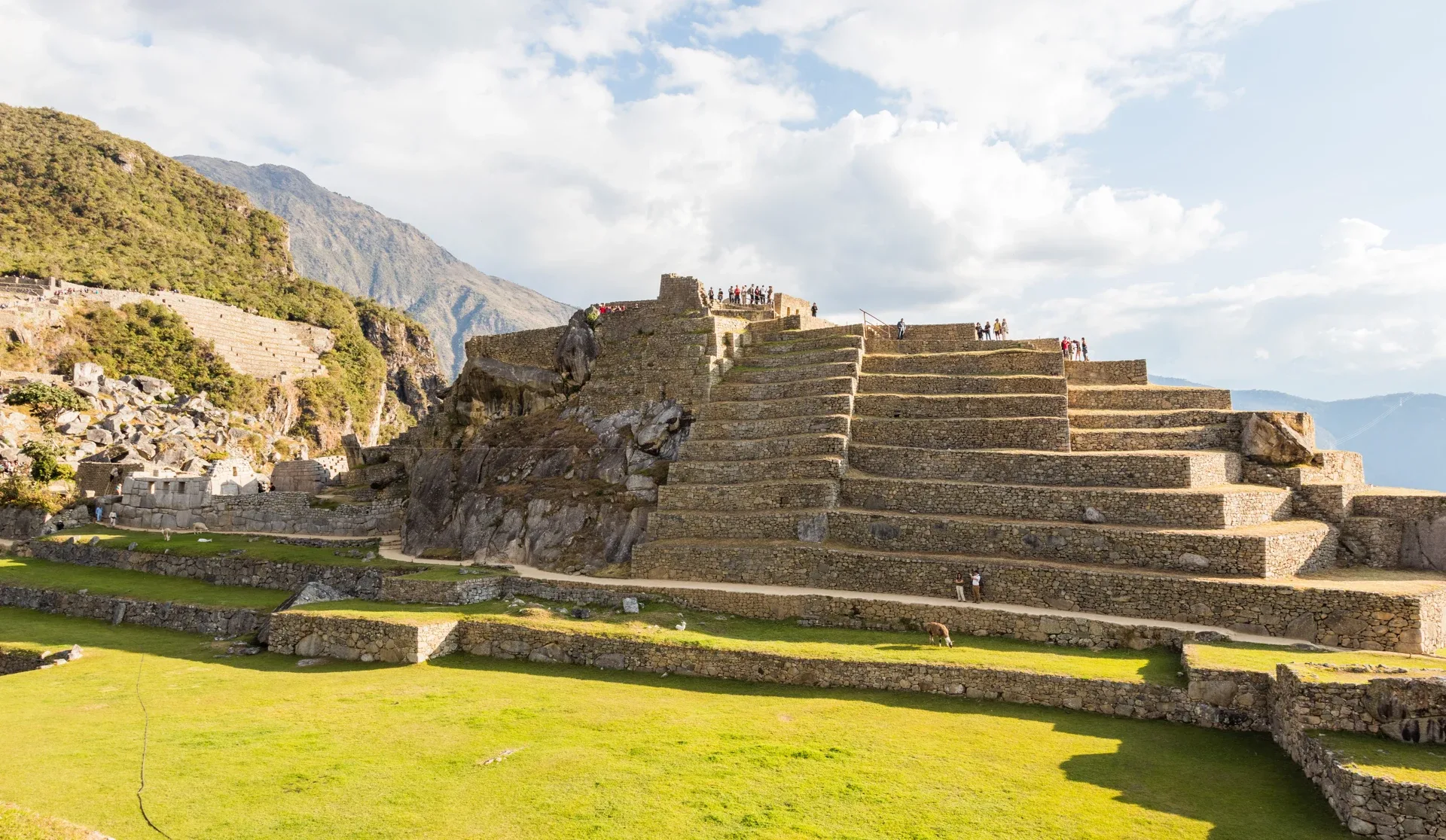
The train lets you save most of your energy for visiting Machu Picchu. The four-day Inca Trail adds a trek, mountain passes, and three nights in tents. In between, the short trek reaches the citadel via Intipunku after a day of hiking, then lets you sleep in a hotel. To choose, compare the time you have, your comfort in the mountains, and the visitor circuit you plan to follow: these three decisions matter more than the train category alone.
Three ways to reach the citadel
If Machu Picchu is one stop on a longer trip through Peru, we would favor the train, with an overnight stay in Aguas Calientes if your schedule allows. This leaves you days for Cusco and the Sacred Valley while spreading out the transport and sightseeing. Taking the bus up from the village reduces the effort of the approach; you will still need to walk along paths and stairs at the site.
The classic Inca Trail is worth four days when hiking is one of the main goals of your trip. The sites along the way, changes in vegetation, and nights camping are a major part of the experience. You should enjoy hiking for several days in a row, be comfortable with a group-organized trip, and prepare your gear before departure. Arriving at Machu Picchu concludes a journey in which the trail itself is already a major part.
The short route is better suited to those who want to approach the citadel on foot without crossing the high passes on the classic itinerary. It includes a full day of hiking, usually followed by an overnight stay in Aguas Calientes and a visit the next day. The two days fit more easily into a trip that also includes sightseeing around Cusco.
| Criterion | Train and visit | Short Inca Trail | Classic Inca Trail |
|---|---|---|---|
| Typical arrangement | One long day or a stay with an overnight in the village | Two days in the selected package | Four days and three nights |
| Approach to the monument | Train to Aguas Calientes, then bus or walk | Train to km 104, then hike | Hike from the km 82 area |
| Accommodation | Hotel optional, depending on the itinerary | Hotel in Aguas Calientes | Camping on the trail |
| Main physical effort | Walking and stairs within the site | One day of hiking with climbs | Several days of hiking and crossing mountain passes |
| First choice to confirm | Circuit and entry time | Permit, hike, and circuit the following day | Permit, itinerary, and physical preparation |
On small screens, scroll the table sideways.
Machu Picchu’s visitor circuits
Since June 2024, Peru’s Ministry of Culture has organized ten routes into three circuits. Circuit 1 focuses on viewpoints, Circuit 2 on the classic route, and Circuit 3 on the areas known as “Realeza.” Within these groups, routes may include a specific mountain or extension. Several operate only during the high season: check the exact route, not just the circuit number.
This system changes how you should book. If you want to combine a panoramic overview with a closer look at the citadel, first review the routes in the classic circuit and their official map. If a particular mountain is your priority, check the corresponding entrance ticket and what that visit includes. The general label “Machu Picchu ticket” does not provide enough information to distinguish between two options.
Access via the Inca Trail and the route followed within the citadel should also be treated separately. Arriving via Intipunku does not authorize you to visit every terrace, temple, and mountain afterward. Ask the agency which circuit is included with your permit, for what date, and under what arrangements. For the short trek, this question concerns the visit the following day in particular.
A panoramic train improves the rail journey; it does not change the rights attached to your monument ticket. Before choosing an upgrade, make sure the included visit meets your expectations. A detailed offer should specify the route, time, guide, and transport. You can then decide whether the onboard services are worth the price difference.
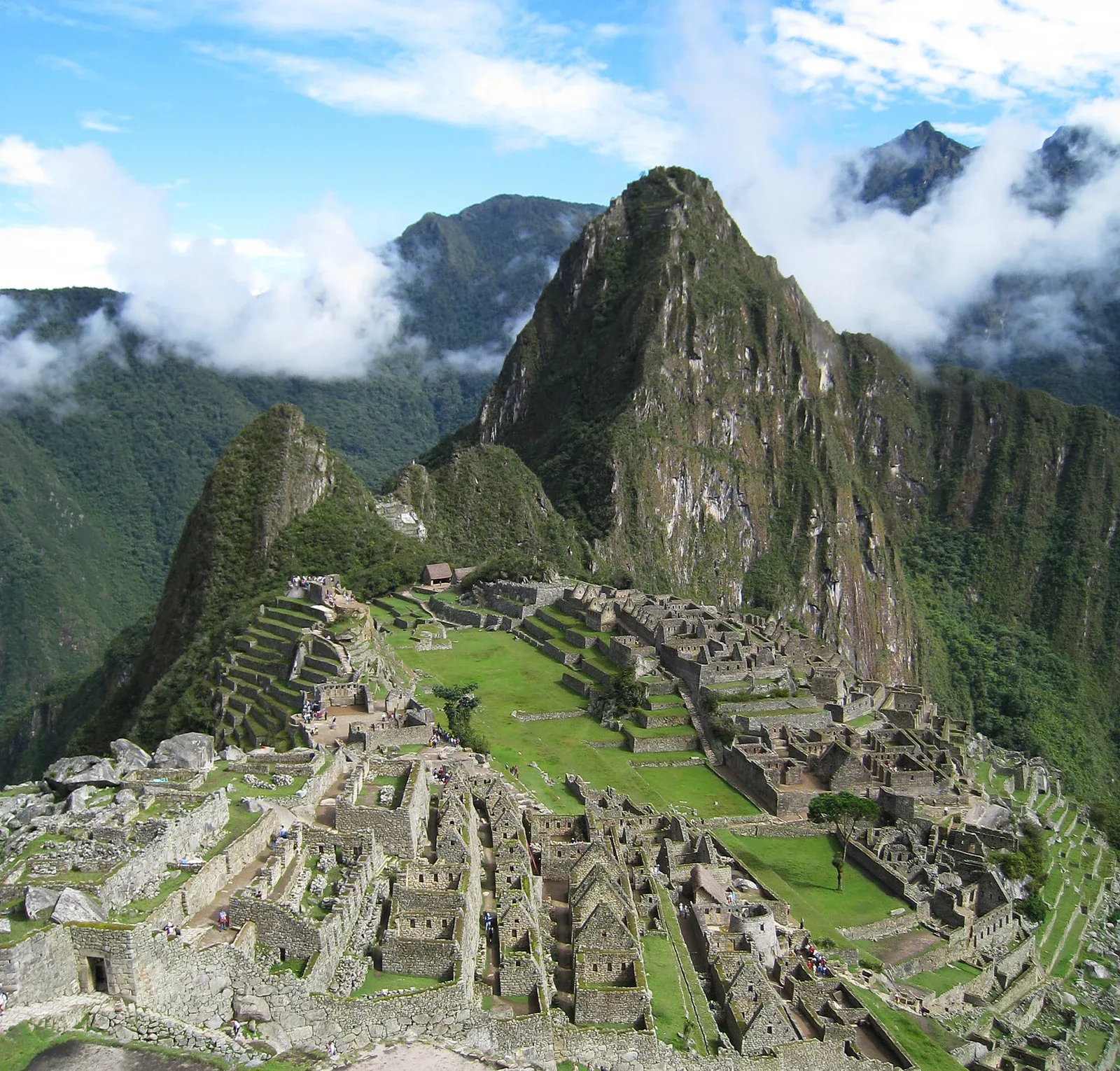


The journey from Cusco
Most rail itineraries involve arriving in Machu Picchu Pueblo, also known as Aguas Calientes. The village is the transit point for reaching the monument entrance by road. The train station is therefore not the entrance to the archaeological site: you still need to travel onward and allow some extra time before the entry time shown on your ticket.
From Cusco, some services combine a road journey with the train. This “bimodal” arrangement should be understood as a connection built into the journey, with a specific departure location and transfer point. PeruRail lists Pachar on some schedules, for example. A service described as “from Cusco” may therefore include a bus ride before boarding the train.
Ollantaytambo is another good base if you are already staying in the Sacred Valley. You can go straight to the station instead of returning to Cusco to set off again. In that case, compare your train times with your monument entry time and hotel stay. We would allow a comfortable margin rather than aim for the shortest connection on paper.
Staying overnight in Aguas Calientes lets you separate the approach from the visit. You arrive in the village, check into your hotel and get your documents ready for the next day. Your return train must leave enough time for the visit to end, the descent and the journey to the station. This arrangement is particularly suitable for those who would rather avoid cramming all the travel into a single day.
Vistadome or The 360°
PeruRail’s Vistadome has large side windows and glass roof panels. It is most appealing if you want to watch the slopes and valley during a daytime journey. The operator advertises a snack and cultural experiences, some of which are offered on the return trip. Check the services for your direction of travel and chosen departure rather than assuming the same entertainment is available on every service.
The standard Vistadome should be distinguished from the separately marketed Vistadome Observatory. If you specifically want an open observation area, check the full category name. A carriage’s glass roof and the presence of an open-air carriage are two different features to compare in the description of the service you are buying.
Inca Rail’s The 360° combines panoramic windows with an open-air observatory carriage. It may appeal to travelers who want to change their viewpoint during the journey and spend some of their budget on the rail experience. How this space can be used and what services are provided depend on the operation; check the advertised snacks and entertainment for the service you choose.
To compare the two companies, start with the stations and schedules. A daytime departure and a well-organized connection may matter more to your choice than the interior decor. Then check what is included on board, followed by fare flexibility. A late return can be convenient if you want to extend your visit, but a section traveled at night offers little opportunity to observe the scenery.
Four days on the Inca Trail
The classic route passes several archaeological sites before reaching Machu Picchu. SERNANP lists Patallaqta, Runkurakay, Sayaqmarka, Phuyupatamarka and Wiñaywayna among the main sites on the network. These stops give the exploration of Inca construction a sense of continuity: you encounter them along the way, in different settings and locations, before arriving at Intipunku.
The physical challenge comes from the succession of days, climbs and descents. The four-day itinerary featured here passes through Warmiwañusca, which the operator lists at 4,215 meters. This altitude calls for different preparation than a rail excursion. Your usual level of fitness cannot predict how you will respond to altitude; allow time to acclimatize and seek medical advice if your circumstances warrant it.
The Inca Trail Machu package includes three nights of camping, a guide, the cooking team and porters for the group’s shared equipment. A porter for personal belongings, up to seven kilos according to the listing, is also included. You will still need to pack your day bag with the items you need while hiking; ask them to clarify the weight allowance and what equipment is covered by it.
The trail permit, entry to Machu Picchu, several meals and return transport are listed as inclusions. A sleeping bag, walking poles, insurance and some meals must be added. Commentary is available in English or Spanish, with a maximum of sixteen participants. We would choose this option for the mountain nights and the gradual discovery of the sites. The listing states that sales are final: settle your dates and preparations before purchasing.
Before choosing a departure, review the daily stages rather than just the total distance. Ask how many hours of walking are planned each day, along with the climbs, descents and campsite locations. Two four-day itineraries may distribute the effort and visits differently. Also check what sleeping equipment is provided: a tent and sleeping mat do not tell you what sleeping bag you will need. If you are traveling as a couple or with friends of different fitness levels, discuss the pace with the agency; enjoying the trek also depends on everyone being able to keep up.

Viator
Inca Trail: four days with camping
For spending four days exploring the Inca Trail’s sites and mountain passes, with three nights of camping and personal porterage advertised. English or Spanish; sleeping bag and insurance to be arranged separately; sales are final.
- 4 days
- 5/5 (82 reviews)
Four days, three nights camping; English- or Spanish-speaking guide, permits, and return transport included. Sleeping bag, hiking poles, insurance, and some meals are separate.
Cancellation policy
All sales are final. Cancellations will not be refunded.
From $930.00
View activityThe short trek via Wiñaywayna
The short route begins at km 104 after a train ride. SERNANP describes a 10.5-kilometer route passing through Chachabamba, Wiñaywayna and Intipunku. The itinerary avoids the high pass on the classic route, but includes climbs and stairs: you need to be able to walk for several hours with a small backpack. “Short” describes the length of the trip, not a stroll lasting a few minutes.
Wiñaywayna gives this day real archaeological substance. Its terraces and buildings come before the approach to Intipunku, the gateway used by hikers arriving on foot. This progression may appeal to those who want to see ruins along the way and approach Machu Picchu on foot, while staying overnight in a hotel rather than at a campsite.
The Machu Picchu Tours package takes two days and allows a maximum of eight participants. The first day includes the hike, followed by a descent to Aguas Calientes and an overnight stay at a hotel advertised as three-star, with a private bathroom. The guided tour of the citadel takes place the following day, before the train and transfer back to Cusco.
Admission to the trail and monument, Expedition trains, buses, one lunch and one breakfast are listed as inclusions. An English-speaking guide is explicitly included; other languages are listed among the language options and should be confirmed when selecting a departure. Ask for the exact route on the second day and how luggage is handled. This is our preferred option for a first approach hike without camping, provided you are comfortable with stairs and a demanding day.

Viator
Short Inca Trail with an overnight stay in Aguas Calientes
For hiking from km 104 and staying overnight at a hotel before the visit. Maximum of eight participants; English-speaking guide advertised, permits and transport included; confirm the next day’s route.
- 2 days
- 5/5 (102 reviews)
Two days via Km 104 and Wiñaywayna, with an overnight stay at a hotel; Expedition train, bus, and admissions included. English-speaking guide listed; circuit to be confirmed.
Cancellation policy
For a full refund, cancel at least 24 hours before the scheduled departure date.
From $665.00
View activityA day trip by train
For travelers with only one day, the Peru Hikers excursion brings together the main connections from Cusco. The advertised duration is sixteen hours, with an early departure and a return after the visit. This is suitable if you want an agency to handle the connections and return to your accommodation in Cusco that evening. Do not plan anything time-sensitive for after your return.
The current listing includes the Expedition train, transfers, buses between Aguas Calientes and the monument, and an entrance ticket subject to availability. Meals are separate. The group is advertised as having a maximum of ten people, and the guide speaks English or Spanish. Confirm the proposed route before purchasing; monument availability determines a substantial part of the service.
If you are traveling with family, compare the pace of this long excursion with a stay that includes an overnight stop in the village. Someone who struggles with very early starts or a succession of transport connections may prefer to split up the journey. If you have mobility difficulties, ask them to describe the stairs on the route, walking distances and available assistance before paying. The train and bus reduce the distance of the approach, but the accessibility of the visit still needs to be assessed against the exact route.
We would choose this option for the coordination of transport and the visit. Its sales page retains the old “Vistadome” title, but the current inclusions list the Expedition for both the outbound and return journeys. Base your choice on these inclusions. To travel on the Vistadome or The 360°, select a ticket or package that explicitly names that category in the confirmation.

Viator
Machu Picchu by Expedition train from Cusco
For combining transfers and the visit in a single day from Cusco. The Expedition train is actually included, with an English- or Spanish-speaking guide; meals are separate. Confirm the available route before purchasing.
- 16 hours
- 5/5 (322 reviews)
Sixteen-hour excursion with transfers, Expedition train, bus, and admission subject to availability. English or Spanish; meals separate, exact circuit to be confirmed.
Cancellation policy
For a full refund, cancel at least 24 hours before the scheduled departure date.
From $419.00
View activitySeason and altitude
SERNANP recommends visiting from April to October and places the rainy season between November and March. If you are traveling at the end of the year, plan for potentially wet conditions on the trail and at the monument. Clouds can affect the views; choose an approach that also interests you for the hiking, heritage, or journey, rather than organizing your trip around a guaranteed photograph.
The Inca Trail typically closes in February, as indicated by PeruRail. This applies to the hike and should not be confused with a general closure of Machu Picchu. For that month, rail travel remains the option to investigate, subject to operating advisories, open roads, and available tickets. Check for any exceptional weather- or safety-related closures as your departure approaches.
The high pass’s altitude is mainly a concern on the classic route. The short trek stays lower, but your trip will generally pass through Cusco and involve sustained exertion. We would plan rest days without strenuous activities before the trek, tailored to your arrival and how you respond on site. Your guide should know about any difficulties before departure; realistic preparation is better than a packed schedule as soon as you land.
Trip budget
First, compare equivalent packages. For an independent rail trip, add up transfers to the station, round-trip tickets, admission for your chosen circuit, transport from Aguas Calientes, any guide, and meals. An overnight stay in the village adds a hotel, but also changes how you distribute your time and fatigue. Include it as a trip-planning choice in your comparison.
A trekking package combines more services: permits, a team, meals, camping or a hotel, and return transport. Still, check the equipment rentals, personal porter service, meals on the first and last days, and insurance. A four-day offer may advertise many inclusions while still requiring you to bring your own sleeping bag. These differences explain some of the price gaps between packages.
The linked cards show the prices and information available in the catalog; the final amount depends on your date, group, and chosen option. To decide, we would prioritize your preferred circuit, then the duration and preparation. A rail upgrade comes next. If your budget forces a choice, a well-timed overnight stay may offer more value than a higher category on a nighttime return.
For a group comparison, calculate a total per traveler, including shared expenses divided among you. List optional purchases separately, such as equipment rental or an upgrade. You can then compare the same level of service and identify what you would rather arrange yourself. Finally, leave room in your budget for meals, short transfers, and an extra night if you decide you need one for comfort.
Reservations and luggage
For a train visit, first set the date and circuit for the monument, or get confirmation of them in your package. Then coordinate the trains, transfers, and hotel. For a trek, the agency must confirm the permit and full itinerary before you commit to expenses that depend on those dates. Payment to an intermediary and confirmation of named access tickets are two separate steps to check in your documents.
Submit accurate identity information through the provider’s secure channel, and travel with the document used for the reservations. Also review the change conditions for each component. Services bundled in one package may still have specific rules for admissions or transport. Check these conditions before relying on a general cancellation option.
For the train, check the baggage allowance for the service you purchased: rules vary by line and category. For the monument, the ministry prohibits bags larger than 40 × 35 × 20 centimeters. Arrange storage for larger belongings and prepare a separate small day bag. For a trek, ask where your luggage will be kept and which items you will get back on your return.
Suitable shoes for the stairs, rain protection, and layers of clothing make planning easier. The monument’s rules prohibit, among other things, food, umbrellas, tripods, poles, and drones. Check separately what equipment is allowed on the trail and what is permitted in the citadel. Stay on marked routes and follow the wardens’ instructions; view the walls and terraces from the designated paths.
FAQ
Does the train arrive directly at Machu Picchu?
It arrives at Machu Picchu Pueblo, also known as Aguas Calientes. From there, you still need to reach the monument entrance, usually by bus with organized packages. Your arrival time at the station should leave enough time for this connection and the ticket check. Before comparing prices, confirm that transport from the village is included in your package.
Can you hike the Inca Trail without an agency?
The regulated tourist route requires you to use an authorized agency and obtain the corresponding permit. The agency arranges access, support, and the services included in your package. Ask for confirmation of the permit, itinerary, and Machu Picchu circuit; do not set off assuming you can buy a hiking entry ticket at the trailhead.
Is the two-day trek suitable for beginners?
It can suit inexperienced hikers who are able to manage a day involving climbs and stairs. The selected package avoids camping and the high pass of the classic route, with an overnight stay at a hotel. Focus on your stamina, balance on steps, and preparation for arriving at altitude. Regular exercise and preparatory hikes can help you manage the effort.
Can you visit Machu Picchu in February?
The usual February closure applies to the Inca Trail. A visit by rail should be planned separately, with the monument’s opening, circuit, and transport checked for your date. February falls within the rainy season identified by SERNANP: bring suitable gear and follow official advisories before traveling.
Does the train ticket include admission?
A train ticket by itself covers the trip you purchased. Admission to the monument and the connection from Aguas Calientes must be booked separately or explicitly included in a package. Check the inclusions for the exact circuit and time, then for guiding. The words “Machu Picchu” in the train’s name do not establish that these services are included.
Does the Inca Trail guarantee the classic view?
The approach via Intipunku and the viewpoints during your visit depend on the itinerary, permitted access, and weather. A hiking permit does not grant general freedom to roam throughout the monument. Ask for details of the route at the end of the trek and the circuit through the citadel. No operator can guarantee clear views at the time you visit.
Are the selected excursions available in French?
The three listings checked do not offer French. The train day trip and four-day trek list English and Spanish. The short trek also lists Portuguese among its languages, with an English-speaking guide in the inclusions. If French is essential, find a service that expressly confirms it for your departure before making a purchase.
How much time should you set aside for this part of the trip?
A train excursion from Cusco can fit into a long day; the one presented here is listed as sixteen hours. An overnight stay in Aguas Calientes lets you spread out the journeys. The short trek takes two days and the classic route four, plus time for your arrival and preparation for the altitude. Fit these days into your overall trip rather than counting only the hours inside the monument.
Sources and checks
Plan your visits and check current conditions.
- Visitor circuits and routes ↗
Peru’s Ministry of Culture — DDC Cusco · Accessed October 31, 2026
What this source supports
Three circuits and ten routes since June 2024; panoramic, classic, realeza; seasonal extensions. No universal access should be inferred from a hiking permit.
- Machu Picchu visitor rules ↗
Peru’s Ministry of Culture — DDC Cusco · Accessed October 31, 2026
What this source supports
Bags larger than 40 × 35 × 20 cm are prohibited; food, umbrellas, tripods, poles, and drones are prohibited; visitors must follow the circuits and respect the heritage site.
- Historic Sanctuary of Machupicchu ↗
SERNANP · Accessed October 31, 2026
What this source supports
Network of trails and sites along the route; main four-day/three-night route; Route 5, 10.5 km, starts at Chachabamba at km 104 and passes through Wiñaywayna and Intipunku; authorized operators; April–October recommended, rainy season November–March.
- The Inca Trail ↗
PeruRail · Accessed October 31, 2026
What this source supports
Usually closed in February; an authorized agency is required. This does not verify exceptional openings for a specific departure date.
- PeruRail Vistadome train ↗
PeruRail · Accessed October 31, 2026
What this source supports
Side and roof windows; snack and services vary by direction; bimodal services and Pachar on some schedules; Vistadome Observatory is a separate service.
- The 360° Machu Picchu Train ↗
Inca Rail · Accessed October 31, 2026
What this source supports
Panoramic windows, an open-air observation car, and a bimodal approach from Cusco. Services and their use vary by train.
- Machu Picchu admission and train tickets ↗
PeruRail · Accessed October 31, 2026
What this source supports
Monument admission is separate from train tickets; the Ministry portal is indicated. Conflicting figures and dates on this page are not repeated in the article.
- PeruRail baggage allowances ↗
PeruRail · Accessed October 31, 2026
What this source supports
Allowances vary by line and service; no universal allowance or combined total of surcharges is repeated.
- Inca Trail: four days with camping ↗
Inca Trail Machu via Viator Partner API · Accessed October 31, 2026
What this source supports
Real production GET request, product ACTIVE; four days, three nights camping; English- or Spanish-speaking guide, permits, and return transport included. Sleeping bag, poles, insurance, and some meals are separate. Languages and inclusions rechecked. Deep link provided using our Odyvero key. Availability for a specific date not verified. Operator lists Warmiwañusca Pass at 4,215 m; personal porterage stated as 7 kg; sales are final.
- Short Inca Trail with an overnight stay in Aguas Calientes ↗
Machu Picchu Tours via Viator Partner API · Accessed October 31, 2026
What this source supports
Real production GET request, product ACTIVE; two days via km 104 and Wiñaywayna, hotel overnight, Expedition train, bus, and admission included. English-speaking guide listed; visitor circuit to be confirmed. Languages and inclusions rechecked. Deep link provided using our Odyvero key. Availability for a specific date not verified.
- Machu Picchu by Expedition train from Cusco ↗
Peru Hikers via Viator Partner API · Accessed October 31, 2026
What this source supports
Real production GET request, product ACTIVE; sixteen-hour excursion with transfers, Expedition train, bus, and admission subject to availability. English or Spanish; meals are separate, exact circuit to be confirmed. Languages and inclusions rechecked. Deep link provided using our Odyvero key. Availability for a specific date not verified.
- Photograph of Machu Picchu — Diego Delso, delso.photo ↗
Wikimedia Commons · Accessed October 31, 2026
What this source supports
CC BY-SA 4.0 verified file by file; decoded original dimensions [6793, 3950]; derivative without upscaling [1920, 1116]; visual review, source, and transformations recorded in the register.
- Photograph of Machu Picchu — icelight ↗
Wikimedia Commons · Accessed October 31, 2026
What this source supports
CC BY 2.0 verified file by file; decoded original dimensions [1836, 1756]; derivative without upscaling [1600, 1530]; visual review, source, and transformations recorded in the register.
Viator — activity pages
Source for the activity information below.Affiliate links: Odyvero may earn a commission when you book through this article’s buttons.
- Short Inca Trail with an overnight stay in Aguas Calientes ↗
Accessed October 31, 2026
- Machu Picchu by Expedition train from Cusco ↗
Accessed October 31, 2026
- Inca Trail: four days with camping ↗
Accessed October 31, 2026


