 odyvero
For your first European night train, choose a station that is easy to reach, check both the outbound and return journeys, then compare an actual sleeping berth. Brussels–Prague and Brussels–Milan run on certain days; Amsterdam–Vienna, Zurich–Hamburg and Stuttgart–Venice require checking the rolling stock and engineering works for your travel date.
A departure from Brussels to Prague, a crossing of the Alps to Milan, or a night between Amsterdam and Vienna all call for different preparations. To choose a night train in Europe, here are five verified routes, the differences between sleeping options and the bookings that really matter at the transition between the 2026 and 2027 timetables.
The network from your departure point
The first station to look for is one you can reach easily in the afternoon. From France, Brussels, Stuttgart, Zurich or Amsterdam can serve as gateways to very different night routes. So a journey that is direct after boarding may still involve a connection beforehand. This distinction affects your budget, the time you need to leave home and the margin you need to board and settle into your berth.
For your first trip, choose a destination where you want to stay for several nights. You will have time to settle in after the journey and more options for the return. Trains that run only on certain days may require you to shift your stay by a day; checking the outbound and return journeys together avoids discovering this constraint after booking your accommodation.
Brussels–Prague suits a city break with a late-morning arrival. Brussels–Milan also appeals to travellers who want to see the Alps during the daytime part of the journey. Amsterdam–Vienna fits into a trip between capital cities; Zurich–Hamburg connects Switzerland with northern Germany. Stuttgart–Venice offers a rail gateway to the lagoon, with an engineering-works schedule to examine carefully for 2027.
These five routes are starting points for comparing feasible trips. Check the chosen departure’s bed availability, rolling stock and exact timetable with the operator.
The 2026–2027 calendar
Sunday, 13 December 2026 marks the start of the 2027 annual railway timetable referenced by the operators consulted. If you are booking travel in December, search for the exact date rather than extrapolating from an autumn timetable. Operating days, stops and engineering works may change when the timetable switches over.
For its 2026 annual timetable, European Sleeper lists three weekly departures from Brussels to Prague, on Mondays, Wednesdays and Fridays. Return departures from Prague are scheduled for Tuesdays, Thursdays and Sundays. For Milan, departures from Brussels are listed on Mondays, Thursdays and Saturdays through 12 December; returns from Milan are on Wednesdays, Fridays and Sundays. If engineering works affect the service, the detailed calendar on the website takes precedence over these general pointers.
ÖBB’s destination pages announce daily service in principle on the selected Nightjet routes. For Venice, major interruptions have already been announced for the 2027 timetable: Stuttgart–Venice from 7 February to the period around 9–10 July, and Vienna–Venice from the period around 24–25 May to 11 July. The transition dates are shown on the website as overnight journeys; check your direction of travel before choosing a departure.
The calendar also matters for the return: a berth available on the outbound journey does not guarantee the same category a few days later. For a family or a private cabin, compare both nights before booking anything else.
Brussels–Prague: arriving in the city
The European Sleeper train connects Brussels with Prague without changing trains. Its route serves the Netherlands, Berlin and Dresden, among other places, before reaching the Czech capital. You can therefore choose a boarding point that makes sense for your home city, provided you check the stops for your selected departure. Not all major stations in a city are interchangeable: use the station name on your ticket to plan your connections.
Prague’s appeal here is its advertised late-morning arrival at Praha hlavní nádraží, the main station. You will still have part of the day to drop off your luggage, have lunch and get your bearings. Keep your plans light for this first day: how much sleep you actually get is a personal matter, even when the train runs on schedule.
European Sleeper distinguishes between Budget, Classic and Comfort categories, with shared or private compartment options. Choose based on the specific service: number of occupants, sleeping arrangements and whether the compartment is private. The lowest-priced category shown at the top of search results does not automatically provide the level of privacy you had in mind.
If you want to combine several cities, Berlin or Dresden could become stops on a longer trip. You would then need to book the appropriate sections: getting off for a few hours and boarding a later train requires another available departure, with its own reserved place. For a first trip, sticking to one destination makes the planning simpler.


Brussels–Milan: crossing the Alps
This European Sleeper service continues on to Switzerland and then Italy, with stops announced including Cologne, Bellinzona, Lugano and Como. Its Milan terminus is Milano Porta Garibaldi. If you are continuing elsewhere in Italy, check the departure station for your next train: a connection at Milano Centrale means travelling between two stations.
The operator advertises a journey of around eighteen hours, with timetables varying by date. A substantial part of the journey therefore takes place after you wake up. The route via the Gotthard gives the Alpine crossing a place in the journey itself; plan to bring reading material, meals or snacks rather than treating the entire journey as a night’s sleep.
Milan suits travellers who are happy to arrive later in order to reach Lombardy directly. Como or Lugano may also appeal to travellers who have chosen those destinations, provided a stop is offered on their travel date. Your hotel, the meeting point for any activity and any regional trains should all be planned around the station actually served.
For a short weekend trip, compare carefully how much time you will have at your destination. A long journey that you enjoy may justify a longer stay; for just two days, a different route or a daytime return may better match your priorities. The choice depends on what role you want the journey to play in your holiday.
Amsterdam–Vienna, between two stays
ÖBB lists a daily Nightjet service between Amsterdam and Vienna. It is particularly appealing if you are already staying in the Netherlands or can get to Amsterdam easily. From France, travelling to Amsterdam solely to catch this train adds a leg beforehand that you should compare with other access points to the network.
The same network also serves Innsbruck from Amsterdam. Check the destination and the coach assigned on your ticket: having two destinations mentioned together in the sales information does not mean you can choose your branch once on board. The coach number and reservation are what you should use when boarding.
For Vienna, a sleeper car lets you book more privacy; a couchette suits travellers who are comfortable sharing space. Don’t choose a departure based only on a cabin photo: ÖBB notes that the rolling stock used on services in the Netherlands may change. The precise name of the category offered gives a better indication of the planned amenities.
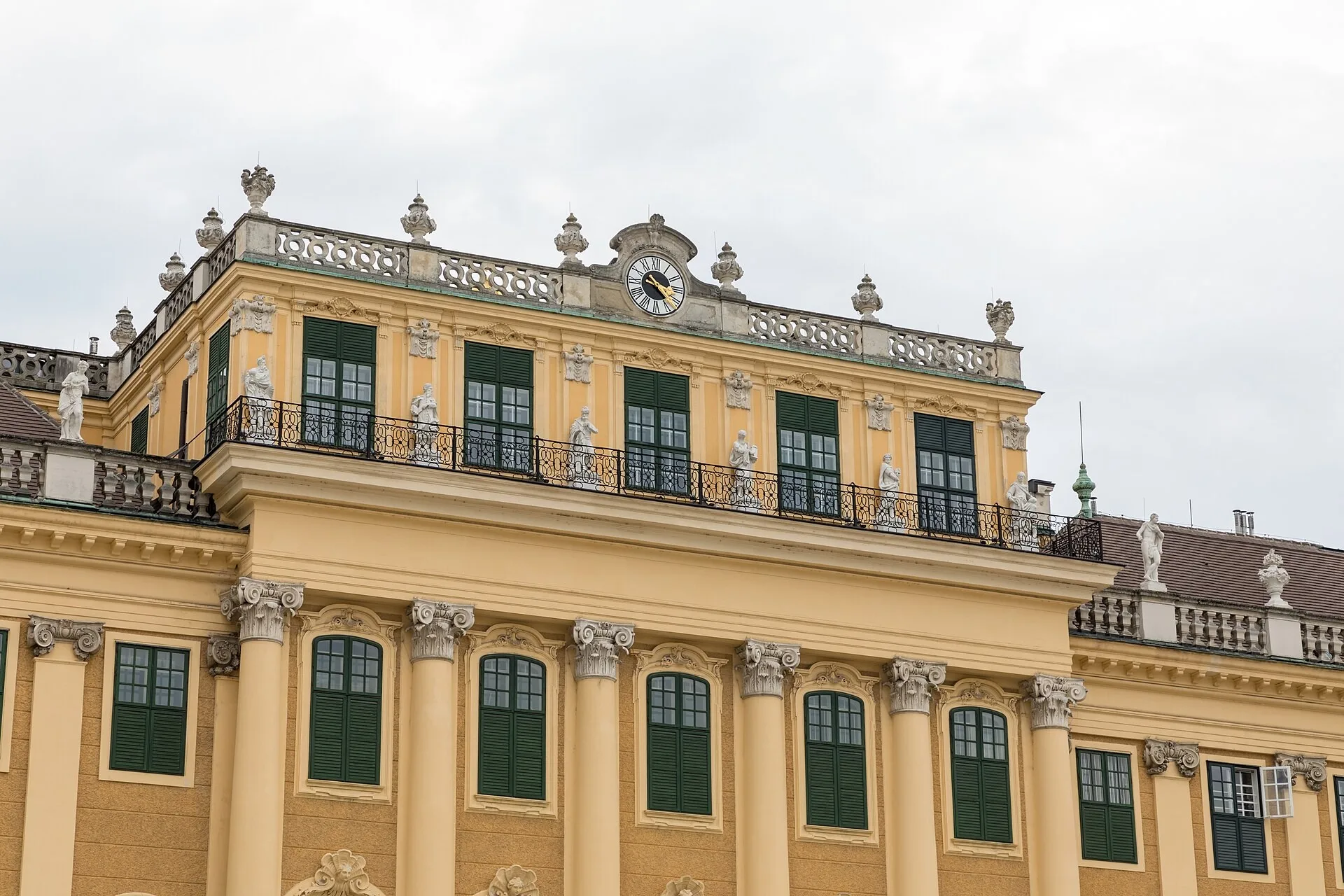
The rest of the stay can be entirely urban. Keep travel plans simple on arrival day and schedule any timed visit with plenty of buffer, or for the following day. This is especially useful if you have chosen a visit to Schönbrunn Palace: the meeting point is on the palace grounds, so you will need to travel there from your accommodation.
Zurich–Hamburg, heading north
The Zurich–Hamburg service is part of the Nightjet network and is among the routes announced with next-generation rolling stock. It appeals to travellers who can easily reach Switzerland and want to get to northern Germany without spending an entire day travelling.
The next generation introduces Mini Cabins, small individual sleeping units. They have a practical advantage for solo travellers: an individual closing door and space separated from neighbouring passengers, while still sharing bathroom facilities. For a couple who want to spend the evening together in one room, the sleeper car works differently. Check the booking system for availability of these categories.
Before making your choice, add the journey to Zurich and the time needed to change trains. A departure that looks late on a map of Europe may still require an early start from home. The cost of getting to the departure station and the flexibility of that ticket are part of the journey.
On arrival, avoid immediately adding another long journey. Hamburg can be your base, with the first day kept flexible around your actual arrival time. If you are continuing to another region, look for a connection that leaves you time to get off the train, collect your belongings and find the next platform.
Stuttgart–Venice, the gateway to Italy
ÖBB announces night trains to Venice from Stuttgart and Vienna, with intermediate boarding options depending on the route. For travellers from eastern France, Stuttgart is worth considering as a gateway; from elsewhere, the time it takes to get there may completely change how appealing this option is.
Your reservation should specify which Venice station you are travelling to. Check whether your ticket says Venezia Santa Lucia or Venezia Mestre, then choose your accommodation and transport accordingly. For a stay in the historic city, the location of your accommodation and transporting your luggage are particularly important: arriving by train does not eliminate the last leg to your room.
The availability of seated, couchette and sleeper cars lets you compare several budgets in the same search. If you want to make the most of a day of sightseeing after the night journey, a proper berth is generally worth prioritising. Then compare the cost of a private cabin with the total price for everyone in your group, rather than just the advertised starting price per person.
The 2027 works schedule is crucial here. A destination shown on a general page may be inaccessible on this service for part of the year. Search for both the outbound and return journeys first; then choose your hotel nights and visits. For periods when the service is interrupted, another departure point or a daytime journey may be more suitable.
Seat, couchette and sleeper car
A seat is a place to sit through the night. It may cost less, but offers a different position and amount of space from a berth. For a first trip when the goal is to sleep, a couchette is a more useful point of comparison: you book a place to lie down, usually in a shared compartment.
On Nightjet, couchette compartments accommodate four to six people, depending on the rolling stock, and come with a blanket, sheets and pillow. A light breakfast is included in this category. Bathroom facilities are shared. Options such as a women-only compartment or booking the whole compartment can be selected at the time of purchase; travelling as a couple does not automatically give you private use of the remaining places.
A sleeper car offers made-up beds and cabins for one to three people, depending on the train generation. However, a bed may be sold in a shared cabin, so the label “sleeper car” alone does not guarantee a room to yourself. A private shower and toilet depend on the exact category; some compartments have only a washbasin.
The Mini Cabin caters to the need for individual privacy in a very compact space. It does not allow you to move around as you would in a standard cabin. For children, ÖBB states that access is permitted from age ten when accompanied by an adult. Families with young children should instead compare private couchette compartments and their actual capacity.
Budget and reservations
The useful amount to compare includes the night train, travel to its station, transport on arrival and the applicable exchange conditions. Any savings on a hotel night depend on your itinerary: arriving very early does not necessarily mean you can access your room, and an extra night needed before departure may cancel out those savings.
For each option, check whether the price is for one person, one berth or an entire compartment. Entry-level fares and private cabins meet different needs. Compare the total for all travellers, on the same dates and with the same cancellation flexibility. A non-refundable promotional fare should only be booked when your plans are stable enough.
ÖBB now announces that direct Nightjet services for the 2027 timetable are available to book up to 360 days in advance. This extension does not automatically apply to EuroNight services or all connecting trains. If a complete itinerary is not available yet, sales for the train you need to get to the night train may simply not have opened; check each leg before concluding that the service has been withdrawn.
Interrail passes also require a reservation check: European Sleeper offers a dedicated option to reserve your chosen category in addition to the pass. This extra seat or berth reservation is a cost to include in your budget. A pass does not replace a bed reservation on a full train.
For separate tickets, allow a generous buffer before the night train and check the terms that apply if your first journey is delayed. Keep your tickets available offline, bring identification suitable for your journey and pack a small bag for the night. Keeping water, clothes and toiletries within reach saves you from reopening your entire suitcase in the compartment.
The first day at your destination
The most flexible approach is to drop off your luggage and then start with a leisurely walk or a meal. Ask your accommodation about luggage drop-off and room access times before you leave. This information can have a greater impact on your comfort than choosing an extra activity.
In Vienna, Schönbrunn offers a structured activity for the day after you arrive. The selected tour lasts about two and a half hours and combines the palace with the free areas of the courtyards and gardens. The French option must be selected explicitly. The group can include up to twenty-five participants; the meeting point is on the grounds, with no transfer from the station or hotel.
This tour is a good fit if you want commentary in French and palace admission arranged in the same booking. Check the final instructions for the exact meeting point, and leave your large suitcase at your accommodation. This activity ticket is purchased separately from the rail journey.

Viator
Schönbrunn with a guide: French option, palace and park
Plan for the day after you arrive in Vienna: select the French option to visit the palace and the free areas of the park with a guide, without depending on your train’s arrival time.
- 2 h 30 min
- 4.7/5 (1,401 reviews)
2 h 30 min group tour, including palace admission and a walk through the free areas of the park. Select French option TG7; up to 25 participants. Meeting point on the grounds; no hotel transfer.
Cancellation policy
For a full refund, cancel at least 24 hours before the scheduled departure date.
From €65.00
View activityFAQ
Which night train should you choose for your first trip to Europe?
First, choose a departure station that is easy to reach and a destination where you can stay for several nights. Brussels–Prague works well for a city break, with arrival scheduled for late morning; Amsterdam–Vienna is well suited to travel between two stays. Check both directions and opt for a bed if getting some sleep is the main reason for your choice.
Can you reach these trains from France?
Yes, by arranging onward travel to their departure station. Brussels, Stuttgart, Zurich, and Amsterdam are the gateways considered here. The exact journey depends on your departure city and the services running on your travel date. Add up the tickets and allow a buffer before the overnight departure, especially if the tickets are on separate contracts.
Does a couchette include a private compartment?
A couchette berth generally gives you access to a shared compartment. You must select and confirm a private compartment when booking. The same applies to some sleeper offers: a bed sold individually may be in a shared cabin. Check occupancy, bathroom facilities, and category before paying.
How far in advance should you book for 2027?
ÖBB announces bookings up to 360 days in advance for its direct Nightjet services in the 2027 timetable. EuroNight services and connections have their own booking opening dates. For European Sleeper departures, use the calendar provided by the operator. Booking early helps you compare available sleeping accommodation, but does not guarantee the lowest fare for every date.
Are night trains suitable for children?
A private compartment can make an overnight family trip easier. Compare its capacity, the berth layout, and whether each child needs their own place. European Sleeper offers free travel for children aged three and under who do not occupy a separate place; a child ticket is required for an individual place. Nightjet Mini Cabins are available from age ten, with an adult accompanying the child.
Is an Interrail pass enough to sleep on board?
The pass must be supplemented with the reservation required for your chosen train and sleeping accommodation. European Sleeper offers an Interrail option in its booking engine; it is valid only with a valid pass. Search for this reservation before planning the next leg, as the number of berths is limited by the train’s capacity.
Can you bring your bicycle?
It depends on the train and departure. When this guide was checked, European Sleeper indicated that bicycle transport could not be booked for 2026 in its booking engine. For Nightjet, look for a bicycle space explicitly offered on your route. Also check whether your connecting trains carry bicycles: every leg must be suitable.
Should you book a morning tour for the day you arrive?
A tour with a fixed time is easier to arrange for the following day, especially after your first night on a train. On arrival day, plan to drop off your luggage and keep your schedule flexible. For Schönbrunn, allow time to travel to the grounds: the tour described does not include a transfer from the station or accommodation.
Sources and checks
Plan your visits and check current conditions.
- Timetables and operating days ↗
European Sleeper · Accessed November 1, 2026
What this source supports
2026 timetables for Brussels–Prague and Brussels–Milan; check the calendar by travel date first.
- Brussels–Prague train ↗
European Sleeper · Accessed November 1, 2026
What this source supports
Direct connection, late-morning arrival, categories and compartments.
- Brussels–Milan train ↗
European Sleeper · Accessed November 1, 2026
What this source supports
Stops in Cologne, Bellinzona, Lugano and Como; Milano Porta Garibaldi; around 18 hours; timetable change on 13 December.
- Amsterdam by Nightjet ↗
ÖBB Nightjet · Accessed November 1, 2026
What this source supports
Connections to Vienna and Innsbruck, announced as running daily; check the rolling stock.
- Zurich by Nightjet ↗
ÖBB Nightjet · Accessed November 1, 2026
What this source supports
Zurich–Hamburg and the new-generation rolling stock.
- Venice by Nightjet ↗
ÖBB Nightjet · Accessed November 1, 2026
What this source supports
Departures from Stuttgart and Vienna, accommodation category and general daily-service schedule.
- 2027 timetable sales and engineering works ↗
ÖBB Nightjet · Accessed November 1, 2026
What this source supports
Timetable begins on 13 December 2026; tickets for direct Nightjets available up to 360 days ahead; 2027 service interruptions to Venice.
- Couchettes and Mini Cabins ↗
ÖBB Nightjet · Accessed November 1, 2026
What this source supports
Occupancy, bedding, breakfast, shared washrooms, Mini Cabins available from age ten when accompanied.
- Sleeping cars ↗
ÖBB Nightjet · Accessed November 1, 2026
What this source supports
Cabins for one to three people, depending on the rolling stock; individual berth in a shared cabin may be possible; washroom facilities vary by category.
- European Sleeper booking ↗
European Sleeper · Accessed November 1, 2026
What this source supports
Interrail option, children aged three and under travel without a separate seat, bikes cannot be booked in 2026.
- Schönbrunn visit, product 265552P73 ↗
Viator / Rosotravel · Accessed November 1, 2026
What this source supports
Live GET Partner API: active, 150 minutes, French available with option TG7, up to 25 participants, palace admission, free sections of the gardens, meeting point on the grounds; no transfer.
- Photo: The façade of Schönbrunn Palace in Vienna. ↗
Wikimedia Commons · Accessed November 1, 2026
What this source supports
File identified, author Dietmar Rabich, CC BY-SA 4.0 licence. Original actually downloaded, dimensions decoded and preview examined. Reuse of the media in the registry.
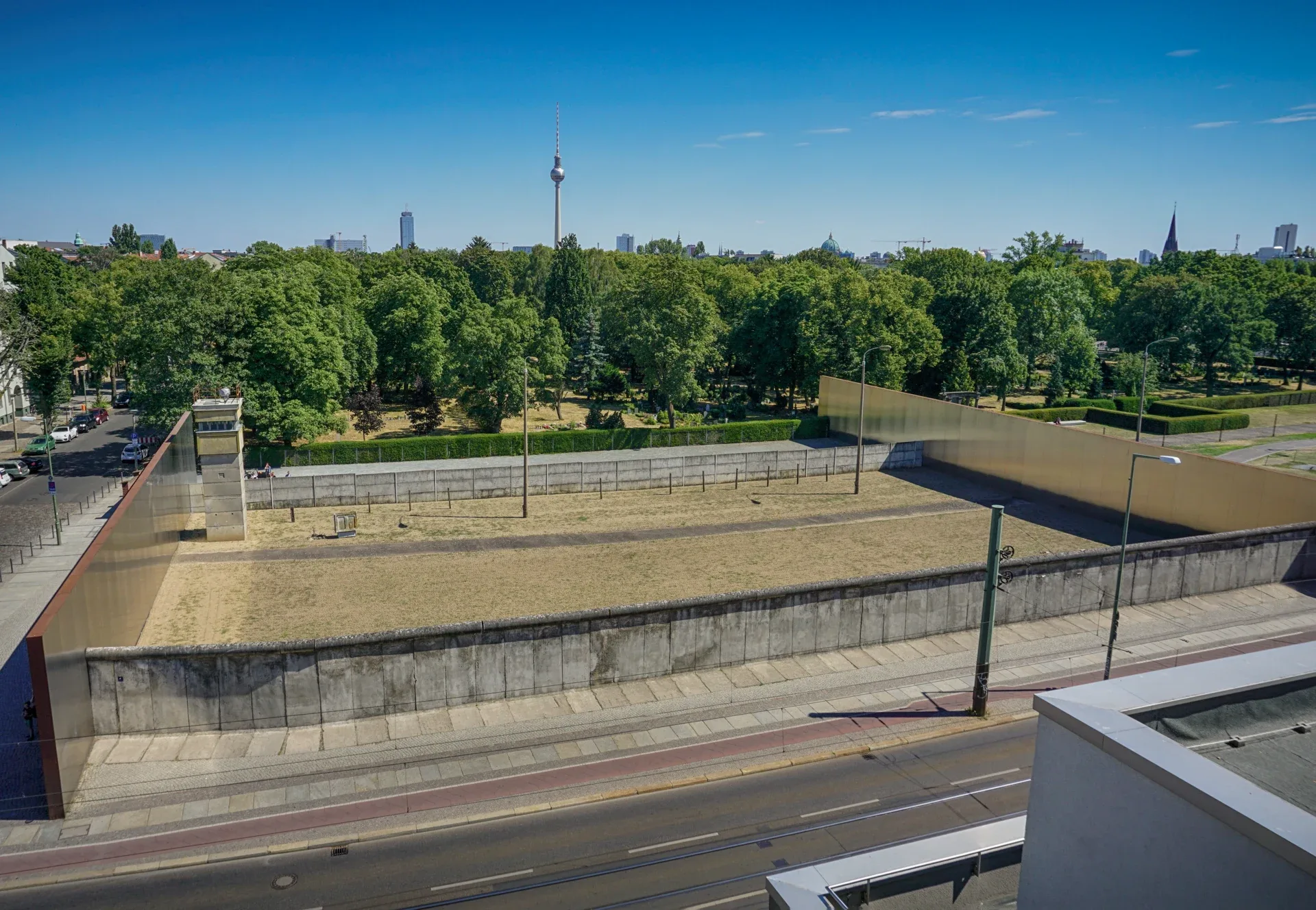
- Photo: Two walls, a guard tower and border strip at the Bernauer Strasse Memorial in Berlin. ↗
Wikimedia Commons · Accessed November 1, 2026
What this source supports
File identified, author Einaz80 / Wikimedia Commons — CC BY-SA 4.0, CC BY-SA 4.0 licence. Original actually downloaded, dimensions decoded and preview examined. Reuse of the media in the registry.
Viator — activity pages
Source for the activity information below.Affiliate links: Odyvero may earn a commission when you book through this article’s buttons.
- Schönbrunn with a guide: French option, palace and park ↗
Accessed November 1, 2026


