 odyvero
Bologna for its meals and porticoes, Madrid for its museums, Porto for walks between the upper city and the Douro: the right weekend depends as much on your plans as on flight times. Here are eight European cities to compare, with a two-day itinerary, neighbourhoods to stay in and the value of a third night.
Two nights or three nights
A Friday evening departure and Sunday afternoon return often leave just one full day at your destination. Arriving early on Friday evening and returning on Monday makes a bigger difference to the stay than a small difference in flight duration. So when choosing a getaway from Paris, start by counting the mornings and afternoons you will actually have free, then consider what you want to do.
Bologna and Ljubljana are particularly well suited to a tight itinerary centred on a walkable city centre. Madrid and Vienna reward advance planning for cultural visits: a museum or palace becomes the fixed point around which the day is organised. Porto and Prague appeal to travellers who enjoy going from one riverbank to another and taking their time at viewpoints. Copenhagen lends itself to a stay focused on neighbourhoods, cafés and waterfronts. Berlin calls for a firmer geographical choice, since the places you want to see may be far apart.
The itineraries below are designed for a first city break, without a car and without a day trip outside the city. Saturday and Sunday are reference points; move visits around to suit your travel days, opening hours and the time slots you can get. The suggested half-days are planning estimates, allowing time for lunch, getting back to your accommodation and changing plans if the weather turns.
The selection favours European getaways over a blanket promise of journeys under three hours. Check the direct flights available on your dates, the Paris airport used and the transfer on arrival together. An inexpensive but very early departure may mean an extra night or a taxi; a late return, on the other hand, may give you almost a full day for sightseeing.
Bologna, the porticoes and the dining tables
Bologna is a solid choice for two nights when you want to combine heritage and good meals without turning the weekend into a string of reservations. Piazza Maggiore, the streets of the Quadrilatero, the Archiginnasio and Santo Stefano make it easy to plan a full stay within a relatively compact area. Porticoes line much of the way and lend a pleasant continuity to walks, even when the sky turns cloudy.
For the first day, focus on the area around Piazza Maggiore and the Archiginnasio. Its appeal lies as much in its university history as in the spaces you choose to visit: book the option that covers the rooms you want to see. The Quadrilatero is nearby for lunch. Plan on a proper sit-down meal if the cuisine is one of the reasons for your trip; hopping between small standing tastings doesn’t leave the same impression as time spent at the table.
In the afternoon, continue toward Santo Stefano, then through the streets of the university district. This route leaves you free to step into a church or collection depending on your interests, without organizing the whole day around a specific time. In the evening, the area around Mercato delle Erbe offers another neighborhood in which to look for a table. This way, you’ll experience several different atmospheres without making too many trips across town.
For the second day, choose between a longer walk toward San Luca and spending the whole day in the center. The climb to the sanctuary is a good option if you want to set aside several hours for walking; wear comfortable shoes and adjust your return to your energy level. If your flight is early in the afternoon, stay closer to the center and your luggage storage. Bologna Welcome lists the Asinelli Tower as closed, so don’t build your plans around a climb mentioned in an old guidebook.
For accommodation, the historic center or the area between the station and Piazza Maggiore makes this short trip easier. The Marconi Express connects the airport to the central station; allow for waiting time and the walk to your accommodation in addition to the ride itself. A third night lets you separate San Luca from your visits to the center, or devote more time to the university collections. It doesn’t mean you have to head to Florence or Modena automatically: Bologna has plenty to fill your stay.
Madrid, museums and the Retiro
Madrid is a good fit for those who want to devote plenty of time to art, then spend the rest of their time in its streets, parks and restaurants. The Prado, the Thyssen-Bornemisza and the Reina Sofía offer sufficiently distinct collections that choosing a museum can shape part of your weekend. For two nights, choose one main museum and a second only if museums really are your priority.
A first day could follow the Prado and Retiro route. If you book the museum for the morning, you can leave the afternoon for lunch and a walk in the park. Their proximity avoids a cross-town trip in the middle of the day. At the Prado, decide in advance whether you’d prefer an introductory guided tour of the collections or a self-guided visit focused on a few painters. You’ll enjoy the galleries more if you let go of the idea of seeing everything.
The Prado visit featured in this guide lasts two hours, includes admission and is limited to seven people. Commentary is available in English or Spanish. This format works well for a first guided visit followed by a free afternoon. It’s intended for travelers who are comfortable in one of those languages; for commentary in French, choose another option explicitly offered on your date.
The second day can center on Plaza Mayor and the Royal Palace. This area offers a different side of Madrid, with its focus on squares, façades and royal history. Touring the palace interior takes up a substantial part of the half-day: schedule it before or after lunch, without adding another major museum at the other end of your route. If you mainly enjoy walking, the area around the palace and the streets of the center are enough to make a morning of it.
For accommodation, the area around Sol makes it easy to get to several neighborhoods; the Barrio de las Letras suits an itinerary focused on museums and walking. Compare the exact location and any noise information, particularly if you plan to turn in early. A third night lets you spend another morning at the Reina Sofía or the Thyssen, or slow down the two days already planned. In spring and autumn, long walks fit easily between visits. In summer, schedule the most exposed routes for the cooler hours and keep an indoor activity for the middle of the day.

Viator
Prado: collection tour in a group of seven
For a first look at the Prado in two hours, with admission included and a maximum of seven participants. Choose a departure in English or Spanish, then leave the afternoon for the Retiro.
- 120 min
- 5/5 (373 reviews)
Two hours with an accredited guide in English or Spanish, including Prado admission. General overview of the collections; the Mariana exhibition must be arranged separately.
Cancellation policy
For a full refund, cancel at least 24 hours before the scheduled departure date.
From €50.00
View activityPorto, the hills and the Douro
Porto is easy to explore in two days if you take its hills into account and group visits by elevation. The upper town, the area around São Bento, the cathedral and the quays don’t make for one entirely flat walk. An appealing hotel by the river may mean repeated uphill climbs; a place farther uphill lets you start the day near several central landmarks.
On the first morning, spend some time around Clérigos and the streets of the upper town, then head to São Bento. The station’s main hall makes an interesting stop before you continue toward the cathedral area. From there, your route can descend toward the Douro, where you can have lunch or stop in the late afternoon. This progression avoids multiple uphill and downhill trips between timed visits.
The selected guided walk lasts three hours and is conducted in English. It starts near Clérigos Tower and ends close to the river. It works well on the first day if you want to learn about the city’s history before exploring on your own. Leave yourself some extra time to find the meeting point and join the group: luggage and a recent flight don’t pair well with a fixed departure time.
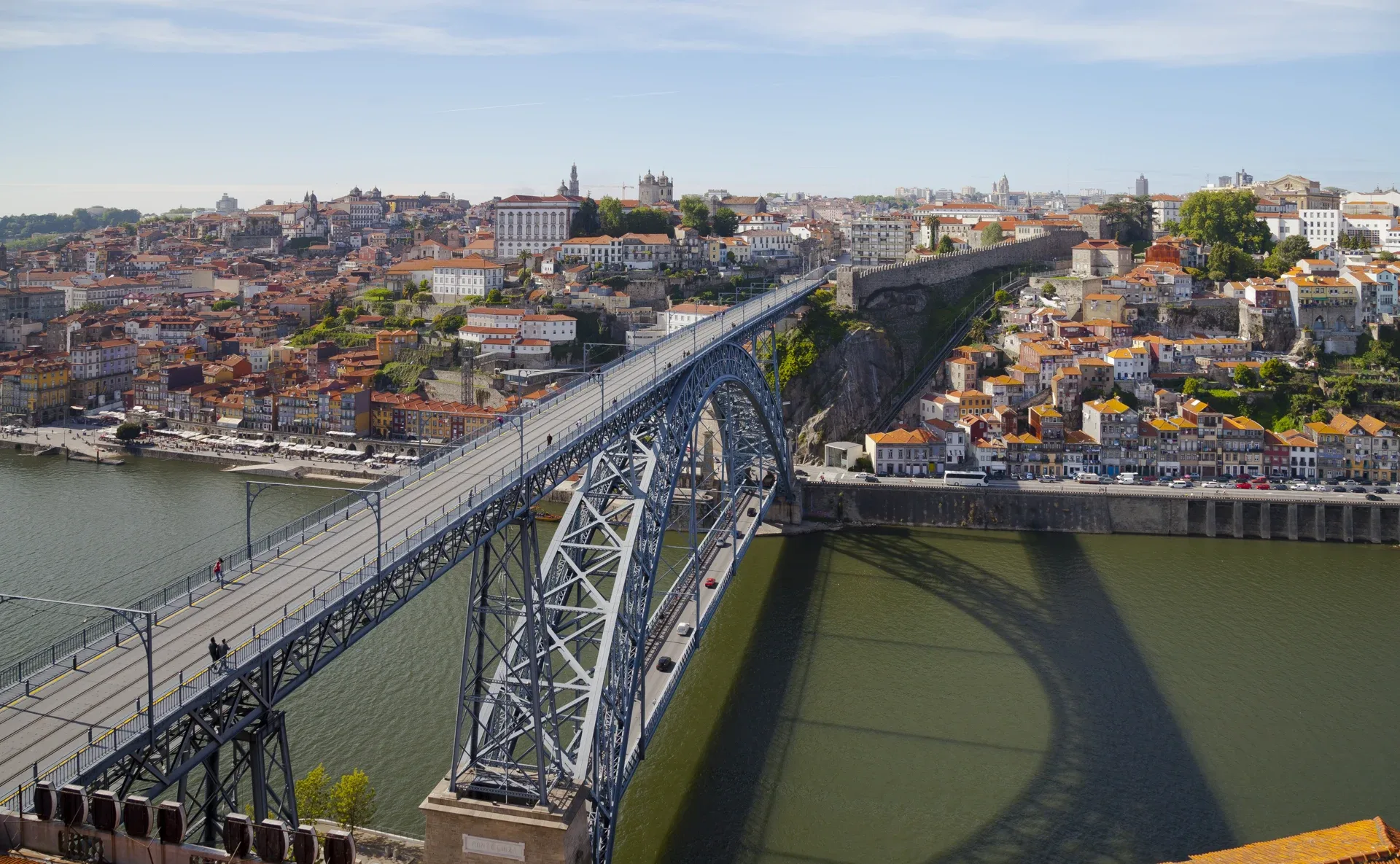
For the second day, the Luís I Bridge and the Gaia riverbank offer a different view of Porto. Choose your crossing and return route with the difference in elevation between the bridge entrances and the quays in mind. Views are a major part of this itinerary; cloudy weather may prompt you to shorten your walk and book an indoor visit instead. A cellar tasting is an option on this riverbank if it suits your interests; schedule it separately from lunch.
Two nights are enough to understand how the city and the river fit together. A third night gives you more flexibility for an indoor visit, a workshop or extra time on the quays. An excursion to the Douro wine region is a separate undertaking: it takes a full day and changes the balance of an urban weekend considerably. For your arrival, Metro do Porto lists service between the airport and Trindade; check the route to your actual station, then account for the final walk. In autumn and winter, bring rain gear and plan an indoor activity rather than an itinerary made up entirely of viewpoints.

Viator
Porto walking tour with C&D
Get your bearings on the first day with a three-hour guided walk in English, from Clérigos toward the Douro. Arrive at the meeting point early and save Gaia for the second day.
- 3 hours
- 5/5 (62 reviews)
Guided tour in English through central Porto, with up to fifteen participants. Starts near Clérigos and ends near the Douro; monument admissions are separate.
Cancellation policy
For a full refund, cancel at least 24 hours before the scheduled departure date.
From €25.00
View activityPrague, two riverbanks and the castle
Prague is well suited to a heritage-focused weekend where getting around is part of the experience. Charles Bridge connects areas with distinct atmospheres: the Old Town on one side, and Malá Strana and the climb toward the castle on the other. Construction of the bridge began in the 14th century; its towers and sculptures give you plenty to observe, making it worth crossing for more than just getting from one side to the other.
For the first day, make the Old Town your main area. The squares, nearby streets and banks of the Vltava let you get your bearings without heading up to the castle straight away. Charles Bridge can be a walk in its own right, either early or late in the day. An earlier start sometimes gives you more room to take in the statues and views, but it does not guarantee an empty bridge.
The second day can bring together Malá Strana and the castle. Plan the climb before the end-of-day fatigue sets in, then choose which indoor spaces to visit based on your ticket and opening hours. The castle is a complex of different sites, and how much time to allow depends on the route you choose. Lunch in the area followed by a gradual walk down toward the river makes for a more coherent day than rushing back to the Old Town for another reservation.
Staying near the historic center makes it easier to explore on foot. Accommodation slightly removed from the busiest streets can make for better rest without putting you far from your visits; above all, check access, stairs and proximity to public transport. In winter, when the days are shorter, plan your river crossing and views of the castle during daylight, then save indoor visits for later.
On arrival, trolleybus 59 goes to Nádraží Veleslavín, where you need to take Metro line A to continue toward the center. The trolleybus journey time quoted by Prague City Tourism refers to this first leg, not the entire trip to your room. The Airport Express to the main railway station is a separate service worth comparing based on your address. A third night gives you a morning for a museum or another neighborhood, and, above all, lets you separate the castle visits from your walk on the opposite bank. For a first short stay, an excursion outside Prague would significantly cut into the time available in the city.
Vienna, the city center and Schönbrunn
Vienna lends itself to a cultural weekend organized around two areas: the historic center and a major site outside this core, such as Schönbrunn. Cafés are also part of the pace of a stay. Make time for a proper break during the day, especially if you are alternating walks with visits to collections; sitting down for an hour may be more enjoyable than adding another palace to the list.
The first day can be spent in the center, among the streets near the cathedral, the Hofburg grounds and the Ring’s façades. Choose a museum or indoor visit if you want to explore a particular subject in more depth. This keeps the day geographically coherent, with an evening in the same area. Concerts should be planned separately, based on the venue, performers and times actually on offer.
On the second day, set aside a generous half-day for Schönbrunn. The palace, gardens, climb to the Gloriette and the estate’s other attractions have different tickets and are suited to different kinds of visits. Decide what interests you before comparing ticket options. The time quoted for an indoor route does not necessarily include a walk in the park, a break or the journey from your hotel.
The guided visit selected combines the palace and gardens and lasts about two and a half hours; French is among the languages offered. It works well for a plan in which Schönbrunn is the main visit of the day. Select your preferred language and time slot, then leave the rest of the day open. Compare the operator’s ticket for the rooms with its own description: other official tickets for the estate may cover different areas. In winter, an outdoor walk will depend on daylight, the weather and the condition of the paths.
One practical point deserves special attention for trips in late 2026 and 2027: railway works are changing connections from the airport. The tourist office notes, among other things, that CAT services will be replaced by buses until October 31, 2027, and that there are changes to the S7 line. Railjets serve the main railway station, with connections to the urban transit network. Check your current route rather than following old advice to take the CAT train to Wien Mitte. For your hotel, the center or an address with good metro connections makes the stay easier. A third night gives you time to add a museum or another neighborhood without trying to fit Schönbrunn and several collections into one day.

Viator
Schönbrunn with a guide: French option, palace and park
To spend half a day at Schönbrunn with a guide and admission to the specified rooms route. Select French, which is offered; allow about two and a half hours for the visit, in addition to travel time and breaks.
- 2 h 30
- 4.7/5 (1,401 reviews)
2.5-hour group tour, including palace admission and a walk through the park’s free-access areas. Select French-language option TG7; up to 25 participants. Meeting point on the palace grounds; no hotel transfer.
Cancellation policy
For a full refund, cancel at least 24 hours before the scheduled departure date.
From €65.00
View activity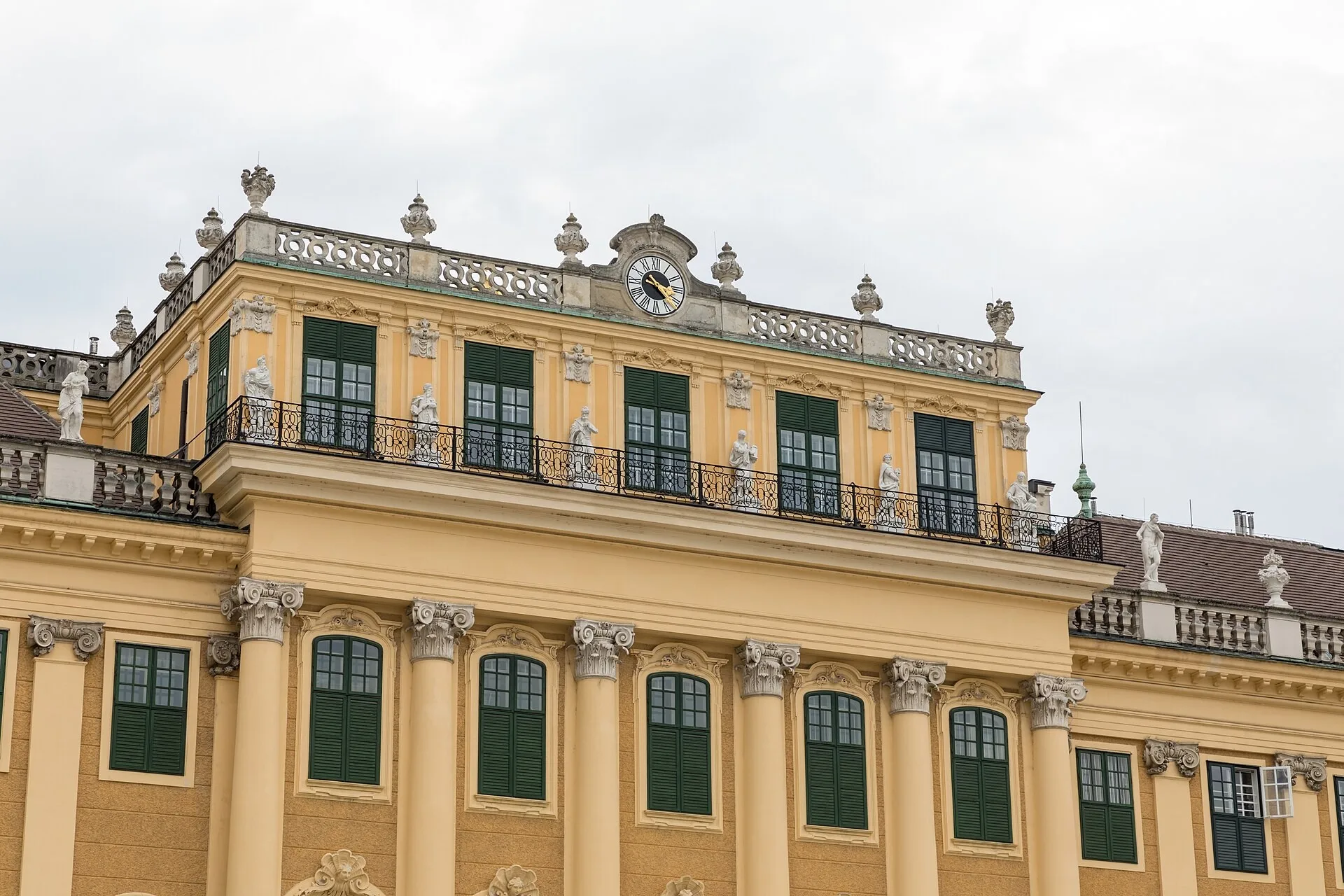


Copenhagen, the waterfront and its neighborhoods
Copenhagen is a good choice for a stay built around walking, stopping at cafés and noticing how the atmosphere changes from one neighborhood to another. Nyhavn offers an easy-to-recognize first landmark, with its colorful houses lined up along the canal. The boats and the area’s port history are part of the scenery; it can also be a starting point for exploring by water, depending on the departures actually available.
The first day can link Nyhavn with nearby waterfront areas, with a long break instead of a packed schedule of ticketed attractions. Kongens Nytorv is close by and helps you get your bearings in the center before extending your walk toward the water. If you want to take a boat trip, choose the route and time after checking the weather. The wind and how cold it feels matter just as much as whether it is raining when deciding whether to enjoy a trip on the canals.
The second day is best built around one main neighborhood. Vesterbro may suit those who prioritize cafés, restaurants and neighborhood life; Nørrebro offers a different kind of walk, which you can shape around the places you want to visit and what you feel like doing. Christianshavn is another option if you want the water to remain a theme throughout your stay. Pick a direction rather than crossing the city several times to tick off a few addresses in each area.
When choosing accommodation, compare the center and Vesterbro based on your budget, noise levels and proximity to the places you plan to visit. A cheaper room farther away can work if it is still well connected to your chosen itinerary. Check the exact journey to the hotel before booking your flight: if you arrive late, be sure to check that day’s transport options, as you would in the other cities in this selection.
The season has a major effect on how much time to spend outdoors. In spring and summer, it is pleasant to extend your walks along the waterfront; in late autumn and winter, plan a specific indoor visit and take breaks more often. Illuminations or seasonal opening hours at an amusement park should be checked for your exact dates. A third night lets you devote a full day to one neighborhood, then another to a museum or a specific activity. The itinerary will stay light enough to leave time for the cafés and restaurants that made you choose Copenhagen.
Berlin, history and a neighborhood
Berlin is worth three nights if you can manage it. For a shorter stay, choose your areas carefully: the government district, Museum Island, Bernauer Strasse and the nightlife districts do not form one compact walking route. A hotel near a line that serves your plans is often more useful than an address described simply as “central”.
The first day can follow a historical thread through the Brandenburg Gate and government district. A guided tour helps organize the chronology and explain how the sites relate to the Third Reich, the division of Berlin and the Cold War. Leave some time afterward to revisit a place or stop at a café rather than immediately scheduling another long visit.
The selected option is a three-hour private walk, with French among the languages offered. Its appeal lies in the opportunity to shape the experience around your interests with a guide. Confirm the starting point and stops before your trip; the exact itinerary is not intended to cover every historical site in Berlin. Any visit to the Reichstag must be arranged according to its own booking and access requirements.
For the second day, choose one main focus. Museum Island suits collection enthusiasts; Bernauer Strasse offers a deeper look at the history of the division at the Berlin Wall Memorial. You can combine both in one day if you limit your indoor visits, but each deserves time. The Pergamonmuseum is still closed for trips in late 2026, with reopening announced for 2027 by visitBerlin: plan around the museums that are actually open.
A third night mainly gives you a day to explore a neighborhood. It leaves more room for restaurants, shops and walks that do not fit into the initial historical itinerary. For accommodation, Mitte makes several visits in this guide convenient, while another neighborhood may suit your evening plans better. Check connections rather than just distances on the map. In winter, group outdoor visits during daylight and use museums during the coldest periods. Whatever the season, leave some time for transport: crossing a city between two appointments takes more planning than getting around central Bologna.

Viator
Private tour of historic Berlin with a French-speaking guide
A private three-hour historical introduction before you explore the neighborhoods. French is offered; agree on the starting point and stops with the guide. The terms state that bookings are non-refundable.
- 3 hours
- 5/5 (11 reviews)
Private walk covering the Third Reich and the Cold War; French available, ages ten and up. Confirm the exact route before purchase; non-refundable sale.
Cancellation policy
All sales are final. Cancellations will not be refunded.
From €335.00
View activityLjubljana, its bridges and squares
Ljubljana is a good fit for two nights if you want a capital city to explore without a packed schedule. The pedestrian-friendly center, riverbanks and squares make it easy to return to a place you saw the day before. The appeal lies as much in the city’s small scale as in its monuments: you can spend a morning on architecture, then leave the afternoon for walks and breaks.
On the first day, follow the Ljubljanica and the bridges in the center. Jože Plečnik’s work provides an interesting thread for exploring the city: look at how passages, public spaces and façades shape the urban landscape. A guided visit is useful if you want to go beyond simply moving from one viewpoint to the next and understand the architect’s choices in the city.
The selected private tour lasts one to three hours, with French among the available languages. Admission and meals are separate. It suits a first morning exploring the bridges and squares, with the itinerary agreed with the guide. The duration you choose and any indoor visits will shape the rest of your plans; a short walk leaves plenty of time for lunch and another riverside stroll at your own pace.
The second day can be split between another part of the center, a green space and a cultural visit, depending on your interests. The tourist office highlights the importance of parks and walking spaces in the city. This deliberately flexible format works well if you arrive tired, are traveling with people who have different paces, or simply want to spend less time getting around.
Staying in the center or nearby makes this itinerary convenient. If you take a transfer car or taxi, confirm the drop-off point: a pedestrian zone may mean a final walk with your luggage. A third night lets you choose between spending more time in Ljubljana and taking a trip to the surrounding area. To keep the feel of a city break, first give the capital two full days; an excursion to a lake will change the nature of the trip and needs its own planning. In spring and autumn, adjust your walks to the day’s conditions. In winter, cafés and a planned indoor visit make it possible to enjoy the day without relying on long hours outdoors.

Viator
Ljubljana: private tour of bridges and squares
Understand the architecture of the bridges and squares with a private guide. French is offered; agree on an itinerary of one to three hours. Admission and meals are not included.
- 1 to 3 h
- 5/5 (51 reviews)
Private walk with a local guide; French offered. Choose a duration of one to three hours. Admissions, meals and drinks are separate.
Cancellation policy
For a full refund, cancel at least 24 hours before the scheduled departure date.
From €180.00
View activitySchedules and transfers
Before buying, compare two or three complete travel combinations. Note your departure time from home, the Paris airport, the margin required by the airline, landing time, the journey to the hotel and when you will actually be free. Do the same for the return trip. You will quickly see whether the deal leaves you a Sunday for sightseeing or only enough time for breakfast before heading back.
The choice between Orly, Roissy and another airport marketed for Paris also depends on where you are starting from. Consider the cost and schedule of the first leg, especially if you are traveling very early in the morning or returning late. On arrival, distinguish the main journey time from the entire transfer: changing platforms, waiting for a connection and walking with a suitcase are all part of the trip.
Prague is a good example: the trolleybus takes you to a metro station before you continue toward the center. In Bologna, arriving at the central station does not necessarily mean you have reached your accommodation. In Vienna, construction work means you should check for an up-to-date connection. These details affect whether a flight time is worthwhile and whether you can book a visit on the same day.
For a two-night trip, luggage you can carry easily makes stairs, cobblestones and transfers simpler. Check the dimensions actually included in your ticket, then add any useful extras before comparing airlines. Also consider whether your hotel offers luggage storage on departure day. A flexible visit nearby is often a better fit than a timed activity on the other side of the city.
The eight destinations in this guide are well suited to an itinerary without a rental car. Only book one if your trip expands to include a genuine stop outside the city. For travel formalities, check which identity document is required for your nationality and itinerary before buying; taking a European flight does not exempt you from traveling with the required documents.
The weekend budget
The first thing to compare is the combined cost of transport and accommodation. A cheaper flight may be offset by a compulsory third night, a baggage fee or an expensive transfer. Conversely, a slightly more expensive room near the places you plan to visit may cut down on travel and let you walk back after dinner. Calculate the cost for your actual group: a shared room, a private tour and an individual ticket are not comparable on the same basis.
Next, separate optional expenses from necessary ones. These itineraries leave plenty of room for walks. You can put your cultural budget toward one major visit, such as the Prado or Schönbrunn, and keep the other half-days more open. Assess a tourist pass based on the visits you will actually make and the transport it covers during its validity period, not the total number of attractions advertised.
For meals, decide which ones matter most. In Bologna, booking a table for a proper lunch may be a priority; in Copenhagen, you might choose one special restaurant and keep the other meals simple. In Madrid, an itinerary focused on museums also calls for a well-timed break to avoid crossing the center in the middle of the day. These choices produce a more realistic budget than a daily amount assumed to suit every city.
Prices and reviews for recommended activities appear in the cards when available and recent enough. The final amount depends on the date, option and travelers selected at the time of booking. Check the currency shown, what is included and the cancellation terms. A private tour can be good value for a group, while a small-group tour often suits a solo traveler; compare the total before deciding.
Seasons and bookings
For late autumn and winter stays, the priority is a balanced itinerary that combines indoor activities and walks. Vienna, Madrid and Berlin are well suited to a booked cultural visit followed by some more flexible time. In Prague, plan your riverside views during daylight. In Porto and Copenhagen, a sheltered appointment and breaks mean the whole stay does not depend on a walk along the waterfront.
In spring and early autumn, all eight cities suit a pace that leans more toward outdoor activities, weather permitting. In summer, plan walking hours in Madrid around the heat; Copenhagen’s waterfront can take up more of the itinerary. Holidays, trade fairs, concerts and sporting events can significantly affect room prices. So check accommodation costs before deciding to go based on an attractive airfare.
Book the transport, room and the visit that motivates the trip first. You can then plan the other activities around this core. For guided tours, check which languages are actually available, the meeting point, which tickets are included and how early you need to arrive. Select the French-language options for Vienna, Berlin and Ljubljana from the options offered; the Porto walk and Prado visit selected here are in other languages.
A specific event warrants additional research: confirmed dates for that year’s edition, venue, whether a ticket is required and any impact on transport. The itineraries in this guide remain useful without a festival or temporary exhibition. You can therefore choose your dates based on the time available and your budget, then add a verified cultural event if it fits naturally into your stay.
FAQ
Which city should you choose for just two nights from Paris?
Bologna and Ljubljana are good choices for a first stay focused on walking, meals and a few visits within a compact area. Porto and Prague also work if you are comfortable with hills and your schedule allows for two usable days. Madrid works well with a major museum as an anchor. In every case, compare your hotel arrival time and the time you need to leave for your return, rather than looking at the number of nights alone.
Where does a third night make the biggest difference?
Berlin especially benefits from a third night, because its points of interest are spread across several areas. Vienna also gains from separating the city centre, Schönbrunn and a possible visit to another collection. In Copenhagen, an extra day lets you spend more time in a neighbourhood and at an indoor attraction. In the more compact cities, the extra night is mainly a chance to slow down or preserve two full days despite flight schedules.
Are all these cities less than three hours away by plane?
This guide does not guarantee a uniform journey time or a direct connection every day. It compares European city breaks from Paris based on the time available at your destination. Check the itinerary offered for your dates, whether it includes a possible stopover and which airports are used. The displayed flight time does not include ground travel or airport buffer time; door-to-door travel time is the useful measure for a short weekend.
Which destination should you choose in November or December?
Madrid, Vienna and Berlin are suitable if you want to centre your stay around a museum or palace. Bologna lets you combine visits to the city centre with breaks for meals. Prague, Porto, Copenhagen and Ljubljana are still options with suitable clothing, walks during daylight hours and an indoor alternative. If you have a Christmas market or specific event in mind, check the edition’s official dates before booking: this guide does not provide their calendar.
Can you follow these itineraries without renting a car?
Yes, the suggested routes are urban and designed around walking and local transport. The main thing to consider is the connection between the airport and your accommodation, then access to your chosen attractions. A car would generally add parking searches and constraints for this kind of trip. If you add a regional excursion, compare public transport, a guided outing and a possible rental separately based on the revised itinerary.
Should you book all visits before departure?
Book above all the visit that justifies the trip or requires a time slot: a museum with a guide, a palace or a private walk. Then leave some free time for neighbourhoods and meals. Scheduling an activity immediately after landing increases the risk of arriving late. Check venue opening times, availability in your preferred language and change conditions for the date you actually choose.
Are the five recommended visits in French?
French is offered on the listings for visits to Schönbrunn, Berlin and Ljubljana; select it when booking and check the options for your date. The Porto walk is in English. The selected Prado visit is offered in English or Spanish. The language of a booking page is therefore not enough to determine the language of the commentary. The suggested self-guided walks in the other cities do not require a guided-tour booking.
How can you compare prices without underestimating the cost of the stay?
Add up transport from home, the flight and its surcharges, transfers at your destination, every night, meals and the visits you actually plan to take. Then compare schedules that provide a similar amount of time at your destination. Check whether an activity’s price is per person or tied to a private package, and read what is included before adding a separate ticket. Leave some room in your budget for unexpected travel or an indoor activity if the weather changes.
Sources and checks
Plan your visits and check current conditions.
- Bologna's centre and walks
Bologna Welcome · Accessed November 1, 2026
What this source supports
Piazza Maggiore, Archiginnasio, Santo Stefano, Quadrilatero, Mercato delle Erbe, San Luca. An editorial itinerary independent of the progression of this source.
- Current status of things to see in Bologna
Bologna Welcome · Accessed November 1, 2026
What this source supports
The Asinelli Tower is listed as closed. This current information takes precedence over the recommendation to climb it on the 2020 page.
- Bologna airport–central station connection
Marconi Express · Accessed November 1, 2026
What this source supports
Rail connection between the airport and central station; consider the final leg to the hotel separately.
- Madrid's museums, squares and park
Madrid Destino · Accessed November 1, 2026
What this source supports
Prado, Retiro, Royal Palace, Plaza Mayor, Reina Sofía, Thyssen-Bornemisza. Day itineraries suggested by Odyvero.
- Porto airport network and connections
Metro do Porto · Accessed November 1, 2026
What this source supports
The Trindade–Aeroporto connection appears on the current network; door-to-door travel time is not specified.
- Prague's sights and neighbourhoods
Prague City Tourism · Accessed November 1, 2026
What this source supports
Old Town, Malá Strana, monuments, museums and transport; editorial recommendations for planning.
- Charles Bridge
Prague City Tourism · Accessed November 1, 2026
What this source supports
Construction began in 1357; a bridge with towers and sculptures. No event schedule is inferred from this page.
- Arriving in Prague
Prague City Tourism · Accessed November 1, 2026
What this source supports
Trolleybus 59 to Nádraží Veleslavín and Metro Line A; Airport Express to the main railway station, a separate service.
- A cultural stay in Vienna
WienTourismus · Accessed November 1, 2026
What this source supports
Heritage, museums, café culture and the need to check current transport information.
- Works and airport connections in 2026–2027
WienTourismus · Accessed November 1, 2026
What this source supports
CAT replaced by buses from 24 August 2026 to 31 October 2027; S7 service modified, Railjet to Hauptbahnhof. Check the route on the day.
- Schönbrunn Palace, gardens and routes
Schönbrunn Palace · Accessed November 1, 2026
What this source supports
Palace tickets, passes and estate attractions cover different areas; do not treat a guided tour product as equivalent to all official passes.
- Copenhagen's neighbourhoods and seasons
VisitCopenhagen · Accessed November 1, 2026
What this source supports
Vesterbro, Nørrebro, Christianshavn; neighbourhood itineraries and seasonal adaptations.
- Nyhavn and the waterfront
VisitCopenhagen · Accessed November 1, 2026
What this source supports
Colourful houses, harbour history, proximity to Kongens Nytorv and boat departures depending on what is offered. No recurring market schedule is claimed.
- Berlin's areas and sights
visitBerlin · Accessed November 1, 2026
What this source supports
Brandenburg Gate, Museum Island, Bernauer Strasse and Reichstag reservations. Pergamonmuseum is still closed; reopening announced for 2027.
- Discover Ljubljana
Ljubljana Tourism · Accessed November 1, 2026
What this source supports
Pedestrian-friendly centre, public spaces and architecture; no regional excursion is imposed on a short stay.
- Walks and green spaces in Ljubljana
Ljubljana Tourism · Accessed November 1, 2026
What this source supports
Car-free centre, markets, terraces, green spaces and parks.
- Ljubljana: private tour of bridges and squares
Operator via Viator Partner API · Accessed November 1, 2026
What this source supports
Private walk with a local guide, French offered; choose a duration of between one and three hours. Admission, meals and drinks are separate. Exact ACTIVE listing reviewed: duration, language, inclusions and meeting point checked. SUPPLIER_PROVIDED photo of the exact product, without a Creative Commons licence. Price and currency retained in the central offer. Odyvero may earn a commission on bookings made through its affiliate links.
- Historic Berlin privately with a French-speaking guide
Operator via Viator Partner API · Accessed November 1, 2026
What this source supports
Private walk covering the Third Reich and the Cold War; French available, ages ten and up. Confirm the exact route before purchase; non-refundable sale. Exact ACTIVE listing reviewed: duration, language, inclusions and meeting point checked. SUPPLIER_PROVIDED photo of the exact product, without a Creative Commons licence. Price and currency retained in the central offer. Odyvero may earn a commission on bookings made through its affiliate links.
- The Prado: collection tour in a group of seven
Operator via Viator Partner API · Accessed November 1, 2026
What this source supports
Two hours with an accredited guide in English or Spanish, Prado admission included. General overview of the collections; the Mariana exhibition must be arranged separately. Exact ACTIVE listing reviewed: duration, language, inclusions and meeting point checked. SUPPLIER_PROVIDED photo of the exact product, without a Creative Commons licence. Price and currency retained in the central offer. Odyvero may earn a commission on bookings made through its affiliate links.
- Walking tour of Porto with C&D
Operator via Viator Partner API · Accessed November 1, 2026
What this source supports
Guided tour in English through central Porto, with up to fifteen participants. Starts near Clérigos and ends near the Douro; monument admission is separate. Exact ACTIVE listing reviewed: duration, language, inclusions and meeting point checked. SUPPLIER_PROVIDED photo of the exact product, without a Creative Commons licence. Price and currency retained in the central offer. Odyvero may earn a commission on bookings made through its affiliate links.
- Schönbrunn with a guide: French option, palace and park
Operator via Viator Partner API · Accessed November 1, 2026
What this source supports
Group tour lasting 2 h 30, palace admission included and a walk through the park's free-access areas. Select the French TG7 option; up to 25 participants. Meeting point on the estate, no hotel transfer. Exact ACTIVE listing reviewed: duration, language, inclusions and meeting point checked. SUPPLIER_PROVIDED photo of the exact product, without a Creative Commons licence. Price and currency retained in the central offer. Odyvero may earn a commission on bookings made through its affiliate links.
- Photograph: ralph-porto-hero-45653
Diego Delso / Wikimedia Commons — CC BY-SA 3.0 · Accessed November 1, 2026
What this source supports
CC BY-SA 3.0; resized and converted to WebP, derivative under the same licence. Commons page individually rechecked in HTML, original actually downloaded and decoded: [5292, 3265]. Visual match checked; registry reuse.
- Photograph: editorial-hd-schonbrunn-20261031
Dietmar Rabich · Accessed November 1, 2026
What this source supports
CC BY-SA 4.0 Commons page individually rechecked in HTML, original actually downloaded and decoded: [6558, 4372]. Visual match checked; registry reuse.
Viator — activity pages
Information about the offers featured in this article.Affiliate links: Odyvero may earn a commission when you book through this article’s buttons.
- Viator : Ljubljana: private tour of bridges and squares
Accessed November 1, 2026
- Viator : Private tour of historic Berlin with a French-speaking guide
Accessed November 1, 2026
- Viator : Prado: collection tour in a group of seven
Accessed November 1, 2026
- Viator : Porto walking tour with C&D
Accessed November 1, 2026
- Viator : Schönbrunn with a guide: French option, palace and park
Accessed November 1, 2026


